Blog

  • The Hangry Nurse: Why Your Diet is a Vitals Stat

    The Hangry Nurse: Why Your Diet is a Vitals Stat

    Let’s be real. The life of a nurse is a masterclass in controlled chaos. You’re a medical detective, a emotional pillar, a logistics wizard, and occasionally, a human shield between a confused patient and their IV pole. In this whirlwind of beeping pumps and urgent calls, your own nutrition often boils down to one critical question: “What can I shove in my face in under four minutes that won’t make me pass out?”

    The answer, more often than not, is a sad-looking granola bar from 2018, the “mystery soup” from the cafeteria, or the third cup of coffee that now counts as a food group. We’ve all been there. But here’s the hard truth: if your car is running on fumes and cheap fuel, it’s going to break down. And you, my friend, are a high-performance vehicle navigating the rocky terrain of human health.

    So, let’s talk about why your diet isn’t just about avoiding hanger—it’s a core clinical skill for self-preservation.

    1. The Blood Sugar Rollercoaster: Don’t Be That Nurse

    Picture this: It’s 10:32 AM. You’re two hours into your shift, running on a breakfast of lukewarm coffee and sheer willpower. Your blood sugar is plummeting faster than a patient’s O2 sat after they decide to “just go for a little walk” without telling you. You become snappy, your brain feels foggy, and the sound of a call light feels like a personal attack. You have officially become That Nurse.

    This isn’t a personality flaw; it’s a biochemical crisis. When you skip meals or fuel up on simple carbs and sugar, you board the Blood Sugar Rollercoaster. The thrilling spike of energy is quickly followed by a terrifying plunge into irritability and exhaustion. For a job requiring sharp critical thinking and saint-like patience, this is a professional liability.

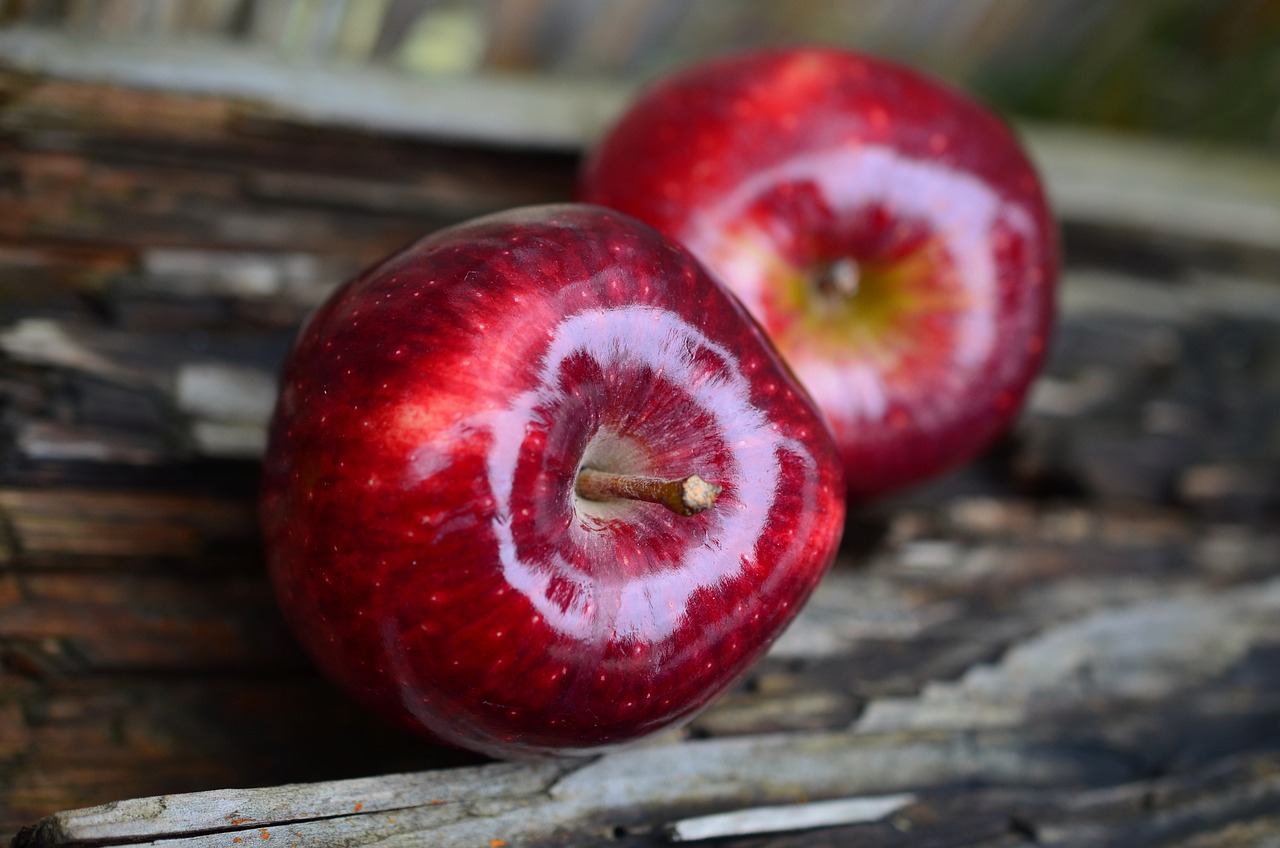
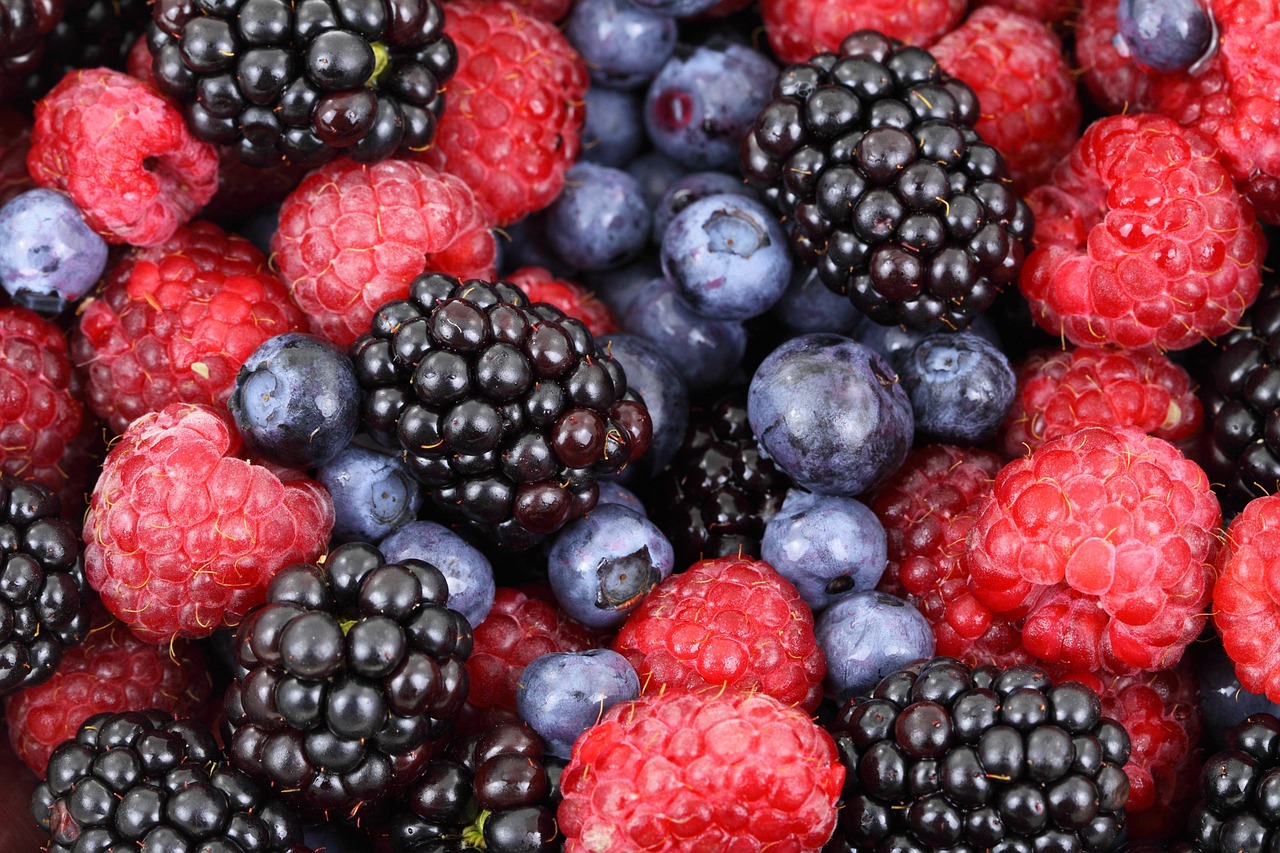
    The Fix: Become a Macronutrient Mixologist. Pair a complex carb with a protein or healthy fat. This magical combo slows down digestion, providing a steady release of energy. Think: an apple with peanut butter, Greek yogurt with berries, or whole-wheat crackers with cheese. It’s the difference between a sugar-fueled rocket and a steady, reliable engine.

    2. The “Resident Snack Dragon” and Strategic Meal Prep

    The hospital unit has its own ecosystem, and at its center lies the Nutrition Room—a mythical land of donated cookies, ancient birthday cake, and that one bag of baby carrots that everyone ignores. It’s a siren song of convenience.

    Resisting this requires a strategy we like to call Defensive Eating. This means coming to battle (your shift) fully armed.

    · Embrace the Almighty Container: Invest in good containers and pack like your sanity depends on it (because it does).
    · Cook Once, Eat Thrice: On your day off, roast a whole tray of chicken breasts and vegetables. Cook a big batch of quinoa or brown rice. Suddenly, you have building blocks for lunches all week.
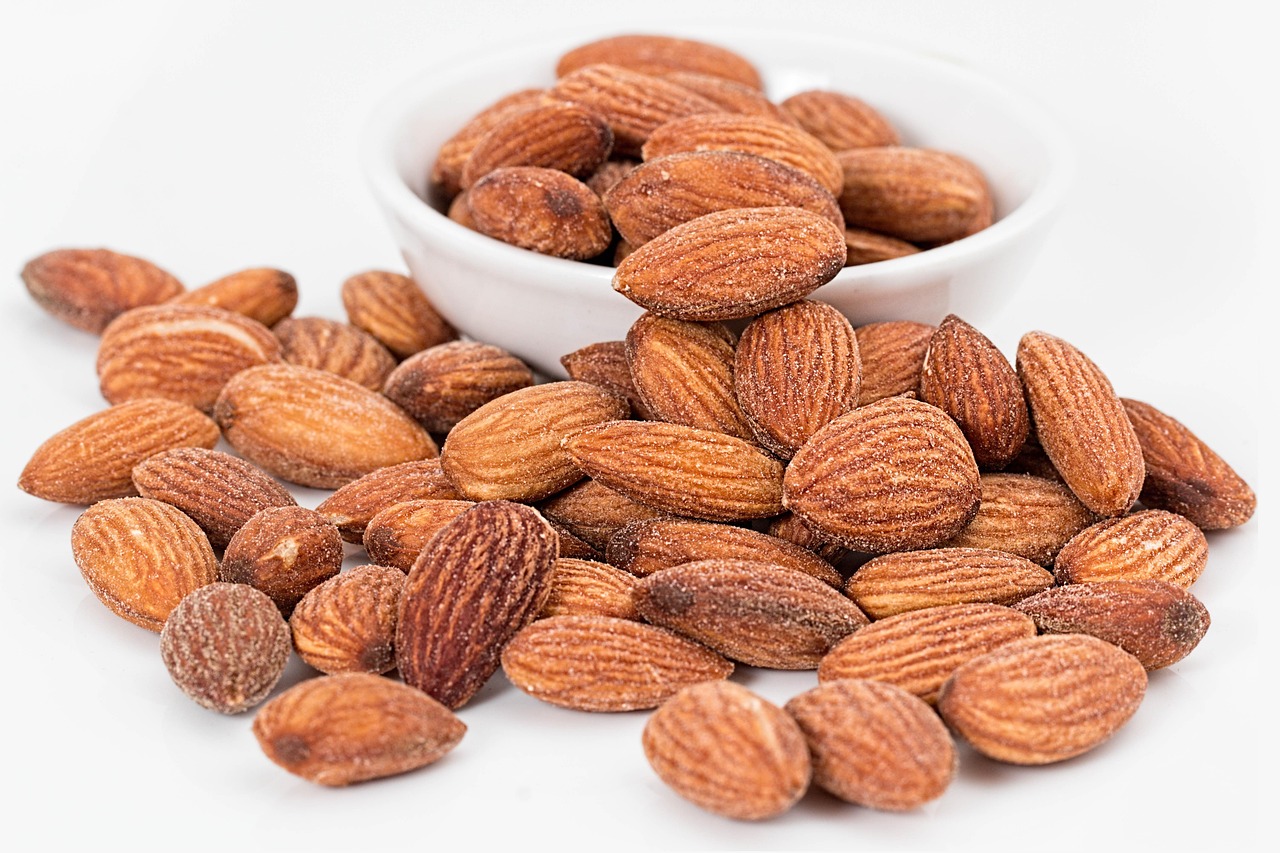
    · The “Grab-and-Go” Arsenal: Keep your locker or bag stocked with non-perishable lifesavers: mixed nuts, unsweetened dried fruit, high-fiber protein bars, and those nifty little packets of almond butter.

    3. Hydration: It’s Not Just for Patients

    Coffee is not water. Let’s say it again for the people in the back, clutching their giant travel mugs. Caffeine is a diuretic, which means it can contribute to dehydration. When you’re dehydrated, you get headaches, fatigue, and your cognitive function takes a nosedive. Trying to calculate a drip rate while dehydrated is like trying to do calculus in a sauna.

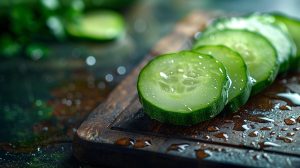
    The Hydration Hack: Get a large, marked water bottle. Set a goal. “I will finish this bottle by my first break, and refill it for the next.” If plain water bores you, infuse it with cucumber, lemon, or mint. Your kidneys—and your patients—will thank you.

    4. The Long Game: You Can’t Pour from an Empty Cup

    This is the cliché we love to hate, but it’s a cliché for a reason. The physical and emotional toll of nursing is immense. Chronic stress, sleep deprivation, and poor nutrition are a recipe for burnout, compassion fatigue, and a compromised immune system. You are constantly giving—your energy, your expertise, your compassion. You must fuel that generosity.

    Eating well isn’t an act of vanity; it’s an act of professional sustainability. It’s what gives you the resilience to handle the tough codes, the difficult families, and the heartbreaking losses. It’s the foundation that allows you to be the incredible nurse you are, shift after shift, year after year.

    So, the next time you’re about to power through on coffee and prayers, remember: your stethoscope is a vital tool, but so is your lunchbox. Nourish yourself with the same intention and care you provide to others. Because a well-fed nurse is a clear-headed, kind-hearted, and unstoppable force for good.

    Now, go eat something that isn’t from a vending machine. You’ve earned it.

  • The Hangry Nurse: A Survival Guide to Not Eating Like a Garbage Disposal

    The Hangry Nurse: A Survival Guide to Not Eating Like a Garbage Disposal

    Let’s be honest. The term “nurse nutrition” often brings to mind a tragic image: a dedicated healthcare hero, running on iced coffee, half a granola bar found at the bottom of a pocket, and the sheer willpower that comes from knowing people will literally die if you sit down.

    Your diet becomes a bizarre scavenger hunt. A cracker here, a pudding cup there, maybe a mysterious brown liquid you confidently call “stew.” You fuel your body with the same haphazard strategy you might use to restock a supply closet during a code—grab what’s closest and hope for the best.

    But here’s the painful truth your body is screaming on your third 12-hour shift: You cannot pour from an empty cup. And if that cup is filled only with caffeine and desperation, you, my friend, are going to crash.

    Why Do We Eat Like This? (A Brief, Tragic Comedy)

    The struggle is real, and it’s rooted in the very fabric of nursing life.

    1. The Time Vortex: You have 30 minutes for lunch, which is really 20 minutes after you’ve charted, given report, and run to the bathroom. In that time, you must achieve the impossible: find food, heat it, and consume it. This is why the vending machine, with its seductive, shiny chips, often wins. It’s fast, it requires no preparation, and it doesn’t judge you.
    2. Decision Fatigue: You’ve made approximately 4,327 critical decisions since your shift started. “What to eat” becomes decision number 4,328, and your brain short-circuits. The path of least resistance—also known as the leftover birthday cake in the breakroom—beckons.
    3. Emotional Espresso: Stressful day? That chocolate bar isn’t a snack; it’s a coping mechanism. Exhausted? That second (or fifth) cup of coffee isn’t a beverage; it’s an IV drip of consciousness. We eat to soothe, to energize, and to celebrate surviving.

    The “Code Brown” of Bad Nutrition: What Happens When You Fuel Poorly

    We know the science better than anyone. We counsel patients on diabetes management and heart-healthy diets. Yet, we ignore the same principles for ourselves, leading to a vicious cycle:

    · The 3 PM Crash: You’re nodding off in front of the computer. Was it Mr. Johnson’s rivarding monologue about his bunions? Maybe. But it was definitely the sugar crash from that muffin you inhaled for breakfast.
    · Mood Swings to Rival a Telenovela: “Hangry” is not just a cute portmanteau; it’s a physiological state. Low blood sugar turns the most compassionate nurse into a seething creature of rage. Your patient doesn’t need their vitals taken; they need a warning label.
    · Weakened Immunity: You work in a petri dish. Your body is fighting off more germs than a superhero in a zombie movie. Skimping on nutrients is like sending that superhero into battle without their shield.

    The Strategic Shift: From Scavenger to Meal Prepper

    Fear not! Transforming your diet doesn’t require a culinary degree or a time-turner. It requires strategy—the same kind you use to prioritize patient care.

    Step 1: The Sunday Ritual (Embrace the Power of Tupperware)

    Yes, meal prep is a cliché for a reason: it works. Dedicate 1-2 hours on your day off. Roast a tray of colorful vegetables (broccoli, bell peppers, sweet potatoes). Grill a bunch of chicken breasts or bake some tofu. Cook a large batch of quinoa or brown rice. Portion them into containers. You have now created “grab-and-go” gold.

    Step 2: Build the Ultimate Lunchbox (Your Shield Against Breakroom Temptation)

    Think of your lunchbox as your code cart. It should be stocked, ready, and life-saving.

    · The Main Event: Your prepped protein (chicken, fish, beans, lentils) + complex carb (quinoa, brown rice) + veggie mix.
    · The Snack Attack Squadron:
    · The Crunch: Apple slices, baby carrots, a small handful of almonds.
    · The Creamy: Greek yogurt, single-serve hummus cups.
    · The Quick Fix: A hard-boiled egg, a cheese stick, a protein bar with recognizable ingredients (not a candy bar in disguise).
    · Hydration Station: A large, beautiful water bottle. Mark it with times of the day as a goal. If you can’t drink plain water, infuse it with lemon, cucumber, or berries. Just please, for the love of all that is holy, don’t let your primary fluid intake be soda.

    Step 3: Master the Art of the “Desk-fast”

    If you can’t stomach a full meal before sunrise, don’t force it. But don’t skip. Have a smoothie ready. Blend spinach, frozen fruit, Greek yogurt, and a scoop of protein powder the night before. It’s drinkable, digestible, and won’t leave you feeling heavy.

    Humor as a Seasoning: Making it Fun

    Let’s face it, “healthy” can sound boring. Reframe it.

    · See Food as Fuel, Not Just Feel-Good: Your body is a high-performance vehicle. You wouldn’t put cheap, sugary fuel in a Ferrari. Don’t put it in the complex, brilliant machine that is you.
    · The “One Healthy Swap” Game: Challenge yourself. This week, swap the chips for popcorn. Next week, swap the sugary yogurt for plain Greek yogurt with berries. Small wins build momentum.
    · Find Your Snack Soulmate: Discover the healthy snack that you genuinely love. Is it crunchy chickpeas? Sweet, juicy clementines? When you have a favorite, it’s easier to bypass the junk.

    The Final, Un-chartable Note

    Taking care of your nutrition isn’t an act of selfishness; it’s an act of professional sustainability. It’s what allows you to be the sharp, compassionate, and resilient nurse your patients need. It’s what gives you the energy to actually enjoy your days off, instead of spending them in a coma on the couch.

    So, the next time you’re tempted by that sad, stale donut, remember: you are not a garbage disposal. You are a healthcare warrior. And warriors deserve better fuel. Now, go forth and conquer your shift—one well-fed, non-hangry moment at a time. Your patients (and your sanity) will thank you.

  • Nurse Nutrition: Beyond the Coffee and Crackers Diet

    Nurse Nutrition: Beyond the Coffee and Crackers Diet

    Let’s be honest. The term “hospital food” rarely conjures images of gourmet, nutrient-dense meals. But here’s a little-known secret: the very people who champion health and wellness for their patients are often the worst offenders when it comes to their own diets. If you’re a nurse, your typical “meal” might be a lukewarm coffee chugged at 3 AM, a granola bar inhaled between med passes, or a mysterious leftover donut from the break room that you’re pretty sure has been there since last shift.

    Welcome to the world of nurse nutrition, where your body is a temple… that’s constantly running on the spiritual equivalent of cheap gasoline and emergency candles.

    Why Are We Like This?

    It’s not a lack of willpower. It’s physics. When you’re running a 12-hour marathon that involves literal life-and-death decisions, emotional labor, and enough steps to rival a Tour de France cyclist, stopping for a mindful kale salad feels… ridiculous. Your brain is in survival mode, and survival mode screams for quick, high-calorie fuel. Hence, the siren song of the vending machine.

    But here’s the kicker: that very fuel is setting you up for a crash. A sugar-laden snack might provide a five-minute buzz, but it’s often followed by a crushing fatigue that makes counting drops per minute feel like advanced calculus. It’s a vicious cycle: you’re tired, so you eat junk. You eat junk, so you get more tired.

    The “Shift-Shape” Your Plate Strategy

    Fear not, weary warrior! You don’t need a personal chef and a four-hour meal prep session. You just need a strategy. Think of it as a nutritional care plan for your most important patient: You.

    1. The Pre-Shift Power-Up (The Foundation) Skipping breakfast is like showing up to a code without knowing where the crash cart is. Don’t do it. Your pre-shift meal should be a mix of complex carbs, protein, and healthy fats to create a slow, steady energy release.

    · The Hero: A veggie omelet with whole-wheat toast.
    · The Speedy Superstar: Greek yogurt with berries and a handful of nuts.
    · The Grab-and-Go: A smoothie with spinach, banana, protein powder, and almond butter. This isn’t just food; it’s your first dose of shift-long sustenance.

    2. The “Desk Drawer Arsenal” (The Defense) Your desk drawer shouldn’t just hold spare pens and trauma shears. It should be your nutritional first-aid kit. Stock it with non-perishable, real-food options to fend off desperate cravings.

    · The Classics: Mixed nuts, trail mix (go light on the chocolate), and seeds.
    · The Savory Savior: Single-serve packets of nut butter, whole-grain crackers, and low-sodium beef jerky.
    · The Sweet & Steady: Dried fruit (no added sugar), apples, and bananas. When the donut box makes its rounds, you’ll be armed and ready with a better option.

    3. The “Strategic Snack” (The Offense) Forget the concept of three square meals. Your body needs fuel every 3-4 hours. Plan for two substantial snacks during your shift. Call them “mini-meals.”

    · Mini-Meal 1: An apple with two tablespoons of peanut butter.
    · Mini-Meal 2: A small tub of hummus with baby carrots and cucumber slices. These strategic bites maintain your blood sugar, keep your mood stable (your colleagues will thank you), and prevent you from becoming “hangry” at the family of Patient Room 4.

    4. Hydration: It’s Not Just About the Coffee We know. Coffee isn’t just a beverage; it’s a shift partner. But caffeine is a diuretic and can dehydrate you, compounding fatigue. For every cup of coffee, chase it with a cup of water. Get a large, marked water bottle and make it a game to empty it by certain times. Proper hydration improves cognition, keeps headaches at bay, and helps your skin survive the constant hand sanitizer assault.

    The Mindful Moment (Yes, Really)

    We get it. “Mindful eating” sounds like a luxury you can’t afford when your lunch break might be interrupted by a bed alarm. But mindfulness doesn’t have to mean 30 minutes of meditation. It can be taking three deep breaths before you take your first bite. It’s about chewing your food instead of swallowing it whole like a seagull. This tiny pause aids digestion and signals to your brain that you’ve actually eaten, increasing satisfaction.

    The Bottom Line

    Your resilience, sharpness, and compassion are your most critical tools. You wouldn’t send a soldier into battle with a empty gun, so don’t send yourself onto the floor with an empty tank—or one filled with junk.

    So, the next time you’re tempted to power through on caffeine and hope alone, remember: that salad isn’t just a salad. It’s body armor. Those nuts aren’t just a snack; they’re bulletproof vest. Fuel wisely, hydrate relentlessly, and keep being the amazing healthcare rockstar that you are. You’ve earned a proper meal.

  • The Starving Healer: A Nurse’s Guide to Not Eating Like a Garbage Disposal

    The Starving Healer: A Nurse’s Guide to Not Eating Like a Garbage Disposal

    Let’s be real. The term “nurse’s diet” shouldn’t refer to the chaotic mosaic of half-eaten granola bars, lukewarm coffee, and patient-grade Jell-O that actually sustains us. It should be an oxymoron. We, the champions of health, the dispensers of wisdom on balanced meals and lifestyle choices, often treat our own bodies like a rundown car we keep meaning to take to the mechanic but never do.

    We sprint through 12-hour shifts on a fuel mix of caffeine and sheer willpower, only to crash at home and contemplate a dinner of “whatever requires the fewest dishes.” Sound familiar? You’re not alone. But just as we wouldn’t run a code with outdated equipment, we can’t run our bodies on fumes and frustration. It’s time for an intervention.

    Part 1: The Dietary Rollercoaster of a 12-Hour Shift

    Picture this: It’s 6:00 AM. You’ve gulped down a coffee that’s more creamer than coffee and maybe nibbled a piece of toast. By 9:00 AM, your stomach is staging a mutty. The vending machine in the breakroom starts to look like a beacon of hope, its glowing buttons promising a temporary sugar high.

    Lunch? What’s that? If you’re “lucky,” it’s a 10-minute window at 2:30 PM where you inhale a sad-looking salad that got crushed by your stethoscope or a leftover pasta that now has the texture of glue. You eat so fast your brain doesn’t even register the meal until an hour later, when a wave of carb-induced coma hits you right as you need to be at your sharpest.

    Then comes the 3:00 PM slump. This is a critical juncture. This is when the well-meaning family member brings in a box of donuts. It’s a trap! That sugary delight will give you a five-minute burst of joy, followed by a precipitous energy crash that makes charting feel like writing a novel in a foreign language.

    Part 2: Why We Make Terrible Choices (It’s Not Your Fault, It’s the System… Mostly)

    We’re not nutritionally incompetent. We’re just operating in a perfect storm of dietary sabotage.

    · Decision Fatigue: You’ve made approximately 10,000 critical decisions by noon. Choosing between a grilled chicken wrap and a bag of chips is decision number 10,001. Your brain, in an act of self-preservation, picks the easiest, fastest option.
    · The “Feast or Famine” Model: Our eating windows are erratic. This leads to a primal panic in our bodies. When we finally do get to eat, we’re so ravenous we overcompensate, eating large portions of the wrong things.
    · Emotional Eating: Let’s face it, some days are hard. After a difficult code, losing a patient, or dealing with a particularly challenging family, the brain seeks comfort. And comfort rarely comes in the form of a kale smoothie. It comes in the form of chocolate, chips, and cheesy carbs.

    Part 3: The “No-Brainer” Nutrition Strategy for the Chronically Busy

    Forget complicated diet plans. We need a tactical, operational guide.

    1. The Meal Prep Messiah: Yes, it’s the advice everyone gives, but for nurses, it’s non-negotiable. Dedicate one to two hours on your day off. You don’t need to be a gourmet chef. Think in components:

    · Proteins: Grill a bunch of chicken breasts, hard-boil a dozen eggs, or cook a pack of ground turkey.
    · Complex Carbs: Cook a big pot of quinoa, brown rice, or roast a tray of sweet potato cubes.
    · Veggies: Chop bell peppers, cucumbers, and carrots. Buy pre-washed salad greens. Now, you’re an assembly line. Grab a container, throw in a protein, a carb, and a handful of veggies. Boom. Five lunches, ready to grab-and-go.

    2. The Snack Attack Survival Kit: Arm yourself against the vending machine and the dreaded donut box. Keep a small, insulated lunch bag at your station with:

    · The Satiety Squad: A handful of almonds, a cheese stick, Greek yogurt.
    · The Quick-Fix Crew: An apple, a banana, a pear.
    · The Emergency Rations: A protein bar that’s actually high in protein and low in sugar, or a small packet of nut butter.

    3. Hydration Station: Dehydration masquerades as hunger and fatigue. That 3:00 PM craving? Try chugging a full glass of water first. Invest in a large, marked water bottle and make it a game to finish it by a certain time. Pro tip: If you can’t remember the last time you peed, you’re not drinking enough.

    4. The Strategic Caffeine Hit: We’re not giving up coffee. That’s heresy. But we can be smarter. Pair your coffee with a protein or fat (like a handful of nuts or that cheese stick) to blunt the blood sugar spike and crash. And try to avoid caffeine in the latter half of your shift unless you enjoy staring at the ceiling at 2:00 AM.

    The Payoff: From Hangry to Heroic

    This isn’t just about fitting into your scrubs better. This is about performance. Proper nutrition is the foundation of the sharp clinical judgment, steady hands, and boundless empathy we pride ourselves on.

    When you’re fueled properly, you’re not just surviving your shift; you’re owning it. Your mood is more stable, your focus is laser-sharp, and your energy reserves are deeper. You become a more resilient, more present, and frankly, a less “hangry” nurse.

    So, the next time you’re tempted by that glittery donut, see it for what it is: a short-term loan on energy with a sky-high interest rate. You, my friend, are worth a long-term investment. Now, go forth and conquer—one well-fed, well-hydrated, and highly caffeinated (but strategically so) shift at a time.

  • The Nurse’s Diet: From Salad to Shift Snacks

    The Nurse’s Diet: From Salad to Shift Snacks

    Let’s be honest: the term “nurse’s diet” probably conjures up images of lukewarm coffee, a granola bar inhaled in three bites between a code blue and an angry family member, and the mysterious, beige casserole left in the breakroom by a grateful patient’s grandma. It’s a culinary adventure, but not exactly a Michelin-starred one.

    We, the ones who expertly advise patients on low-sodium diets and diabetic meal plans, often become the worst offenders when it comes to our own nutrition. It’s a classic case of the cobbler’s children having no shoes, except the shoes are a balanced meal, and we’re running a marathon in fluffy socks.

    So, why is it so hard for us to eat well? And more importantly, how can we fix it without adding another “to-do” to our already Herculean list?

    The “No Time” Tango and the Vending Machine Villain

    The biggest nemesis of nurse nutrition is Time, or the lack thereof. A 12-hour shift is a masterclass in chaos management. Your stomach rumbles at 11:03 AM, but that’s precisely when Mr. Johnson in Room 204 decides to take an unaccompanied stroll to the bathroom, and you’re the lucky chaperone. By the time things settle, it’s 1:30 PM, your blood sugar has plummeted to subterranean levels, and the siren song of the vending machine—that glorious purveyor of salt, sugar, and immediate gratification—is impossible to ignore.

    This “feast-or-famine” cycle is a metabolic rollercoaster. It leads to energy crashes, irritability (sorry, not sorry, new interns), and poor concentration. When you’re running on empty, that bag of chips isn’t just food; it’s a highly efficient, if not terribly nutritious, fuel pellet.

    The Strategy: Outsmart the Chaos

    The key is to treat your shift like a tactical mission. Spontaneity is the enemy.

    1. The Power of Prep (Without the Pinterest Pressure): You don’t need to spend your one day off creating Instagram-worthy bento boxes. “Meal prep” can simply mean:
    · Hard-boiling a dozen eggs.
    · Chopping a few veggies and putting them in a container.
    · Making a large batch of quinoa or lentils.
    · Buying pre-cooked grilled chicken or canned tuna. Assemble these components the night before or morning of your shift. The goal is “grab-and-go,” not “gourmet.”
    2. Embrace the Snack Attack: Three square meals are a fantasy in a hospital. Plan for 2-3 substantial snacks and one main meal. This keeps your energy stable. Good options include:
    · The Protein Punch: Greek yogurt, a handful of almonds, a protein shake, or those hard-boiled eggs.
    · The Fiber Friend: An apple with peanut butter, carrot sticks with hummus, or a small container of berries.
    · The Complex Carb: A whole-wheat wrap, a small sweet potato, or whole-grain crackers.
    3. Hydration Station (It’s Not Just Coffee): We know coffee is the lifeblood of the healthcare system. But it’s also a diuretic. Dehydration masquerades as hunger, fatigue, and a headache. Keep a large, colorful water bottle at your station. Set a goal to finish it by a certain time (e.g., “I’ll finish this by my first round of meds”). Herbal tea or water with a splash of fruit juice can be a great alternative.

    The Night Shift Nibbles: A League of Its Own

    Working nights is like being a nutritional vampire. Your body’s internal clock is screaming for sleep, but you’re eating “lunch” at 3 AM. This messes with your circadian rhythm and can lead to weight gain and digestive issues.

    · The “Main Meal” should be before your shift, around 5-6 PM. Think a balanced dinner with protein, veggies, and complex carbs.
    · During the shift, focus on light, protein-rich snacks that are easy to digest. Avoid heavy, greasy, or super sugary foods that will make you crash. A turkey sandwich on whole wheat is far better than a slice of leftover pizza.
    · “Breakfast” after your shift should be small and sleep-promoting. A small bowl of oatmeal, a banana, or a glass of milk. Don’t go to bed on a full stomach.

    The Secret Ingredient: Self-Compassion

    Some days, the vending machine will win. Some days, you’ll be too exhausted to chew a kale leaf, let alone prepare one. And that’s okay. The goal is progress, not perfection. Forgive yourself for the less-than-ideal choices and get back on track with your next meal.

    Remember, you are a healthcare superhero. You can’t pour from an empty cup—or run a code on an empty stomach. Fueling your body with intention isn’t just an act of self-care; it’s a professional necessity. It’s what gives you the energy to be the brilliant, compassionate, and slightly-caffeinated rockstar your patients rely on. Now, go forth and conquer your shift—and maybe pack an extra granola bar, just in case.

  • The Hungry Healer: A Nurse’s Guide to Not Getting Hangry on the Halls

    The Hungry Healer: A Nurse’s Guide to Not Getting Hangry on the Halls

    Let’s be real. The term “lunch break” often feels like a mythical concept in nursing, right up there with “a quiet shift” or “a fully stocked pyxis.” Your “diet” can sometimes consist of whatever you can scavenge from the vending machine, a handful of crackers from the nutrition room, and the lukewarm coffee you’ve been guarding since 7 AM.

    But here’s the deal: you are a healthcare superhero. You wouldn’t fuel a high-performance sports car with cheap, sugary gas and expect it to win races. So why do we expect our bodies and brains—the very tools we use to make critical decisions, offer compassion, and literally save lives—to run on stress-baked cookies and caffeine?

    It’s time to talk about eating like the clinical rockstar you are.

    Part 1: The Enemy Within (The Break Room Donut Box)

    We’ve all been there. A kind patient’s family brings in a box of glazed, heavenly rings of temptation. It sits in the break room, whispering your name. Before you know it, you’ve inhaled two donuts during a 30-second charting pause. The result? A sugar rush that feels like a mini-vacation, followed by a catastrophic energy crash right as you get a new admission.

    This is the cycle of the “Quick Fix.” Sugary snacks and simple carbs provide a rapid spike in blood sugar, giving you a fleeting sense of energy. But your body responds by releasing insulin, which rapidly lowers your blood sugar, leaving you more tired, irritable, and foggy-brained than before. This is the biological recipe for “hanger” (hunger + anger), a state no nurse or their patients can afford.

    Part 2: Mastering the Art of Shift-Work Fueling

    Your body has a circadian rhythm that is fundamentally confused by your schedule. Eating at 3 AM goes against every natural instinct. The key is to strategize, not just react.

    The Power of the Protein-Packed Punch Protein and healthy fats are your best friends. They digest slowly, providing a steady stream of energy and keeping you full and focused for hours. Think of them as the time-release capsules of nutrition.

    · Smart Snack Attack: Ditch the chips. Instead, pack:
    · A handful of almonds and an apple.
    · Greek yogurt with a sprinkle of nuts.
    · Veggie sticks (carrots, bell peppers) with hummus.
    · A hard-boiled egg (pre-peel it at home to avoid looking like a caveperson at the nurses’ station).

    Hydration: It’s Not Just About the Coffee Caffeine is a tool, not a beverage. It’s a brilliant, alertness-promoting tool, but it’s also a diuretic and can contribute to dehydration and crashes.

    · The Water Bottle Gambit: Get a large, marked water bottle. Your goal is to finish one full bottle by your first break, another by lunch, and so on. Place it in your line of sight. Every time you pass it, take a sip.
    · The Herbal Tea Intermission: Switching to herbal or decaf tea in the latter half of your shift can help you wind down for sleep later, unlike that 3 PM espresso that will have you staring at the ceiling until noon the next day.

    Part 3: The “I Have Five Minutes to Eat” Meal Solution

    Your “lunch” is often a tactical mission. You need something that is fast, requires little to no preparation, and can be eaten with one hand while the other hand charts.

    Enter the mighty Mason Jar Salad. Don’t groan! This isn’t a sad, wilted lettuce situation. By layering it correctly—dressing at the bottom, then hardy veggies like chickpeas and cucumbers, then proteins like grilled chicken or quinoa, with delicate greens on top—you get a crisp, restaurant-quality salad when you shake it. It’s a full meal in a jar.

    The Wrap-tional Alternative: A whole-wheat wrap stuffed with lean turkey, cheese, spinach, and hummus is portable, non-messy, and packed with balanced nutrition.

    Batch Cooking is Your Secret Weapon: Pick one day off to be your kitchen boss day. Grill a batch of chicken, cook a large portion of quinoa or brown rice, and chop a rainbow of vegetables. Store them in containers. For the next three days, you can assemble a healthy plate in under three minutes. This eliminates the “I’m too tired to cook, so I’ll just eat this entire box of crackers” dilemma.

    Part 4: The Mindful Munch (Because Stress Eating is Real)

    Nursing is stressful. Sometimes, the brain confuses “I just coded a patient” with “I must eat this entire bag of chocolate immediately.” This is emotional eating, and it’s a normal response to an abnormal amount of stress.

    Before you reach for the candy, P.A.U.S.E.:

    · P: Physically stop for 10 seconds.
    · A: Ask, “Am I actually hungry, or am I stressed/tired/bored?”
    · U: Understand the craving. If it’s stress, can you take three deep breaths instead?
    · S: Select consciously. If you still want the chocolate, have a small piece and savor it, rather than mindlessly devouring the whole bar.
    · E: End the guilt. You’re human. Acknowledge it and move on.

    Conclusion: You Can’t Pour from an Empty Cup (or Stomach)

    Caring for yourself is not selfish; it’s fundamental. By treating your nutrition with the same importance you give to a medication schedule, you are investing in your own well-being. You’re ensuring you have the energy, clarity, and mood stability to be the incredible nurse you are.

    So, the next time that donut box calls your name, you can smile, pat your lunch bag filled with steady-energy fuel, and say, “Not today, my sugary foe. This healer is already full.” Now, go hydrate

  • Eat Well, Nurse Well: A Survival Guide

    Eat Well, Nurse Well: A Survival Guide

    Let’s be honest: the term “nurse’s diet” usually brings to mind a cold cup of coffee, half a granola bar found at the bottom of a pocket, and a mysterious sandwich that’s been left in the break room since the last shift change. Sustenance, for those of us in the trenches, is often less about nutrition and more about sheer, desperate calorie intake between one alarm bell and the next.

    But what if we reframed the narrative? You are a high-performance athlete, my friend. Your events include: the 12-hour marathon, the heavy-lifting decathlon, the emotional gymnastics floor routine, and the rapid-fire mental triathlon of prioritizing a dozen tasks at once. No athlete thrives on vending machine chips and lukewarm caffeine. It’s time to fuel the machine that does the incredible work.

    The “Why”: Beyond the Grumbling Stomach

    We know we should eat better. But beyond the obvious, proper nutrition is your secret weapon. It’s the difference between crashing at 3 PM and having the steady energy to handle that new admission. It’s what sharpens your focus for that critical medication calculation. It’s what bolsters your immune system against the daily germ-fest. And, perhaps most importantly, it’s what stabilizes your mood, making you less likely to snap at a well-meaning (but clueless) intern.

    Think of your body like an ECG readout. A diet of pure sugar and processed carbs is like ventricular fibrillation – chaotic, spikey, and unsustainable. A balanced diet of protein, complex carbs, and healthy fats is a beautiful sinus rhythm – steady, strong, and ready for anything.

    The Usual Suspects: Dietary Pitfalls & How to Outsmart Them

    1. The Siren Call of the Snack Cart: That cart laden with cookies and donuts, brought in by a grateful patient’s family, is a trap in delicious disguise. It offers a quick sugar high, followed by a crushing crash that leaves you more drained than before.
    · The Hack: Be the change you wish to see in the break room. If you can, bring a communal platter of apple slices with peanut butter, or a container of mixed nuts and dried fruit. Peer pressure can be positive!
    2. The “No Time to Chew” Fallacy: We’ve all claimed we’re too busy to eat. This is a fallacy. You are not too busy to fuel your engine; you’re just not prepared.
    · The Hack: This isn’t a leisurely three-course meal. This is strategic refueling. Your lunch should be something you can eat in 5-10 minute increments. Think: a sturdy salad in a jar (dressing at the bottom), a wrap, or a container of quinoa and chicken you can shovel efficiently.
    3. The Hydration Deception: Coffee is not hydration. In fact, it’s a diuretic. If your urine could sing, you’d want it to be a clear, flowing ballad, not a concentrated, dark yellow heavy metal scream.
    · The Hack: Get a large, marked water bottle. Your goal is to finish one by lunch and another by the end of your shift. Place it somewhere you’ll see it frequently. Every time you chart, take a sip.

    The Game Plan: Building a Bomb-Proof Lunchbox

    Forget fad diets. Your body needs reliable, long-burning fuel. Build your meals and snacks around this simple trio:

    1. The Power of Protein: This is your satiety superstar. It keeps you full and provides steady energy.
    · Examples: Grilled chicken strips, hard-boiled eggs, chickpeas, Greek yogurt, cottage cheese, tuna packets, edamame.
    2. The Consistency of Complex Carbs: These are your brain’s best friend, providing a slow release of glucose for sustained mental energy.
    · Examples: Whole-wheat tortillas, quinoa, oatmeal, sweet potato, brown rice, whole-grain crackers.
    3. The Magic of Healthy Fats & Fiber: Fats keep you satisfied, and fiber keeps your digestive system… well, systematic.
    · Examples: Avocado, nuts, seeds, olives, and any colorful vegetable you can get your hands on.

    Sample Day of “Hero Fuel”:

    · Breakfast (eaten before the storm): A smoothie with spinach, banana, protein powder, and almond milk. Chug it on the way out the door if you must.
    · Morning Snack: An apple and a single-serving packet of almond butter.
    · Lunch: A “deconstructed burrito bowl” with chicken, black beans, corn, salsa, and a handful of tortilla chips for crunch.
    · Afternoon Slump Snack (3 PM is coming for you): A small container of Greek yogurt with berries, or a handful of baby carrots and hummus.
    · Post-Shift Recovery: Your body needs to repair. A piece of salmon with roasted broccoli, or a quick stir-fry. This prevents you from raiding the entire pantry when you get home.

    A Final, Unsolicited Prescription

    You spend your days caring for others. View your own nutrition not as a chore, but as a non-negotiable part of your professional – and personal – well-being. You cannot pour from an empty cup. Or, in this case, you cannot start an IV with a hand shaky from hunger and a brain foggy from sugar.

    So, pack that lunch like your sanity depends on it. Because, quite frankly, it does. Now go forth, eat well, and nurse well. You’ve got this.

  • The Hangry Nurse: A Survival Guide

    The Hangry Nurse: A Survival Guide

    Let’s be real. The term “nurse’s diet” doesn’t typically evoke images of kale smoothies and quinoa bowls. It more accurately brings to mind cold coffee, half a muffin salvaged from the break room, and the mysterious “lunch” you finally eat at 4 PM. You are a superhero in scrubs, a master of multitasking, and a relentless advocate for your patients. But when it comes to feeding the machine that is you, things often go spectacularly off the rails.

    This isn’t about achieving a bikini body or subscribing to the latest fad. This is about survival. This is about ensuring that the person holding the sharps container isn’t also seeing stars from low blood sugar. So, let’s talk about how to eat like the champion you are, without adding another item to your already overflowing to-do list.

    Part 1: Know Thy Enemy (Your Workday)

    The hospital floor is a nutritional warzone. Understanding its traps is the first step to victory.

    The Siren Song of the Break Room: This is where well-meaning patients’ families leave boxes of donuts that stare into your soul. It’s where leftover birthday cake from the admin office goes to die, and you are its willing executioner. This is “Grazing Ground Zero.” The sugar rush is immediate, the crash is brutal, and suddenly you’re snappy with a perfectly pleasant patient named Doris.

    The “I Have Five Minutes” Fallacy: You sprint to the cafeteria with a plan. You leave with a greasy slice of pizza and a soda because it was right there. Your brain, starved for calories and time, opts for the fastest, highest-calorie hit it can find. It’s not a lack of willpower; it’s a physiological hijacking.

    The Hydration Hallucination: Is that third cup of coffee a beverage or an emotional support object? Many nurses are in a perpetual state of dehydration, mistaking thirst for hunger, fatigue, or a deep-seated need for another charting session. Coffee is a diuretic, not a hydrator. Your body is not a cactus; it needs actual water.

    Part 2: Building Your Nutritional Crash Cart

    Forget complex diet plans. Think in simple, strategic blocks. Your mission is to create meals and snacks that are a triple threat: Protein, Fiber, and Healthy Fats. This combo is your secret weapon. It digests slowly, providing a steady stream of energy and keeping you full and focused for hours.

    Meal Prep: Your New Best Friend (We Promise) Yes, we said the “P-word.” But before you roll your eyes, hear us out. This doesn’t mean spending your one day off cooking 37 identical chicken breasts.

    · The Sunday Session: Dedicate one peaceful hour (with a good podcast on) to assembly, not cooking.
    · Hard-Boil a dozen eggs. Instant protein.
    · Chop veggies—bell peppers, carrots, cucumbers. Stick them in a container. Done.
    · Cook a big batch of quinoa or brown rice.
    · Portion out nuts and seeds into small containers or bags.
    · The “Grab-and-Go” Pile:
    · Greek yogurt cups
    · String cheese
    · Pre-made hummus cups
    · Whole-grain wraps or crackers
    · Pre-cooked grilled chicken strips
    · Fruit that travels well: apples, bananas, oranges, berries.

    Assembling the 4 PM “Lunch” (That You Eat at 2 PM if You’re Lucky): Now, with your prepped ingredients, you can build a real meal in 60 seconds.

    · The Power Bowl: In a container, throw a handful of greens, a scoop of quinoa, those pre-cooked chicken strips, and a handful of your chopped veggies. Drizzle with a store-bought vinaigrette.
    · The Un-sad Salad: Layer chickpeas, chopped eggs, nuts, and seeds over spinach. It won’t get soggy, and it’s actually satisfying.
    · The Wrap of Champions: A whole-wheat wrap with hummus, turkey slices, and spinach. It’s edible with one hand while you chart with the other. You’re welcome.

    Part 3: Snack Attack Tactics

    Snacking is not the enemy; poorly chosen snacks are. Your goal is to outsmart the break room donuts.

    Your Locker’s Emergency Stash:

    · A jar of almond or peanut butter (for apple slices or celery).
    · Trail mix (heavy on the nuts and seeds, light on the chocolate chips).
    · Beef jerky or turkey jerky (check for low sodium).
    · Protein bars—but be a label detective! Look for low sugar (under 10g) and at least 10g of protein.

    The Caffeine Conundrum: We get it. Coffee is the lifeblood of healthcare. The key is to be its master, not its slave. Try this: for every cup of coffee, drink one cup of water. It mitigates the dehydration and the jitters. And if you’re on a night shift, stop the caffeine intake at least 4-5 hours before you plan to sleep. Yes, even if you “feel fine.” Your adrenal glands will thank you.

    Part 4: Beyond the Food – The Mindful Morsel

    You are in a high-stress, high-stakes profession. Your relationship with food matters.

    · Listen to Your Gut (Literally): Are you eating because you’re stressed, bored, or actually hungry? A five-second pause to check in can save you from mindless munching.
    · Practice Strategic Indulgence: That donut from the nice family? It’s not evil. The key is to enjoy it. Don’t guilt-eat it in the supply closet. Eat it mindfully, with a cup of tea, and savor every single bite. Then, move on. No drama.
    · Hydrate, Hydrate, Hydrate: Get a large, marked water bottle. Your goal is to finish it by lunch and refill it for the afternoon. Proper hydration improves cognition, mood, and even helps your body handle stress better.

    The Final Handoff

    Think of your body as your most important patient. You wouldn’t let your patient run on caffeine, sugar, and fumes. You’d assess, intervene, and provide the best possible care.

    So, do the same for yourself. A well-fueled nurse is a sharper, kinder, more resilient nurse. You’ll have the energy for that difficult family, the focus for that complex medication calculation, and the patience for the new intern. It’s not about perfection; it’s about progress. Start with one prepped meal. Pack one healthy snack. Drink one extra glass of water.

    You keep the rest of the world healthy. It’s high time you included yourself in that mission. Now, go forth and conquer your shift—without the hanger.

  • Nurse Nutrition: How to Fuel a Healthcare Superhero

    Nurse Nutrition: How to Fuel a Healthcare Superhero

    Let’s be honest: the term “nurse’s diet” often brings to mind a grim picture of cold coffee, half-eaten granola bars, and whatever vending machine treasure can be scarfed down in a five-minute window between saving lives and updating charts. It’s a culinary adventure where the main course is stress and the side dish is exhaustion.

    But what if we reframed that? You are a healthcare superhero. You wouldn’t put cheap, watered-down fuel in a high-performance vehicle, so why do it to your own incredible body? Proper nutrition isn’t just a luxury; it’s your essential shift gear.

    The “Why”: More Than Just a Rumbling Tummy

    On a 12-hour shift, your body and brain are running a marathon at a sprint’s pace. The right food is your secret weapon.

    · For the Brain: Forget “hangry,” we’re talking about “h-angry” – a state where low blood sugar turns a normally compassionate caregiver into someone who might just discharge a patient for asking for the fifth cup of Jell-O. Stable blood sugar, achieved through balanced meals, is crucial for sharp decision-making, memory recall (which patient was allergic to what again?), and maintaining that famous nurse’s patience.
    · For the Body: You’re logging thousands of steps, lifting patients, and constantly on your feet. This requires sustained energy, not the fleeting spike-and-crash from a sugar-laden energy drink. Proper nutrition supports muscle repair, boosts your immune system (because you’re exposed to every bug in the building), and helps prevent that 3 PM energy nosedive.
    · For the Soul: Let’s not underestimate the mental and emotional toll. A healthy gut is linked to a healthier mood. Feeding yourself well is a profound act of self-care, a small rebellion against the chaos, reminding you that your own well-being matters too.

    The Snack-tical Approach: Your Guide to Battlefield Nutrition

    Forget the idea of three square meals. In the nursing world, it’s all about strategic, graze-worthy fuel. Think of your lunch bag as your mission kit.

    The Heroes (Pack These):

    1. The Protein Punch: This is your best friend for satiety and steady energy.
    · Hard-boiled eggs: Nature’s perfect protein packet.
    · Greek yogurt: High in protein, mix in some berries and nuts.
    · Turkey or chicken roll-ups: Wrap a slice around a cheese stick or some cucumber.
    · Edamame: Easy to pack and munch on.
    · A handful of almonds or walnuts: A classic for a reason.
    2. The Complex Carb Crew: These provide the slow-burning energy to keep you going.
    · Apple slices with peanut butter: The perfect sweet-and-salty combo.
    · Whole-grain crackers or rice cakes: Great with hummus or avocado.
    · Overnight oats in a jar: Prepare it the night before for a no-fuss meal.
    3. The Hydration Heroes:
    · WATER: Yes, it’s boring, but it’s non-negotiable. Dehydration mimics fatigue and brain fog. Get a large, marked water bottle and make it a game to finish it by a certain time.
    · Herbal tea: A warm, comforting option without the caffeine jitters.
    · Infused water: Throw in some lemon, cucumber, or berries to make it more exciting.

    The Villains (Mostly Avoid These):

    · The Sugar Sirens: Donuts, candy, sugary sodas. They sing a sweet song of immediate gratification but lead to a guaranteed energy crash an hour later, leaving you more drained than before.
    · The Salty Saboteurs: Chips, pretzels, and other highly processed snacks. They cause bloating and can make you even thirstier.
    · The Liquid Liars: Frappuccinos and monster energy drinks. They promise the world but often deliver anxiety, jitters, and a nasty crash.

    A Day in the Life of a Well-Fed Nurse

    Let’s paint a new picture. Imagine your shift:

    · Pre-Shift (6:00 AM): You have a blender smoothie with spinach, banana, protein powder, and almond milk. Or, you grab two hard-boiled eggs and a piece of whole-wheat toast. You’re starting with stable blood sugar, not a caffeine-and-sugar tremor.
    · Mid-Morning (10:00 AM): The hunger pangs start. You reach into your locker for your Greek yogurt and a small handful of trail mix. It takes 90 seconds. You feel victorious.
    · Lunch (The mythical “When I Have Time”): You have a container of quinoa salad with chickpeas, diced chicken, cucumbers, and a lemon vinaigrette. It’s satisfying, delicious, and doesn’t make you feel like you need a nap afterward.
    · Mid-Afternoon Slump (3:00 PM): Instead of the breakroom cookies, you have an apple and a cheese stick. Your energy remains steady. You handle the new admission with grace.
    · Post-Shift (7:00 PM): You’re tired, but not ravenously “eat-the-entire-pantry” tired. You have the mental clarity to throw together a simple stir-fry or a large omelet, nourishing your body for recovery and the next shift.

    The Realistic Bottom Line

    We live in the real world. Some days, the vending machine will win. And that’s okay. This isn’t about perfection; it’s about progress. It’s about swapping one bad habit for a better one, one shift at a time.

    You spend your days advocating for the health of others. You dispense wisdom on diet, medication, and self-care. It’s time to take a dose of your own medicine. Your patients need a sharp, energetic, and healthy you. But more importantly, you deserve to feel like the well-fueled superhero you are.

    So, pack that extra snack. Fill that water bottle. You’ve got this.

  • Coffee is Not a Food Group: A Nurse’s Guide to Not Running on Empty

    Coffee is Not a Food Group: A Nurse’s Guide to Not Running on Empty

    Let’s be real. The term “nurse’s diet” probably brings to mind a few universal images: the lukewarm coffee chugged behind the med cart, the half-eaten granola bar found crumpled in a scrubs pocket, and the mysterious, beige “food” from the hospital cafeteria that defies all identification.

    In the high-stakes, fast-paced world of healthcare, your own nutrition often becomes the last item on a very long to-do list. You’re a superhero in comfy shoes, but even superheroes need the right fuel. So, let’s talk about how to eat in a way that keeps you from morphing into a “hangry” code-blue participant.

    Part 1: The All-Too-Familiar Pitfalls (Or, Why Your Stomach is Growling at 2 PM)

    First, let’s diagnose the problem. The typical nurse’s eating schedule is a masterpiece of improvisation, plagued by:

    · The Breakfast Skip: The alarm screams, you hit snooze twice, and you’re out the door. Breakfast? That’s what the caffeine IV drip (also known as coffee) is for.
    · The Desk Drawer Diet: A fascinating ecosystem of processed carbs, sugar, and salt. Think crackers, candy “for a quick sugar rush,” and ancient packets of instant oatmeal. It’s food that can survive a nuclear fallout, but can it survive your 12-hour shift?
    · The Feast-or-Famine Cycle: You’re either too busy to eat a single bite for six hours, or you’re suddenly so ravenous you could eat the patient’s Jell-O (don’t do it). This leads to the dreaded 3 PM crash, where the only solution seems to be another large coffee and a muffin the size of your head.
    · The Emotional Eat-and-Run: A tough code, a difficult family, mountains of charting. Stress eating is real, and the hospital vending machine, with its glowing, seductive buttons, is your siren song.

    The result? You’re running on fumes, your energy levels are a rollercoaster, and your mood is one inconvenient question away from a spectacular snap.

    Part 2: Fueling for the Front Lines (The “How-To” Without the Hysteria)

    You wouldn’t put watered-down gas in an ambulance, so don’t put junk fuel in your body. The goal isn’t a Michelin-star meal; it’s strategic, sustainable energy. Think of your body as the most important piece of equipment you bring to work.

    1. The “Pre-Game” Power-Up (Breakfast): Skipping breakfast is like starting your car in winter and immediately flooring it onto the highway. Not ideal. Your goal: Protein + Healthy Fat + Complex Carb.

    · The 5-Minute Wonder: A Greek yogurt parfait with berries and a handful of nuts.
    · The Grab-and-Go: Two hard-boiled eggs and an apple. Make them the night before!
    · The Blender Bonanza: A smoothie with spinach, a scoop of protein powder, a banana, and almond milk. Drink it on your commute like the champion you are.

    2. Packing Your Arsenal (Lunch & Snacks): This is your secret weapon against the cafeteria and the vending machine. Invest in a good lunchbox and some reusable containers.

    · The Main Event (Lunch): Leftovers are your best friend. When you make dinner, cook extra.
    · The Bowl is Your Best Friend: A grain (quinoa, brown rice), a lean protein (grilled chicken, chickpeas, tuna), and a mountain of veggies. Add a tasty dressing in a separate container.
    · The Massive Salad: But not a sad, leafy one. Load it up with chicken, eggs, beans, avocado, and nuts. This is a salad with a purpose.
    · Snack Attack Saviors: These should be easy to eat in 90 seconds flat.
    · The Protein Pair: Apple slices with peanut butter, cheese sticks with whole-wheat crackers, or a handful of almonds and dried cranberries.
    · Veggie Sticks & Hummus: Crunchy, satisfying, and will make you feel virtuous.
    · Protein Bars: Choose wisely! Look for low sugar and at least 10-15 grams of protein.

    3. Hydration: Beyond the Caffeine River Yes, we know. Coffee is the lifeblood of the nursing profession. But it’s also a diuretic and can contribute to the energy crash. Your mission, should you choose to accept it, is to hydrate with water.

    · Get a Giant, Marked Water Bottle: A one-liter bottle with time markers is a great visual reminder. “By 10 AM, I should be to this line.”
    · Infuse It: Toss in some lemon, cucumber, or mint if plain water bores you.
    · The Coffee-Water Tango: For every cup of coffee, drink one cup of water. It’s a tango for your kidneys.

    Part 3: The Mindset Shift: From Chore to Self-Care

    Ultimately, this isn’t just about food. It’s about acknowledging that you cannot pour from an empty cup. Your ability to be empathetic, sharp, and resilient is directly tied to how you fuel yourself.

    Eating well isn’t another task on your list; it’s a fundamental part of your professional toolkit. It’s a act of rebellion against a system that often expects you to run on altruism and caffeine alone.

    So, the next time you’re racing through your day, remember: you are the most important patient you’ll ever have. Nourish yourself accordingly. Your patients, your colleagues, and your grumbling stomach will thank you for it.

    Now, go find something that isn’t coffee to eat. You’ve earned it.