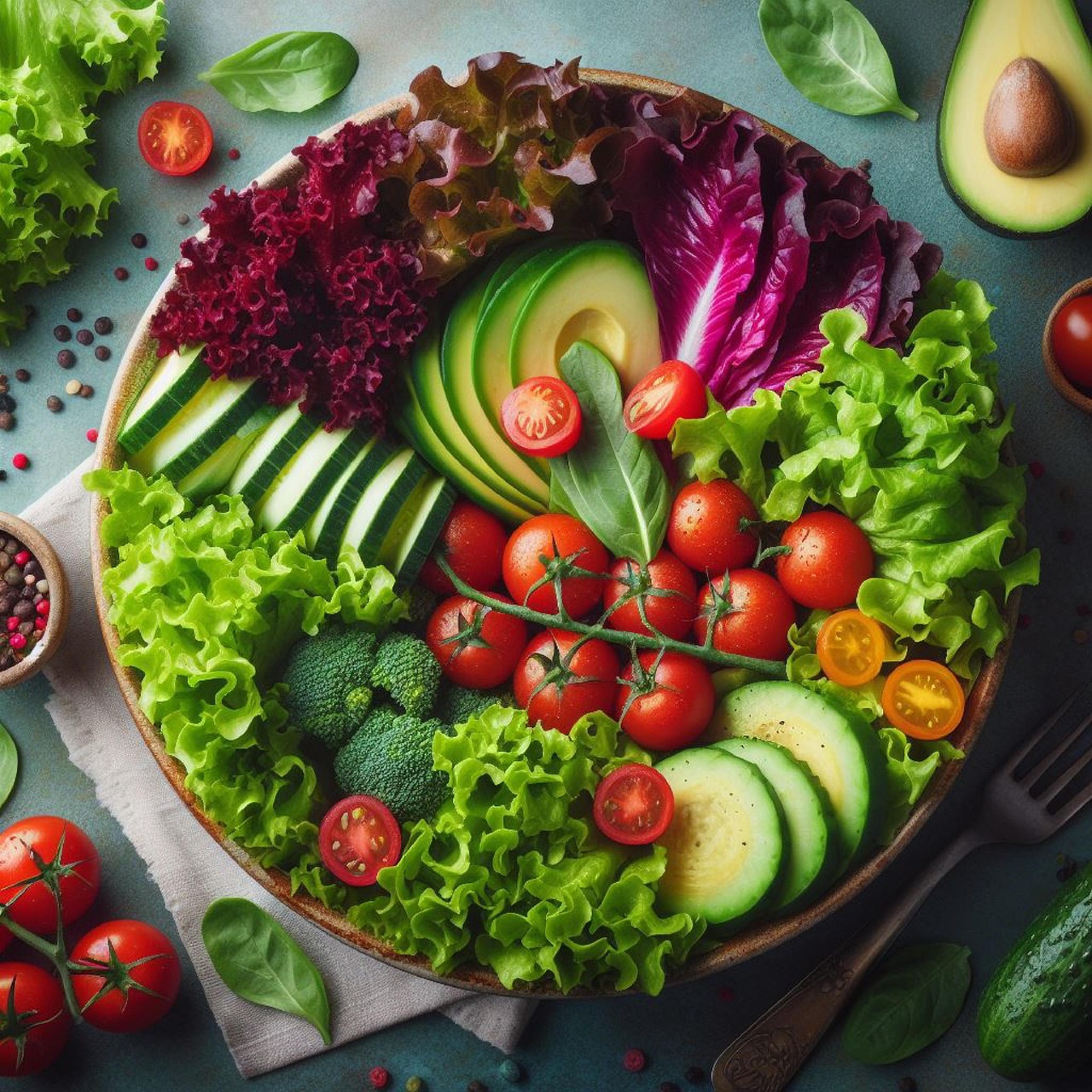
Let’s be real: the term “hospital food” rarely conjures images of gourmet, life-giving sustenance. It’s often a beige platter of mystery meat and overcooked vegetables that looks as sad as a deflated balloon. And yet, the very people who are the backbone of our healthcare system—nurses—often find their own diets mimicking this chaotic, rushed, and nutritionally questionable model.
Why? Because while they are busy saving lives, dispensing wisdom, and deciphering doctor’s handwriting, their own well-being often gets bumped to the bottom of the to-do list, right below “restock the linens.”
The Vending Machine Vortex and Other Dietary Hazards
A nurse’s relationship with food is a unique beast. It’s a high-stakes game of chance played in 12-hour increments. The primary enemy? The Vending Machine of Despair. This glowing beacon of false promises offers a quick hit of sugar and salt, perfectly engineered for a 3-minute “lunch” between a code blue and an irate family member. The diet of many a seasoned nurse can be summarized as: coffee for blood, a granola bar for sustenance, and whatever leftover birthday cake is in the breakroom for emotional support.
This isn’t just about willpower. It’s about physiology. When you’re running on adrenaline and cortisol, your body screams for quick energy. Your prefrontal cortex, the part responsible for wise decisions like “a salad would be nice,” goes offline. The lizard brain takes over, and it wants Cheetos. Now.
The Domino Effect of a Doughnut Diet
We all know the script: poor nutrition leads to fatigue, brain fog, irritability, and a compromised immune system. For a nurse, this isn’t just a personal problem; it’s a professional liability.
· The 3 PM Crash: That sugar-laden muffin at 10 AM guarantees a catastrophic energy crash just as the afternoon meds are due. Suddenly, charting feels like writing a novel in hieroglyphics.
· The Grumpy Gown: Hunger and low blood sugar are a fast track to becoming “Nurse No-Nonsense,” who has no patience for your questions about the Jell-O. Good patient care requires empathy, a resource in short supply when your stomach is growling like a bear.
· Walking Petri Dish: Hospitals are germ factories. A diet lacking in essential vitamins, antioxidants, and protein is like sending your immune system into battle armed with a spoon.
So, how do we break the cycle? It’s not about a radical, Instagram-perfect diet. It’s about strategic, realistic fuel.
The Shift-Worker’s Survival Guide to Eating
Think of your body as the most important piece of medical equipment you operate. It’s time for some preventative maintenance.
1. The Power of the “Fuel Pack”: Forget the concept of three square meals. Embrace the era of grazing. Prepare a small cooler or a large lunch bag with a variety of easy-to-grab, nutrient-dense foods. Your goal is to eat something small every 2-3 hours to keep your blood sugar stable.
· Protein is Your Co-pilot: Hard-boiled eggs, Greek yogurt, a handful of almonds, sliced turkey or chicken, hummus, and cheese sticks. Protein provides sustained energy and keeps you full.
· Embrace the Fiber Force: Apples, baby carrots, bell pepper strips, berries. They provide slow-releasing carbs and keep your digestive system—a fellow shift-work victim—happy.
· Healthy Fats for the Win: Avocado, nuts, and seeds. They are brilliant for brain health, which you need to remember a thousand details.
2. Master the Art of The Strategic Meal Prep: Yes, it’s the buzzword of the century, but for a nurse, it’s non-negotiable. Spending one or two hours on your day off can save you from a week of dietary despair.
· Cook Once, Eat Thrice: Roast a giant tray of chicken breasts and vegetables. Portion them into containers. Make a big pot of chili, lentil soup, or stew. These are hearty, easy to reheat, and actually improve in flavor after a day or two.
· Salad Jars are Your Friend: Layer a jar with dressing at the bottom, then sturdy veggies (like chickpeas, cucumbers, carrots), then protein, then greens on top. At work, shake it up for a instant, fresh meal.
3. Hydrate or Deteriorate: Coffee is a tool, not a hydration strategy. Dehydration mimics fatigue and hunger, leading to poor decisions. Keep a large, reusable water bottle at your station. Infuse it with lemon, mint, or berries if plain water feels like a chore. Your kidneys and your energy levels will thank you.
The Final Diagnosis
Nurses, you are the superheroes of the healthcare world. But even superheroes need to fuel their superpowers. Prioritizing your nutrition isn’t an act of selfishness; it’s an act of professional integrity and personal survival. It’s the unwritten prescription for resilience, patience, and the energy to do your incredible job without burning out.
So, the next time you feel the siren call of the vending machine, remember: you deserve better than a stale bag of chips. You are what you eat, and the healthcare system needs you to be a vibrant, well-oiled machine, not a tired, sugar-crashed one. Now, go pack that fuel pack
Leave a Reply