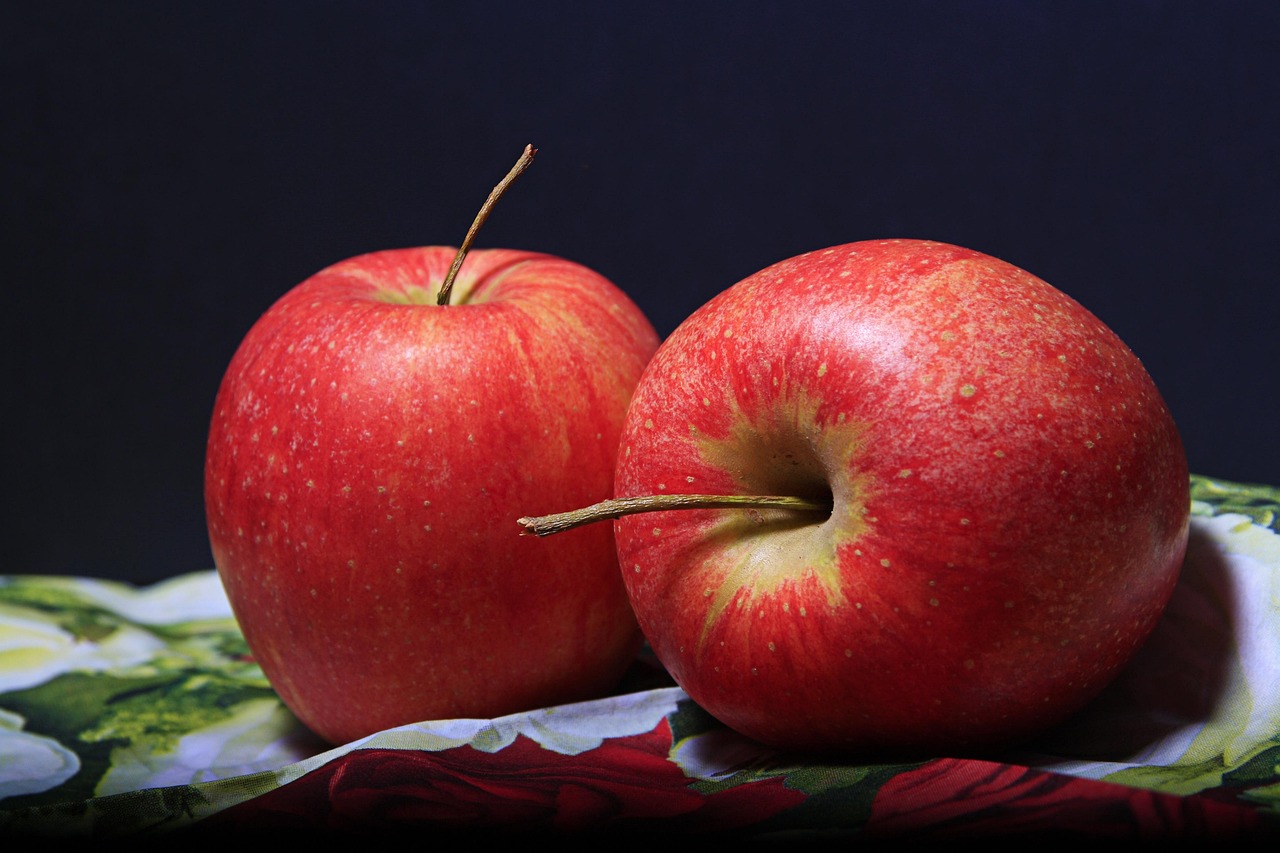
Let’s be real. The concept of a “lunch break” in nursing is often a mythical creature, right up there with a fully stocked supply room on a Monday morning or a calm and quiet night shift. More often than not, your “meal” is whatever you can scavenge from the vending machine, choke down between call lights, or inhale over the medication cart.
We’ve all been there: that 2 PM blood sugar crash that turns you from Compassionate Caregiver into a hangry troll who might just snap at the next person who asks for a ginger ale. The truth is, the food you fuel yourself with is as critical to patient care as your stethoscope. You can’t pour from an empty cup, and you certainly can’t make sharp clinical decisions running on stale crackers and lukewarm coffee.
So, let’s talk about how to eat like a pro, even when your job is doing its best to prevent it.
Part 1: The Usual Suspects (And Why They Betray Us)
1. The Sugar Rollercoaster: That chocolate bar or sugar-laden yogurt seems like a great idea for a quick pick-me-up. And it is… for about 20 minutes. Then comes the inevitable crash, leaving you more fatigued and irritable than before. This cycle of spikes and dips is the arch-nemesis of stable energy and a clear mind.
2. The Salty Saboteur: Chips, pretzels, and other salty snacks are the go-to for a rushed bite. The problem? They dehydrate you and offer minimal nutritional value. In a job where you’re already running around like a superhero (minus the cape, but plus comfy shoes), dehydration leads to headaches, fatigue, and a serious case of brain fog.
3. Liquid “Meals”: Coffee. The lifeblood of the night shift. While a cup (or three) is a sacred ritual, relying on caffeine alone is a dangerous game. It can increase anxiety, disrupt your already-fragile sleep, and dehydrate you further. It’s a stimulant, not a fuel source.
Part 2: The Strategic Fuel-Up Plan
Think of your body as the most important piece of medical equipment on your shift. It requires high-quality fuel. Here’s your battle plan.
The MVP (Most Valuable Prep): The Sacred Sunday
You would never show up to a code without knowing where the crash cart is. Similarly, don’t show up to your week without a meal prep strategy.
· Batch & Conquer: Cook a large portion of a versatile protein like grilled chicken, chickpeas, or hard-boiled eggs.
· Chop Squad: Wash and chop a rainbow of vegetables—bell peppers, carrots, cucumbers, cherry tomatoes. Store them in containers, ready for action.
· Grain Gain: Make a big batch of quinoa, brown rice, or farro. These complex carbs provide sustained energy release.
Building the Indestructible Lunchbox:
Forget the sad, soggy sandwich. Aim for a combination that will keep you powered for hours.
· The Power Plate: A container with compartments is your best friend.
· Protein (The Stabilizer): Chicken, tuna, turkey, tofu, lentils, or those hard-boiled eggs. This keeps you full and focused.
· Complex Carbs (The Energizer): Quinoa, sweet potato, or whole-wheat pasta. This is your slow-burning log on the energy fire.
· Healthy Fats & Veggies (The Refreshers): Avocado, nuts, seeds, and all those pre-chopped colorful veggies. They provide essential nutrients and keep things interesting.
Snack Attacks: Deployed Wisely
Snacking is inevitable. Make it strategic.
· The Dynamic Duo: An apple with a tablespoon of peanut butter.
· The Crunch Pack: A small handful of almonds and a cheese stick.
· The Quick Fix: Greek yogurt (high in protein, low in sugar) with a sprinkle of berries.
· The On-the-Go: A low-sugar protein bar (check the label!) can be a lifesaver.
Part 3: The Hydration Station
Water. It’s not just for your patients. Dehydration is a stealthy energy thief. Get a large, marked water bottle (1-liter is a great goal) and make a game of it. “I’ll finish this by my 10 AM med pass.” “I’ll refill it after I see my next patient.” If plain water is too boring, infuse it with lemon, cucumber, or mint.
Part 4: A Dose of Reality and a Pinch of Humor
Will you always eat perfectly? Of course not. There will be days when the only thing between you and a meltdown is a donut brought in by a grateful family. And that’s okay! The goal is progress, not perfection.
Remember, the hospital is a vortex of temptation. The gravitational pull of the birthday cake in the break room is a real, scientifically unproven phenomenon. The key is to have your own healthy, satisfying food available so you can enjoy a small slice of cake because you want to, not because it’s your only option.
So, the next time you feel the hanger creeping in during a long shift, remember: you are a highly skilled, intelligent professional. You manage complex medications, interpret subtle symptoms, and provide comfort in times of crisis. You are more than capable of outsmarting a vending machine.
Your patients rely on you. Your colleagues rely on you. But first and foremost, you must rely on you. And that starts with what you put on your fork. Now, go forth, prep that chicken, and conquer your shift. Your brain (and your patients) will thank you.
Leave a Reply