Blog

  • Fueling the Front Lines: A Nurse’s Guide to Eating Without Dropping the Tray

    Fueling the Front Lines: A Nurse’s Guide to Eating Without Dropping the Tray

    Let’s be real: the term “nurse’s diet” is usually an oxymoron. It often consists of whatever can be scavenged from the nutrition room, gulped down in three frantic minutes between a code blue and a family meeting, or the mysterious, rock-hard muffin left at the nurses’ station from last week. If coffee were a food group, we’d all be winning gold medals in nutrition.

    But here’s the hard truth, straight from the mouth of someone who’s been there: you cannot pour from an empty cup. And if your cup is only filled with caffeine and desperation, you, your patients, and your sanity are all running on fumes.

    So, let’s talk about how to fuel the incredible machine that is you.

    The “Why”: Beyond the Growling Stomach

    This isn’t just about silencing your stomach’s angry protests during a quiet moment on the ward. Proper nutrition is your secret weapon.

    · The Brain Fog Buster: Making critical decisions on no sleep is hard enough. Doing it with low blood sugar is like trying to calculate a dopamine drip in a fog bank. Complex carbs, healthy fats, and protein provide a steady release of energy, keeping your mind sharp when it matters most.
    · The Emotional Armor: Hangry is not just a state of mind; it’s a professional hazard. When a patient’s family is demanding, or a doctor is being difficult, a stable blood sugar level can be the difference between a calm, professional response and a meltdown in the med room.
    · The Immune System Forcefield: You work in a petri dish of fascinating pathogens. Your body needs a robust army of vitamins and minerals (looking at you, Vitamin C, D, and Zinc) to fight off the latest bug doing rounds. That leftover birthday cake isn’t building any defenses.

    The Enemy: The “Nurse’s Feast”

    We all know the usual suspects. Let’s call them out:

    1. The Vending Machine Vendetta: That 3 PM slump where a bag of chips and a soda seem like the only answer. It’s a trap! This leads to a sugar crash that will have you feeling worse than a deflated blood pressure cuff.
    2. The Desk Dash Diet: Eating while charting. You’re so distracted you barely taste the food, and your brain doesn’t register that you’ve eaten, leaving you unsatisfied and likely to reach for more junk.
    3. The “I Survived on Coffee” Badge of Honor: This is not a badge of honor; it’s a red flag. Coffee is a fine lieutenant, but it is a terrible general. It can’t lead your energy army.

    The Game Plan: How to Eat Like a Pro (Without Needing a Personal Chef)

    Fear not! You don’t need a culinary degree. You just need a strategy.

    1. Embrace the Almighty “Meal Prep” (Yes, Really): We hear the collective groan. But think of it as prepping your code cart. You wouldn’t run to a code without knowing your equipment is ready. Don’t run a 12-hour shift without your nutritional equipment ready.

    · The Sunday Session: Dedicate one hour. Roast a tray of chicken breasts or chickpeas. Cook a big batch of quinoa or brown rice. Chop a rainbow of vegetables. Store them in containers. Boom. Your building blocks for the week are done.
    · The Smoothie Savior: For those mornings when you’re running on negative time, a blender is your best friend. Spinach, frozen fruit, a scoop of protein powder, and some Greek yogurt. Chug it in the car. It’s a meal in a cup that beats a stale bagel any day.

    2. Master the Art of the “Grab-and-Go” Snack: These are your tactical tools for warding off hanger.

    · The Protein Punch: Hard-boiled eggs, individual Greek yogurts, a handful of almonds, string cheese.
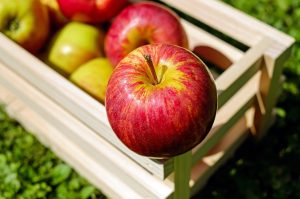
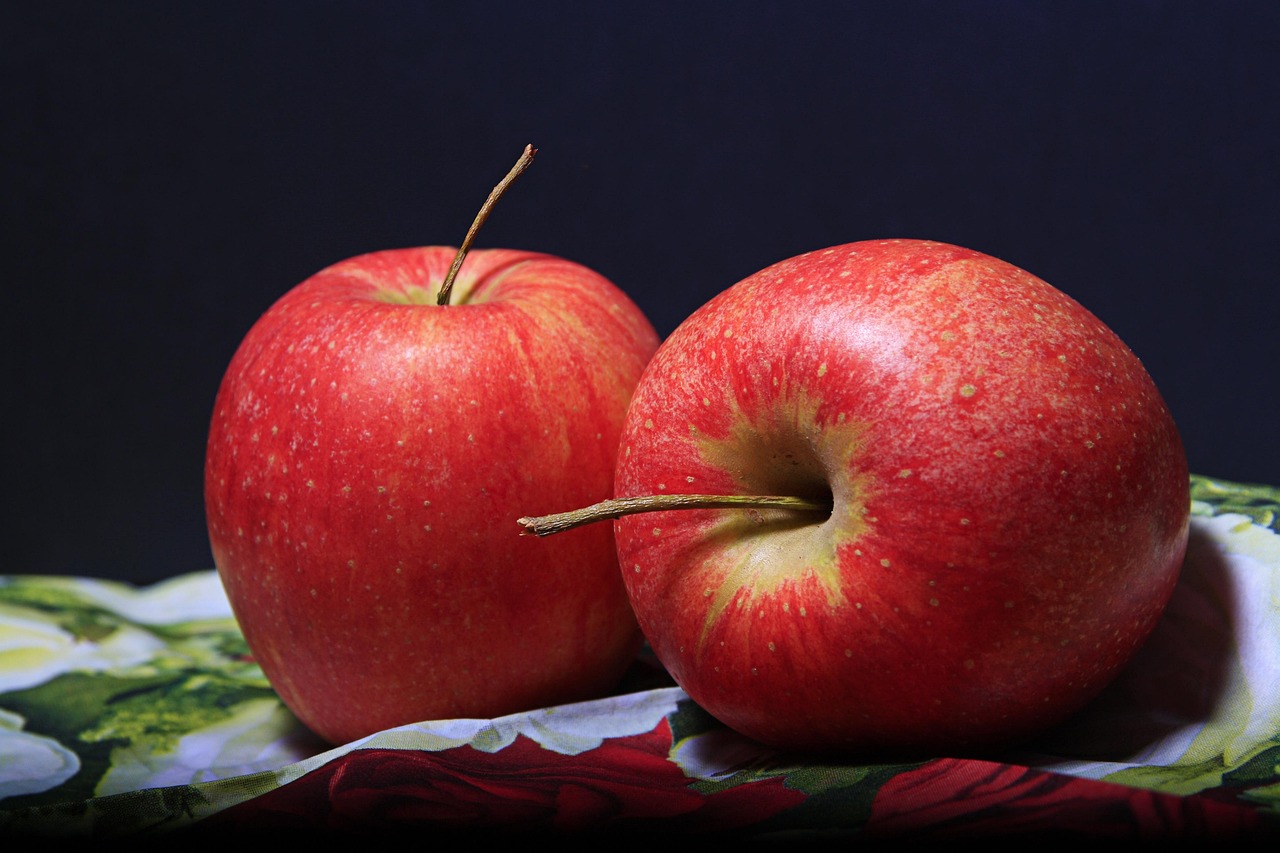
    · The Fiber Friend: An apple with peanut butter, a handful of baby carrots with hummus, a pear.
    · The Energy Orb: Make your own no-bake balls with oats, nut butter, and seeds. They’re dense, delicious, and won’t get crushed in your bag.

    3. Hydrate or Diedrate: We know this. We tell our patients this. And then we mainline coffee. Dehydration causes fatigue, headaches, and poor concentration. Keep a large water bottle at your station. Set a goal to finish it by lunch and refill it. Add lemon, cucumber, or mint if you find plain water boring.

    A Word on Grace (and Cake)

    This is not about perfection. It’s about progress. There will be days when the only thing that gets you through is a piece of pizza and a chocolate bar shared with your work bestie. And that’s okay! The goal is to make the exception the junk food, not the rule.

    You are on the front lines, making a difference in people’s lives every single day. You deserve to feel energized, strong, and clear-headed. You deserve to fuel your body with the same compassion and expertise you show your patients.

    So, the next time you’re about to reach for that sad, leftover muffin, ask yourself: “Am I fueling a nurse, or am I just feeding a zombie?” Your patients—and your energy levels—will thank you.

    Now, go conquer your shift. And maybe eat a vegetable.

  • Running on Coffee & Kindness: A Nurse’s Guide to Not Eating Like a Garbage Disposal

    Running on Coffee & Kindness: A Nurse’s Guide to Not Eating Like a Garbage Disposal

    Let’s be honest. The term “nurse’s diet” isn’t exactly featured in glossy health magazines. It’s a unique culinary spectrum that ranges from “cold coffee gulped behind a med cart” to “whatever the kind family of Patient X brought in.” It’s a vending machine pastry that you inhale in three bites while charting, praying the sugar rush will last through your next round of vitals.

    We are the professionals who expertly advise patients on low-sodium, heart-healthy, diabetic-friendly meal plans. Meanwhile, our own lunch is a fascinating science experiment we call “leftovers from three days ago,” eaten at 3 PM in a storage closet. The irony is not lost on us.

    But here’s the hard truth, straight up, no chaser: You cannot pour from an empty cup. And if that cup is consistently filled with caffeine and cortisol, the engine is going to sputter. So, let’s talk about how to fuel the incredible machine that is you—without adding “gourmet chef” to your already Herculean list of duties.

    Part 1: The Dietary Villains of the Ward

    First, let’s identify the usual suspects. Knowing your enemy is half the battle.

    1. The Siren Song of the Snack Room: That communal table of doom, laden with donuts, cookies, and sheet cakes. It’s a beautiful, carb-loaded trap of gratitude and co-worker birthdays. Every slice is a tiny, delicious “thank you,” but your pancreas is not sending a thank-you note.
    2. The Vending Machine of Despair: When you’re hangry and your blood sugar is dipping lower than a patient’s blood pressure, this glowing beacon calls to you. Its offerings—chips, candy bars, neon-orange “cheese” crackers—are designed for survival, not sustenance.
    3. The “I Have No Time to Chew” Fallacy: This leads to the liquid diet: coffee, coffee, and more coffee. Maybe a soda. Food is a luxury; caffeine is a necessity. This strategy works brilliantly for about four hours, until you crash harder than a Windows 95 computer.
    4. The Feast-or-Famine Cycle: You’re too busy to eat for 8 hours, and then you get home and consume everything in the refrigerator like a bear emerging from hibernation. Your metabolism has no idea what’s happening, and it responds by storing all that fuel for the next “famine”—usually around your love handles.

    Part 2: The “Pro-Nurse” Plate: Building a Better Lunchbox

    Forget the complicated pyramids and confusing plates from health class. Think in simple, nurse-friendly terms. Your goal is to create a meal that provides Slow-Burn Energy, Steady Focus, and Staying Power.

    The Formula: Protein + Fiber + Healthy Fat + Complex Carb

    This magical combo prevents blood sugar spikes and crashes, keeping you fuller, longer, and less likely to murder someone over a missing pen.

    · Protein (The Stabilizer): Your best friend. It’s the bouncer at the club of your bloodstream, keeping the sugar from causing a riot.
    · Nurse-Hacks: Hard-boiled eggs (pre-peel them!), Greek yogurt, a handful of almonds, pre-sliced turkey or chicken, hummus, cottage cheese.
    · Fiber (The Regulator): Keeps the digestive train running on time—a crucial mission for a 12-hour shift.
    · Nurse-Hacks: Baby carrots, apple slices, berries, cherry tomatoes, cucumber strips, edamame.
    · Healthy Fats (The Sustainer): These are the slow-burning logs on your metabolic fire, not the kindling of simple sugars.
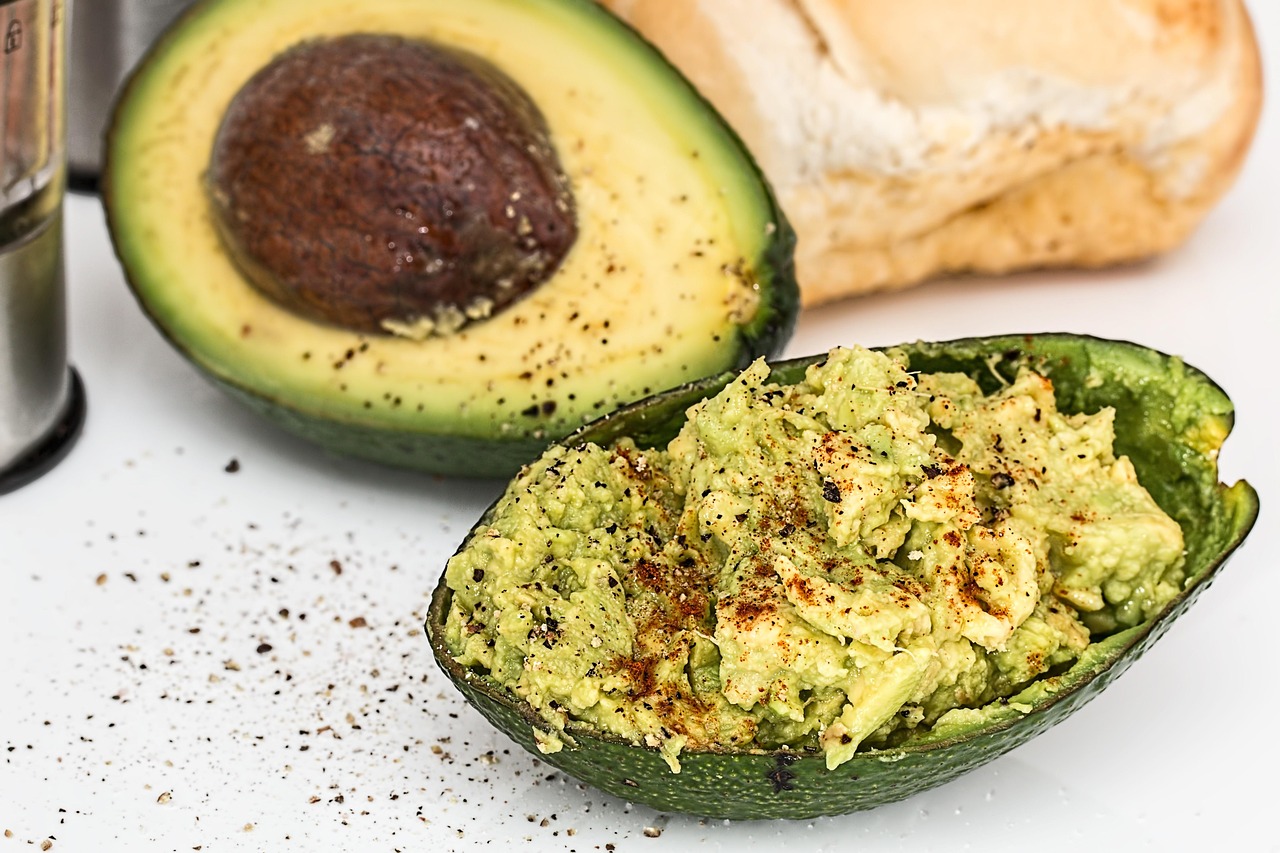
    · Nurse-Hacks: Avocado, nuts, seeds, olive oil (in a salad dressing).
    · Complex Carbs (The Energizer): Choose the ones that release their energy like a slow, steady IV drip, not a rapid bolus.
    · Nurse-Hacks: Whole-grain bread, quinoa, oatmeal, sweet potato.

    Sample “I Actually Have My Life Together” Nurse Meal: A container of quinoa salad with chickpeas, diced chicken, cucumbers, cherry tomatoes, and a lemon-tahini dressing. Eaten at a reasonable time? A miracle. Eaten cold at the nurses’ station? Still a victorious and delicious win.

    Part 3: Strategic Fueling for the Long Haul

    Your body is not a car; you can’t just fill the tank once and hope it lasts 500 miles. It’s more like a high-performance hybrid that needs regular, quality input.

    · Hydration Station: Before you reach for that third cup of coffee, drink a full glass of water. Dehydration often masquerades as fatigue or hunger. Get a big, obnoxiously colorful water bottle that you love and keep it with you. Your kidneys and your skin will thank you.
    · The “Snack-tical” Approach: Plan for two small snacks during your shift. This prevents the hangry descent into the vending machine’s clutches.
    · Snack 1 (AM): Apple with a tablespoon of peanut butter.
    · Snack 2 (PM): A handful of almonds and a cheese stick.
    · The Night Shift Conundrum: Your body is confused. It thinks it’s time for a four-course meal or deep sleep, not for assessing a post-op patient. Heavy, greasy foods are a recipe for gastrointestinal regret. Your best bet is a light, protein-focused meal—think a small portion of that quinoa salad or a yogurt parfait—something that fuels you without making you feel like you need to be rolled back to the station.

    Part 4: Quick, No-Cook (or Low-Cook) Recipes for the Exhausted

    “But I don’t have time to cook!” we hear you cry. We know. These are for you.

    1. The 5-Minute Power Jar: Layer Greek yogurt, frozen berries (they’ll thaw by lunch), and a sprinkle of granola or chia seeds in a mason jar. Grab and go.
    2. Roll-Ups of Glory: Take a whole-wheat tortilla, spread it with hummus or cream cheese, add a slice of turkey and a handful of spinach. Roll it up and slice it into pinwheels. Fancy and functional.
    3. The “Everything but the Kitchen Sink” Salad Bag: On your day off, chop a bunch of veggies (bell peppers, onions, cucumbers). Store them in containers. Each morning, throw a handful into a container with a can of tuna or a cup of chickpeas. Dressing on the side. Assembly time: 90 seconds.

    The Final, Kindest Diagnosis

    Fellow nurse, your health is not a secondary priority. It is the foundation that allows you to be the brilliant, compassionate, and resilient caregiver you are. Every healthy choice—every apple chosen over a donut, every glass of water chugged—is an act of self-care that ripples out to your patients, your team, and your own well-being.

    So, let’s make a pact. Let’s be the generation of nurses who are known not just for our skill and kindness, but for also not being powered solely by caffeine and chaos. Your body is your most important piece of medical equipment. Fuel it wisely. Now, who wants the last of these energy balls I made?

  • Code Green: Caffeine Isn’t a Food Group and Other Nutritional Truths for Nurses

    Code Green: Caffeine Isn’t a Food Group and Other Nutritional Truths for Nurses

    Let’s be honest. The concept of a “balanced diet” in nursing often means balancing a cold cup of coffee in one hand and a handful of stolen crackers from the nutrition room in the other. The “four major food groups” for many of us are: Caffeine, Sugar, Things That Can Be Eaten in Under 60 Seconds, and Regret.

    We are the ultimate health hypocrites. We spend our days educating patients on the virtues of low-sodium, high-fiber, heart-healthy meals, while our own lunch is a mystical relic from the depths of our locker, consumed in three frantic bites between a code and a call light. But here’s the deal: you can’t pour from an empty cup, and you definitely can’t start an IV with hands shaking from a sugar crash.

    So, let’s stage an intervention for ourselves. It’s time to talk about fuel, not just food.

    The “Why”: Beyond the Muffin Top

    We know the drill. But let’s move beyond the guilt. Proper nutrition isn’t about fitting into your scrubs better (though that’s a nice bonus); it’s about performance and survival.

    · The Brain Fog Antidote: That 3 PM mental wall you hit? It’s less about sleep deprivation and more about the carb-heavy, sugar-laden “lunch” you inhaled. Stable blood sugar from protein, healthy fats, and complex carbs means stable energy and sharper critical thinking. Your patients’ medication dosages will thank you.
    · The Immunity Shield: We work in a petri dish of delightful pathogens. Your body’s army needs proper ammunition—think zinc, vitamin C, vitamin D, and protein—to fight off the latest bug doing rounds on the unit. A diet of vending machine chips is basically waving a white flag.
    · The Emotional Armor: Hangry is not just a mood; it’s a professional hazard. When you’re running on empty, your patience wears thin, and your resilience crumbles. Good food helps regulate your mood, making you less likely to snap at the confused patient in Room 204 or the intern who asks a “stupid” question.

    The “How”: A Strategic Guide for the Chronically Busy

    Forget gourmet. Think tactical. This is about mission-ready nutrition.

    1. The Pre-Shift Launchpad: Your pre-shift meal sets the tone. Skipping it is like trying to drive a car on an empty tank—you might get a few miles, but you’re going to sputter to a halt.

    · Good: A bowl of oatmeal with berries and a scoop of peanut butter.
    · Better: Two scrambled eggs with spinach and a slice of whole-wheat toast.
    · The “I’m Late” Hero: A Greek yogurt and a banana. It’s better than nothing!

    2. The “Pocket Fuel” Philosophy: Forget the idea of a sit-down meal. Embrace the snack. Your scrub pockets are not just for tape and flushes; they are mobile pantries.

    · The Protein Powerhouses: Almonds, walnuts, beef jerky, single-serve packets of peanut butter, or a hard-boiled egg (just, maybe double-bag it).
    · The Fiber Friends: An apple, a pear, baby carrots, or a handful of cherry tomatoes. They provide a slow-release energy boost and keep things, ahem, moving.
    · The Emergency Rations: Keep a stash of healthy granola bars or trail mix in your locker. For when your pocket fuel fails and the only other option is the call of the donut box in the breakroom.

    3. Hydration: It’s Not Just About the Coffee We get it. Coffee is the lifeblood of the hospital. But it’s also a diuretic. For every cup of coffee, you need to chug a cup of water.

    · Invest in a Good Water Bottle: Get one with time markers. It’s a visual reminder to drink. Your goal is to see that urine chart and confidently think, “Ah, pale straw.”
    · Infuse It: If water is boring, throw in some cucumber slices, lemon, mint, or frozen berries. It makes hydration feel like a spa day, even if your last patient just vomited on your shoes.

    4. The Post-Night Shift Conundrum: Your body has no idea what time it is. Eating a heavy “dinner” at 8 AM is a recipe for digestive chaos and poor sleep.

    · The Wind-Down Meal: Think of it as a light, comforting snack that signals to your body that it’s time to rest. A small smoothie, a bowl of cereal with milk, or a piece of toast with turkey are great options.
    · Avoid the Grease Bomb: That post-shift burger and fries might feel deserved, but it will sit in your stomach like a rock and destroy your sleep quality.

    The Mind Game: Changing Your Food Relationship

    Finally, let’s talk psychology. Stop viewing food as a reward or a comfort. That’s a hard cycle to break, especially after a tough shift. Instead, try to reframe it.

    See that protein bar not as a boring necessity, but as a tool—your personal shield against fatigue. See the water bottle as your internal cooling system, preventing you from overheating under pressure. Every healthy choice is a direct deposit into your energy bank, ensuring you have the reserves to be the amazing nurse you are.

    You are on the front lines of healthcare. You advocate for everyone’s well-being. It’s time to include your own on that list. So, the next time you reach for that third cup of coffee, ask yourself: “Is this what my body really needs, or is there a handful of almonds in my pocket with my name on it?”

    Your patients—and your future, well-fueled self—will thank you for it.

  • Fueling the Front Lines: A Nurse’s Guide to Eating Without Dropping the Tray

    Fueling the Front Lines: A Nurse’s Guide to Eating Without Dropping the Tray

    Let’s be real. The term “nurse’s diet” isn’t exactly a glamorous one. It’s not about kale smoothies and quinoa bowls. It’s a bizarre culinary adventure that includes: the 30-second “lunch” inhaled over a charting computer, the mysterious “desk pastry” left by a grateful patient’s family, and the eternal question, “Is this coffee from today or yesterday?”

    As a nurse, you’re a master of multitasking, a holder of hands, and a professional bladder-holder. But if your own fuel is coming from vending machine candy bars and lukewarm caffeine, you’re running on empty. Think of your body not as a temple, but as a high-performance vehicle. You wouldn’t put cheap, sugary gas in an ambulance and expect it to save lives, so why do it to yourself?

    The Science of the Snack Attack: Why Your Body is Begging for Better

    When your blood sugar resembles a rollercoaster designed by a toddler—sky-high after that donut, then plummeting faster than your patience during a difficult admission—your energy, mood, and focus pay the price.

    · The Energy Vampire: Simple carbs and sugar provide a quick, fleeting high followed by a crushing crash. This is when you find yourself staring blankly at the medication cart, wondering if you’re in Room 204 or 402.
    · The Hangry Healer: Low blood sugar turns the most compassionate nurse into a hangry monster. That grumpy charge nurse? Probably just needs a solid snack.
    · The Focus Fader: Your brain runs on glucose, but it prefers a steady, slow-burning supply. Without it, your attention to detail wanes, and that’s a risk nobody can afford.

    Building Your Nutritional First Aid Kit

    Forget complicated diet plans. You need a “Grab-and-Go” strategy built for survival. The magic formula? Protein + Healthy Fat + Complex Carb + Fiber. This dream team digests slowly, providing a sustained release of energy.

    Your New Best Friends in the Break Room:

    1. The Mighty Prep: Yes, we know. The “M” word. Meal prep. But it doesn’t have to be a Sunday-long ordeal. Hard-boil a dozen eggs. Chop some veggies. Grill a few chicken breasts. Portion out nuts and yogurt. This 30-minute investment is your shield against the siren call of the nutritionally void cafeteria pizza.
    2. Snack-Sized Superheroes:
    · The Classic: Apple slices with a big scoop of peanut or almond butter.
    · The No-Prep Pro: A handful of almonds and a cheese stick.
    · The Smooth Operator: (Pre-made at home!) Blend Greek yogurt, spinach, frozen berries, and a scoop of protein powder. It’s a meal in a cup you can drink during report.
    · The Savory Savior: Hummus with baby carrots and cucumber slices. It’s crunchy, satisfying, and won’t cause a sugar crash.
    3. Hydration Station: Coffee is life, but water is livelihood. Dehydration mimics fatigue and brain fog. Invest in a large, marked water bottle and keep it at your station. Challenge yourself to finish it by the end of your shift. Your kidneys and your concentration will thank you.

    Tactical Tips for the Trenches

    · The “Second Breakfast” Strategy: Embrace the Hobbit lifestyle. You might not get a full 30-minute lunch, but you can have a substantial breakfast before your shift, and then a “second breakfast” during your first quick break. This prevents desperate, bad decisions at 10 AM.
    · The “Better Bad Choice”: Some days, the best-laid plans explode along with a patient’s IV. If you’re truly stuck with cafeteria food, make the “better bad choice.” A grilled chicken sandwich over a greasy burger. A side salad instead of fries. Small wins count.
    · Combat the “Treats Trap”: That box of chocolates from a thankful family is a test of will. Enjoy one. Savor it. Then, close the box and walk away. You are a healthcare professional, not a garbage disposal.

    The Bottom Line

    Nursing is a marathon of sprints. It’s physically draining, emotionally taxing, and mentally exhausting. Proper nutrition isn’t about vanity; it’s about clinical equipment. It’s about having the stamina for that last round, the mental clarity for a critical assessment, and the emotional resilience to be the amazing nurse you are.

    So, the next time you’re tempted to skip a meal or survive on caffeine and goodwill, remember: you can’t pour from an empty cup. Or in this case, you can’t dispense care from an empty stomach. Now, go fuel up, superhero. Your patients (and your sanity) are counting on you.

  • Fueling the Front Lines: A Nurse’s Guide to Not Running on Empty

    Fueling the Front Lines: A Nurse’s Guide to Not Running on Empty

    Let’s be honest. The term “nurse’s diet” is less likely to conjure images of a colorful, balanced meal prep container and more likely to bring to mind a cold cup of coffee, half a muffin salvaged from the breakroom, and the existential dread of what the vending machine has to offer at 3 AM.

    We are the masters of healthcare, the calm in the storm, the holders of hands and the interpreters of doctor’s handwriting. Yet, when it comes to feeding ourselves, we often operate with the strategic finesse of a raccoon in a dumpster. It’s time for an intervention, and the patient is us.

    Why Your Body is Not a Bargain Bin

    Think of your body as the most high-tech, sensitive, and frankly, expensive piece of equipment on your unit. You wouldn’t power a critical infusion pump with a dying battery and a prayer, would you? Your brain, your mood, your reflexes, and your patience are all running on the fuel you provide.

    When you’re running on fumes (also known as “sugar and caffeine”), you’re more prone to errors, irritability, and that deep, bone-aching fatigue that even three days off can’t fix. Proper nutrition isn’t about fitting into your scrubs; it’s about sharpening your mind, sustaining your energy, and preserving the compassion that makes you a great nurse.

    The Four Food Groups of Nursing (A Satirical, Yet Painfully Accurate, Look)

    Before we get to the good stuff, let’s diagnose our current dietary intake:

    1. The Beige Buffet: Comprised of crackers, granola bars, toast, and anything that can be eaten with one hand while charting with the other. Texture: crumbly.
    2. The Caffeine Intravenous Drip: Not literally (we hope), but the steady stream of coffee, diet soda, and energy drinks that keeps the motor running long after the tank is empty.
    3. The Sentimental Sugars: The cupcakes, cookies, and donuts brought in by grateful patients or well-meaning colleagues. They are a love language, but one that speaks in sugar crashes.
    4. The Mystery Meal: The container in the back of the fridge from last week. Is it chili or a science experiment? At 2 PM, the distinction blurs.

    Sound familiar? It’s a survival diet, not a thriving diet.

    The Strategic Shift: From Scavenger to Meal Prepper

    The single most powerful weapon in your nutritional arsenal is not a superfood; it’s preparation. The famous saying, “Failing to plan is planning to fail,” was almost certainly written by a hangry nurse.

    1. Master the “Trifecta” Container. Every meal and snack should be a power trio: Protein + Healthy Fat + Complex Carbohydrate (with Fiber). This combo digests slowly, providing a steady release of energy and keeping you full and focused.

    · Protein: Grilled chicken, hard-boiled eggs, chickpeas, tuna, Greek yogurt, edamame.
    · Healthy Fats: Avocado, nuts, seeds, olive oil.
    · Complex Carbs: Quinoa, brown rice, sweet potato, oats, whole-grain bread, berries, and veggies.

    Example Snack Attack: An apple with a tablespoon of almond butter. Greek yogurt with a handful of berries. Carrot sticks with hummus. These are infinitely better than a candy bar and will save you from the 4 PM slump.

    2. Hydrate or Diedrate. We tell our patients this all the time, but are we listening? Dehydration mimics fatigue, causes headaches, and makes you crave sugar. Your goal is to turn your urine a lovely, pale straw color (see? We’re medically objective).

    Invest in a large, high-quality water bottle and keep it with you. If plain water is boring, infuse it with cucumber, mint, lemon, or berries. Herbal tea is also a great option, especially for those night shifts when more coffee would make you see sounds.

    3. Conquer the Night Shift Metabolism. Working nights is a nutritional twilight zone. Your body’s internal clock is screaming “SLEEP!” while you’re trying to eat “lunch” at midnight.

    · The “Main Meal” Before Work: Eat a substantial, balanced meal before your shift starts, around 5-6 PM. Think of it as your new “dinner.”
    · The Midnight Fuel: Pack a light, easily digestible meal for the middle of your shift. A heavy, greasy meal will make you sluggish and interfere with your ability to sleep later. A salad with grilled chicken, a lentil soup, or a whole-wheat wrap are great options.
    · The Post-Shift Wind-Down: After your shift, have a small, sleep-promoting snack like a small bowl of oatmeal, a banana, or a glass of milk. Avoid large, heavy meals right before bed, as they can disrupt your sleep quality.

    The Psychology of the Breakroom Brownie

    Let’s talk about the emotional side of eating. Nursing is stressful. And stress makes us crave high-sugar, high-fat comfort foods. That brownie isn’t just a brownie; it’s a 30-second vacation.

    It’s okay to have the brownie! The key is mindfulness. Eat it. Enjoy it. Savor every single bite without guilt. Then, move on. The problem arises when the brownie becomes the primary coping mechanism. Find other quick stress resets: a two-minute walk outside, some deep breaths, a funny meme exchange with a coworker.

    Your Prescription for Change

    You spend your days caring for others. This is your official order to extend that care to yourself. Start small. Next week, try prepping three days’ worth of “Trifecta” snacks. Drink one extra glass of water per shift. Notice how you feel.

    You are on the front lines, a superhero in scrubs. But even superheroes need to refuel. So, put down the stale muffin, step away from the vending machine, and start treating yourself with the same expert care you provide for everyone else. Your patients—and your energy levels—will thank you for it.

  • Nurse Nutrition: Beyond the Sad Salad and Coffee IV

    Nurse Nutrition: Beyond the Sad Salad and Coffee IV

    Let’s be real. The term “nurse’s diet” often brings to mind a tragic, wilted salad hastily consumed over a keyboard, a granola bar fished from the depths of a scrubs pocket (lint included at no extra charge), or a life-sustaining IV drip of coffee. In the glorious chaos of healthcare, your own well-being is often the first patient you hand off to the next shift.

    But what if we treated our own bodies with the same fervor we treat our patients? What if we stopped whispering “hypocrite” to ourselves after advising a patient on a heart-healthy diet while we survive on vending machine “food” that has a longer shelf life than a Twinkie?

    It’s time for an intervention, folks. Let’s talk about fueling the fuellers.

    Part 1: The Gauntlet – Why Eating Well as a Nurse is an Extreme Sport

    Before we can solve the problem, we must name the enemy. The hospital environment is a nutritional warzone.

    · The Siren Song of the Nutrition Room: Those donated cakes, cookies, and pizzas. They sit there, singing a sweet, sugary song of gratitude and convenience. They are the culinary equivalent of a patient who “just has one quick question” at the end of your shift. Resist! It’s a trap!
    · The “I Have 4.7 Minutes to Eat” Dilemma: A gourmet, balanced meal is not happening in the time it takes for a telemetry alarm to summon half the unit. This forces us into the realm of “grab-and-gobble,” where nutritional value is often the first casualty.
    · The Energy Rollercoaster: You start your shift running on hopes, dreams, and caffeine. By hour 10, your blood sugar is lower than a patient’s blood pressure after a vasovagal episode. This is when the chocolate bar from the gift shop starts looking like a viable medical intervention.
    · Stress-Eating the Charting: Ever found yourself mindlessly demolishing a bag of chips while staring at a screen, trying to remember if you documented that last stool output? That’s not hunger; that’s charting-induced consumption.

    Part 2: The Prescription – A Dose of Dietary Sanity

    So, how do we fight back? We get strategic. We meal prep like we’re prepping for a code blue, because, in a way, we are.

    1. Embrace the Power of the “Trinity”: Protein, Fiber, Healthy Fats. Forget complicated diets. Remember this holy trinity. This combo is your best defense against crashes and cravings.

    · Protein: The long-lasting energy source. Think grilled chicken, hard-boiled eggs, chickpeas, Greek yogurt, and tuna packets.
    · Fiber: The thing that keeps you full and your digestive system… well, let’s just say “regular,” which is a luxury in our line of work. Veggies, fruits, whole grains, and legumes are your friends.
    · Healthy Fats: They keep your brain sharp for those critical thinking moments. Avocado, nuts, seeds, and olive oil are perfect.

    2. Master the Art of the “Build-Your-Own” Lunch. Boring, pre-made lunches get left in the fridge. Instead, create a “lunch bar” at home.

    · The Base: A bed of greens, quinoa, or brown rice.
    · The Builders: Pre-chopped veggies (bell peppers, cucumbers, cherry tomatoes), a protein source (those handy pre-cooked chicken strips or beans), and a sprinkle of something fun like nuts or feta cheese.
    · The Dressing: Keep it on the side in a small container to avoid sogginess. Assemble at work in 60 seconds. Congratulations, you’ve just outperformed the cafeteria.

    3. Snack Like a Superhero. Ditch the “mystery powder” protein bars. Pack smart snacks in your pockets (the clean ones).

    · The Classic: An apple and a handful of almonds.
    · The Savory: Veggie sticks with a single-serving hummus cup.
    · The Quick: A good-quality protein shake that you can chug during that rare 30-second lull.

    4. Hydrate or Diedrate. We tell this to our patients constantly, yet our own water intake often consists of a single, warm sip from a cup we filled six hours ago. Coffee is not hydration; it’s a necessary, delicious stimulant. Get a large, marked water bottle. Aim to finish one by lunch and another by the end of your shift. Your kidneys, your skin, and your energy levels will thank you.

    Part 3: The Mindset Shift – From Guilt to Grace

    Finally, let’s address the elephant in the room: perfection is a myth. Some days, the pizza will win. Some nights, the only thing waiting for you at home is a bowl of cereal for dinner. And that is okay.

    The goal is not to be a nutrition saint. The goal is to be better than you were yesterday. It’s about making the better choice 70% of the time. It’s about recognizing that by feeding yourself well, you are not being selfish. You are stocking the most crucial piece of medical equipment on the unit: you.

    You are a knowledgeable, resilient, and incredibly capable professional. You manage complex drips, calm fearful families, and interpret subtle symptoms. You can certainly outsmart a donut.

    So, pack that lunch. Fill that water bottle. And the next time you see that sad, lonely salad, give it a makeover worthy of the superhero you are. You’ve earned it.

  • The Nurse’s Survival Guide to Food: Beyond the Vending Machine

    The Nurse’s Survival Guide to Food: Beyond the Vending Machine

    Let’s be honest. The term “nourishing hospital food” is often an oxymoron, right up there with “quiet night shift” or “fully stocked supply room.” For nurses, food isn’t a leisurely pursuit; it’s a tactical operation. It’s the fuel that powers the marathon of shifts, the emotional shield against a difficult code, and the only thing standing between you and a hangry outburst at a stubborn fax machine.

    So, let’s ditch the judgment and get real about what it means to eat well when your life is ruled by the clock and the call light.

    Part 1: The Dietary Danger Zone (A.K.A. The Hospital Floor)

    We operate in a unique ecosystem where donuts materialize like manna from heaven (thanks, grateful family!) and the vending machine’s glow is a siren call at 3 a.m. Our eating patterns are a masterpiece of improvisation.

    · The “I Survived on Coffee and Adrenaline” Diet: You chart, you medicate, you assess, and you mainline caffeine. By the time you realize you’re hungry, it’s 2 PM, and your stomach has started digesting its own lining. This is when you become dangerously susceptible to the allure of the nutritionally void, yet oh-so-convenient, carb bomb.
    · The “Desk Feast”: A sad salad wilts next to half a sandwich you’ve been nibbling on for three hours between call bells and consults. Each bite is a small victory.
    · The “Quick Bite” That Wasn’t: You finally sit down for five minutes, unwrap your lovingly prepared meal, and—BEEP BEEP BEEP—the monitor room calls. You return to find your food has achieved room temperature and your spirit has achieved a new level of resignation.

    This isn’t just about willpower; it’s about a system rigged against healthy habits. But fear not! With a little strategy, we can fight back.

    Part 2: Why Eating Right Isn’t Just for Patients

    We spend our days educating patients on balanced diets, then celebrate a successful shift with a bag of chips. The irony is thicker than a patient’s chart. Proper nutrition for nurses isn’t a vanity project; it’s a core component of our job performance.

    · The Brain Game: A sugar crash from that 3 PM candy bar is a one-way ticket to Fog Town. You’ll be staring at a medication order wondering if “q.d.” means “quack like a duck.” Stable blood sugar from complex carbs, protein, and healthy fats keeps your mind sharp for critical thinking and meticulous documentation.
    · The Energy Equation: You need enduring energy, not a fleeting spark. That giant energy drink? It’s a loan from the Energy Bank with a crippling interest rate. You will crash. Whole foods provide a slow, steady burn that can power you through a double shift without the jitters.
    · The Immune Shield: We work in a petri dish of spectacular germs. Loading up on vitamin C (think bell peppers, strawberries), zinc (nuts, seeds), and other antioxidants is like giving your immune system its own set of body armor.

    Part 3: The Strategic Fueling Plan for the Elite Nurse

    Forget fad diets. This is about operational readiness.

    1. The Meal Prep Heist: You don’t need to be a Pinterest chef. You need to be efficient.

    · The Sunday Pledge: Spend one hour prepping components. Grill a bunch of chicken, hard-boil a dozen eggs, cook a big batch of quinoa or brown rice, and chop a variety of veggies. Store them in separate containers. Now, you can assemble a healthy plate in minutes.
    · The “Grab-and-Go” Arsenal: Your fridge should be a treasure trove of pre-packed options: yogurt cups, cheese sticks, washed fruit, portioned nuts, pre-made salads in jars, and leftovers in single-serving containers.

    2. The Snack-tical Advantage: Banish the vending machine from your mind by having superior options on your person.

    · Tier 1 Snacks (The Heroes): Apple with peanut butter, a handful of almonds and dried cranberries, Greek yogurt, veggie sticks with hummus.
    · Tier 2 Snacks (The Acceptable Compromise): Protein bar (check the sugar!), whole-grain crackers with cheese, a low-sugar granola bar.
    · Tier 3 Snacks (The “It’s an Emergency”): The granola bar that’s been in your locker for three months. We’ve all been there. No judgment.

    3. Hydration or Hallucination? Coffee is a delicious life-giving fluid, but it is not hydration. In fact, it’s a diuretic. Dehydration masquerades as hunger, fatigue, and a headache. Keep a large water bottle at your station. Mark it with time-based goals (“Drink to this line by 10 AM!”) to make it a game. Your kidneys and your patience will thank you.

    4. The Mindful Bite (Even if it’s only one): If you get 90 seconds to eat, own them. Don’t scroll through your phone. Just eat. Breathe. Chew. This tiny moment of mindfulness can improve digestion and make your brain register that you’ve actually eaten, helping to prevent mindless grazing later.

    Conclusion: You Are Your Most Important Patient

    At the end of the day (or night), the most critical patient on your roster is you. You can’t pour from an empty cup, and you certainly can’t run a code on a empty stomach fueled by resentment and gummy worms.

    So, pack that extra snack. Drink that extra glass of water. Forgive yourself for the occasional vending machine run. You’re a nurse—a superhero in scrubs. And even superheroes need the right fuel to save the world, one patient at a time. Now, go eat something that doesn’t come out of a machine.

  • Fueling the Front Lines: A Nurse’s Guide to Not Eating Like a Gremlin

    Fueling the Front Lines: A Nurse’s Guide to Not Eating Like a Gremlin

    Let’s be real. The concept of a “lunch break” in nursing is often a mythical creature, right up there with a fully stocked supply closet or a quiet night shift. Your “diet” can sometimes consist of whatever can be swallowed in three bites between a code brown and a call light, scavenged from the break room vending machine, or powered solely by the dark roast from the coffee pot that’s been brewing since 7 AM.

    But here’s the hard truth, straight from one frontline soldier to another: you cannot pour from an empty cup. And that cup isn’t just filled with coffee. Fueling your body with the right stuff isn’t a luxury; it’s essential armor. It’s what stands between you and a catastrophic energy crash at 3 AM when you’re trying to make sense of a doctor’s handwriting.

    So, let’s talk about how to eat like the superhero you are, without it feeling like another item on your overwhelming to-do list.

    Part 1: Know Thy Enemy (The Common Nursing Diet Pitfalls)

    First, diagnosis. What does the typical “I’m-too-busy-to-eat” diet look like?

    1. The Sugar Siren’s Call: That muffin, that candy bar from a grateful patient’s family, that soda. They promise a quick hit of energy, but they’re traitors. They lead to a sugar crash that leaves you more drained and hangry than before, likely right when you need to start a new round of meds.
    2. The Salty Saboteur: Chips, pretzels, frozen dinners. They’re convenient, but that sodium bomb will have you feeling like a bloated, thirsty water balloon by the end of your shift. Not ideal when you’re running a marathon in Crocs.
    3. The Caféinated Lifeblood: We’re not here to demonize coffee. It’s a tool, a sacred elixir. But when it becomes your primary source of hydration and nutrition, you’re running on fumes, not fuel. The subsequent jitters and eventual crash are real.

    Part 2: The Strategic Meal Prep (Your Secret Weapon)

    The single greatest weapon against the break-room snack monster is a little thing called Preparation. Think of it as your patient care plan, but for yourself.

    · The Sunday Session: Dedicate one hour on Sunday. Roast a tray of chicken breasts, hard-boil a dozen eggs, cook a big batch of quinoa or brown rice, and chop a rainbow of vegetables. This isn’t about being a gourmet chef; it’s about assembly.
    · Build-a-Bowl Wonders: Your lunch should be a no-brainer. Grab a container, throw in a base (greens, quinoa), a protein (that pre-cooked chicken, chickpeas, tuna), and lots of veggies. Add a healthy fat like avocado or a sprinkle of nuts. Drizzle with a simple vinaigrette. Boom. Done.
    · Snack Attack Tactic: Portion out your snacks before you’re hangry. Small bags of almonds, baby carrots with hummus, a Greek yogurt, an apple with peanut butter. These are your tactical gear, ready to deploy when energy dips.

    Part 3: Macros for the Micro-Moments

    You don’t need a nutrition degree, just a simple framework. Aim for a combo of these three in every meal and snack:

    1. Protein (The Stabilizer): This is your long-lasting energy. It keeps you full and focused. Think: Greek yogurt, eggs, lean meats, cottage cheese, edamame, lentils.
    2. Fiber (The Regulator): Found in fruits, vegetables, and whole grains, fiber slows down digestion, preventing those energy spikes and crashes. It’s the steady hand on the wheel.
    3. Healthy Fats (The Sustainer): Fats are a slow-burning fuel source. Avocado, nuts, seeds, and olive oil keep you satiated and support brain function—which is handy for remembering a dozen different lab values.

    Part 4: Hydration Hacks (Beyond the Coffee Pot)

    Water. It’s boring, we know. But dehydration masquerades as fatigue, headaches, and brain fog.

    · Get a Big, Marked Water Bottle: A 1-liter bottle with time markers is cheesy but effective. Your goal: finish one by lunch, another by the end of your shift.
    · Infuse It: Throw in some cucumber, lemon, mint, or berries. Suddenly, it’s a spa day in a bottle.
    · Herbal Tea is Your Friend: A warm, non-caffeinated herbal tea in the afternoon can be soothing and hydrating without keeping you wired when you need to sleep.

    The Takeaway: You’re Worth the Effort

    Listen, nobody is perfect. There will be shifts where the only thing that gets you through is a slice of pizza and a prayer. And that’s okay! This isn’t about perfection; it’s about a better batting average.

    When you fuel your body with intention, you’re not just avoiding a crash. You’re sharpening your mind for critical decisions, fortifying your emotional resilience for difficult conversations, and building the physical stamina to be the amazing nurse you are. You deserve to be powered by more than just adrenaline and caffeine. Now, go conquer your shift—and maybe eat a vegetable while you’re at it.

  • Beyond the Granola Bar: A Nurse’s Guide to Not Eating Like a Gremlin

    Beyond the Granola Bar: A Nurse’s Guide to Not Eating Like a Gremlin

    Let’s be honest. The term “nurse’s diet” often brings to mind a sad, cold cup of coffee, a granola bar crushed at the bottom of a pocket, and a mysterious leftover muffin from the break room. You fuel a high-stakes, high-mobility, high-stress job with the nutritional equivalent of a sputtering candle. It’s time for an intervention.

    We spend our days expertly advising patients on their health, yet when the lunch alarm (a.k.a. our stomach growling loud enough to rival a patient’s call bell) finally sounds, our own meal looks like it was assembled by a raccoon in a hurry. This isn’t just about fitting into your scrubs; it’s about fueling the superhero that you are.

    Part 1: Confessions of a Hangry Healthcare Hero

    We all know the signs. It’s 2 PM, you’ve run the equivalent of a marathon between the med room and room 304, and a profound sense of doom descends. This, my friend, is not a new psychiatric condition. This is “hanger” (hunger + anger), and it’s directly linked to your blood sugar performing a dramatic nosedive after that 10 AM sugar cookie.

    The Typical “Nurse Fuel” Cycle:

    1. The Caffeine Tsunami: Start the day with a large coffee, black as a moonless night. Maybe it has a splash of creamer that claims to be “French Vanilla” but tastes like chemical bliss.
    2. The Mid-Morning Crash: By 10 AM, you’re shaky. You eye the donuts a grateful family brought. You rationalize: “It’s for energy!” You eat one. For about 15 minutes, you feel invincible.
    3. The Abyss of Lunch: Lunchtime arrives. You have 12 minutes. You eat your “desk salad” (pale lettuce, one cherry tomato) so fast you forget to chew. Or you hit the vending machine for a “Cheese & Crackers” kit that has the nutritional value of a small piece of cardboard.
    4. The 3 PM Zombie Hour: The sugar high from the donut is a distant memory. You are now a slow-moving, cognitively impaired version of yourself, desperately seeking another hit of caffeine or a bag of chips.

    This rollercoaster doesn’t just make you hangry; it impacts your focus, your patience (ever snap at a perfectly nice phlebotomist?), and your long-term health. You wouldn’t put the wrong fuel in a crash cart, so why put it in your body?

    Part 2: The Science of Scrubs-Friendly Sustenance

    The goal isn’t a Michelin-star meal. It’s stable energy. Think of your body as a high-performance vehicle. You need premium fuel, not the junk you find in a dusty garage.

    The Holy Trinity of Nurse Nutrition:

    1. Protein: The Pacemaker of Your Diet Protein is your best friend. It provides sustained energy, keeps you full, and helps repair all those muscles you use to turn a 250-pound patient. It’s the steady, reliable rhythm that keeps you going.
    · Examples: Greek yogurt, hard-boiled eggs, a handful of almonds, turkey slices, chickpeas, edamame, or a quality protein shake.
    2. Fiber: The Regulator Fiber is the unsung hero that slows down digestion, preventing those dramatic sugar spikes and crashes. It’s the calm, collected nurse who always knows where the supplies are.
    · Examples: Whole grains (oats, quinoa), vegetables (baby carrots, bell peppers, broccoli), fruits (apples, berries), and legumes.
    3. Healthy Fats: The Brain Lubricant Your brain is about 60% fat. It needs good fats to function. After four back-to-back admissions, you need your wits about you. Healthy fats provide long-lasting energy and keep your cognitive engine humming.
    · Examples: Avocado, nuts, seeds, olive oil.

    Hydration: The Elixir of Life (No, Coffee Doesn’t Fully Count) We know you live on coffee. We’re not here to take it away. But dehydration masquerades as hunger, fatigue, and a headache. Keep a large water bottle at your station. Mark it with times or fun goals (“Drink by 10 AM or the doctor will ask a silly question”). Your kidneys and your mood will thank you.

    Part 3: The “No-Time” Meal Prep Magic

    The secret weapon of the well-fed nurse is a concept you already excel at: preparation. You don’t show up to a code without a plan. Don’t show up to your week without a food plan.

    The “Assembly Line” Approach:

    · Sunday Evening Power Hour: Dedicate one hour. You don’t need to be a gourmet chef.
    · Hard-boil a dozen eggs.
    · Chop veggies (carrots, cucumbers, peppers) and store them in water to keep them crisp.
    · Cook a large batch of quinoa or brown rice.
    · Portion out nuts and seeds into small containers.
    · Grill a few chicken breasts or bake some tofu.

    Lunchbox Ideas That Won’t Make You Sigh:

    · The “Deconstructed Salad” Jar: Layer dressing at the bottom, then chickpeas, then grains, then hard veggies, with delicate greens on top. At work, shake it up. Instant gourmet salad.
    · The Snack Box: An adult lunchable! Cheese cubes, turkey rolls, whole-grain crackers, cherry tomatoes, and a handful of grapes. It’s perfect for grazing during short breaks.
    · The Leftover Hero: Cook once, eat twice. Last night’s roasted chicken and vegetables become today’s triumphant lunch.

    Conclusion: From Hangry to Happy

    Eating well as a nurse isn’t about perfection. It’s about making slightly better choices, most of the time. It’s about choosing the hard-boiled egg over the third donut. It’s about chugging that water bottle before your second coffee.

    When you fuel yourself with intention, you’re not just feeding your body. You are sharpening your mind, stabilizing your mood, and building the resilience you need to be the incredible clinician you are. You deserve more than crumbs and cold coffee. You deserve a feast fit for a hero—even if you have to eat it in five minutes flat between a code brown and a family meeting.

    Now, go forth and conquer your shift. Your granola bar can stay in your pocket as a backup, but let it know it’s been demoted.

  • Beyond the Granola Bar: A Nurse’s Guide to Not Eating Like a Gremlin

    Beyond the Granola Bar: A Nurse’s Guide to Not Eating Like a Gremlin

    Let’s be real. The concept of a “lunch break” for a nurse is often a mythical creature, right up there with a fully stocked supply room or a calm, uneventful night shift. Your “diet” can sometimes look like a bizarre scavenger hunt: a handful of crackers from the nutrition room at 10 AM, half a sandwich inhaled in the 90 seconds between a code and a new admission, and a mysterious, sugar-laden cake that a grateful patient’s family left at the station.

    We’ve all been there. You’re running on caffeine and cortisol, and your body starts screaming for fuel. In that moment, a bag of chips from the vending machine isn’t just food; it’s a beacon of hope. But what if we could break this cycle? What if we could fuel our bodies in a way that sustains the heroic work we do, without having to become a gourmet chef in our non-existent free time?

    Why Your Body is Not a Rusty Old Chevy

    You wouldn’t put sugar in the gas tank of a high-performance vehicle and expect it to win a race. So why do we do that to ourselves? Nursing is a physically and mentally demanding job. It requires:

    · Sustained Energy: Unlike a desk job with predictable slumps, nursing demands can spike at any moment. You need slow-burning fuel, not a rocket booster that fizzles out.
    · Mental Sharpness: Calculating dosages, assessing subtle patient changes, and remembering a dozen tasks at once requires a clear head. Brain fog from a poor diet is a safety hazard.
    · Emotional Resilience: Let’s face it, the job is tough. Your gut health is directly linked to your mood and stress levels. Feeding your microbiome junk is like sending a kitten to do a bodybuilder’s job.
    · Physical Stamina: Turning patients, walking miles on the ward, and being on your feet for 12 hours is an endurance sport. Your muscles and joints need proper nourishment to recover.

    The Usual Suspects: A Rogues’ Gallery of Nurse Nutrition

    1. The Vending Machine Viking: This brave soul raids the processed-food cavern for a “meal” of neon-orange cheese puffs and a “soda of sustenance.” Valor is noted, but the subsequent sugar crash is inevitable.
    2. The Coffee Hydration Specialist: For this nurse, coffee isn’t a beverage; it’s an IV drip. While we bow to the power of the bean, relying on it for both energy and hydration is a diuretic-filled path to jitters and dehydration.
    3. The Floor Grazer: This involves consuming whatever leftover patient snacks (jello, pudding, saltines) or potluck goodies are available. It’s a diet of opportunity, not of intention.

    If you see yourself in these profiles, fear not! Redemption is at hand.

    The “Meal Prep” Myth and What to Do Instead

    The term “meal prep” can be intimidating. It conjures images of spending your one day off meticulously weighing chicken and broccoli into 14 identical containers. Forget that. Think of it instead as “Strategic Fueling.” It’s about making smart choices easy.

    The Strategic Snack Attack: Your Code Brown Survival Kit

    The key to avoiding dietary despair is to never be caught starving. Keep a “go-bag” in your locker with non-perishable, nutrient-dense snacks.

    · The Savory Savior: Single-serve packs of almonds or mixed nuts. Look for low-sodium versions. Pair with a cheese stick from the unit fridge.
    · The Fiber Friend: An apple or a banana. Classic, portable, and provides a nice hit of fiber and natural sugar.
    · The Satiety Superstar: A tablespoon of peanut or almond butter in a small container for dipping. It’s packed with protein and healthy fats to keep you full.
    · The Hydration Hero: A reusable water bottle you love. Infuse it with lemon, cucumber, or mint if plain water bores you. Your goal is to sip throughout the shift, not chug a gallon at 7 PM.

    Building a Better Lunch: The Plate Method for the Perpetually Tired

    When you have five minutes to actually sit down, what’s on your plate matters. Use this simple visual guide:

    · Half the Plate: Colorful Fruits & Veggies. This is for vitamins, minerals, and fiber. Think baby carrots, cherry tomatoes, bell pepper strips, or a small container of berries. No cooking required!
    · A Quarter of the Plate: Lean Protein. This is your sustained energy source. A grilled chicken breast, a hard-boiled egg, a scoop of tuna salad, or some chickpeas.
    · A Quarter of the Plate: Complex Carbs. This is your brain fuel. Quinoa, brown rice, whole-wheat pasta, or a sweet potato.

    Leftovers are Your Best Friend. When you make dinner, intentionally make an extra portion. It’s the easiest “meal prep” in the world.

    The Mindful Munch: It’s Not What You Eat, It’s How

    Even when you’re busy, try to practice a tiny bit of mindfulness.

    · Sit Down. Seriously. Even for three minutes. Don’t eat while charting. Your brain needs the break to register that you’ve eaten.
    · Chew. It sounds silly, but when you wolf down food, you swallow more air and don’t digest as well.
    · Forgive Yourself. Some days will be a nutritional write-off. You’ll survive on coffee and a granola bar you found at the bottom of your bag. That’s okay. The goal is progress, not perfection. Give yourself grace and get back on track with your next meal.

    The Final Chart Note

    Nurses are the worst at caring for themselves while being phenomenal at caring for everyone else. But you cannot pour from an empty cup—or in this case, an empty, malnourished body. By taking small, strategic steps to fuel yourself better, you’re not just improving your own health. You’re ensuring you have the energy, clarity, and stamina to be the incredible nurse you are.

    Now, go hide a healthy snack in your locker before your next shift. Your future self, during that 3 PM slump, will thank you for it.