Blog

  • The Nurse’s Guide to Eating Well: No Time for Bad Food!

    The Nurse’s Guide to Eating Well: No Time for Bad Food!

    Let’s be real. The concept of a “lunch break” in nursing is often a mythical creature, right up there with a fully stocked supply closet on a Monday morning. Your “diet” can sometimes consist of whatever can be swallowed in three bites between a code blue and a family meeting, washed down with a lukewarm coffee that’s seen things.

    You are a superhero in scrubs, a master of multitasking, and a beacon of health advice for your patients. But when it comes to your own nutrition? It’s often a cautionary tale told in three acts: The Vending Machine Visa, The Carb-Load Coma, and The “I’m Too Tired to Chew” Evening.

    Fear not, brave caregiver! It’s time to stop fueling your heroics with the nutritional equivalent of sawdust and regret. Here’s your no-nonsense guide to eating well, even when your pager is screaming for attention.

    Part 1: Know Thy Enemy (The Common Dietary Pitfalls)

    1. The Siren Song of the Snack Cart: Those tiny bags of chips, sugar-laden granola bars, and neon-colored candies are designed for desperation. They offer a fleeting sugar high, followed by a crash that hits right as you’re trying to decipher a doctor’s handwriting. This is the “Vending Machine Visa”—you pay for it now with change, and later with your energy levels.
    2. The “I Survived My Shift” Feast: You’ve been on your feet for 12 hours, your brain is fried, and your willpower has left the building. The drive-thru beckons like a greasy, salty beacon. This post-shift binge is a recipe for feeling sluggish, bloated, and guilty. Your body isn’t a trash can; don’t treat it like one after a hard day’s work.
    3. Liquid “Meals” and Caffeine IVs: If coffee were a food group, many nurses would be Olympic athletes. While a cup (or three) is a necessary ritual, relying on caffeine and sugary sodas for sustenance is like trying to power a sports car with cooking oil. It might sputter along for a bit, but it’s destined for a breakdown.

    Part 2: Your Game Plan for Nutritional Sanity

    You wouldn’t go into a complex procedure without a plan. Your nutrition deserves the same strategic thinking.

    Strategy #1: The Sunday Squad-Up This is non-negotiable. Dedicate one hour on your day off to being the boss of your food.

    · Chop Squad: Dice bell peppers, cucumbers, and carrots. Wash grapes and berries.
    · Portion Control Commandos: Pre-portion nuts, yogurt, and hummus into small containers.
    · Batch Production Battalion: Cook a large batch of grilled chicken, quinoa, or hard-boiled eggs. These are your building blocks for quick, balanced meals.

    Strategy #2: Build the Un-Breakable Lunch Forget the sad, soggy sandwich. Think in layers and components that can be assembled quickly.

    · The Mighty Mason Jar Salad: Start with dressing at the bottom, then add hardy veggies (like chickpeas, corn, carrots), then proteins (chicken, tuna, tofu), then greens on top. Shake it up at mealtime for a crisp, satisfying meal.
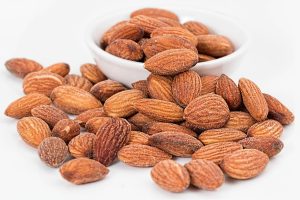
    · The Bento Box Brilliance: Get a container with compartments. Fill one with protein, one with complex carbs (like sweet potato or brown rice), one with veggies, and a small one with a healthy fat (like an avocado half or a handful of almonds). It’s visually appealing and nutritionally complete.

    Strategy #3: Snack Like a Pro Your snacks should be strategic energy boosts, not desperate grabs.

    · The Dynamic Duo: Always pair a protein with a complex carb or a healthy fat. This combo stabilizes blood sugar and keeps you full longer.
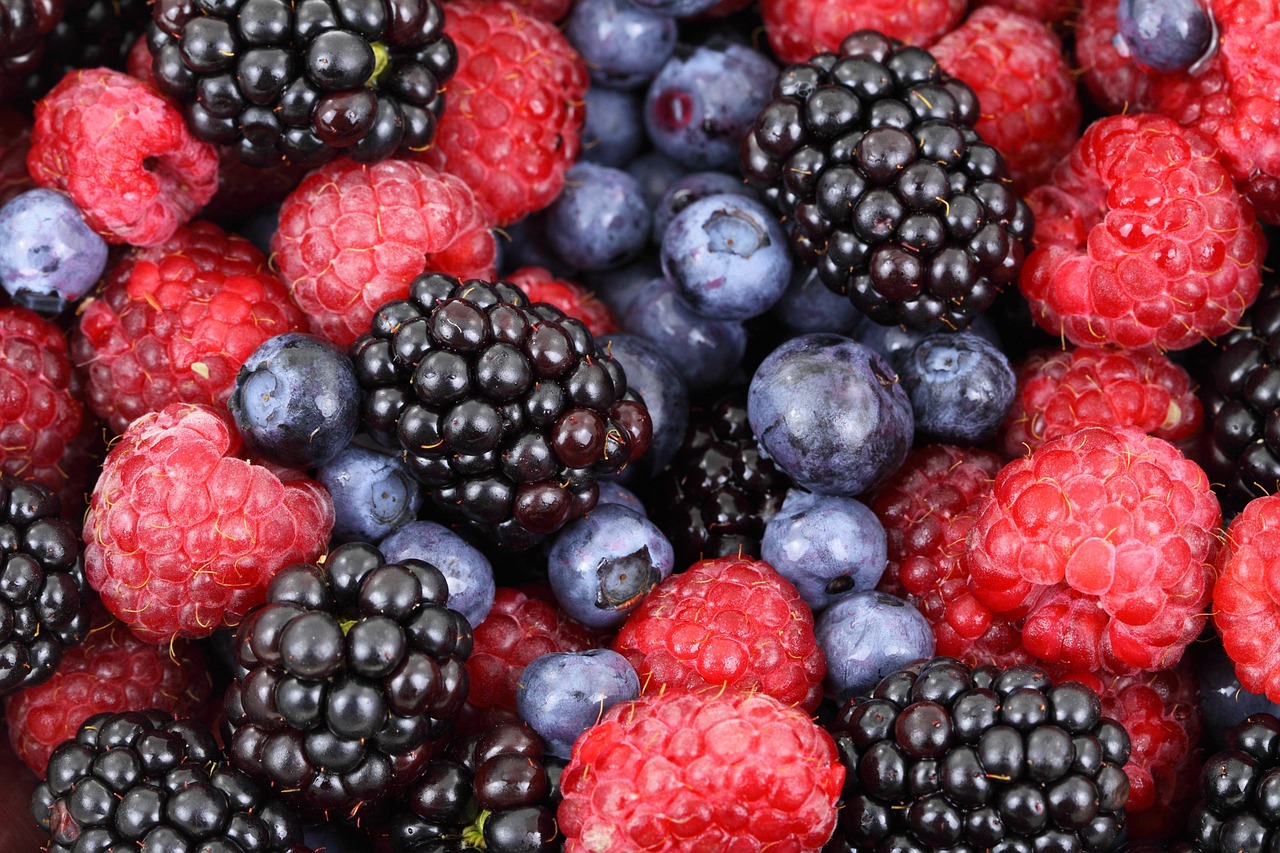
    · Examples: Apple slices with peanut butter, Greek yogurt with berries, a handful of almonds with a cheese stick, whole-grain crackers with hummus.

    Strategy #4: Hydrate or Diedrate We’re talking about water, not more coffee. Dehydration masquerades as hunger, fatigue, and headaches—all things you have enough of already. Get a large, marked water bottle and keep it with you. Aim to finish it by lunch and refill it for the afternoon. Your kidneys (and your skin) will thank you.

    Part 3: The Mindset Shift: You Can’t Pour from an Empty Cup

    This is the most important part. Prioritizing your nutrition isn’t selfish; it’s essential. You spend your days educating patients about their health. You are a walking, talking billboard for your own advice.

    When you fuel your body with the good stuff, you’re not just avoiding a crash. You are:

    · Sharpening your mind: For accurate assessments and quick thinking.
    · Boosting your mood: So you can handle that difficult patient with grace.
    · Sustaining your energy: To power through that second round of vitals.
    · Protecting your immune system: Because the hospital is a germ-filled jungle.

    So, the next time you’re tempted by the pastry in the breakroom, remember: you are a highly skilled professional, not a garbage disposal. You deserve food that is as awesome, resilient, and powerful as you are.

    Now go forth, eat well, and continue to be the amazing healthcare rockstar that you are. Just maybe don’t heat up fish in the microwave. Some battles aren’t worth fighting.

  • Fueling the Front Lines: A Nurse’s Guide to Not Eating Like a Gremlin

    Fueling the Front Lines: A Nurse’s Guide to Not Eating Like a Gremlin

    Let’s be real. The concept of a “lunch break” in nursing is often a beautiful, mythical creature, like a unicorn or a fully stocked supply closet at 3 a.m. Your “diet” can quickly devolve into a frantic scavenger hunt: a handful of crackers here, a sip of cold coffee there, and whatever mysterious leftovers someone left in the breakroom fridge.

    You are a superhero in scrubs, making critical decisions, offering comfort, and literally holding lives in your hands. But you can’t pour from an empty cup—or run on an empty stomach fueled solely by caffeine and adrenaline. So, let’s talk about how to eat like the champion you are, without needing a time-turner or a personal chef.

    Part 1: The Dietary Dangers of the Ward

    First, let’s diagnose the problem. What does the typical “Nurse Diet” look like?

    · The Vending Machine Volcano: This fiery beast offers a tempting array of sugar-laden bars and salty, crunchy things that promise immediate energy but deliver a catastrophic crash an hour later, right when you’re in the middle of a complicated procedure.
    · The Gift of Gratitude (a.k.a. The Carb Bomb): Well-meaning patients and families often bring in donuts, cookies, and cakes. While the sentiment is sweet, subsisting on baked goods is a one-way ticket to the 3 p.m. energy slump.
    · The “I’ll Just Grab a Bite” Illusion: This involves snatching a single cheese stick or a yogurt cup while charting, convincing yourself you’ve eaten. Your body, however, is not fooled. It knows it’s been cheated.
    · The Caffeine IV Drip: Coffee isn’t a food group. Yet, for many nurses, it’s the primary liquid intake, leading to a delicate dance between being alert and being jittery enough to start your own EKG.

    The result? Burnout, brain fog, irritability, and a compromised immune system that makes you more susceptible to every bug walking through the hospital doors.

    Part 2: The Macro-Magic of Sustainable Energy

    Forget fad diets. You need a simple, sustainable strategy. Think in terms of macros: Protein, Fat, and Fiber. This trio is your secret weapon for stable blood sugar and long-lasting energy.

    · Protein: Your Anchor. Protein keeps you full and satisfied. It prevents those desperate hunger pangs that make the vending machine call your name.
    · Nurse-Friendly Examples: Greek yogurt, hard-boiled eggs, pre-cooked chicken strips, cottage cheese, edamame, hummus, protein shakes (the quickest option of all!).
    · Healthy Fats: Your Brain’s Best Friend. Your brain is about 60% fat. It needs good fats to function, especially when you’re remembering a dozen patient details and medication schedules.
    · Nurse-Friendly Examples: A handful of nuts or seeds, an avocado with a sprinkle of salt, olives, or using a good olive oil in your prepped meals.
    · Fiber: The Slow Burn. Fiber, found in fruits, vegetables, and whole grains, slows down the absorption of sugar into your bloodstream, providing a steady stream of energy instead of a sudden spike and crash.
    · Nurse-Friendly Examples: An apple, carrot sticks, bell pepper strips, a container of berries, or a whole-grain wrap.

    The Golden Rule: Try to combine at least two of these three in every snack or meal. An apple (fiber) with a handful of almonds (fat/protein). Greek yogurt (protein) with berries (fiber). Carrot sticks (fiber) with hummus (protein/fat). This combo is your shield against the dietary chaos of your shift.

    Part 3: Practical, No-Nonsense Strategies for the Real World

    Okay, theory is great, but how does this work when you have 10 minutes and a to-do list longer than your arm?

    1. Embrace the Power of the Sunday Scramble. Dedicate one hour on your day off to prep. Hard-boil a dozen eggs. Chop a bunch of veggies. Cook a large container of quinoa or brown rice. Grill several chicken breasts. This isn’t about making Instagram-worthy meals; it’s about creating building blocks for the week.
    2. Invest in Good Gear. Get a quality insulated lunch bag and some reliable containers. A good thermos can keep soup hot for hours, a lifesaver on a cold night shift.
    3. Create “Grab-and-Go” Stations. Have a drawer in your fridge and a shelf in your pantry dedicated to ready-to-eat, healthy options. No thinking required.
    4. Hydrate Like It’s Your Job (Because It Is). Dehydration mimics hunger and causes fatigue. Keep a large water bottle at your station. Set a goal to finish it by a certain time and refill it. Add lemon, cucumber, or mint if plain water bores you.
    5. The 5-Minute Meal Formula. Your lunch doesn’t have to be a formal sit-down affair. It can be:
    · A “Snack Plate”: Cheese cubes, turkey slices, crackers, and grapes.
    · A “Leftover Mash-up”: Last night’s roasted veggies and chicken thrown into a container.
    · A “Shake & Go”: A quality protein powder shaken with water or milk. It’s not glamorous, but it’s efficient fuel.

    Part 4: Beyond the Food: Cultivating a Healthy Culture

    Finally, give yourself grace. Some days will be a triumph of nutrition. Other days, that donut will be your best friend, and that’s okay. This isn’t about perfection; it’s about progress.

    Support your colleagues. Create a “healthy potluck” where everyone brings a nutritious dish. Be the person who reminds others to drink water. Celebrate the small victories.

    You are on the front lines of healthcare, performing feats of strength and compassion daily. You deserve to be fueled by food that is just as powerful, reliable, and resilient as you are. So, put down the mystery breakroom food, and let’s start treating our own bodies with the same expert care we give to our patients.


  • Fueling the Front Lines: A Nurse’s Guide to Not Running on Fumes

    Fueling the Front Lines: A Nurse’s Guide to Not Running on Fumes

    Let’s be honest: the term “nurse’s diet” is less about kale smoothies and more about whatever can be inhaled in the three minutes between a code and a charting deadline. It’s a culinary adventure featuring the four major food groups: Caffeine, Caffeine, Things Found in the Vending Machine, and Regret.

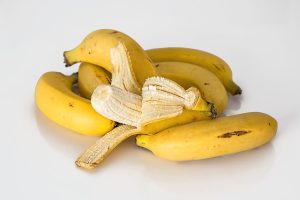
    We’ve all been there. Your stomach growls so loudly it almost sets off the bed alarm. You eye that lonely, forgotten banana on the break room counter, but then the call light symphony begins, and your dreams of a healthy snack are dashed. You become a creature of pure survival, and the 3 PM sugar crash becomes a predictable, yet unavoidable, occupational hazard.

    But what if we could change that? What if we could trade the “crash and burn” cycle for sustained energy? Think of it not as a diet, but as strategic fueling. You wouldn’t put cheap, watered-down gas in a high-performance vehicle, so why do it to your brilliant, life-saving self?

    Part 1: The Usual Suspects (And Why They Betray Us)

    1. The Liquid Lifeline: Coffee Ah, coffee. The dark, aromatic lifeblood of healthcare. We mainline it like it’s a prescribed IV bolus. The problem isn’t the coffee itself; it’s what we do to it. That “cup of coffee” can morph into a dessert-like concoction of sugary syrups, whipped cream, and enough milk to qualify as a small meal. This sugar-and-caffeine rollercoaster gives you a 20-minute buzz followed by a crushing fatigue that makes even filing paperwork feel herculean.

    The Fix: Try being a coffee purist. Or, if that sounds blasphemous, limit the sugary additives. A splash of milk or a sprinkle of cinnamon can work wonders. And for every cup of coffee, chug a cup of water. Dehydration loves to masquerade as exhaustion.

    2. The Vending Machine of Despair It’s 2 AM. You’re hungry. The vending machine’s neon glow is both a beacon of hope and a testament to poor life choices. Those chips and candy bars are designed for this exact moment of weakness. They are hyper-palatable, offering a quick hit of salt, sugar, and fat that your stressed brain craves.

    The Fix: Outsmart the machine. The best way to avoid a bad decision is to make a good one impossible to avoid. This brings us to…

    Part 2: The Master Plan for Strategic Fueling

    Meal Prepping: Your Secret Weapon We know, we know. You’re tired of hearing about meal prep. It sounds like something for people with far more time and far fewer bodily fluids to deal with. But hear us out. Meal prep for nurses doesn’t have to be Instagram-worthy. It’s about assembly, not artistry.

    · The “Component” Method: Instead of pre-making full meals, prep components. On your day off, cook a big batch of:
    · A Protein: Grilled chicken, hard-boiled eggs, chickpeas, or lentils.
    · A Complex Carb: Quinoa, brown rice, or roasted sweet potatoes.
    · Veggies: Chop bell peppers, cucumbers, and carrots, or buy pre-washed greens. Now, for your shift, you can grab a container and throw in a scoop of each. In 60 seconds, you have a balanced box of real food.

    Snack Like a Pro Ditch the concept of three large meals. Your body needs a steady stream of fuel. Pack a “snack arsenal” in your locker or bag.

    · The Power Players: Greek yogurt, a handful of almonds, an apple with peanut butter, string cheese, or a small tub of hummus with veggie sticks.
    · The No-Prep Heroes: Keep these in your locker for emergencies: single-serving packets of nuts, unsweetened applesauce pouches, whole-grain crackers, or a quality protein bar (check the sugar content!).

    Part 3: The Mindset Shift: From Guilt to Grace

    Some days, despite your best efforts, you will eat a leftover cookie from a grateful patient’s tray while standing over a sink. And that’s okay. The goal is progress, not perfection.

    · Hydrate or Diedrate: Water is crucial. It aids cognition, keeps headaches at bay, and helps you differentiate between true hunger and thirst. Get a large, marked water bottle and make it a game to finish it by the end of your shift.
    · Listen to Your Gut (Literally): Pay attention to how different foods make you feel. Does that giant burrito make you want to nap at the nurses’ station? Does a protein-rich salad keep you sharper for longer? Your body will give you the data if you listen.
    · The 80/20 Rule: Aim to make nourishing choices 80% of the time. The other 20% is for the birthday cake in the break room, the pizza your charge nurse ordered, and the chocolate you deserve after a particularly tough day.

    You are on the front lines, making critical decisions, offering comfort, and literally saving lives. You are a healthcare hero. Your body and brain are your most essential tools. By treating them with the same care and intention you show your patients, you’re not just investing in your own health—you’re ensuring you have the energy and clarity to continue being the amazing nurse you are.

    Now, go drink some water. You’ve earned it.

  • Fueling the Front Lines: A Nurse’s Guide to Not Eating Like a Gremlin

    Fueling the Front Lines: A Nurse’s Guide to Not Eating Like a Gremlin

    Let’s be real. The concept of a “lunch break” in nursing is often a beautiful, mythical creature, like a unicorn or a fully stocked supply closet at 3 a.m. Your “diet” can quickly devolve into whatever can be inhaled in under two minutes between a code brown and a call light. We’ve all been there: that third cup of coffee that constitutes a food group, the vending machine pastry that feels like a hug but acts like a betrayal, and the mysterious leftover pizza from the break room that may or may not be a biohazard.

    But here’s the hard truth: you can’t pour from an empty cup. And you certainly can’t start an IV, handle a family’s anxious questions, and be the calm in someone’s storm running on fumes and fruit snacks. Fueling your body isn’t a luxury; it’s a critical part of your professional toolkit. So, let’s talk about how to eat like the superhero you are, without needing a time-turner.

    Part 1: Know Thy Enemy (The Shift from Hell)

    First, understand what you’re up against. Your body on a 12-hour shift is like a hybrid car trying to run a NASCAR race.

    · The Energy Rollercoaster: Long hours and high stress play havoc with your blood sugar. That sugary muffin gives you a rapid spike, followed by an even more dramatic crash, right when Mr. Johnson in Room 204 decides he wants to redecorate his room with his Jell-O.
    · Dehydration, the Sneaky Saboteur: You’re running around, you’re in gloves, you’re thinking about a hundred things—drinking water is the first thing to go. Dehydration leads to fatigue, headaches, and poor concentration. Not ideal when you’re calculating dosages.
    · The Siren Call of Convenience: When you’re tired and hungry, your prefrontal cortex (the part responsible for good decisions) checks out. The path of least resistance—the chips, the candy, the fast food—becomes incredibly alluring.

    Part 2: Macronutrients Are Your New Best Friends

    Forget complicated diets. Think in simple terms: Protein, Fat, and Fiber. This trio is the holy trinity of sustained energy.

    · Protein: The Stabilizer. Protein digests slowly, keeping you full and steady. It prevents those energy crashes and helps with muscle repair after all that time on your feet.
    · Nurse-Friendly Picks: Greek yogurt, hard-boiled eggs, a handful of almonds, turkey or chicken slices, edamame, hummus, protein shakes.
    · Healthy Fats: The Long-Haul Fuel. Fats are a concentrated energy source that keeps you satiated for hours. They’re essential for brain health, and let’s be honest, your brain is your most important piece of equipment.
    · Nurse-Friendly Picks: Avocado, nuts and seeds, nut butters, olives, olive oil in a salad dressing.
    · Fiber: The Slow Burn. Found in fruits, vegetables, and whole grains, fiber slows down the digestion of carbohydrates, providing a slow and steady release of glucose into your bloodstream. No spikes, no crashes.
    · Nurse-Friendly Picks: An apple, carrot and celery sticks, berries, whole-grain crackers, overnight oats.

    Part 3: The “No-Time” Meal Prep Strategy

    This isn’t about spending your one day off creating Michelin-star meals. It’s about smart, tactical assembly.

    1. Embrace the “Component” Meal. Don’t think “lasagna.” Think: a container of cooked quinoa, a container of roasted chicken, and a container of chopped veggies. Mix and match throughout the week. It’s faster than takeout and a thousand times better for you.
    2. The Mighty Mason Jar Salad. Layer dressing at the bottom, then hardy veggies (like chickpeas, cucumbers, carrots), then your protein, then your greens on top. When you’re ready to eat, shake it up. The greens stay crisp, and you have a full meal in a jar.
    3. Batch-Cook and Freeze. Make a huge batch of soup, chili, or stew on your day off. Portion it out and freeze it. It’s a homemade “TV dinner” for those nights you’re too exhausted to even think.
    4. The Snack Stash: Your locker (or cargo pants pocket) should be a mini-nourishment station. Stock it with non-perishable, high-quality options:
    · Single-serve packets of nut butter
    · Trail mix (make your own to avoid the candy-filled kinds)
    · Protein bars (look for low sugar, high protein & fiber)
    · Whole fruit (apples, bananas, oranges)

    Part 4: Hydration Hacks

    Water is life. Literally.

    · Get a Marked Water Bottle: Get a 32oz or 1-liter bottle and put timed marks on it with tape or a marker. “9 AM,” “11 AM,” “1 PM.” It’s a visual goal and a reminder.
    · Infuse It: If plain water is boring, throw in some lemon slices, cucumber, mint, or frozen berries.
    · Herbal Tea is Your Friend: A warm, non-caffeinated herbal tea in the middle of a night shift can be incredibly soothing and hydrating.

    The Final, Unsolicited Advice

    You are the first line of defense, the calm in the chaos, the holder of hands and the keeper of charts. You deserve to be fueled by food that honors the incredible work you do. It’s not about being perfect; it’s about being proactive. So, the next time you’re tempted by the siren song of the breakroom donuts, remember: you are not a gremlin. You are a nurse. And you deserve better.

    Now go fuel up, and take on that shift. They need you at your best.

  • Nurse, Fuel Thyself!

    Nurse, Fuel Thyself!

    Let’s be honest. The term “nurse nutrition” often brings to mind three things: lukewarm coffee, a half-eaten granola bar found at the bottom of a fanny pack, and the mysterious, beige casserole a grateful patient’s family left at the nurses’ station. If your primary food groups are caffeine, sugar, and “whatever can be inhaled in under three minutes,” welcome to the club. You’re in good company, but your body is filing a formal complaint.

    We spend our days expertly advising patients on balanced diets, reading complex medical charts, and handling bodily fluids with the grace of a bomb disposal expert. Yet, when it comes to our own sustenance, our planning often has the strategic depth of a squirrel hiding a nut. It’s time for an intervention—on ourselves.

    The “Code Brown” of Eating Habits: Common Pitfalls

    1. The Caffeine IV Drip: Is your coffee not so much a beverage as a life-support system? You start with one cup to become human, another to survive morning report, and a third to power through the afternoon slump. This isn’t hydration; it’s a legally sanctioned stimulant protocol that often ends in a frantic sprint to the bathroom or a crushing headache at 3 PM.
    2. The Vending Machine Vortex: When your blood sugar plummets faster than a patient’s O2 sat, that bag of chips or king-sized chocolate bar isn’t just food; it’s a crisis response. The immediate sugar rush feels like a victory, but the subsequent crash an hour later leaves you more drained than before, creating a vicious cycle worthy of its own medical diagnosis.
    3. The “Feast or Famine” Phenomenon: Your eating schedule is dictated by the unit’s chaos, not your stomach’s rumble. You might go six hours without a bite, then consume a meal the size of a small Thanksgiving turkey during your 20-minute break. Your poor metabolism never knows what hit it.
    4. The “Nutritional Sacrifice”: You’re so busy caring for everyone else that you treat your own need for fuel as an inconvenience. Sound familiar? You can’t pour from an empty cup, and you can’t provide excellent care from a tank running on fumes and frustration.

    The Prescription for Palatable Fuel: A Nurse’s Guide to Eating Well

    Fear not! Reforming your diet doesn’t require a personal chef or a PhD in nutrition. It’s about smart, sustainable strategies.

    1. The Power of the “Energy Plate”

    Think of your lunch not as “food,” but as the fuel that will power your next four hours. Aim for a balanced plate that provides sustained energy:

    · Protein (The Stabilizer): Keeps you full and stabilizes blood sugar. Think grilled chicken, hard-boiled eggs, chickpeas, tuna, or tofu.
    · Complex Carbs (The Long-Haul Fuel): Provides a slow, steady release of energy. Think quinoa, brown rice, sweet potato, or whole-wheat pasta.
    · Healthy Fats & Veggies (The System Regulators): Fights inflammation and provides crucial micronutrients. Think avocado, nuts, seeds, and any color of the rainbow you can pack into a container.

    Example: A large salad with spinach, grilled chicken, quinoa, avocado, and a vinaigrette. It’s the anti-crash meal.

    2. Snack Smarter, Not Harder

    Banish the vending machine from your mind. Prepare “grab-and-go” snacks that combine protein and fiber.

    · Greek yogurt with a handful of berries
    · An apple with a tablespoon of peanut butter
    · A small handful of almonds and a cheese stick
    · Pre-made veggie sticks with hummus

    Stash these in your locker or break room fridge. They are your tactical equipment for defeating the afternoon slump.

    3. Hydrate or Deteriorate

    For every cup of coffee, chase it with a cup of water. Invest in a large, marked water bottle and keep it at your station. Seeing it will serve as a visual reminder. Proper hydration improves concentration, combats fatigue, and might even make you feel less like throttling the next person who asks for a warm blanket the minute you sit down. (We’ve all been there.)

    4. The “Meal Prep” Miracle

    Yes, it’s the buzzword of the decade, but for nurses, it’s a survival tactic. Dedicate one hour on your day off. Roast a tray of chicken and vegetables. Cook a large batch of brown rice or lentils. Hard-boil a dozen eggs. Portion everything into containers. This act of foresight is like giving a gift to your future, exhausted self. It’s the difference between a nutritious meal and a desperate, tearful encounter with a cold pizza slice at 11 PM.

    The Bottom Line

    Your health is not a sidebar to your nursing career; it is the foundation of it. You are a healthcare superhero, but even superheroes need the right fuel. You counsel patients on the profound impact of lifestyle choices; it’s time to take your own expert advice.

    So, the next time you’re tempted to run solely on adrenaline and caffeine, remember: a well-fed nurse is a sharp, compassionate, and resilient nurse. And frankly, the world needs more of those. Now, go eat something that doesn’t come out of a vending machine. Your patients—and your pancreas—will thank you.

  • Nurses’ Nutrition: Because You Can’t Run on Coffee and Adrenaline Forever

    Nurses’ Nutrition: Because You Can’t Run on Coffee and Adrenaline Forever

    Let’s be real. The hospital floor is a culinary wasteland. Your lunch is a mythical creature rumored to exist in a 30-minute window that is almost always slain by a sudden code, a confused patient, or a printer that has once again declared mutiny. Your sustenance often comes in the form of vending machine chips, a half-eaten granola bar from the depths of your locker, and enough caffeine to power a small European nation.

    We treat our cars better than this. You wouldn’t put sugar in the gas tank and wonder why the engine sputters. Yet, here we are, expecting our bodies and minds—the very instruments of healing—to perform miracles while running on fumes and free pizza from the drug rep.

    It’s time for a nutritional code blue.

    The “Hangry” Healer: A Unit-Wide Hazard

    We’ve all met her. Or been her. It’s 3 PM, the charting is piling up, and a certain nurse’s responses have become short, her glare potent enough to sterilize a wound. This isn’t a personality flaw; it’s a blood sugar crash. When you’re “hangry,” your patience, empathy, and critical thinking skills are the first to flee the scene. A study published in the Journal of the American Medical Association (or as we call it, “fancy common sense”) found that sleep-deprived and poorly nourished healthcare workers are more prone to errors.

    Think of it this way: forgetting to document a patient’s intake/output is one thing. Forgetting because you were fantasizing about the doughnuts in the breakroom is a system failure that started with your breakfast (or lack thereof). Your nutrition isn’t just a personal matter; it’s a cornerstone of patient safety. A well-fed nurse is a vigilant, compassionate, and sharper nurse.

    The Strategy: From Scavenger to Meal Prepper

    Conquering the 12-hour shift requires a battle plan, not a hope and a prayer. The key is to outsmart the chaos.

    1. The Meal Prep Miracle (It’s Not Just for Instagram) Yes, it sounds exhausting. But spending one or two hours on your day off is the golden ticket to a week of dignified eating.

    · Batch and Conquer: Cook a large portion of a versatile protein like grilled chicken, chickpeas, or quinoa. Roast a big tray of mixed vegetables—broccoli, bell peppers, sweet potatoes. Now, mix and match throughout the week.
    · The Jar Game: Salads get soggy? Not in a jar! Layer dressings at the bottom, followed by hardy veggies like cucumbers and carrots, then proteins and grains, with delicate greens on top. At mealtime, shake it up and you have a crisp, fresh salad.
    · Soup-er You: A hearty lentil soup, chili, or chicken stew is easy to make in bulk, freezes beautifully, and is a warm, comforting meal that actually fills you up.

    2. Snack-tical Operations Banish the vending machine demon with strategic snacking. Your goal is a combo of protein, healthy fat, and fiber to maintain energy.

    · The Gold Standard: Greek yogurt with berries, an apple with peanut butter, a handful of almonds and a cheese stick, or hummus with baby carrots.
    · The “I Forgot to Prep” Lifeline: Keep a non-perishable stash in your locker: single-serve nut butter packets, whole-grain crackers, tuna pouches, and low-sugar protein bars (read the labels—many are just candy bars in a boring wrapper).

    3. Hydration: Beyond the Coffee IV Drip Coffee is a tool, not a hydration strategy. Dehydration leads to fatigue, headaches, and brain fog.

    · The Two-Bottle Rule: Get a large, marked water bottle (32 oz or 1 Liter). Your goal is to finish one before lunch and one before the end of your shift.
    · Infuse It: If water is boring, infuse it with lemon, cucumber, mint, or frozen berries. Herbal tea is another great option for a warm, caffeine-free boost.
    · Pee Pale: It’s the one bodily fluid we’re all experts on. Let it be your guide.

    The Mindful Bite: Even When It’s 90 Seconds

    You finally have a moment to eat. Don’t inhale your food over the keyboard while charting. Seriously. Stop.

    Take just 90 seconds. Put your food on a napkin (classy!). Take a deep breath. Chew slowly. Actually taste it. This tiny act of mindfulness does two things: it improves digestion and it signals to your brain that it’s time for a micro-break, reducing stress and helping you return to your patients more centered.

    The Final Push

    You are the heart of healthcare. You advocate for your patients with fierce dedication. It’s time to extend that same advocacy to yourself. You wouldn’t let a patient go 12 hours without a proper meal or hydration. You are just as important.

    So, pack that lunch. Chug that water. And maybe, just maybe, let that third cup of coffee be a choice, not a cry for help. Your body—and your patients—will thank you for it.

    Now, go forth and eat like the lifesaver you are.

  • Fueling the Frontlines: A Nurse’s Guide to Not Eating Like a Gremlin

    Fueling the Frontlines: A Nurse’s Guide to Not Eating Like a Gremlin

    Let’s be real. The term “nurse’s diet” is often an oxymoron. It usually consists of whatever can be scavenged from the nutrition room in under 90 seconds, half a stale muffin left by a grateful family, and enough coffee to power a small European nation. Your “lunch break” might be a strategic series of bites taken while charting, hiding from patients, or—let’s be honest—in the bathroom stall for a moment of peace. We’ve all been there, inhaling a bag of chips like a vacuum cleaner because it was there.

    But here’s the hard truth: You are a healthcare professional, not a garbage disposal. The very machine that runs on this questionable fuel is you—your energy, your focus, your compassion, and your lower back. It’s time to stop feeding your body like it’s a gremlin after midnight and start fueling it like the high-performance, life-saving engine it is.

    Part 1: The “Why” – Beyond the Scrunchies and Snack Drawer

    Why does this matter so much? You already know the textbook answers, but let’s frame it in nurse-speak.

    1. Energy That Lasts Longer Than Your Shift: A sugar-loaded “crash and burn” diet from the vending machine gives you a 20-minute buzz followed by a three-hour slump where even finding a working pen feels like a Herculean task. Stable energy from balanced meals means you’re mentally sharp for that critical med calculation and physically able to handle a “all-hands-on-deck” situation in Room 4.
    2. Mood Stabilization (Or, How Not to Strangle the Intern): Hangry nurse is not a myth. It’s a palpable, dangerous force. When your blood sugar plummets, so does your patience. Proper nutrition helps keep your mood steady, making you a better colleague and a more empathetic caregiver. Your patients and the new intern will thank you.
    3. Immune System Armor: You work in a petri dish with good lighting. Every handshake, every stethoscope placement, is a potential encounter with the latest bug. Vitamins, minerals, and antioxidants from real food are your body’s personal protective equipment from the inside out.

    Part 2: The “How” – Strategy Over Willpower

    You’re busy. “Just meal prep, bro!” is advice from people who have never had three call lights go off while their microwave dinner is still spinning. So let’s talk practical, tactical nutrition.

    The Holy Grail: The Actually-Eaten Breakfast Skipping breakfast is like trying to drive a car on an empty tank and being surprised when it sputters to a halt. The goal is protein + fiber + healthy fat.

    · The 5-Minute Champion: A blender smoothie with Greek yogurt, a handful of spinach (you won’t taste it, promise), frozen berries, and a scoop of protein powder. Drink it on the drive in.
    · The Make-Ahead Marvel: Overnight oats. The night before, mix rolled oats with milk (or a milk alternative), chia seeds, and a dollop of peanut butter. In the morning, grab and go.
    · The Grab-and-Go: Hard-boiled eggs (pre-peel them for maximum efficiency) and an apple. No cooking required.

    Conquering the 12-Hour Shift: The Packed-Lunch Power Move Relying on the hospital cafeteria is a dangerous game of chance. Your best defense is a well-packed lunchbox.

    · The Formula for Success: Aim for Half Plate Non-Starchy Veggies, Quarter Plate Lean Protein, Quarter Plate Complex Carbs.
    · Protein: Grilled chicken strips, canned tuna/salmon, chickpeas, lentils, tofu, or a couple of hard-boiled eggs. This is your satiety anchor.
    · Complex Carbs: Quinoa, brown rice, sweet potato, or whole-wheat pasta. This is your slow-burning fuel.
    · Veggies: Cherry tomatoes, cucumber slices, baby carrots, bell pepper strips. Things that are crunchy and satisfying.
    · Pro-Tip: Use a container with compartments. It makes assembly easy and prevents a “sad beige pile of food” situation. Cook a big batch of your base (e.g., quinoa and roasted chicken) on your day off and mix-and-match throughout the week.

    Snacking: Your Secret Weapon Strategic snacking prevents the ravenous hunger that leads to poor choices.

    · The Snack Drawer Upgrade: Replace the candy and chips with:
    · A mix of nuts and seeds (almonds, walnuts, pumpkin seeds).
    · Single-serving packets of nut butter.
    · High-protein Greek yogurt.
    · Whole fruit (bananas, oranges, apples—nature’s perfect portable snack).
    · Beef jerky (look for low-sodium options).
    · Hydration vs. Caffeination: Yes, coffee is life. But so is water. Dehydration mimics hunger and causes fatigue. Keep a large, marked water bottle at your station. Aim to finish one before lunch and another before the end of your shift. Herbal tea in the afternoon can be a nice, calming alternative to yet another cup of jet fuel.

    Part 3: The Mindset – Compassion Starts With You

    Finally, and this is crucial, give yourself grace. There will be days when the only thing you have time for is that stale muffin. And that’s okay. The goal is progress, not perfection.

    Think of your own nutritional health with the same compassion you show your patients. You wouldn’t tell a patient recovering from surgery to just “power through” on candy and caffeine. You’d give them a careful, supportive plan. You deserve the same thoughtful care.

    So, the next time you’re gearing up for a shift, remember: you’re not just packing a lunch. You’re packing focus, stamina, and a shield against the chaos. You are the most important patient you have. Now, go fuel up.

  • The Starving Carer: A Nurse’s Guide to Not Eating Like a Garbage Disposal

    The Starving Carer: A Nurse’s Guide to Not Eating Like a Garbage Disposal

    Let’s be real. The term “nurse’s lunch” is less of a meal and more of a cryptic survival ritual. It’s the half a granola bar you inhaled while hiding in the med room, the three sips of lukewarm coffee that now resemble a bizarre science experiment, and the mysterious, crumpled snack from the bottom of your bag that may or may not be older than your youngest patient.

    We are healthcare professionals, masters of anatomy, pharmacology, and patient education. We can explain the complexities of a keto diet to a diabetic patient while simultaneously calculating a drip rate. Yet, when it comes to our own nutrition, we often adopt the dietary habits of a frantic squirrel preparing for a nuclear winter.

    It’s time for an intervention. For ourselves.

    Why Your Body is Not a Battlefield

    Think of your shift as a 12-hour marathon interspersed with sprints, heavy lifting, and intense mental chess. Your body is your most critical piece of medical equipment. You wouldn’t run a vital signs monitor on fumes, so why do it to yourself?

    The Energy Equation: A body running on caffeine and cortisol is a body in a constant state of panic. This leads to the dreaded 3 PM crash, where the only thing that seems appealing is mainlining sugar from the nearest vending machine. This creates a vicious cycle: sugar spike, energy crash, repeat. You end up feeling like a zombie with stethoscope.

    Brain Fog is Real: Your brain runs exclusively on glucose. But not the kind from a candy bar. Complex carbohydrates, healthy fats, and proteins provide a slow, steady release of fuel, keeping your cognitive functions sharp. Need to remember if you gave that 2 PM Lasix? You need a well-fed brain, not one that’s screaming for a donut.

    Mood & Patience: Hangry is not a personality trait; it’s a blood sugar level. When you’re running on empty, your patience wears thin. That patient who keeps pressing the call light for the tenth time? A well-nourished you will handle it with grace. A hangry you might just consider hiding the call bell.

    The Art of the “Eat-It-Anywhere” Meal

    The dream of a peaceful, 30-minute lunch is, for most nurses, a fantasy. Therefore, we must strategize. Your goal is to create meals that are: 1) Portable, 2) Non-perishable (or kept in a reliable fridge), 3) Eaten with minimal utensils (or better yet, none), and 4) Actually satisfying.

    Forget the sad, wilted salad. Think like a tactical nutritionist.

    · The Power of the Mason Jar: Layer a Greek yogurt parfait with oats, berries, and a drizzle of honey. It’s a spoon-only operation that provides protein, fiber, and carbs.
    · The “Adult Lunchable”: Hard-boiled eggs, cheese cubes, whole-wheat crackers, baby carrots, and a handful of nuts. It’s finger food at its finest, offering a perfect balance of macros.
    · The Wrap of Champions: A whole-wheat tortilla stuffed with hummus, sliced turkey, spinach, and roasted veggies. It’s a complete meal you can hold in one hand while charting with the other.
    · The Stealthy Smoothie: Blend spinach, a banana, protein powder, peanut butter, and milk/overnight. Pour it into a sealed bottle. It’s a meal you can sip during a rare 5-minute breather.

    Snack Attack: From Vending Machine Villain to Pantry Hero

    Snacking is inevitable. The key is to make it work for you, not against you.

    · The Vending Machine of Doom: Resists the siren song of the chips and candy. They are traitors, offering momentary joy followed by certain energy collapse.
    · Your Locker of Victory: Stock it with the good stuff.
    · Trail Mix: Make your own to avoid the candy-filled versions.
    · Protein/Granola Bars: Read the labels! Many are just candy bars in disguise. Aim for high protein (>10g) and low added sugar.
    · Fruit with Nut Butter: An apple and a single-serving packet of almond butter is a perfect, satisfying combo.
    · Edamame: High in protein and fiber, and fun to eat.

    Hydration: It’s Not Just About the Coffee

    We get it. Coffee is the lifeblood of the nursing profession. But it’s also a diuretic. Chugging coffee all day without water is like trying to put out a fire with gasoline.

    Invest in a large, marked water bottle. Keep it at your station. Your mission: finish it by the end of your shift. Dehydration mimics fatigue and hunger, leading you to eat when you’re actually just thirsty. Your skin, your kidneys, and your energy levels will thank you.

    The Final Chart Note

    Taking care of yourself is not selfish; it’s a professional necessity. You are the frontline. You are the calm in the storm for your patients. You can’t pour from an empty cup—or in this case, run a code on an empty stomach.

    So, the next time you’re packing your bag for a shift, give your lunch the same strategic thought you give to your patient care plan. Your future, well-fueled, non-hangry self will high-five you for it.

    Now, go forth and eat like the amazing, life-saving professional you are. Just maybe not over the keyboard.

  • Eat Well, Nurse Well: A Survival Guide

    Eat Well, Nurse Well: A Survival Guide

    Let’s be real: the concept of a “lunch break” in nursing is often a beautiful, mythical creature, like a unicorn or a fully stocked supply closet. Most days, your sustenance strategy involves whatever can be scavenged from the vending machine, inhaled in under three minutes, or consumed directly from a Tupperware container with one hand while charting with the other.

    We spend our days meticulously planning patient care, but our own nutrition often gets relegated to the bottom of the list, right below “restock linens” and “figure out that beeping sound.” But here’s the hard truth: you cannot pour from an empty cup. And you certainly can’t run a code on a diet of cold coffee and regret.

    So, let’s talk about how to fuel the incredible machine that is you.

    Part 1: The Dietary Danger Zone (A.K.A. The Nurse’s Stations)

    We’re all familiar with these nutritional pitfalls:

    · The Sugar Siren’s Call: That 3 PM energy crash is real. The donuts in the break room sing a sweet, seductive song. But giving in is like putting a band-aid on a hemorrhage. The quick sugar high leads to a crashing low, leaving you more drained and irritable than before.
    · The Salty Saboteur: Chips, pretzels, and fast food are convenient, but they’re loaded with sodium. After a 12-hour shift of that, you’ll feel like a human water balloon—bloated, puffy, and wondering if your shoes have shrunk.
    · Liquid Lunacies: If your fluid intake consists of 95% caffeinated beverages, you’re not hydrating; you’re just conducting a science experiment on your adrenal glands. Dehydration masquerades as hunger, fatigue, and a headache, making a tough shift feel endless.

    Part 2: Becoming a Macronutrient Master

    Think of your body as the most high-tech piece of equipment on the floor. It needs the right fuel.

    · Protein: Your Shift’s BFF: Protein is the steady, reliable friend who has your back all night long. It provides sustained energy, keeps you full, and helps repair those muscles you’ve been using to turn patients and sprint to rooms. Think: Greek yogurt, hard-boiled eggs, grilled chicken strips, chickpeas, or a handful of almonds.
    · Complex Carbs: The Endurance Engines: Unlike their simple, treacherous cousins (looking at you, donut), complex carbs release energy slowly. They are the long-distance runners of nutrition, giving you the stamina to power through. Think: Oatmeal, whole-wheat bread, quinoa, sweet potatoes, and berries.
    · Healthy Fats: The Brain Boosters: Your brain is about 60% fat, and it needs good quality stuff to function. After making a hundred critical decisions before noon, feed your brain the good stuff. Think: Avocado, nuts, seeds, and olive oil.

    Part 3: Tactical Tips for the Time-Poor Healer

    Forget gourmet; we’re going for functional and fast.

    1. The Meal Prep Miracle: Yes, it’s a cliché for a reason. Dedicate one hour on your day off. Roast a tray of chicken and vegetables. Cook a big batch of quinoa or brown rice. Portion them into containers. This simple act is like giving a gift to your future, exhausted self.
    2. The “Grab-and-Go” Arsenal: Keep your locker, car, or bag stocked with non-perishable lifesavers:
    · Single-serve nut butter packets
    · Trail mix (make your own to avoid the candy-filled ones!)
    · Protein bars (check the sugar content!)
    · Whole fruit (apples, bananas, oranges)
    3. Hydration Hacks: Get a large, marked water bottle. Your goal is to finish one by lunch and another by the end of your shift. Add cucumber, lemon, or mint if plain water feels boring. Herbal tea in the afternoon can be a soothing, caffeine-free alternative.
    4. The Strategic Snack Attack: Plan for two small snacks during your shift. A mid-morning snack (e.g., an apple with peanut butter) prevents the pre-lunch crash. A mid-afternoon snack (e.g., yogurt and berries) powers you through to the finish line.

    The Bottom Line

    Nursing is a marathon, not a sprint. You are a healthcare superhero, but even superheroes need to refuel. Prioritizing your nutrition isn’t selfish; it’s essential. It’s what gives you the clarity to assess, the strength to assist, and the patience to explain for the tenth time why NPO means nothing by mouth.

    So, the next time you’re tempted to skip a meal or survive on coffee alone, remember: the most important patient you’ll care for all day is yourself. Now, go eat something that doesn’t come out of a vending machine. You’ve earned it.

  • Nurse Nutrition: Fueling Heroes, One Bite at a Time

    Nurse Nutrition: Fueling Heroes, One Bite at a Time

    Let’s be real. The phrase “nurse’s lunch break” is often the healthcare world’s greatest oxymoron, right up there with “hospital parking” and “quiet night shift.” It’s that mythical, five-minute window of time we schedule between a code brown and a demanding family member, usually spent inhaling a granola bar that has somehow fused with the lint at the bottom of our scrubs pocket.

    We are masters of advising patients on their diets. “Mr. Johnson, you really need to watch your sodium.” “Mrs. Smith, let’s talk about heart-healthy fats.” We dispense this wisdom with a smile, all while our own stomachs are orchestrating a symphony of gurgles, powered by our third cup of lukewarm, questionable coffee.

    But here’s the hard truth we all need to swallow (preferably with a glass of water, not more coffee): you cannot pour from an empty cup. And you certainly cannot run a marathon of 12-hour shifts on fumes and stress. Your body is your most critical piece of medical equipment. It’s time we started treating it with the same respect we give our stethoscopes.

    The Vicious Cycle of “Nurse-trition”

    We all know the drill. You’re slammed, you’re tired, and the vending machine in the lobby starts calling your name with its siren song of salt, sugar, and trans fats. That bag of chips and a soda provide a lightning-fast hit of energy and comfort. But what goes up must come down, and that sugar crash at 3 a.m. is a special kind of hell, making it harder to concentrate on med calculations or comforting a anxious patient.

    This is the “Nurse-trition” cycle: poor food choices lead to energy crashes, which lead to cravings for more poor food choices, which leads to feeling sluggish, irritable, and more susceptible to burnout and, let’s be honest, every bug doing the rounds on the unit. It’s a clinical pathway to feeling terrible.

    So, What’s the Prescription? A Dose of Realistic Nutrition.

    Fear not! This isn’t about becoming a kale-munching, quinoa-flaking health guru who meal-preps for six hours every Sunday. This is about strategy. Think of it as building your nutritional code cart.

    1. The Power of the Protein-Packed Punch

    Protein is your best friend. It’s the steady, reliable co-worker who never panics during a rush. It provides sustained energy, keeps you feeling full, and helps stabilize your blood sugar. Forget the sad, dry chicken breast. Think bigger and more portable:

    · Hard-boiled eggs: Nature’s perfect, pre-packaged protein.
    · Greek yogurt or Skyr: Pack a powerful protein punch. Add some berries and nuts for extra fuel.
    · Cottage cheese: Mix in some pineapple or peaches.
    · Hummus and veggie sticks: A crunchy, satisfying combo.
    · Turkey or tuna roll-ups: Skip the bread and just roll your protein in a lettuce leaf or tortilla.

    2. Befriend the Fiber-Full Carbs

    Not all carbs are the enemy! We need complex carbohydrates for brain power. The key is to pair them with protein or healthy fats to slow down digestion.

    · Oatmeal: Make it overnight in a jar for a grab-and-go breakfast.
    · Whole-grain crackers or rice cakes: Perfect vehicles for all that protein and healthy fat.
    · Sweet potato: Can be microwaved and topped with almost anything.
    · Legumes: Lentils, chickpeas, and beans are fantastic in salads or soups.

    3. Hydration: Your Internal IV Bag

    Coffee is not hydration. In fact, it’s a diuretic. If your urine looks like apple juice, we have a problem. Dehydration leads to fatigue, headaches, and poor concentration.

    · Get a great water bottle: One you love, with time markers on the side. Make it a game to hit your marks by certain times of your shift.
    · Infuse it: Toss in some lemon, cucumber, mint, or berries to make it more appealing.
    · Herbal tea: A calming option, especially on a stressful day.

    The “Shift-Proof” Snack Stash

    Your locker, your bag, your secret drawer—these are your nutritional armories. Stock them with non-perishable, sanity-saving options:

    · Mixed nuts and seeds (unsalted is best, but we’re realists)
    · Nut butter packets (almond, peanut)
    · Protein or granola bars (check the sugar content!)
    · Dried fruit (in moderation)
    · Whole fruit like apples, bananas, or oranges

    The Mindful Munch: A Novel Concept

    We’ve all eaten an entire meal without tasting a single bite because we were charting. Try, just for one break, to actually eat. Step away from the screen. Take a deep breath. Chew your food. This isn’t just woo-woo nonsense; it aids digestion and helps your brain register that you’ve actually eaten, making you less likely to crave more junk later.

    Final Diagnosis

    Your health is not a luxury; it’s a necessity. By fueling your body with intention, you’re not just doing yourself a favor—you’re ensuring you have the energy, clarity, and resilience to be the incredible nurse you are. You are a healthcare hero. It’s time to start feeding like one.

    Now, go forth and conquer your shift. And maybe swap that fourth coffee for a big glass of water. Your patients (and your nervous system) will thank you.