Let’s be honest. The term “hospital food” rarely conjures images of gourmet, nutrient-dense feasts. For nurses, this isn’t just an observation; it’s a daily battlefield. Your “lunch break” is a mythical concept that often involves inhaling something—anything—between a code blue and a family meeting. Your diet can sometimes feel like a choose-your-own-adventure book where every choice leads to a sugar crash.
But what if we could hack the system? This isn’t about achieving a picture-perfect, kale-and-quinoa existence. This is about survival. This is about fueling the incredible machine that is you so you can think clearly, move quickly, and keep your sanity through a 12-hour shift.
Part 1: The Dietary Danger Zone (AKA The Hospital Floor)
First, let’s diagnose the problem. We are all familiar with the siren song of the hospital ecosystem.
· The Vending Machine of Despair: That glowing beacon of hope at 3 AM. It offers a stark choice: the salty, crunchy despair of processed chips or the fleeting, sugary lie of a candy bar. Both promise energy; both deliver a nap.
· The Gift of Baked Goods: A patient’s family brings in a box of thank-you pastries. It’s a beautiful, delicious, butter-laden trap. That muffin top isn’t just a muffin top; it’s a direct deposit into your energy-savings account with a tragically low interest rate.
· The “I Forgot to Pack Lunch” Cafeteria Scramble: This leads to the “Mystery Meat Monday” special or a “garden salad” that looks as sad and wilted as you feel.
The result? A cycle of caffeine highs and sugar lows that would make even the most stable ECG look erratic. You’re running on fumes, and your body—and your patients—can tell.
Part 2: Macronutrients: Your New Best Friends
Think of your body as a high-performance vehicle. You wouldn’t put cheap, watered-down fuel in a race car, so why do it to yourself? Let’s break down the fuel you need.
1. Protein: The Long-Haul Hero Protein is your best friend. It provides sustained energy, keeps you full, and helps repair those muscles you’re using to turn patients and haul equipment.
· Pro-Tips: Grill a bunch of chicken breasts, hard-boil a dozen eggs, or batch-cook some lentils on your day off. Pre-slice some cheese or grab single-serve Greek yogurts. These are your “grab-and-go” guardians against hunger.
· Humorous Reality Check: A hard-boiled egg eaten hastily in the breakroom is a more powerful status symbol than the fanciest designer stethoscope. It says, “I have my life together.” Even if you don’t.
2. Fats: The Brainy Backup Your brain is about 60% fat. After dealing with the tenth “urgent” call for a extra pillow, you need that brain in top shape. Healthy fats support cognitive function and, like protein, keep you satiated.
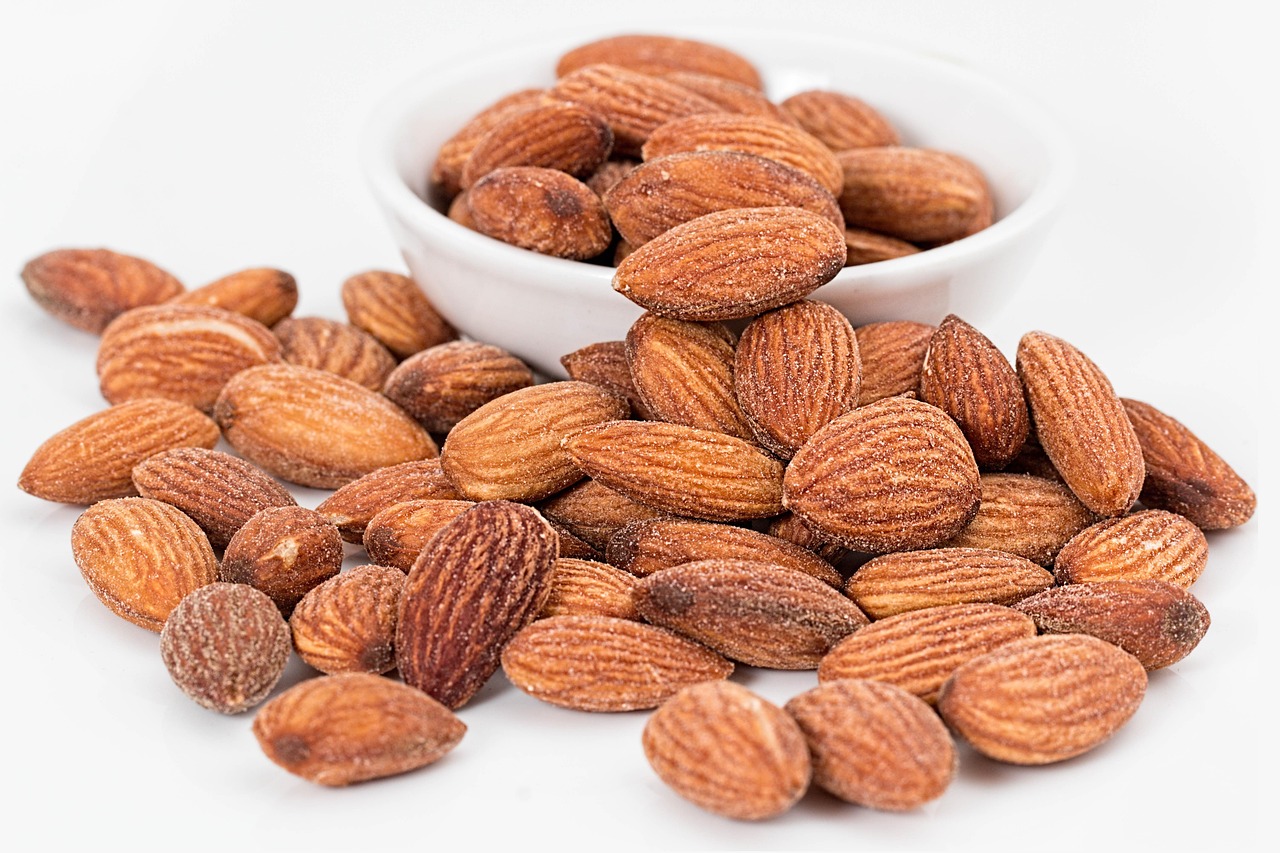
· Pro-Tips: A handful of almonds or walnuts, single-serve packets of almond butter, or adding avocado to your salad. These are brain food.
· Humorous Reality Check: That avocado might turn brown by the time you get to eat it, but its healthy fats will ensure you remember why you brought it in the first place.
3. Complex Carbs: The Sprinters, Not the Slouches Not all carbs are the enemy! The simple carbs (donuts, white bread) give you a quick spike and a nasty crash. Complex carbs provide a steady release of energy.
· Pro-Tips: Oatmeal for breakfast, whole-wheat crackers, quinoa in your salad, or sweet potato cubes. They are the reliable, steady heartbeat of your diet.
· Humorous Reality Check: Choosing complex carbs is like having a reliable charge nurse who has everything under control, while simple carbs are the chaotic new grad who means well but creates more work for everyone.
Part 3: Hydration Station: It’s Not Just About Coffee
We know. Coffee isn’t just a drink; it’s an IV drip for your soul. But caffeine is a diuretic, and dehydration masquerades as hunger, fatigue, and a foul mood.
· The Strategy: For every cup of coffee, chug a cup of water. Get a large, motivational water bottle with time markers. Leave it at the nurses’ station as a reminder.
· Humorous Reality Check: Your bladder might protest the increased hydration, but view those bathroom breaks as mandated “sprint workouts.” You’re not just peeing; you’re optimizing renal function and getting your steps in.
Part 4: The “Meal Prep Messiah” Strategy (It’s Easier Than It Sounds)
The word “meal prep” can sound intimidating, but for a nurse, it’s not about creating Instagram-worthy bento boxes. It’s about strategic assembly.
The “Component Method”: Don’t make full meals. Make components. On your day off, prepare:
· A Grain: A big container of quinoa or brown rice.
· A Protein: A container of grilled chicken, chickpeas, or hard-boiled eggs.
· Veggies: Chop bell peppers, cucumbers, and carrots. Buy pre-washed salad greens.
In the morning, throw one of each component into a container. Add a dash of dressing or seasoning. Boom. You have a salad that doesn’t hate you. This takes less than 5 minutes and is your ticket to dietary freedom.
Conclusion: You Can’t Pour from an Empty Cup
Nursing is a profession built on compassion for others. But that compassion must extend to yourself. Making small, consistent choices to fuel your body properly isn’t an act of vanity; it’s an act of professional integrity and personal survival.
You are on the front lines, making critical decisions, offering a calming hand, and being a pillar of strength. You deserve better than the Vending Machine of Despair. So, pack that extra apple. Chug that water. Be the nurse in the breakroom with the suspiciously healthy-looking lunch. Your patients—and your future, less-crash-prone self—will thank you for it.
Now, go conquer your shift. And maybe hide that last donut. You don’t need it. You’ve got this.
Leave a Reply