
Let’s be honest: the term “nurse’s diet” probably conjures up images of lukewarm coffee, a granola bar inhaled in three bites between a code blue and an angry family member, and the mysterious, beige casserole left in the breakroom by a grateful patient’s grandma. It’s a culinary adventure, but not exactly a Michelin-starred one.
We, the ones who expertly advise patients on low-sodium diets and diabetic meal plans, often become the worst offenders when it comes to our own nutrition. It’s a classic case of the cobbler’s children having no shoes, except the shoes are a balanced meal, and we’re running a marathon in fluffy socks.
So, why is it so hard for us to eat well? And more importantly, how can we fix it without adding another “to-do” to our already Herculean list?
The “No Time” Tango and the Vending Machine Villain
The biggest nemesis of nurse nutrition is Time, or the lack thereof. A 12-hour shift is a masterclass in chaos management. Your stomach rumbles at 11:03 AM, but that’s precisely when Mr. Johnson in Room 204 decides to take an unaccompanied stroll to the bathroom, and you’re the lucky chaperone. By the time things settle, it’s 1:30 PM, your blood sugar has plummeted to subterranean levels, and the siren song of the vending machine—that glorious purveyor of salt, sugar, and immediate gratification—is impossible to ignore.
This “feast-or-famine” cycle is a metabolic rollercoaster. It leads to energy crashes, irritability (sorry, not sorry, new interns), and poor concentration. When you’re running on empty, that bag of chips isn’t just food; it’s a highly efficient, if not terribly nutritious, fuel pellet.
The Strategy: Outsmart the Chaos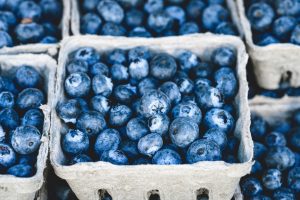
The key is to treat your shift like a tactical mission. Spontaneity is the enemy.
1. The Power of Prep (Without the Pinterest Pressure): You don’t need to spend your one day off creating Instagram-worthy bento boxes. “Meal prep” can simply mean:
· Hard-boiling a dozen eggs.
· Chopping a few veggies and putting them in a container.
· Making a large batch of quinoa or lentils.
· Buying pre-cooked grilled chicken or canned tuna. Assemble these components the night before or morning of your shift. The goal is “grab-and-go,” not “gourmet.”
2. Embrace the Snack Attack: Three square meals are a fantasy in a hospital. Plan for 2-3 substantial snacks and one main meal. This keeps your energy stable. Good options include:
· The Protein Punch: Greek yogurt, a handful of almonds, a protein shake, or those hard-boiled eggs.
· The Fiber Friend: An apple with peanut butter, carrot sticks with hummus, or a small container of berries.
· The Complex Carb: A whole-wheat wrap, a small sweet potato, or whole-grain crackers.
3. Hydration Station (It’s Not Just Coffee): We know coffee is the lifeblood of the healthcare system. But it’s also a diuretic. Dehydration masquerades as hunger, fatigue, and a headache. Keep a large, colorful water bottle at your station. Set a goal to finish it by a certain time (e.g., “I’ll finish this by my first round of meds”). Herbal tea or water with a splash of fruit juice can be a great alternative.
The Night Shift Nibbles: A League of Its Own
Working nights is like being a nutritional vampire. Your body’s internal clock is screaming for sleep, but you’re eating “lunch” at 3 AM. This messes with your circadian rhythm and can lead to weight gain and digestive issues.
· The “Main Meal” should be before your shift, around 5-6 PM. Think a balanced dinner with protein, veggies, and complex carbs.
· During the shift, focus on light, protein-rich snacks that are easy to digest. Avoid heavy, greasy, or super sugary foods that will make you crash. A turkey sandwich on whole wheat is far better than a slice of leftover pizza.
· “Breakfast” after your shift should be small and sleep-promoting. A small bowl of oatmeal, a banana, or a glass of milk. Don’t go to bed on a full stomach.
The Secret Ingredient: Self-Compassion
Some days, the vending machine will win. Some days, you’ll be too exhausted to chew a kale leaf, let alone prepare one. And that’s okay. The goal is progress, not perfection. Forgive yourself for the less-than-ideal choices and get back on track with your next meal.
Remember, you are a healthcare superhero. You can’t pour from an empty cup—or run a code on an empty stomach. Fueling your body with intention isn’t just an act of self-care; it’s a professional necessity. It’s what gives you the energy to be the brilliant, compassionate, and slightly-caffeinated rockstar your patients rely on. Now, go forth and conquer your shift—and maybe pack an extra granola bar, just in case.
Leave a Reply