Let’s be real. The hospital floor is a battlefield. The monitors beep like a swarm of angry mechanical crickets, the call lights are a relentless choir of need, and your bladder has officially filed a grievance for neglect. In this high-stakes environment, the most critical patient is often… you. And your primary diagnosis? A severe case of “Hanger” (hunger + anger), exacerbated by a diet consisting of lukewarm coffee, stale crackers, and the existential dread of the 3 a.m. vending machine.
A well-fed nurse is a sharp, compassionate, and resilient force of nature. A hangry nurse is one dropped pen away from a meltdown. So, let’s scrub in and perform some nutritional intervention on ourselves.
Part 1: The “What-Not-To-Do” Diet: A Tale of Two Shifts
The Sugar Rollercoaster Shift: Your shift starts at 7 a.m. You hit snooze three times, so breakfast is a fantasy. By 10 a.m., your stomach is auditioning for a role in The Walking Dead. You grab a donut from the break room. Ah, sweet, sweet salvation! For about 45 minutes, you’re the picture of efficiency—charting like a novelist, med-passing like a blackjack dealer.
Then, the crash hits. The sugar high abandons you like a faulty IV pump. You’re left foggy, irritable, and craving another hit. Enter the mid-shift soda and a bag of chips. This cycle of peaks and troughs continues, leaving you more drained than a patient’s ascites. You end the shift feeling like you’ve been run over by the very supply cart you’ve been pushing all day.
The “I Barely Ate” Shift: You’re “too busy to eat.” You survive on caffeine and the sheer power of your will. You feel virtuous, even righteous! But by your 10th hour, your critical thinking has left the building. You stare at the MAR, wondering if “Lisinopril” is a new planet. Simple tasks feel Herculean. You snap at a lovely, well-meaning patient who just asked for an extra blanket. This isn’t dedication; it’s self-sabotage in comfortable clogs.
Part 2: Macros to the Rescue: Fueling for the Frontlines
Think of your body as the most high-maintenance patient on your floor. It needs a careful balance of macronutrients to function.
· Protein: The Steady Drip. Protein is your workhorse. It provides sustained energy, keeps you full, and helps repair muscle tissue after a 12-hour marathon of lifting, turning, and walking. Think of it as a slow-drip IV of satiety.
· Sources: Greek yogurt, hard-boiled eggs, grilled chicken strips, cottage cheese, nuts, edamame, chickpeas.
· Complex Carbs: The Steady Rhythm, Not the Code. Carbs are not the enemy! They are your brain’s primary fuel. The key is to choose complex carbs that release energy slowly, like a well-controlled sinus rhythm, not the chaotic fibrillation of simple sugars.
· Sources: Oatmeal, whole-grain bread, quinoa, sweet potatoes, brown rice, beans, fruits like apples and berries.
· Healthy Fats: The Brain Lubricant. Your brain is about 60% fat. It needs good fats to fire on all cylinders, helping with memory, focus, and that lightning-fast assessment skill you’re so proud of.
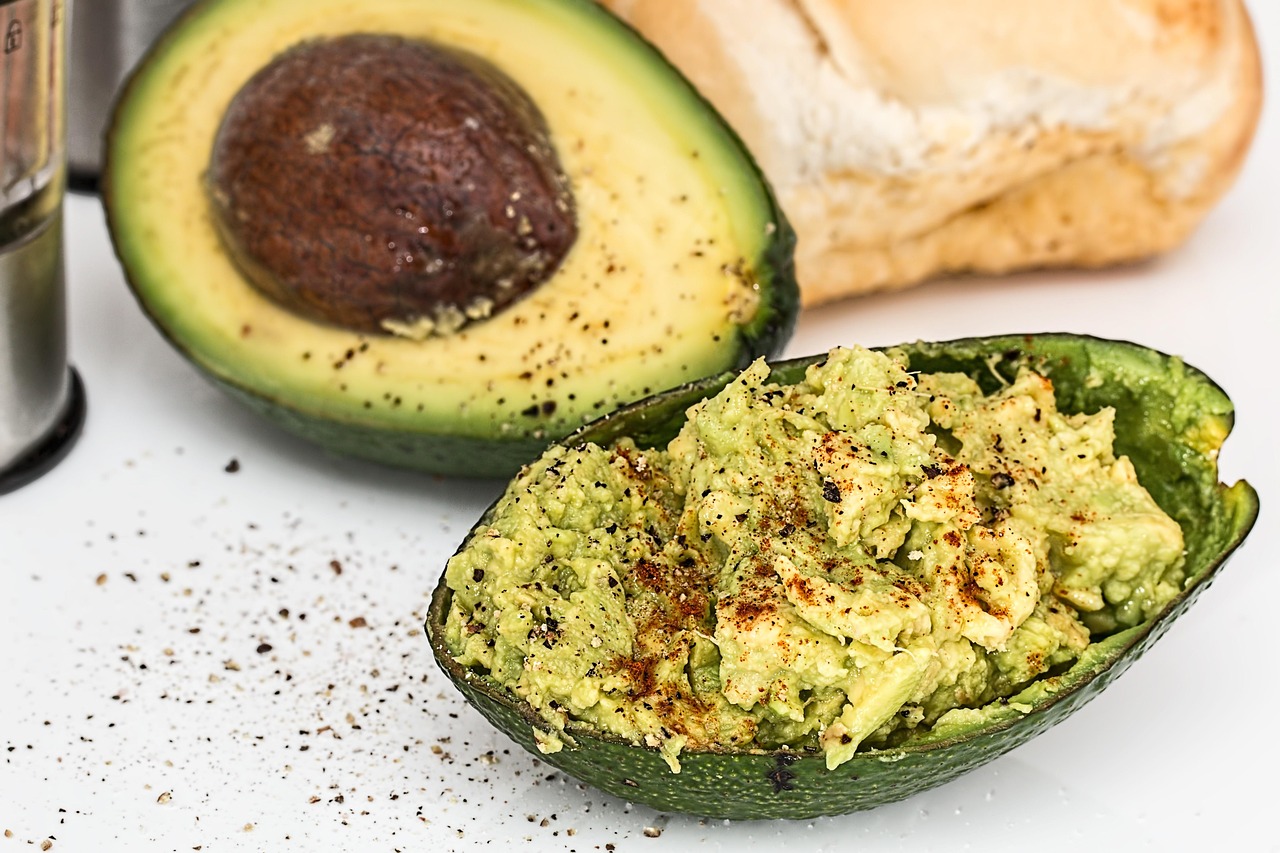
· Sources: Avocado, nuts (especially walnuts), seeds, olive oil, fatty fish like salmon.
· Fiber: The Regulator. Let’s talk about the elephant in the room… or rather, the lack of one. Irregularity is a common complaint in a job where bathroom breaks are a luxury. Fiber is your best friend here, keeping everything moving smoothly.
· Sources: Vegetables (the more, the merrier!), whole grains, fruits with skin, legumes.
Part 3: The “No Time” Toolkit: Practical, Battle-Ready Nutrition
You don’t have time to cook a gourmet meal between a code brown and a code blue. Your nutrition needs to be as quick and efficient as your primary IV access.
The Golden Rule: Pack Your Own Lunch. The hospital cafeteria is a nutritional minefield, and the vending machine is the enemy. Control what you can control.
Meal Prep Magic (It’s Not as Scary as It Sounds):
· The Sunday Scramble: Hard-boil a dozen eggs. Roast a massive tray of broccoli, sweet potatoes, and chicken breasts. Portion them into containers. Boom—lunch for three days.
· The Mason Jar Savior: Layer Greek yogurt, berries, and granola for a parfait. Or create salad jars: dressing at the bottom, then sturdy veggies like chickpeas and cucumbers, topped with greens and protein to keep it from getting soggy.
· The Freezer is Your Friend: Cook large batches of soups, stews, or chili and freeze them in individual portions. It’s a homemade “TV dinner” for when you’re too exhausted to think.
Snack Attack Strategies: Have a “go-bag” of healthy snacks in your locker. When hanger strikes, you’ll be prepared.
· A handful of almonds and an apple.
· Baby carrots and single-serving hummus cups.
· A protein bar with recognizable ingredients (not a candy bar in disguise).
· String cheese and a few whole-grain crackers.
Hydration Station: Coffee is life, but it’s not hydration. Dehydration mimics fatigue and brain fog. Invest in a large, marked water bottle. Keep it at your nursing station and challenge yourself to finish it by a certain time. Your skin, your kidneys, and your cognitive function will thank you.
Part 4: The Mindful Munch: Beyond the Food
Finally, how you eat matters almost as much as what you eat. If you shovel food down in the break room while charting and listening for call lights, your body doesn’t even register that it’s been fed.
Try, just for five minutes, to step away. Sit down. Breathe. Chew your food slowly. This isn’t woo-woo mindfulness; it’s practical digestion. It allows your brain to receive the “I’m full” signal and dramatically improves your mental reset.
Conclusion: You Are Your Most Important Patient
You would never let a patient go 12 hours without nourishment. You’d advocate for them, plan their care, and ensure they had the right fuel to heal. It’s time to extend that same standard of care to yourself.
So, the next time you’re gearing up for a shift, pack your stethoscope, your shears, and a lunchbox filled with real, sustaining food. Because a nurse who is well-fueled is not just healthier and happier—they are sharper, kinder, and better equipped to be the amazing healthcare hero they are. Now, go forth and eat something that doesn’t come out of a plastic wrapper
Leave a Reply