Let’s be honest. The term “nurse’s lunch break” is often one of the great oxymorons of the modern world, right up there with “jumbo shrimp” and “government organization.” For many of us, sustenance during a 12-hour shift is less about fine dining and more about strategic refueling. It’s a delicate dance of grabbing whatever is fastest, caffeinating enough to see the monitor screens clearly, and hoping you don’t get interrupted by a bed alarm mid-bite.
But here’s the hard truth we all know from our own patient education spiels: you cannot pour from an empty cup. Or in this case, you cannot start a new IV, comfort a grieving family, or accurately chart a million data points on a stomach powered exclusively by stress and stale vending machine cookies.
So, let’s talk about how we, the frontline warriors of healthcare, can actually practice what we preach when it comes to nutrition.
Part 1: The Usual Suspects (And Why They Betray Us)
We’ve all been there. The shift from hell descends, and our well-intentioned meal plan goes out the window. What do we reach for?
1. The Liquid Lifeline: Coffee. So much coffee. It’s not a beverage; it’s a vital sign. The problem? That 3 PM cup can lead to a desperate, shaky search for sugar to counteract the impending crash, resulting in the consumption of anything frosted, glazed, or wrapped in plastic.
2. The Emotional Contraband: A family brings a giant box of donuts to the nurses’ station as a thank you. It’s a kind gesture that’s also a nutritional Trojan Horse. That single chocolate-glazed ring stares at you, whispering sweet nothings until you surrender.
3. The “I Have No Time to Chew” Meal: This is where you survive on yogurt swallows, protein bar bites between med passes, and, yes, the occasional abandoned and ethically-questionable patient Jell-O cup. It’s not a meal; it’s a series of opportunistic snacks.
These choices aren’t a moral failing; they’re a physiological response to a high-stress, high-demand environment. But they leave us feeling like zombies—sluggish, irritable, and running on fumes.
Part 2: The “Fuel for the Fight” Strategy
Think of your body as the most important piece of equipment on the unit. You wouldn’t let a pump battery die, so why let your own energy crash? Here’s how to upgrade your fuel.
The Macronutrient Magic Trio:
· Protein: Your Satiety Superhero. Protein is what keeps you full and steady. It prevents those dramatic blood sugar swings that have you eyeing the candy stash. Think: Greek yogurt, hard-boiled eggs, grilled chicken strips, hummus, or a quality protein shake. A protein-rich start to your shift is like priming a pump—it ensures a smooth, consistent flow.
· Fiber: The Slow-and-Steady Champion. Fiber is the unsung hero of stable energy. It slows down the absorption of sugar, preventing those spikes and crashes. Vegetables, fruits, nuts, and whole grains are your best friends. An apple with peanut butter is a far more powerful (and less messy) energy source than a sugar-laden energy bar.
· Healthy Fats: The Brain Booster. Your brain is about 60% fat, and it needs good fuel to make critical decisions. Avocado, nuts, seeds, and olive oil provide long-lasting energy and keep your cognitive functions sharp. Because remembering five different patients’ allergy histories requires a well-lubricated brain.
Hydration: It’s Not Just About the Coffee
We monitor our patients’ I&Os meticulously but often forget our own. Dehydration leads to fatigue, headaches, and poor concentration. Keep a large water bottle at your station as a visual reminder. Aim to refill it 2-3 times during your shift. And no, coffee doesn’t count. It’s a diuretic, which means it’s the charming friend who offers you a drink while quietly stealing your car keys.
Part 3: Practical, No-Nonsense Tips for the Real World
Forget complicated recipes that require a personal chef. This is about working smarter, not harder.
1. Embrace the Power of the Tupperware Army: Dedicate one hour on your day off to meal prep. Chop veggies, cook a batch of quinoa or chicken, and hard-boil a dozen eggs. Assembly-line your lunches into containers. It removes the “what do I eat?” dilemma when you’re already running late.
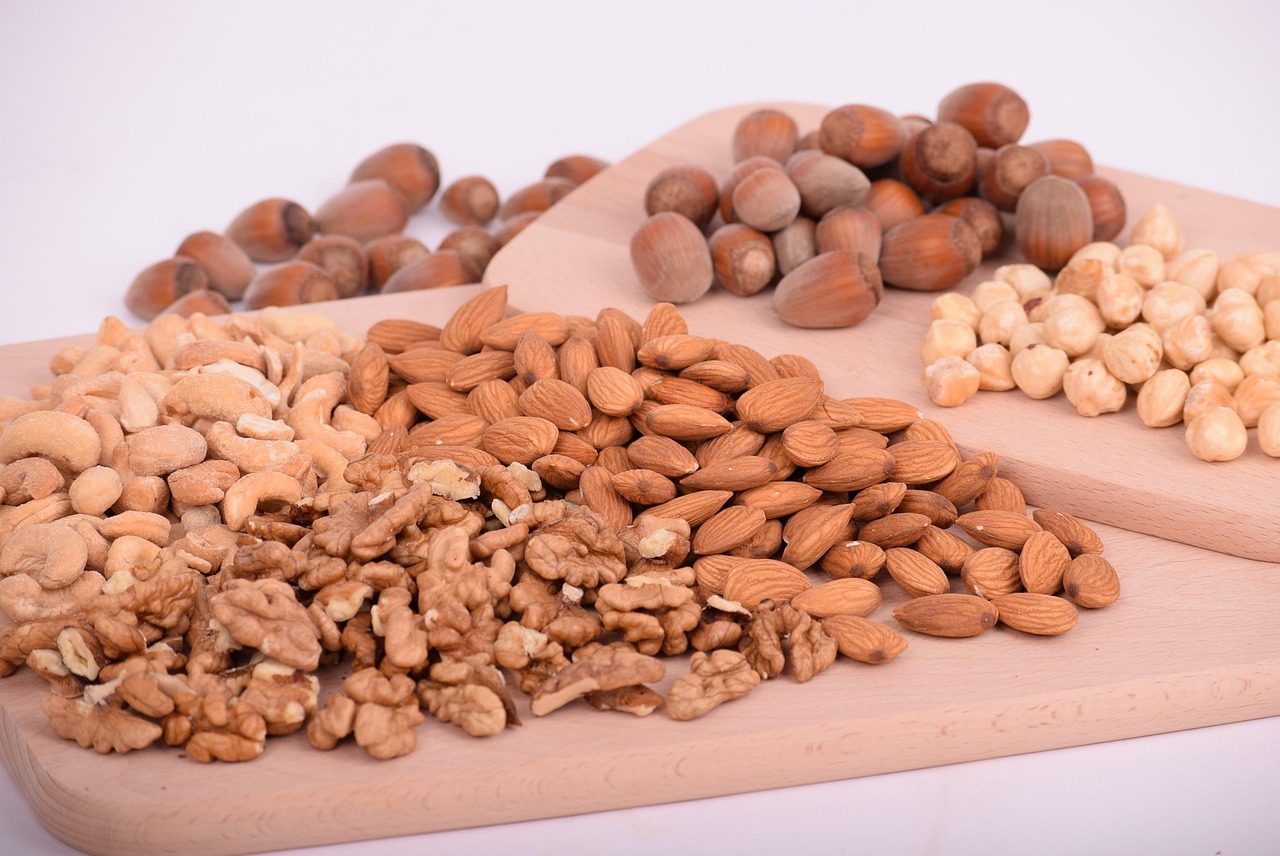
2. The “Snack Pack” Savior: Create a “go-bag” of healthy snacks that lives in your locker or bag. Stock it with unsalted almonds, individual packets of nut butter, whole-grain crackers, and low-sugar beef jerky. This is your emergency defense system against the donut box.
3. Leftovers are Love: When you cook dinner, intentionally make extra. Last night’s roasted salmon and broccoli makes a far superior lunch than a mystery meat sandwich from the cafeteria.
4. The 5-Minute Rule: If you can’t get a full 30 minutes, fight for two 5-minute breaks. Use one to mindfully eat your protein and fiber, and another to drink a full bottle of water away from the chaos. It’s more effective than scarfing a meal while simultaneously answering call lights.
Conclusion: From Surviving to Thriving
Taking care of your own nutrition isn’t an act of selfishness; it’s a professional responsibility. When we are well-fueled, hydrated, and energized, we are safer, more compassionate, and more focused clinicians. We make fewer errors, we communicate better, and we have the resilience to handle the emotional toll of the job.
So, the next time you feel that 2 PM slump coming on, reach for the almonds instead of the candy. Chug that water before that third cup of coffee. Your patients—and your future, less-caffeinated self—will thank you for it.
Now, if you’ll excuse me, I have a date with my meal-prepped chicken and a very full water bottle. The Jell-O can fend for itself.
Leave a Reply