Let’s be real. The concept of a “lunch break” in nursing is often a mythical creature, right up there with a fully stocked Pyxis and a quiet night shift. Your “diet” can sometimes consist of whatever can be swallowed in three bites between a code brown and a family meeting, often procured from the vending machine’s shrine of processed carbohydrates and sugar.
We’ve all been there. That 3 a.m. moment where a stale muffin and a cold coffee feel like a five-star meal. But here’s the hard truth: you can’t pour from an empty cup. And if your cup is filled with caffeine and cortisol, you’re running on fumes. It’s time to talk about fueling the most critical piece of medical equipment in the hospital: You.
Part 1: The Dietary Danger Zone (A.K.A. The Hospital)
The hospital environment is a nutritional minefield. Understanding your enemy is the first step to victory.
· The Siren Song of the Break Room: That box of donuts, the plate of cookies brought by a grateful family… they call to you. They are delicious, quick, and offer a immediate hit of comfort. This is the “sugar spike and crash” cycle, leaving you more drained than before.
· The Vending Machine of Despair: When you’re hangry and your blood sugar is plummeting, the neon glow of the vending machine is a false prophet. It promises energy but delivers a concoction of salt, sugar, and regret.
· The “I Have No Time” Paradox: You’re too busy to eat, so you grab something quick. That quick thing lacks substance, so you’re hungry again in an hour, feeling even more time-poor. It’s a vicious, hunger-fueled cycle.
Part 2: Macronutrients: Your New Best Friends
Forget fad diets. Think in terms of sustainable fuel. Your body is a high-performance vehicle; you wouldn’t put watered-down gas in an ambulance, so don’t do it to yourself.
· Protein: The Satiety Superhero: Protein is your anchor. It keeps you full, stabilizes your blood sugar, and helps repair muscle after all those turns and lifts. Think of it as the steady, reliable coworker who always has your back.
· Examples: Greek yogurt, hard-boiled eggs, turkey slices, chickpeas, edamame, a quality protein shake.
· Fiber & Complex Carbs: The Marathon Runners: Unlike their simple cousins (looking at you, donut), complex carbs release energy slowly. They are the long-distance runners, providing sustained fuel for your 12-hour marathon.
· Examples: Oatmeal, whole-grain bread, quinoa, sweet potatoes, berries, apples.
· Healthy Fats: The Brain Booster: Your brain is about 60% fat. It needs good fats to function, especially for the critical thinking and quick decisions your job demands.
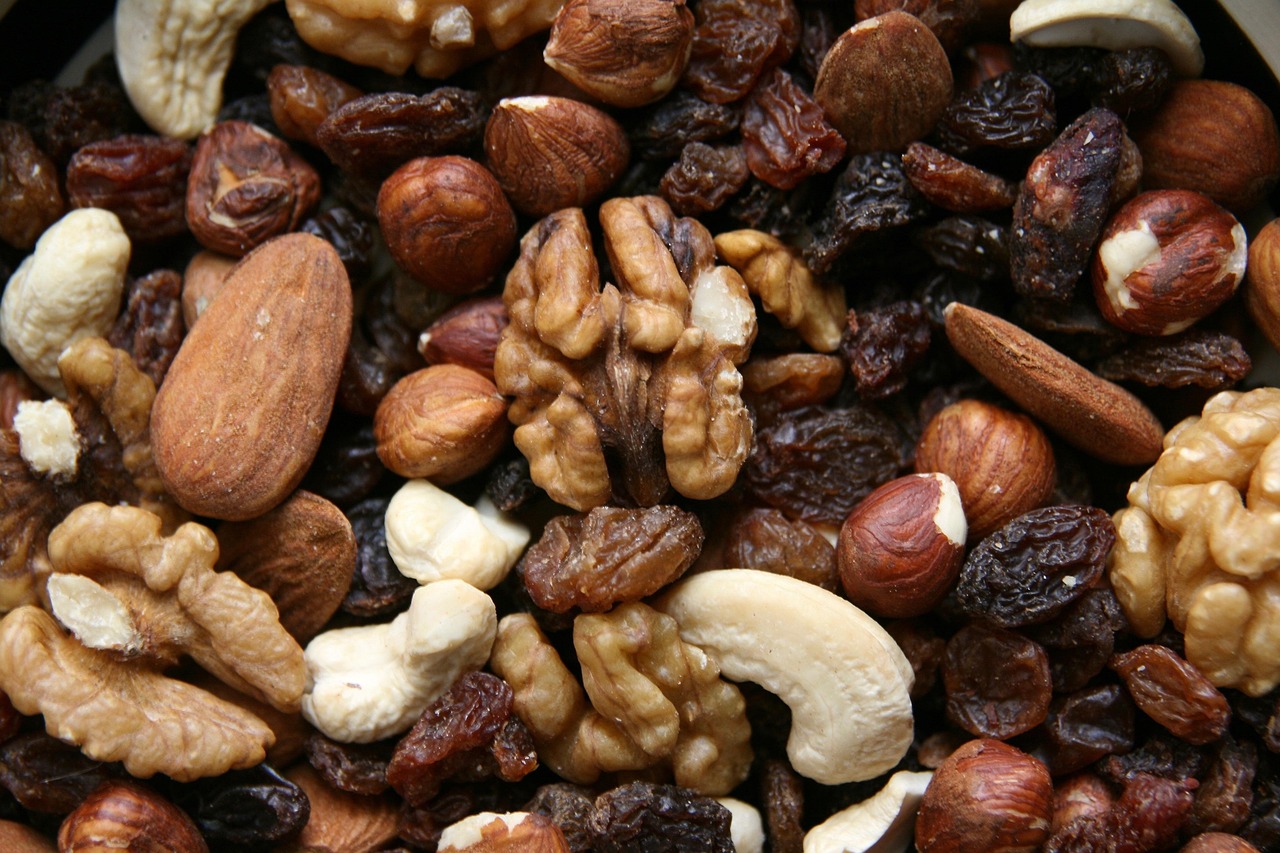
· Examples: Avocado, nuts (almonds, walnuts), seeds (chia, flax), olive oil.
Part 3: Strategy Over Willpower: The “Nurse-Proof” Plan
Willpower evaporates at 2 a.m. Strategy does not.
1. Meal Prep Like Your Patients’ Lives Depend On It (Because Yours Kinda Does): Dedicate one to two hours on your day off. Chop veggies, cook a batch of quinoa, grill chicken, and hard-boil a dozen eggs. Portion them into containers. This isn’t just cooking; it’s a clinical intervention for your future self.
2. The “Go Bag” of Glory: Your lunch bag should be a portable pantry of wins.
· The Main Event: A sturdy salad in a jar (dressing at the bottom), a whole-wrap, or leftovers from a healthy dinner.
· The Snack Arsenal (Crucial!): This is your secret weapon. Pack at least 2-3 snacks.
· The Crunch: Baby carrots with single-serving hummus.
· The Creamy: A single-serving Greek yogurt.
· The Salty/Savory: A handful of almonds and a cheese stick.
· The Sweet: An apple or a pear.
3. Hydration or Hallucination?: Dehydration masquerades as hunger, fatigue, and a headache. Keep a large water bottle at your station. Set a goal—like finishing it by the end of your round—and refill it. If you need caffeine, opt for green tea or a black coffee instead of a sugary energy drink that will leave you crashing.
Part 4: A Day on a Plate (The Realistic Version)
· Pre-Shift (0600): Don’t skip this! A smoothie (spinach, banana, protein powder, almond milk) or a bowl of oatmeal with berries and a spoonful of peanut butter.
· Mid-Morning Snack (1000): Greek yogurt or a handful of nuts. This prevents the pre-lunch hanger.
· Lunch (Whenever you get 10 minutes, 1300): That prepped salad with grilled chicken and avocado, or a quinoa bowl with roasted veggies and a tahini dressing.
· Afternoon Slump Snack (1600): An apple with a cheese stick or a hard-boiled egg. This provides the final push of energy.
· Post-Shift (1900): A balanced dinner like salmon, roasted sweet potatoes, and broccoli. This helps with recovery and sleep.
The Bottom Line:
Your health is not a separate project from your job; it is the foundation that allows you to do your job with compassion, clarity, and energy. You spend your days advocating for the health of others. It’s time to turn that expertise and compassion inward.
So, the next time the vending machine winks at you, give it a knowing smile and reach into your own bag of tricks. Your patients—and your waistline—will thank you for it. Now, go fuel up, superhero.
Leave a Reply