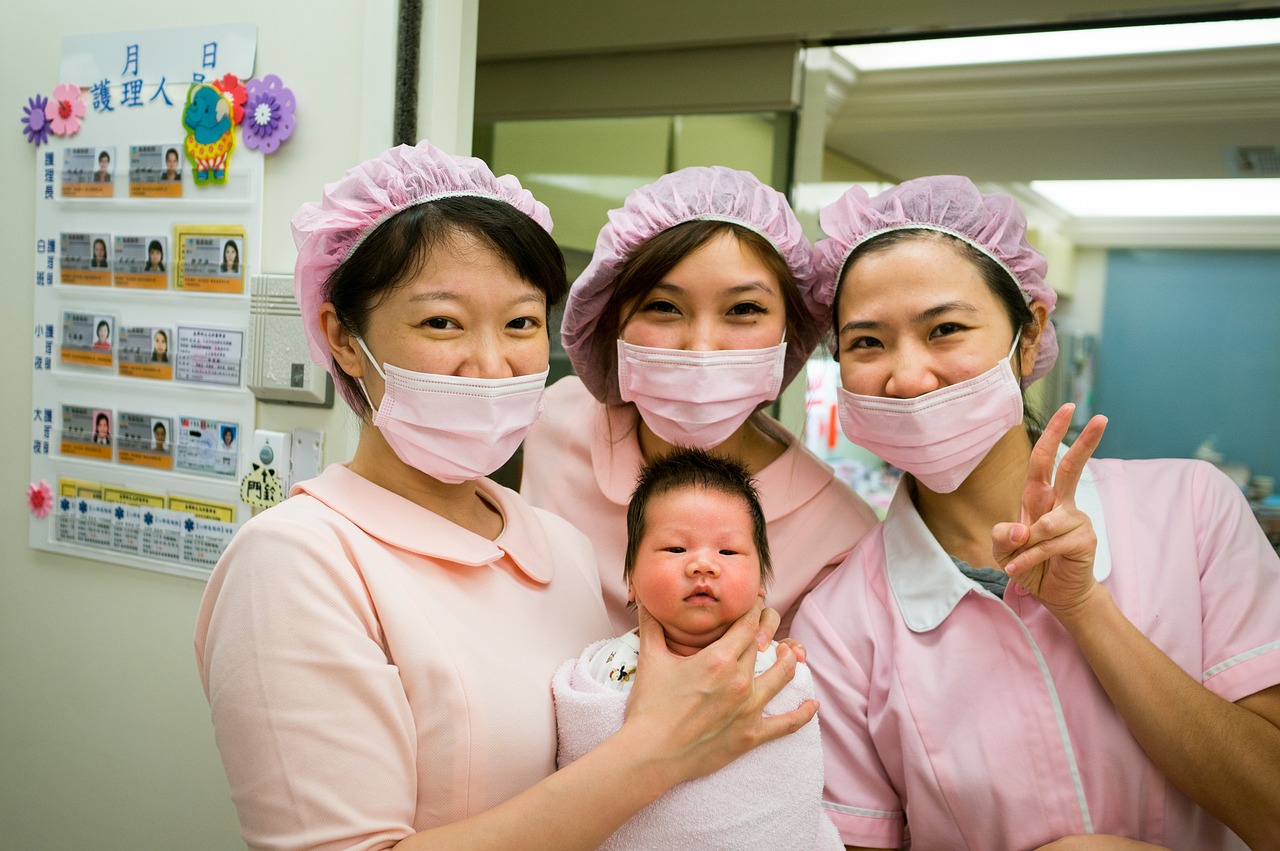
Let’s be real. The concept of a “lunch break” for a nurse is often a mythical creature, right up there with a fully stocked supply room or a calm, uneventful night shift. Your “diet” can sometimes look like a bizarre scavenger hunt: a handful of crackers from the nutrition room at 10 AM, half a sandwich inhaled in the 90 seconds between a code and a new admission, and a mysterious, sugar-laden cake that a grateful patient’s family left at the station.
We’ve all been there. You’re running on caffeine and cortisol, and your body starts screaming for fuel. In that moment, a bag of chips from the vending machine isn’t just food; it’s a beacon of hope. But what if we could break this cycle? What if we could fuel our bodies in a way that sustains the heroic work we do, without having to become a gourmet chef in our non-existent free time?
Why Your Body is Not a Rusty Old Chevy
You wouldn’t put sugar in the gas tank of a high-performance vehicle and expect it to win a race. So why do we do that to ourselves? Nursing is a physically and mentally demanding job. It requires:
· Sustained Energy: Unlike a desk job with predictable slumps, nursing demands can spike at any moment. You need slow-burning fuel, not a rocket booster that fizzles out.
· Mental Sharpness: Calculating dosages, assessing subtle patient changes, and remembering a dozen tasks at once requires a clear head. Brain fog from a poor diet is a safety hazard.
· Emotional Resilience: Let’s face it, the job is tough. Your gut health is directly linked to your mood and stress levels. Feeding your microbiome junk is like sending a kitten to do a bodybuilder’s job.
· Physical Stamina: Turning patients, walking miles on the ward, and being on your feet for 12 hours is an endurance sport. Your muscles and joints need proper nourishment to recover.
The Usual Suspects: A Rogues’ Gallery of Nurse Nutrition
1. The Vending Machine Viking: This brave soul raids the processed-food cavern for a “meal” of neon-orange cheese puffs and a “soda of sustenance.” Valor is noted, but the subsequent sugar crash is inevitable.
2. The Coffee Hydration Specialist: For this nurse, coffee isn’t a beverage; it’s an IV drip. While we bow to the power of the bean, relying on it for both energy and hydration is a diuretic-filled path to jitters and dehydration.
3. The Floor Grazer: This involves consuming whatever leftover patient snacks (jello, pudding, saltines) or potluck goodies are available. It’s a diet of opportunity, not of intention.
If you see yourself in these profiles, fear not! Redemption is at hand.
The “Meal Prep” Myth and What to Do Instead
The term “meal prep” can be intimidating. It conjures images of spending your one day off meticulously weighing chicken and broccoli into 14 identical containers. Forget that. Think of it instead as “Strategic Fueling.” It’s about making smart choices easy.
The Strategic Snack Attack: Your Code Brown Survival Kit
The key to avoiding dietary despair is to never be caught starving. Keep a “go-bag” in your locker with non-perishable, nutrient-dense snacks.
· The Savory Savior: Single-serve packs of almonds or mixed nuts. Look for low-sodium versions. Pair with a cheese stick from the unit fridge.
· The Fiber Friend: An apple or a banana. Classic, portable, and provides a nice hit of fiber and natural sugar.
· The Satiety Superstar: A tablespoon of peanut or almond butter in a small container for dipping. It’s packed with protein and healthy fats to keep you full.
· The Hydration Hero: A reusable water bottle you love. Infuse it with lemon, cucumber, or mint if plain water bores you. Your goal is to sip throughout the shift, not chug a gallon at 7 PM.
Building a Better Lunch: The Plate Method for the Perpetually Tired
When you have five minutes to actually sit down, what’s on your plate matters. Use this simple visual guide:
· Half the Plate: Colorful Fruits & Veggies. This is for vitamins, minerals, and fiber. Think baby carrots, cherry tomatoes, bell pepper strips, or a small container of berries. No cooking required!
· A Quarter of the Plate: Lean Protein. This is your sustained energy source. A grilled chicken breast, a hard-boiled egg, a scoop of tuna salad, or some chickpeas.
· A Quarter of the Plate: Complex Carbs. This is your brain fuel. Quinoa, brown rice, whole-wheat pasta, or a sweet potato.
Leftovers are Your Best Friend. When you make dinner, intentionally make an extra portion. It’s the easiest “meal prep” in the world.
The Mindful Munch: It’s Not What You Eat, It’s How
Even when you’re busy, try to practice a tiny bit of mindfulness.
· Sit Down. Seriously. Even for three minutes. Don’t eat while charting. Your brain needs the break to register that you’ve eaten.
· Chew. It sounds silly, but when you wolf down food, you swallow more air and don’t digest as well.
· Forgive Yourself. Some days will be a nutritional write-off. You’ll survive on coffee and a granola bar you found at the bottom of your bag. That’s okay. The goal is progress, not perfection. Give yourself grace and get back on track with your next meal.
The Final Chart Note
Nurses are the worst at caring for themselves while being phenomenal at caring for everyone else. But you cannot pour from an empty cup—or in this case, an empty, malnourished body. By taking small, strategic steps to fuel yourself better, you’re not just improving your own health. You’re ensuring you have the energy, clarity, and stamina to be the incredible nurse you are.
Now, go hide a healthy snack in your locker before your next shift. Your future self, during that 3 PM slump, will thank you for it.
—
Leave a Reply