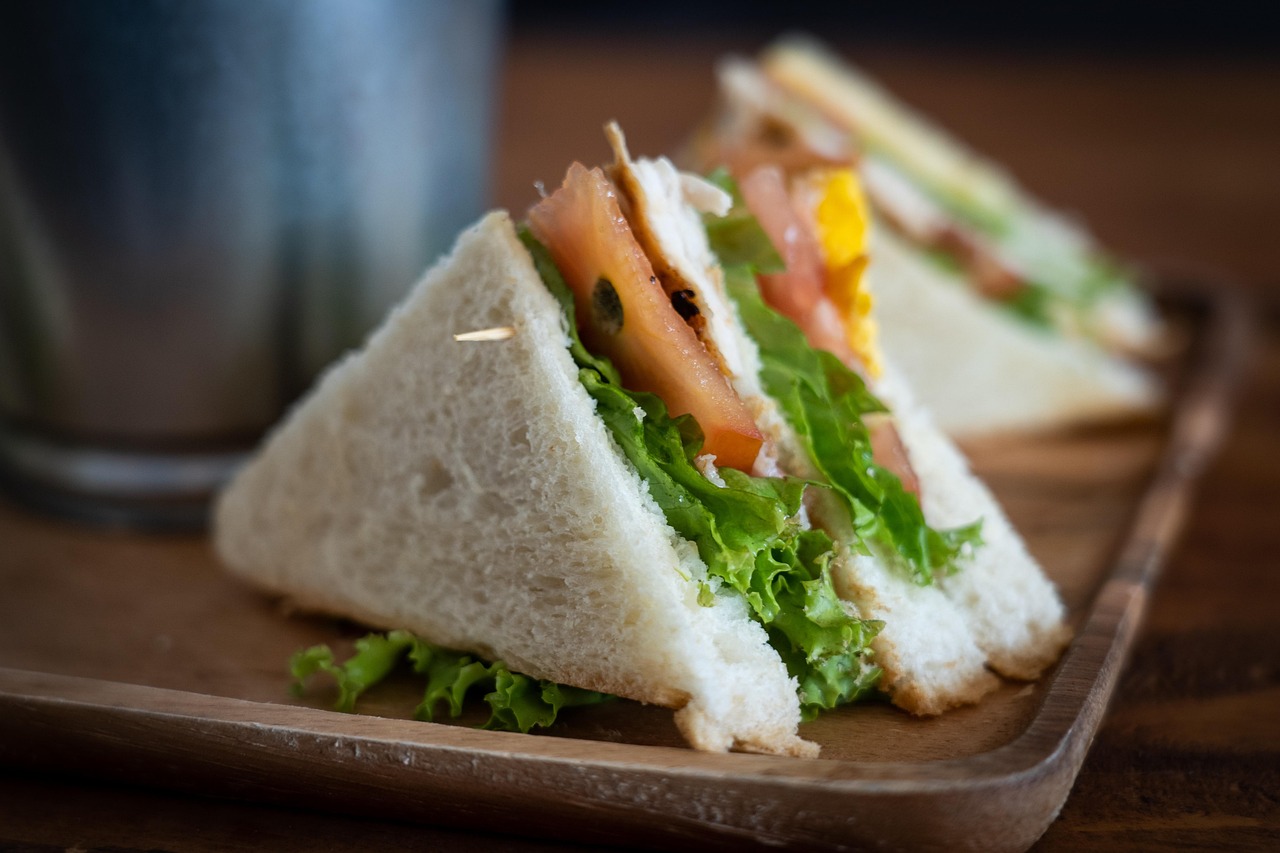
Let’s be real: the term “nurse’s diet” often brings to mind a sad, cold cup of coffee, a granola bar crushed at the bottom of a pocket, and a handful of crackers snatched from the patient pantry. It’s a culinary adventure where “lunch” is whatever you can inhale in three minutes while standing over a sink.
But here’s the hard truth, straight from the (probably under-stocked) break room: You cannot pour from an empty cup. And if your cup is filled only with caffeine and desperation, you’re running on fumes. Fueling your body isn’t an act of self-indulgence; it’s a critical piece of medical equipment, right up there with your stethoscope.
So, let’s reboot your approach to food. Think of it not as “eating,” but as “strategic fueling.”
Part 1: The Dietary Rollercoaster (And Why We Need to Get Off)
A typical shift is a nutritional nightmare:
· The Caffeine IV Drip: Your coffee mug isn’t just a mug; it’s a lifeline. But by 2 PM, that third cup has you buzzing like a faulty monitor alarm, leading to the inevitable crash.
· The Vending Machine Vortex: When the hanger hits, that bag of chips or candy bar winks at you seductively. It promises a quick fix, but delivers a sugar crash that leaves you more drained than before.
· The “See-Food” Diet: You see food, you eat it. Birthday cake from a patient’s family, donuts from the day shift, pizza ordered during a rare quiet moment. It’s communal and kind, but it’s also a recipe for feeling like a bloated version of yourself.
This cycle turns you into a reactive eater, a slave to your blood sugar. The goal is to become a proactive eater.
Part 2: Macronutrients: Your New Best Friends
Forget complicated diets. Think in simple terms: Protein, Fat, and Carbs are your pit crew. They each have a job to do.
· Protein: The Sustained Energy Champion. Protein is the steady, reliable coworker who never panics. It digests slowly, keeping you full and your blood sugar stable. This means no more frantic, hanger-induced decisions when a doctor asks a complicated question.
· Your Mission: Greek yogurt, hard-boiled eggs, a handful of almonds, turkey slices, or a scoop of nut butter. Incorporate protein into every meal and snack.
· Healthy Fats: The Brain Booster. Your brain is about 60% fat. After a 12-hour shift of critical thinking, you need to feed it! Healthy fats support cognitive function and mood stability—because you need all the help you can get to remember where you left that pen.
· Your Mission: Avocado, olives, nuts, seeds, and olive oil. Yes, that means avocado on your toast is a professional development tool.
· Complex Carbs: The Quick-Release Energy. Not all carbs are the enemy! Complex carbs are the slow-burning logs on your energy fire, unlike the sugary kind that are just newspaper—a quick flash and then nothing.
· Your Mission: Oatmeal, whole-grain bread, quinoa, sweet potatoes, and beans. They provide steady energy and fiber, which is crucial for, ahem, regularity when your schedule is anything but.
Part 3: The “No-Time” Meal Prep Survival Guide
We know you’re busy. “Meal prep” sounds like a weekend-long project you don’t have time for. So let’s reframe it as “Strategic Assembly.”
1. The Power of the “Snackle Box”: Get a bento-style box. On your day off, fill the compartments with a variety of no-prep foods: baby carrots, cherry tomatoes, cheese cubes, hummus, olives, nuts, and those hard-boiled eggs. It’s adult Lunchables, and it’s brilliant.
2. Batch and Conquer: Cook one big thing. A huge tray of roasted chicken thighs and vegetables, a massive pot of chili, or a giant quinoa salad. Portion it out. Congratulations, you’ve just created 4-5 ready-to-go meals.
3. The Freezer is Your Code Cart: For emergencies! Frozen burritos (the healthy kind you make yourself), single-serving soups, and frozen veggie burgers can be lifesavers when there’s literally nothing else.
4. Hydration Hacks: Dehydration masquerades as hunger and fatigue. Get a large, marked water bottle. Your goal is to finish one by lunch and another by the end of your shift. If you hate plain water, infuse it with lemon, cucumber, or berries.
Part 4: Conquering the Night Shift Metabolism
Working nights is a dietary paradox. Your body is screaming for sleep, but you’re forcing it to process a meal. The key is to trick your circadian rhythm, gently.
· “Lunch” at Midnight: Have your largest meal before your shift starts or during your first break. Your body is better equipped to handle it then.
· The 3 AM “Snack”: Keep it light, protein-rich, and easy to digest. A small smoothie, yogurt, or a turkey wrap is perfect. Avoid heavy, greasy foods that will make you feel like you’re running in quicksand.
· The Wind-Down Meal: After your shift, don’t eat a huge breakfast and go straight to bed. Have a small, carb-centric snack like a piece of toast or a small bowl of cereal. It helps signal to your body that it’s time to sleep without overloading your system.
The Final Chart Note
Nursing is a marathon of sprints. You wouldn’t expect a high-performance car to run on cheap fuel. You are that high-performance vehicle. Every smart snack, every hydrated cell, every balanced meal is an act of resilience. It’s what gives you the clarity to catch that subtle change in a patient’s condition, the patience to explain something for the tenth time, and the energy to be the incredible hero you are.
So, pack that snackle box. Be the envy of the break room. And remember: taking care of yourself isn’t just good for you—it’s the best possible care you can give your patients.
Now, go eat something that doesn’t come out of a vending machine. You’ve got this.
—
Leave a Reply