Let’s be honest. The image of a nurse is often someone tirelessly caring for others, a superhero in scrubs. But what nobody sees is that same superhero, at 3 PM, hunched over the nurses’ station, mainlining lukewarm coffee and devouring a mystery muffin that’s been sitting in the breakroom since the last shift. We’ve all been there. The irony is so thick you could spread it on toast: we are healthcare professionals, dispensing wisdom about diet and wellness, while our own eating habits sometimes resemble a culinary car crash.
The truth is, a nurse’s relationship with food is… complicated. It’s a high-stakes drama played out in 12-hour acts, punctuated by beeping monitors and call lights. So, for the sake of our patients and our own sanity, it’s time to talk about how we fuel the very engines that keep the hospital running: ourselves.
Act I: The Dietary Dilemmas of the Front Line
First, let’s diagnose the problem. Why do we, of all people, struggle so much?
1. The “There’s No Time” Tango: A nurse’s schedule is a masterclass in chaos. You plan to sit down for a peaceful lunch. Then, Mr. Smith in Room 204 decides it’s the perfect moment to try and redecorate his room without his walker. Your beautiful salad wilts in the fridge as you orchestrate a delicate transfer from floor to bed. Lunch becomes a concept, not an event.
2. The Vending Machine of Despair: When you’re running on empty and have precisely 87 seconds to spare, that bag of chips or chocolate bar isn’t just food; it’s a quick-hit emotional support system. It’s packed with energy, sure, but the kind that leads to a spectacular crash an hour later, right when you need to be at your sharpest.
3. The “But It’s Free!” Carb Carnival: Kind-hearted patients bring donuts. Doctors celebrating a birthday bring cake. The unit secretary’s cousin’s friend’s dog had puppies, so here are some cookies! The breakroom becomes a minefield of well-intentioned, sugar-laden landmines. Saying “no” feels ungracious, and after your fifth code brown of the day, you feel you’ve earned it.
4. The Caffeine IV Drip (Disguised as Coffee): Is it even a shift if you don’t have a cup of vaguely brown, suspiciously warm liquid in your hand at all times? We don’t drink coffee for the taste; we drink it for the superpowers. But this can wreck our hydration, sleep cycles, and adrenal glands.
Act II: The Strategic Snack Attack – A Survival Guide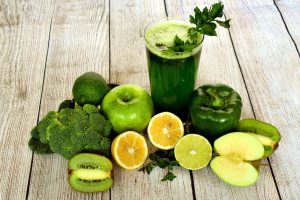
Fear not! We don’t need a gourmet chef or a personal dietitian. We just need a battle plan.
· The Power of Preparation (Meal Prep, Not Sermon Prep): Yes, it’s the advice everyone gives, but that’s because it works. Dedicate one hour on your day off. Chop veggies, grill chicken, hard-boil a dozen eggs, and portion out nuts and yogurt. Create your own “Grab-and-Go” kits. It’s not about being fancy; it’s about having a better, faster option than the breakroom muffin.
· Embrace the Mighty Snack: Ditch the idea of three big meals. Your body needs steady fuel. Pack a “Snackle Box” (a lunchbox with multiple compartments) filled with:
· Protein: Greek yogurt, a small can of tuna, cheese sticks, hummus.
· Healthy Fats: A handful of almonds, avocado slices, pumpkin seeds.
· Complex Carbs: An apple, carrot sticks, whole-grain crackers. Grazing on these throughout the shift keeps your blood sugar stable and your brain functioning at a level that can actually remember what the doctor just said in rounds.
· Hydrate or Diedrate: This is not a drill. Dehydration leads to fatigue, headaches, and poor concentration. Keep a large water bottle at your station. Mark it with times or fun goals (“Drink to here before the next med pass!”). If you hate plain water, infuse it with lemon, cucumber, or berries. Your kidneys (and your skin) will thank you.
· Outsmart the Breakroom: Enjoy the social aspect of the breakroom treats, but practice the “Three-Bite Rule.” Have three deliberate, enjoyable bites of that birthday cake, then walk away. You’ve participated in the celebration without derailing your entire nutritional plan.
Act III: The Ripple Effect: From Our Wellbeing to Theirs
This isn’t just about fitting into our scrubs. This is about patient safety and the quality of care.
A hungry, hangry, or sugar-crashing nurse is not her best self. Our critical thinking slows down. Our patience wears thin. Our ability to empathize diminishes. When we are properly nourished, we have the cognitive clarity to catch a subtle change in a patient’s condition, the emotional resilience to handle a difficult family, and the physical energy to power through a long and demanding shift.
We are the most crucial piece of medical equipment in the building. And even the most advanced scanner needs the right kind of power to function. We are no different.
So, the next time you’re tempted to skip a meal or survive on coffee and hope, remember: taking care of yourself isn’t selfish. It’s standard protocol. It’s the first step in providing the exceptional care our patients deserve. Now, please pass the hummus.
Leave a Reply