Let’s be real. The term “nurse’s diet” doesn’t typically conjure images of kale smoothies and quinoa bowls. It more likely brings to mind a lukewarm coffee chugged behind the nurses’ station, a handful of crackers pilfered from the pantry, and a mysterious muffin that appeared in the breakroom six hours ago. You’re running a marathon at a sprint’s pace, and your fuel is often an afterthought. But what if we treated our bodies with the same care we give our patients? It’s time to stop surviving on fumes and start mastering the art of edible adrenaline.
The Vending Machine of Doom and Other Dietary Pitfalls
We’ve all been there. It’s 2 PM, your lunch break was sacrificed to an unexpected admission, and your stomach is growling so loudly it’s almost competing with the call bell. The siren song of the vending machine is irresistible. That neon-orange cheese dust and a sugar-laden soda promise a quick fix. And for about seven minutes, they deliver. But soon, you’re crashing harder than a new grad on their first solo night shift.
This cycle of sugar and salt is the arch-nemesis of sustained energy. It’s like trying to power a Ferrari with cheap gasoline—it might run, but not well, and it will eventually break down. Your body, that magnificent, patient-carrying, IV-starting, chart-completing machine, deserves premium fuel.
The Macronutrient Magic Trio: Your New Best Friends
Think of your body as a high-performance vehicle. It needs the right balance of fuel to keep going.
1. Protein: The Satiety Superhero. Protein is your best defense against the dreaded 3 PM slump and the siren call of the donut box. It digests slowly, keeping you full and your blood sugar stable.
· On-the-Go Picks: Greek yogurt, a handful of almonds, hard-boiled eggs, string cheese, or a small container of hummus. A protein shake can be a lifesaver for those days you barely have time to blink.
· Pro-Tip: Keep a “protein stash” in your locker. A can of tuna or a packet of nut butter can be the difference between a productive afternoon and a carb-coma.
2. Complex Carbs: The Energy Engine. Carbs are not the enemy! Your brain runs exclusively on glucose. The key is to choose complex carbohydrates that release energy slowly, not the simple ones that cause a spike and crash.
· On-the-Go Picks: Whole-wheat crackers, an apple, a banana, oatmeal, or a small container of brown rice or quinoa.
· Pro-Tip: Pair your carbs with a protein or fat. An apple with peanut butter is a far more powerful snack than an apple alone.
3. Healthy Fats: The Brain Booster. Your brain is about 60% fat, so feeding it healthy fats is crucial for focus, memory, and mood—all things you need when deciphering a doctor’s handwriting or remembering five different med schedules.
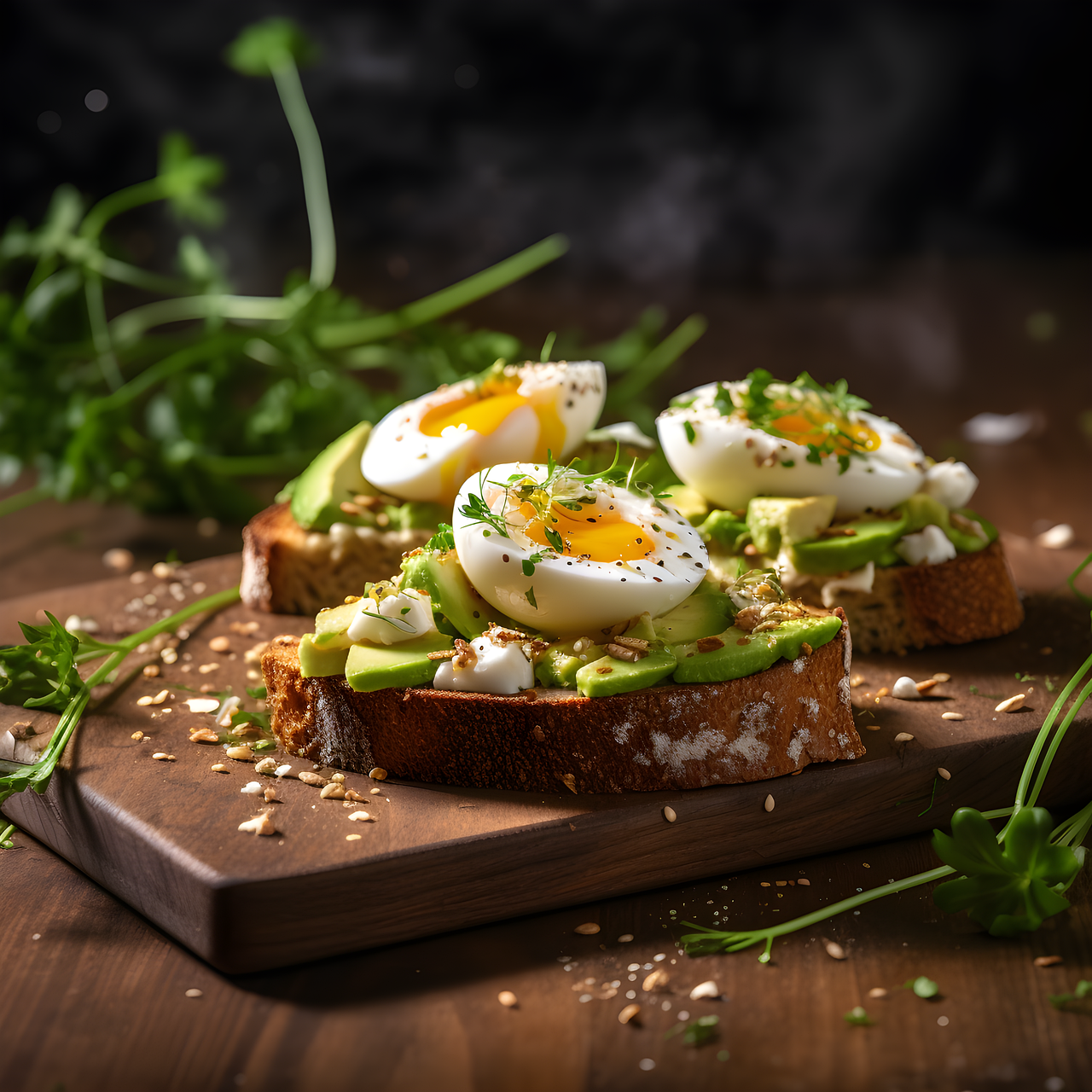
· On-the-Go Picks: Avocado on whole-grain toast, a small handful of walnuts, olives, or using olive oil in your salads.
· Pro-Tip: A small, single-serving packet of guacamole with whole-grain chips is a delicious and brain-boosting snack.
Meal Prep: Your Secret Weapon Against Culinary Chaos
The word “meal prep” can sound intimidating, evoking images of spending your one day off surrounded by identical Tupperware containers. It doesn’t have to be that military. Think of it as “strategic assembly.”
· The Sunday Session: Spend one hour washing and chopping veggies, grilling a few chicken breasts, and cooking a big batch of quinoa or lentils. You’ve just created the building blocks for a week’s worth of salads, wraps, and bowls.
· Embrace the Leftover: Get into the habit of making extra dinner and packing it for lunch before you even sit down to eat. Out of sight, out of mind, and ready for tomorrow’s chaos.
· The “Assembly-Only” Lunch: Pack separate containers with your prepped ingredients. At work, you can throw together a fresh salad or wrap in minutes. No more soggy, sad desk salads.
Hydration: It’s Not Just H₂-Oh-So-Important
Coffee is a tool, not a hydration strategy. In the middle of running your feet off, it’s easy to forget to drink water. Dehydration leads to fatigue, headaches, and poor concentration—a dangerous combo when you’re responsible for people’s lives.
· The Liter Bottle Method: Get a large, marked water bottle and keep it with you. Set mini-goals: “I’ll finish this by my 10 AM med pass, refill it, and finish it again by 2 PM.”
· Flavor It Up: If plain water is boring, infuse it with lemon, cucumber, mint, or berries. Herbal tea is another great option, especially for night shift.
· The Pee Test: Let’s be blunt. Your urine should be a light straw color. If it looks like apple juice, it’s time to chug some H₂O, stat.
The Night Shift Survival Guide
Working while the world sleeps is a nutritional nightmare. Your body’s internal clock is screaming for bed, but you’re forcing it to digest a full meal. The key is to trick your system.
· The “Biggest Meal” Dilemma: Have your largest meal before your shift, not in the middle of the night. A “lunch” at 2 AM should be a light, easily digestible snack, like yogurt or a small sandwich, to avoid feeling sluggish.
· Beware the Sugar Trap: The midnight sugar craving is a real beast. It’s your tired brain begging for quick energy. Resist! A high-protein snack will keep you alert far longer than a candy bar.
· The Caffeine Cut-Off: Set a strict deadline for caffeine consumption (e.g., no coffee after 3 AM for a 7 AM finish) to help your body wind down for sleep when you get home.
Conclusion: You Can’t Pour from an Empty Cup
Taking care of yourself isn’t selfish; it’s essential. You are the backbone of the healthcare system, a multitasking marvel who deserves to feel energized and clear-headed. By making a few small, strategic changes to how you fuel your body, you’re not just improving your own health and mood—you’re sharpening the very tool you use to care for others.
So, the next time you’re tempted by that six-hour-old muffin, ask yourself: “Am I a trash can, or am I a highly skilled medical professional?” You know the answer. Now go fuel up like the healthcare hero you are. Your patients (and your pancreas) will thank you for it.
Leave a Reply