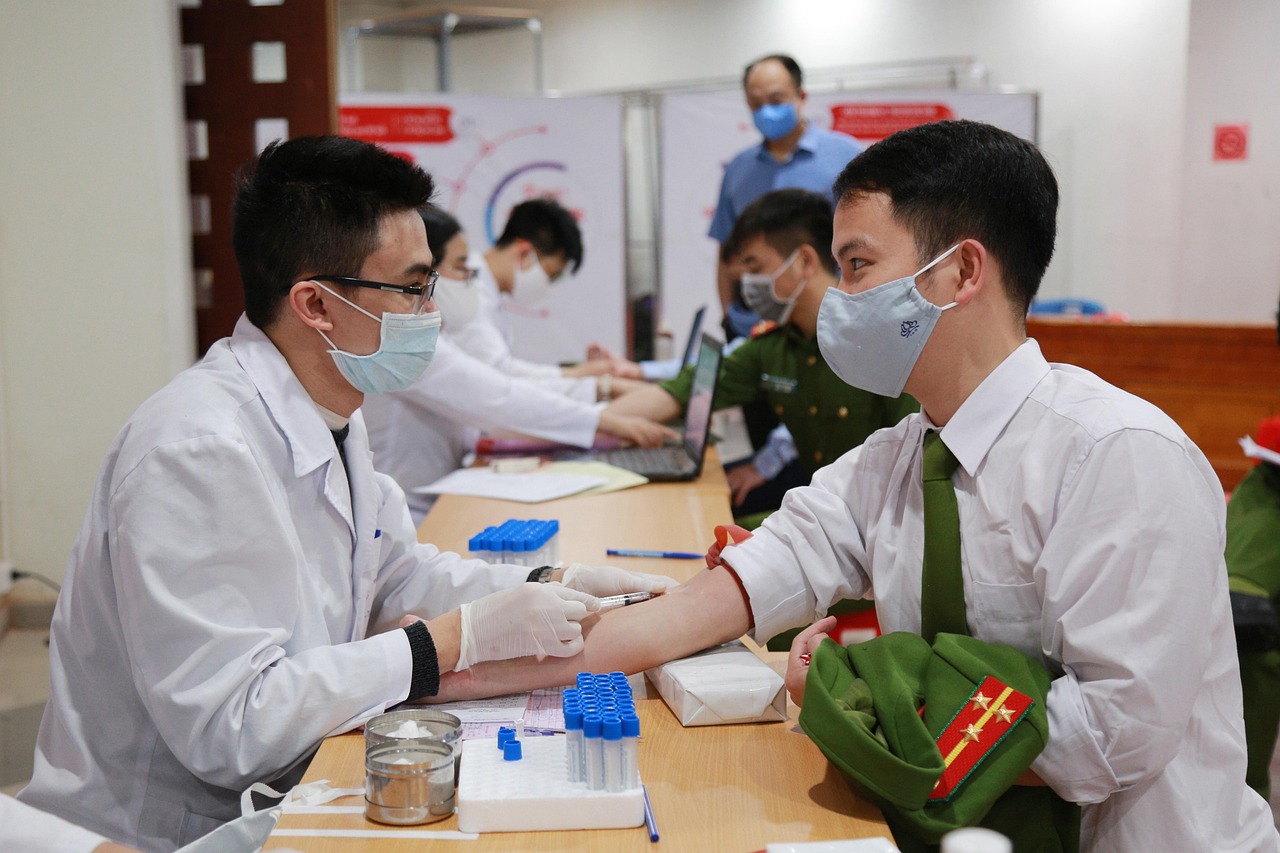
Let’s be real. The concept of a “lunch break” in nursing is often a mythical creature, right up there with a fully stocked supply closet on a Monday morning. Your “diet” frequently consists of whatever can be scavenged from the vending machine, eaten with one hand while charting with the other, or—let’s admit it—the sacred caffeine IV drip we call coffee.
But here’s the hard truth: you can’t pour from an empty cup. Sustaining the superhuman levels of energy, patience, and brainpower required for nursing means fueling your body better than a beat-up old sedan. So, let’s talk about how to eat like the hero you are, without needing an extra hour in the day.
Part 1: The “Code Brown” of Bad Eating Habits
We all know the drill. The siren song of the donut box in the break room. The 3 PM slump that demands a sugar rush. The “I’m too tired to cook” pizza order after a 12-hour shift. This isn’t about a lack of willpower; it’s about a system designed for survival, not gourmet nutrition.
The problem with this rollercoaster is that it mimics our patients’ blood sugar: all peaks and crashing valleys. When you’re running on sugar and caffeine, your energy, mood, and focus are as stable as a Jenga tower in an earthquake. One more demanding family member or a sudden rapid response, and boom.
Part 2: The “Fuel for the Shift” Strategy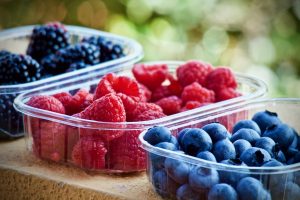
Forget rigid, complicated diet plans. You need a strategy, not a recipe for kale-and-quinoa salad that will wilt in your locker by 10 AM. Think like a nurse: triage your nutrition.
1. The Pre-Shift Power-Up (The “Loading the Syringe” Meal) Skipping breakfast is like showing up to a code without checking your defibrillator. You need a balanced launchpad.
· The Goal: Protein + Healthy Fat + Complex Carb.
· The Fun Part: This isn’t just two hard-boiled eggs. It’s a scoop of Greek yogurt with berries and a sprinkle of granola. It’s a peanut butter banana smoothie chugged in the car. It’s two whole-wheat toast slices with avocado and a fried egg. It keeps you full, provides steady energy, and prevents the 10 AM vending machine pilgrimage.
2. The “Eat-It-With-One-Hand” Lunch (The Clinical Concoction) This is where the magic happens. Your lunch must be portable, non-perishable (or kept in a reliable fridge), and require zero reheating in a microwave with mysterious stains.
· The Goal: Sustained energy and mental clarity.
· The Fun Part:
· The Epic Salad Jar: Layer dressing at the bottom, then crunchy veggies, proteins like chickpeas, grilled chicken, or tuna, and greens on top. At mealtime, shake it like you’re mixing meds and dig in.
· The Wrap of Wisdom: A whole-wheat wrap stuffed with hummus, turkey, and every vegetable you can cram in there. It’s a nutrient-packed burrito of brilliance.
· The Leftover Lifesaver: Last night’s dinner (think chili, pasta salad, or stir-fry) is your best friend. Cook once, eat twice. It’s efficient, like batching your tasks.
3. The Snack Attack Arsenal (Tactical Energy Boosts) Strategic snacking is your secret weapon against fatigue. Stash these in your pockets or locker.
· The Goal: Quick, healthy energy to bridge the gap between meals.
· The Fun Part:
· The No-Brainers: Mixed nuts, an apple, a cheese stick, a handful of baby carrots.
· The Prepared Pros: Pre-portioned baggies of almonds and dried cranberries, Greek yogurt, or a hard-boiled egg (peeled, for the love of time!).
· The “Fancy” Option: There are now a million great protein bars—find one that tastes like a treat but acts like fuel, not a candy bar in disguise.
Part 3: The Unsung Hero: Hydration Station
Coffee is life, but it’s not hydration. In fact, it’s a diuretic. Dehydration leads to headaches, fatigue, and that general feeling of being a wrung-out mop.
· The Goal: Sip water like it’s a continuous IV infusion.
· The Fun Part: Get a large, motivating water bottle with time markers. Infuse it with lemon, cucumber, or mint if plain water bores you. Every time you finish documenting a patient, take a sip. Make it a game. Your kidneys (and your skin) will thank you.
Part 4: The Mindful Munch (Because You’re Human)
We’re not promoting a joyless existence. That birthday cake in the break room? Have a slice! The key is mindfulness. Are you eating it because you’re truly hungry and want to celebrate, or are you stress-eating after a difficult patient interaction? Acknowledge the difference. Deprivation leads to rebellion, often in the form of an entire bag of chips at 11 PM.
Conclusion: From Surviving to Thriving
Changing your eating habits isn’t about vanity; it’s about clinical excellence—for yourself. When you are well-fueled and hydrated, you are sharper, more resilient, and more empathetic. You think more clearly during an emergency, and you have the emotional bandwidth to handle the tough days.
So, start small. Pack one healthy snack tomorrow. Make that smoothie. Invest in that giant water bottle. You dedicate your life to caring for others. It’s time to extend that same standard of care to the most important patient you’ll ever have: you.
Now, go enjoy that coffee. You’ve earned it. Just maybe with a side of almonds this time.
Leave a Reply