Let’s be real. The term “nurse’s diet” probably brings to mind a few universal images: the lukewarm coffee chugged behind the med cart, the half-eaten granola bar found crumpled in a scrubs pocket, and the mysterious, beige “food” from the hospital cafeteria that defies all identification.
In the high-stakes, fast-paced world of healthcare, your own nutrition often becomes the last item on a very long to-do list. You’re a superhero in comfy shoes, but even superheroes need the right fuel. So, let’s talk about how to eat in a way that keeps you from morphing into a “hangry” code-blue participant.
Part 1: The All-Too-Familiar Pitfalls (Or, Why Your Stomach is Growling at 2 PM)
First, let’s diagnose the problem. The typical nurse’s eating schedule is a masterpiece of improvisation, plagued by:
· The Breakfast Skip: The alarm screams, you hit snooze twice, and you’re out the door. Breakfast? That’s what the caffeine IV drip (also known as coffee) is for.
· The Desk Drawer Diet: A fascinating ecosystem of processed carbs, sugar, and salt. Think crackers, candy “for a quick sugar rush,” and ancient packets of instant oatmeal. It’s food that can survive a nuclear fallout, but can it survive your 12-hour shift?
· The Feast-or-Famine Cycle: You’re either too busy to eat a single bite for six hours, or you’re suddenly so ravenous you could eat the patient’s Jell-O (don’t do it). This leads to the dreaded 3 PM crash, where the only solution seems to be another large coffee and a muffin the size of your head.
· The Emotional Eat-and-Run: A tough code, a difficult family, mountains of charting. Stress eating is real, and the hospital vending machine, with its glowing, seductive buttons, is your siren song.
The result? You’re running on fumes, your energy levels are a rollercoaster, and your mood is one inconvenient question away from a spectacular snap.
Part 2: Fueling for the Front Lines (The “How-To” Without the Hysteria)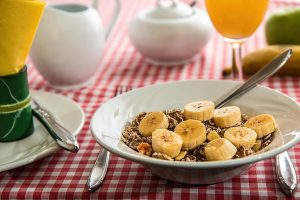
You wouldn’t put watered-down gas in an ambulance, so don’t put junk fuel in your body. The goal isn’t a Michelin-star meal; it’s strategic, sustainable energy. Think of your body as the most important piece of equipment you bring to work.
1. The “Pre-Game” Power-Up (Breakfast): Skipping breakfast is like starting your car in winter and immediately flooring it onto the highway. Not ideal. Your goal: Protein + Healthy Fat + Complex Carb.
· The 5-Minute Wonder: A Greek yogurt parfait with berries and a handful of nuts.
· The Grab-and-Go: Two hard-boiled eggs and an apple. Make them the night before!
· The Blender Bonanza: A smoothie with spinach, a scoop of protein powder, a banana, and almond milk. Drink it on your commute like the champion you are.
2. Packing Your Arsenal (Lunch & Snacks): This is your secret weapon against the cafeteria and the vending machine. Invest in a good lunchbox and some reusable containers.
· The Main Event (Lunch): Leftovers are your best friend. When you make dinner, cook extra.
· The Bowl is Your Best Friend: A grain (quinoa, brown rice), a lean protein (grilled chicken, chickpeas, tuna), and a mountain of veggies. Add a tasty dressing in a separate container.
· The Massive Salad: But not a sad, leafy one. Load it up with chicken, eggs, beans, avocado, and nuts. This is a salad with a purpose.
· Snack Attack Saviors: These should be easy to eat in 90 seconds flat.
· The Protein Pair: Apple slices with peanut butter, cheese sticks with whole-wheat crackers, or a handful of almonds and dried cranberries.
· Veggie Sticks & Hummus: Crunchy, satisfying, and will make you feel virtuous.
· Protein Bars: Choose wisely! Look for low sugar and at least 10-15 grams of protein.
3. Hydration: Beyond the Caffeine River Yes, we know. Coffee is the lifeblood of the nursing profession. But it’s also a diuretic and can contribute to the energy crash. Your mission, should you choose to accept it, is to hydrate with water.
· Get a Giant, Marked Water Bottle: A one-liter bottle with time markers is a great visual reminder. “By 10 AM, I should be to this line.”
· Infuse It: Toss in some lemon, cucumber, or mint if plain water bores you.
· The Coffee-Water Tango: For every cup of coffee, drink one cup of water. It’s a tango for your kidneys.
Part 3: The Mindset Shift: From Chore to Self-Care
Ultimately, this isn’t just about food. It’s about acknowledging that you cannot pour from an empty cup. Your ability to be empathetic, sharp, and resilient is directly tied to how you fuel yourself.
Eating well isn’t another task on your list; it’s a fundamental part of your professional toolkit. It’s a act of rebellion against a system that often expects you to run on altruism and caffeine alone.
So, the next time you’re racing through your day, remember: you are the most important patient you’ll ever have. Nourish yourself accordingly. Your patients, your colleagues, and your grumbling stomach will thank you for it.
Now, go find something that isn’t coffee to eat. You’ve earned it.
Leave a Reply