Blog

  • Nursing Nutrition: How to Fuel Your Superpowers

    Nursing Nutrition: How to Fuel Your Superpowers

    Let’s be real: the hospital cafeteria is a culinary minefield. Between the mysterious “meatloaf surprise,” the vending machine’s siren song of sugar, and the fact that your only meal sometimes consists of three stale graham crackers stolen from the nutrition room, it’s a wonder we don’t all survive on IV fluids and caffeine alone.

    But here’s the secret they don’t teach in nursing school: You are a high-performance machine. Your brain makes critical decisions, your body endures 12-hour physical and emotional marathons, and your heart carries the weight of the world. You wouldn’t put cheap, watered-down fuel in a Ferrari, so why do it to yourself? Mastering your nutrition isn’t about vanity; it’s about operational readiness. It’s the secret sauce to sharper focus, sustained energy, and not turning into a “hangry” monster by the third set of vitals.

    The “Hangry” Nurse is a Safety Hazard

    We’ve all been there. It’s 2 PM, your stomach is growling like an angry badger, your blood sugar has plummeted, and the family of Room 204 is asking for the fifteenth blanket. This is not just a bad mood; it’s a physiological state. When you’re running on empty, your prefrontal cortex—the part of your brain responsible for patience, critical thinking, and not saying what you’re really thinking—goes offline. This is bad for your patients, your colleagues, and your sanity.

    The goal is to avoid the dramatic peaks and troughs of energy. The solution? Think of yourself as a campfire that needs to be fed small, consistent logs throughout the day, rather than one giant bonfire (the giant, carb-heavy lunch) that quickly burns out and leaves you in the cold, dark ashes by 3 PM.

    The Three Pillars of Shift-Worthy Nutrition
    1. The Protein Punch: Your Tiredness Antidote Protein is your best friend. It provides slow, steady energy and keeps you feeling full for hours. It’s the structural scaffold for your muscles after all that lifting and transferring.

    · Pro-Tip: Don’t just save it for dinner. Incorporate it into every meal and snack.
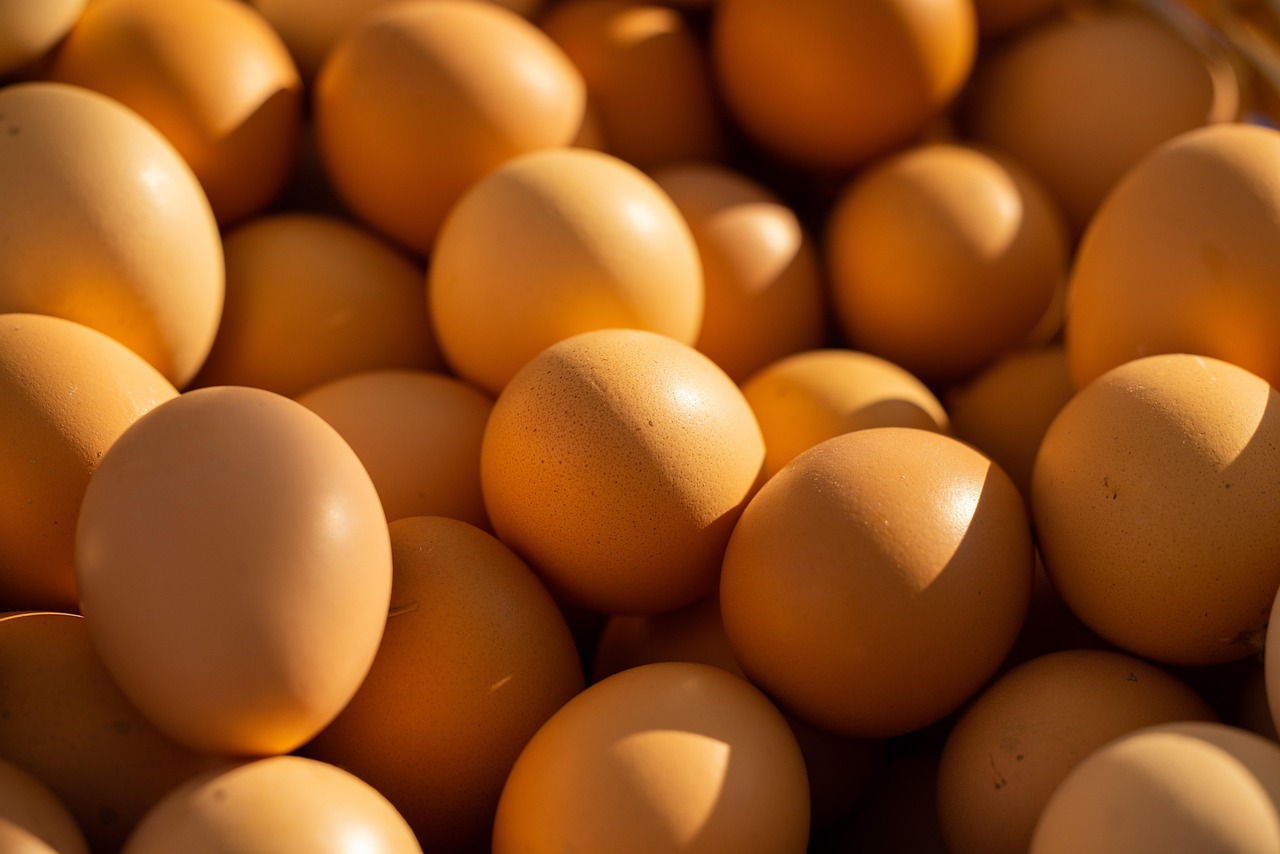
    · Easy Wins: Greek yogurt, a handful of almonds, hard-boiled eggs, string cheese, sliced turkey or chicken breast, hummus, or a quality protein shake that you can chug during a 30-second charting break.

    2. The Hydration Station: Beyond the Caffeine IV Yes, we know. Coffee is the lifeblood of healthcare. But caffeine is a diuretic, and dehydration masquerades as fatigue, headaches, and brain fog. If your urine looks like apple juice, we have a problem.

    · Pro-Tip: For every cup of coffee, chug a cup of water. Keep a large, identifiable water bottle at your station. Set a goal to finish it by lunch and refill it for the afternoon.
    · Flavor Boost: Toss in some cucumber slices, lemon, mint, or frozen berries to make it more appealing.

    3. The Smart Carb Coma-Prevention Plan Carbs are not the enemy! Your brain runs on glucose. The key is to choose complex carbohydrates that release energy slowly, rather than the simple ones that cause a sugar rush and subsequent crash.

    · Choose This, Not That:
    · Instead of a sugary muffin or a bag of chips…
    · Go for an apple with peanut butter, whole-grain crackers with cheese, or a container of overnight oats.

    A Day in the Life of a Well-Fed Nurse

    Let’s paint a picture of a nutritionally victorious shift:

    · Before Shift (The Strategic Foundation): You eat a real breakfast. Two scrambled eggs with spinach on whole-wheat toast. You hydrate with a large glass of water before your first coffee.
    · Packed Lunch & Snacks (The Battle Kit): Your lunch bag looks like a meal-prep champion’s. It contains:
    · Snack 1 (10 AM): Greek yogurt and a handful of blueberries.
    · Lunch (Whenever you can grab 10 minutes): A large salad with grilled chicken, quinoa, and lots of veggies, with a vinaigrette on the side.
    · Snack 2 (4 PM Emergency Boost): An apple and a small packet of almonds.
    · Post-Shift (The Recovery Phase): You have a balanced dinner—maybe salmon, sweet potato, and broccoli. You’re not ravenously scouring the pantry for junk food because you’ve fueled properly all day.

    The Snack Drawer of Dreams

    Every nurse needs a well-stocked secret stash. Be the hero of your unit by having (and using) a snack drawer with:

    · Mixed nuts and seeds
    · Protein or granola bars (check the sugar content!)
    · Rice cakes
    · Dried seaweed snacks
    · Herbal tea bags for a calming end to a chaotic day

    The Bottom Line: You Can’t Pour from an Empty Cup

    Taking care of your own nutrition is the most profound act of self-care you can perform as a nurse. It’s not selfish; it’s essential. It’s what allows you to be the calm, competent, and compassionate professional you are.

    So the next time you’re tempted to skip a meal or survive on coffee and crackers, remember: you have superpowers. And even superheroes need the right fuel. Now, go drink some water and eat that hard-boiled egg you packed. Your patients—and your grumbling stomach—will thank you for it.

  • The Starving Heroes: Why Your Diet is Your Most Underrated Medical Tool

    The Starving Heroes: Why Your Diet is Your Most Underrated Medical Tool

    Let’s be honest. The phrase “nurse’s lunch break” is one of the greatest oxymorons in the English language, right up there with “jumbo shrimp” and “government organization.” Your “lunch” is often a handful of crackers scavenged from the nutrition room, half a granola bar you found at the bottom of your bag, and three sips of cold coffee, all consumed while running between rooms or documenting at a computer.

    We are the masters of caring for others, yet when it comes to fueling our own bodies, we often operate on a “hope and a prayer” system. But here’s the deal: you cannot pour from an empty cup. And that cup isn’t just filled with caffeine. Treating your own nutrition as a non-negotiable part of your shift is not self-indulgence; it’s a critical piece of medical equipment.

    The Science of Not “Hangrying” at a Code Blue

    Think about what a typical 12-hour shift demands: intense mental focus, physical stamina, emotional resilience, and the ability to make split-second decisions. Now, think about what fuels those things. It’s not the sugar rush from a donut or the fleeting satisfaction of a vending machine bag of chips.

    When you skip meals or fuel up on simple carbs, you’re setting yourself up for a physiological rollercoaster. Your blood sugar spikes, giving you a brief hit of energy, and then plummets, leaving you irritable, foggy-brained, and fatigued. This is what we call being “hangry” (hungry + angry, a legitimate clinical condition in our world). Do you really want to be making crucial assessments or explaining a complex procedure to a anxious family member when you’re one missed snack away from snapping?

    Stable blood sugar, on the other hand, is the foundation of a stable shift. It’s the key to maintaining that legendary “nurse calm” even when all hell is breaking loose.

    Building Your Nutritional First Aid Kit

    So, how do we move from dietary disaster to nutritional ninja? It’s all about strategy, not willpower.

    1. The Power of Protein & Fat: Your Secret Weapons Forget the low-fat craze. For sustained energy, you need protein and healthy fats. They digest slowly, keeping you full and your blood sugar stable for hours.

    · Think: Greek yogurt, hard-boiled eggs, a handful of almonds, cheese sticks, hummus, or slices of grilled chicken.
    · Pro-Tip: A tub of plain Greek yogurt with a scoop of protein powder mixed in is a powerhouse breakfast that can survive a 4 AM wake-up call and keep you going until your first break.

    2. Carbs Are Not the Enemy (Choose Wisely!) Your brain runs on glucose. The trick is to get it from complex carbohydrates that release energy slowly, not the simple ones that cause a crash.

    · Ditch: White bread, sugary cereals, pastries.
    · Embrace: Oatmeal, quinoa, sweet potatoes, whole-grain bread, and all kinds of fruits and vegetables. That banana is nature’s perfect, portable energy gel.

    3. Hydration: It’s Not Just About the Coffee We know you live on coffee. We’re not here to take it away. But caffeine is a diuretic, and running around like a superhero leads to dehydration, which masquerades as hunger, headaches, and exhaustion.

    · The Goal: Keep a large, reusable water bottle at your station. Aim to refill it 2-3 times during your shift.
    · The Hack: For every cup of coffee, drink one cup of water. Your kidneys (and your patient who you haven’t had time to pee for) will thank you.

    The “No-Time-To-Eat” Survival Guide

    Okay, theory is great. But what about the reality of back-to-back admissions? Plan for the chaos.

    · Meal Prep is Non-Negotiable: Spend one hour on your day off. Hard-boil a dozen eggs. Chop vegetables. Portion out nuts and cheese. Cook a large batch of chili or soup. This isn’t for gourmet Instagram posts; it’s for survival. A prepared meal is a battle won before the shift even begins.
    · Embrace “Grazing”: A formal 30-minute lunch might be a fantasy. Instead, pack several small, nutrient-dense snacks. Eating something small every 2-3 hours is often more effective and manageable than one big meal.
    · The Locker Stash: Always have emergency rations in your locker: a jar of peanut butter, some whole-grain crackers, and a few protein bars for those shifts that go completely off the rails.

    Beyond the Physical: Food as Armor

    Finally, let’s talk about mental health. Nursing is emotionally draining. We often reach for comfort food to cope with stress and trauma. There’s no shame in that. But building a foundation of good nutrition strengthens your emotional resilience. When your body is properly fueled, you are better equipped to handle the psychological demands of the job. It’s a form of self-care that is as important as any debriefing session.

    So, the next time you’re gearing up for a shift, remember: your stethoscope is important, your comfortable shoes are vital, but the food you pack is your secret weapon. It’s the fuel that powers the compassion, the clarity, and the calm that you bring to every patient, every day.

    Don’t just be a healthcare hero for others. Be one for yourself, one mindful bite at a time.

  • The Nurse’s Plate: More Than Just Leftover Pudding

    The Nurse’s Plate: More Than Just Leftover Pudding

    Let’s be honest. The term “hospital food” doesn’t exactly conjure images of gourmet, life-giving sustenance. It’s often beige, occasionally mysterious, and usually delivered at a time that bears no resemblance to a human’s natural eating schedule. And who are the brave souls navigating this culinary landscape daily? Nurses.

    We are the ultimate experts in caring for others, yet when it comes to our own plates, we often commit nutritional crimes that would make a dietitian weep. Our “lunch break” is a mythical concept, often consumed in five-minute increments between a code blue and a family’s questions, while hiding in the med room. Our fuel? Whatever can be scavenged from the vending machine or the leftover chocolate pudding from a patient’s tray (don’t lie, we’ve all been there).

    But here’s the hard truth: you can’t pour from an empty cup. And you definitely can’t run a 12-hour shift on caffeine, stress, and the sheer force of your willpower alone. Your body is not a dump truck; it’s the most crucial piece of medical equipment you have. It’s time we treated it with the same respect we give our stethoscopes.

    The Vicious Cycle of the “Nurse Diet”

    The typical “Nurse Diet” is a masterpiece of poor planning. It goes something like this:

    · 0700 hrs: Chug coffee. Maybe grab a granola bar that you’ll eat in the car.
    · 1100 hrs: Stomach growls like an angry bear. The only available options are donuts a grateful family brought. You eat two. Instant guilt and sugar crash commence.
    · 1430 hrs: You finally remember you have a lunch bag! But the salad is sad and wilted, and the sandwich is soggy. You eat three crackers and think about life choices.
    · 1700 hrs: You are now hangry. The vending machine’s neon glow calls to you like a siren song. You engage in a complex negotiation with yourself (“I walked 8,000 steps today! I deserve these chips!”) and lose.
    · 2000 hrs: You get home, exhausted. Cooking? Unthinkable. You order a pizza and eat it straight from the box while staring at the wall.

    This cycle leaves us drained, irritable, and vulnerable to illness. It’s like trying to run a marathon on flat soda.

    Forkfuls of Wisdom: Strategies for the Savvy Nurse

    Fixing this doesn’t require a Michelin-star chef or a personal nutritionist. It requires strategy, the same kind you use to organize your patient load.

    1. Master the Art of “Meal Prep Sunday” (Or Wednesday, We’re Flexible) This is non-negotiable. Dedicate 2-3 hours one day a week to preparing your defenses against the vending machine onslaught.

    · Hard-Boiled Eggs: The ultimate protein-packed, peel-and-eat snack.
    · Chopped Veggies & Hummus: For when you need a crunchy, satisfying bite.
    · Mason Jar Salads: Layer dressing at the bottom, then hardy ingredients like chickpeas, cucumbers, and carrots, with greens on top. No sogginess!
    · Grilled Chicken Breasts or Lentil Soup: Easy-to-make proteins and meals you can portion out.

    2. Embrace the Snack Attack (The Healthy Kind) Your body needs consistent energy, not a feast-or-famine approach. Pack a “snack stash” in your locker.

    · Greek Yogurt: High in protein.
    · Nuts and Seeds: A handful of almonds or walnuts provides sustained energy.
    · Apple with Peanut Butter: A perfect combo of fiber, carbs, and protein.
    · Protein Bars: Choose ones with low sugar and recognizable ingredients.

    3. Hydrate or Diedrate We tell our patients this constantly, yet we mainline coffee like it’s oxygen. Caffeine dehydrates and can exacerbate anxiety. For every cup of coffee, chase it with a glass of water. Get a large, marked water bottle and make it a game to finish it by the end of your shift. Your kidneys, your skin, and your energy levels will thank you.

    4. The 5-Minute Mindful Meal Even if you only have five minutes, sit down. Put your phone away. Don’t chart. Just eat. Chew your food slowly. This simple act aids digestion, increases satisfaction, and gives your brain a tiny, crucial reset. It’s a mini-meditation for the multitasking soul.

    5. Forgive and Order Pizza Some days, the shift from hell wins. You didn’t prep. Your snacks are gone. You’re running on fumes. On those days, order the pizza. Share it with your colleagues. Enjoy it without a side of guilt. The goal is progress, not perfection. A single pizza does not define your health; it’s the pattern that does.

    The Bottom Line

    Your ability to think clearly, empathize deeply, and react quickly is directly tied to the fuel in your tank. Eating well isn’t an act of vanity; it’s a core clinical skill. It’s patient safety. It’s the foundation of the resilience you need to do this incredible, demanding job.

    So, the next time you’re tempted to skip a meal or survive on sugar, remember: your patients need the best version of you. And the best version of you probably just ate a decent lunch.

    Now, go forth and conquer your shift. And maybe eat a vegetable.

  • Fueling the Front Lines: A Nurse’s Guide to Not Running on Empty (Coffee Doesn’t Count)

    Fueling the Front Lines: A Nurse’s Guide to Not Running on Empty (Coffee Doesn’t Count)

    Let’s be real. The term “nurse’s lunch” is less of a meal and more of a mythical concept, like a unicorn or a fully stocked supply closet at 3 a.m. It’s that thing you hear about but rarely experience. Instead, your sustenance often comes in these forms: three sips of lukewarm coffee, a handful of crackers pilfered from the nutrition room, and the sheer willpower that comes from knowing your bladder is a time capsule waiting for its next archaeological discovery.

    We, the ones who expertly advise patients on balanced diets and the importance of hydration, are often the worst offenders. It’s the cobbler’s children having no shoes, but with more bodily fluids and beeping noises. So, let’s have an honest chat. This isn’t about guilt; it’s about strategy. How do you fuel a human who is part medical expert, part emotional support animal, and part logistics coordinator, all while running a 12-hour marathon?

    The Dietary Pitfalls of the Ward Warrior

    First, diagnosis. What does the typical “too-busy” nurse diet look like?

    1. The Vending Machine Vendetta: Your diet consists of whatever the glowing rectangle of despair in the breakroom offers. It’s a sad, beige diet of chips, candy bars, and “energy” drinks that promise the world but deliver only a sugar crash during your third bed bath.
    2. The Feast and Famine Cycle: You’re too busy to eat for 8 hours, and then you get home and consume everything in the refrigerator, including that questionable leftover pasta and the cheese that might be thinking about developing its own culture.
    3. Liquid “Lunch”: You’ve convinced yourself that coffee is a food group. Your bloodstream is 40% caffeine, 40% stress hormones, and 20% hope. Hydration means the water you sip while swallowing your pills.

    The result? Energy slumps, brain fog (which we charmingly call “nurse brain”), irritability, and a compromised immune system that leaves you vulnerable to every bug doing rounds on the unit.

    The Prescription: Smart Fuel for Sharp Minds

    Fear not! With a little planning, you can eat like a champion without needing a personal chef or a 25th hour in the day.

    1. The Power of the Protein-Packed Punch Forget the sad, solitary granola bar. You need food that fights back against fatigue. Think: Protein + Fiber + Healthy Fat. This magical trio digests slowly, providing a steady stream of energy and keeping you full and focused.

    · The Super-Snack Pack: A small Tupperware with almonds, a cheese stick, and an apple. It’s crash-proof, beep-interruption-proof, and can be consumed in under two minutes.
    · The Make-Ahead Marvel: On your day off, hard-boil a dozen eggs. Grab two on your way out the door. Nature’s perfect protein packet, complete with its own biodegradable wrapper.
    · The Leftover Lifesaver: Last night’s grilled chicken or chickpeas thrown over a bed of pre-washed greens. Dump some olive oil and vinegar on it. Boom. A real meal.

    2. Hydration: Beyond the Brown Liquid Yes, coffee is life. But it’s also a diuretic. For every cup of coffee, chase it with a cup of water. Get a large, obnoxiously bright water bottle you love and keep it at your station. Set a goal to finish it by lunch and refill it for the afternoon. Your kidneys, your skin, and your cognitive function will throw you a silent party.

    3. The “Third-Shift Survival” Special For our night-shift heroes, your body is in a state of nutritional mutiny. Eating a large “dinner” at 2 AM can make you feel sluggish. The key is to trick your body.

    · “Lunch” at Midnight: Have your largest meal before your shift starts. At work, eat light, protein-rich snacks.
    · The 3 AM Reboot: Avoid heavy, greasy foods. Try Greek yogurt with berries, a small turkey wrap, or a protein shake. Your goal is energy, not a food coma.
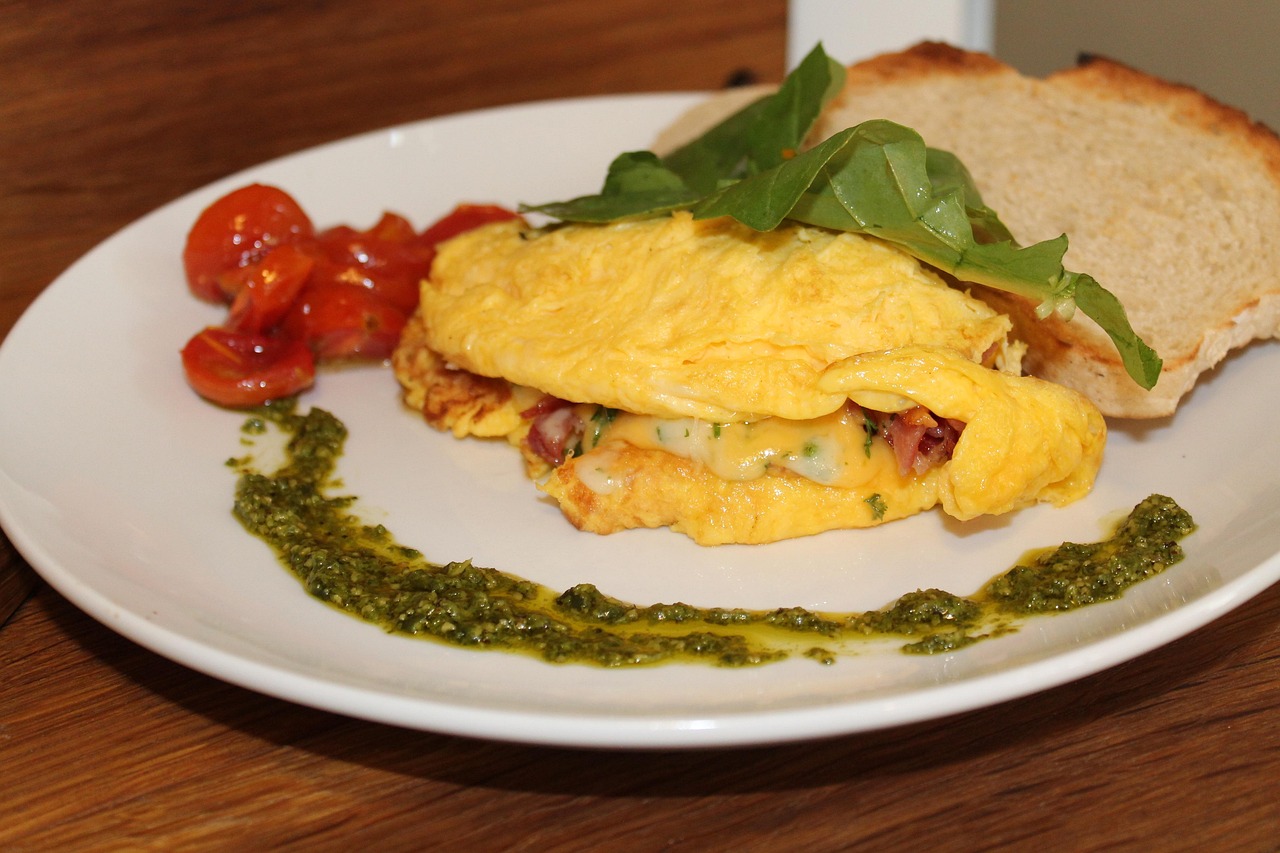
    · The “Bedtime” Meal: After your shift, don’t go straight to a huge breakfast. Have a small, carbohydrate-light meal like a small omelet or a smoothie to help your body wind down for sleep.

    A Dose of Humor and Reality

    Will you always have a perfectly prepped bento box with quinoa and steamed kale? Of course not. Some days, the victory is remembering to eat the granola bar you shoved in your pocket last week. The goal is progress, not perfection.

    Remember that patient who insists they “barely eat anything” but can’t understand why they’re gaining weight? Don’t be that patient. Your body is your most essential piece of medical equipment. You wouldn’t run a vital signs monitor on dead batteries. Don’t run your brilliant, capable, life-saving self on fumes and frustration.

    So, take a deep breath, drink some water (yes, right now), and make a small plan. Your patients need you at your best. And frankly, so do you. Now, if you’ll excuse me, my coffee is getting cold… again.

  • The Nurse’s Plate: Fueling the Frontlines, One Bite at a Time

    The Nurse’s Plate: Fueling the Frontlines, One Bite at a Time

    Let’s be real. The term “nurse’s diet” probably conjures up images of lukewarm coffee, a half-eaten granola bar found at the bottom of a pocket, and a desperate prayer to the vending machine gods. Your “lunch break” is often a mythical creature, rumored to exist but rarely seen in the wild.

    We get it. When you’re running a marathon of shifts, saving lives and holding hands, your own well-being tends to slide down the priority list, right behind “charting” and “finding a working pen.” But here’s the deal: you can’t pour from an empty cup, or in this case, run on an empty tank. Your body is the most essential piece of medical equipment you have. It’s time we treated it with the same respect we give our patients.

    The “Code Brown” of Bad Eating Habits

    First, let’s diagnose the problem. What does the typical “too-busy-to-eat” diet look like?

    · The Sugar Siren’s Call: That 3 PM slump hits, and the only solution seems to be a hit of quick energy. Enter: cookies, candy, soda. It’s a trap! This leads to a sugar crash that makes you feel more drained than before, turning a busy shift into a Herculean effort.
    · The Hydration Hoax: Coffee is not water. Let’s say it again for the people in the back. While that third cup of liquid motivation feels necessary, it can dehydrate you and add to the jitters. Dehydration masquerades as hunger, fatigue, and even brain fog—not ideal when you’re calculating dosages.
    · The Fast Food Fallback: After a 12-hour shift, your brain has the executive function of a soggy teabag. The idea of cooking is as appealing as a surprise audit. So, the drive-thru wins. Again.

    This isn’t about guilt; it’s about physiology. Poor nutrition turns you into a sputtering engine when you need to be a well-oiled machine.

    The Prescription for Power Eating

    Fear not! With a little strategy, you can fuel your frontline heroics without adding hours to your day.

    1. Master the Meal Prep Marathon (It’s Less Scary Than It Sounds)

    Think of meal prep as preventative healthcare for your future, exhausted self. You don’t need to become a gourmet chef. Just spend an hour or two on your day off being your own kitchen assistant.

    · Cook Once, Eat Thrice: Grill a batch of chicken breasts, roast a whole tray of vegetables (broccoli, sweet potatoes, bell peppers), and cook a big pot of quinoa or brown rice.
    · The Mason Jar Miracle: Salads in a jar are your best friend. Layer dressing at the bottom, then hardy ingredients like chickpeas or cucumbers, then grains, then proteins, and finally, delicate greens on top. When you’re ready to eat, shake it up! No soggy lettuce in sight.
    · Embrace the Freezer: Soups, stews, and chilis are freezer-friendly gold. Make a huge batch and freeze individual portions. It’s a homemade TV dinner that actually loves you back.

    2. Snack Like a Pro

    Snacks are not the enemy; they are your strategic allies. The goal is protein + fiber + healthy fat. This combo provides sustained energy, not a fleeting sugar high.

    · Go-To Grab Bag: Keep a small cooler or your locker stocked with:
    · Greek yogurt
    · A handful of almonds and an apple
    · Hard-boiled eggs (peel them beforehand—trust us)
    · Baby carrots and single-serving hummus cups
    · String cheese
    · A quality protein bar (check the sugar content!)

    3. Hydrate or Diedrate (We Had To)

    Water is the WD-40 for your brain and body.

    · Get a Big, Marked Water Bottle: A 1-liter bottle with time markers is a fantastic visual reminder. Your goal: finish one by lunch, another by the end of your shift.
    · Infuse It: If plain water bores you, add cucumber, lemon, mint, or berries.
    · Schedule Your Sips: Make it a rule—a big gulp of water after every patient check, or every time you finish charting a note.

    The Final Diagnosis

    Nursing is a physical, mental, and emotional sprint. You counsel, you lift, you comfort, you think critically. The food you eat is the literal fuel for all of it.

    So, the next time you’re tempted to survive on caffeine and goodwill, remember: taking five minutes to eat a proper snack isn’t a luxury. It’s a critical part of the job. It’s how you keep your mind sharp for a critical diagnosis, your hands steady for an IV start, and your spirit strong for the patient who just needs a moment of your time.

    Your patients rely on you. But first, you must rely on the power of a good meal. Now, go forth and conquer your shift. And maybe eat a vegetable.

  • Fueling the Front Lines: A Nurse’s Guide to Not Eating Like a Garbage Disposal

    Fueling the Front Lines: A Nurse’s Guide to Not Eating Like a Garbage Disposal

    Let’s be real. The term “nurse’s diet” often brings to mind a sad, cold cup of coffee, half a granola bar found at the bottom of a pocket, and a vending machine candy bar inhaled in a 90-second window of opportunity. Your patients get carefully calculated meals on little trays, while your sustenance plan looks like it was designed by a cartoon villain.

    But here’s the hard truth, superhero: you can’t pour from an empty cup. And that cup definitely shouldn’t be filled with just caffeine and desperation. Fueling your body properly isn’t a luxury; it’s a critical piece of medical equipment, as essential as your stethoscope.

    Why Your Body is a High-Performance Machine (That You’re Probably Fueling with Mud)

    Think of your 12-hour shift as a marathon interspersed with sprints. It requires:

    · Sustained Energy: Complex carbs and healthy fats are your slow-burning logs, keeping the fire of your focus and stamina alive.
    · Mental Sharpness: Omega-3s, antioxidants, and proper hydration are the WD-40 for your brain, preventing those 3 AM mental crashes.
    · Emotional Resilience: When you’re running on empty, your patience wears thin. Stable blood sugar is your best defense against snapping at the 15th call light for a warm blanket.

    When you eat a sugar-laden “lunch,” you’re giving your body a quick, fizzy rocket fuel that results in a spectacular crash just in time for your second round of meds. You become shaky, irritable, and foggy—the exact opposite of what your patients need.

    The Usual Suspects: Dietary Downfalls on the Floor

    · The Caffeine IV Drip: Coffee is life, but it’s not food. It dehydrates you and, on an empty stomach, can cause jitters and anxiety.
    · The Sugar Siren’s Call: That donut in the breakroom is tempting, but it’s a trap. It offers a fleeting high followed by a deep energy valley.
    · The “I Have No Time” Excuse: This is the biggest hurdle. But with a little strategy, you can outsmart the clock.

    Operation: Nourish the Nurse – Your Battle Plan

    This isn’t about a restrictive diet; it’s about an upgrade. Think tactical.

    1. The Meal Prep Mission (Your Sunday Superpower) Dedicate one hour on your day off. It’s a non-negotiable investment in your week.

    · Cook Once, Eat Thrice: Grill a pile of chicken breasts, bake a whole tray of salmon, or simmer a big pot of chili or lentil soup.
    · Chop It Like It’s Hot: Pre-cut bell peppers, carrots, cucumbers, and celery. Store them in water to keep them crisp.
    · Embrace the Mason Jar: Salads in a jar are your best friend. Layer dressing at the bottom, then hardy veggies, proteins, grains, and delicate greens on top. No more soggy lettuce!

    2. The Snack Attack Arsenal Banish the vending machine from your mind. Your locker should be a well-stocked pantry.

    · The Protein Powerhouses: Hard-boiled eggs, individual Greek yogurts, a handful of almonds, single-serve nut butter packets.
    · The Fiber Fill-Ups: An apple, a pear, a handful of berries. Pair them with a few nuts for a balanced snack.
    · The No-Prep Heroes: Beef jerky, whole-grain crackers, low-sugar protein bars (read the labels!), and edamame.

    3. Hydration Station: Beyond the Coffee Pot Dehydration masquerades as hunger and fatigue.

    · Get a Big, Beautiful Water Bottle: One with time markers can be a fun, motivating reminder. Aim to fill and finish it at least twice during your shift.
    · Infuse It: Toss in some lemon, cucumber, mint, or berries. Suddenly, water is an event.
    · Herbal Tea is Your Friend: A warm, non-caffeinated tea in the afternoon can be soothing without sabotaging your sleep.

    4. Conquering the Night Shift Metabolism Working while the world sleeps is a nutritional nightmare. Your goal is to trick your body into thinking it’s daytime, metabolically speaking.

    · The “Big Lunch” Before Work: Have your largest meal before your shift starts, around 5-6 PM, as if it were dinner.
    · “Lunch” at Midnight: Pack a solid, balanced meal for the middle of your shift. A quinoa bowl with chicken and roasted veggies, or a whole-wheat wrap with turkey and avocado.
    · The 3 AM “Snack”: This should be light and protein-focused to avoid a heavy stomach when you’re trying to wind down for the day. A small yogurt or a protein shake is perfect.
    · Avoid Heavy, Greasy Foods: They will make you sluggish and can disrupt your sleep when you get home.

    The Final Chart Note

    You are the most important patient on your floor. You advocate for everyone else’s health; it’s time to include yourself in that circle of care. Eating well isn’t about being perfect; it’s about being proactive. It’s about choosing the trail mix over the candy bar more often than not. It’s about drinking that extra glass of water.

    When you fuel yourself with intention, you’re not just feeding a body. You’re fortifying a mind, sustaining a spirit, and ensuring that the incredible nurse you are has the energy to keep doing what you do best: being a hero, one healthy bite at a time.

    Now, go forth and conquer your shift. And for heaven’s sake, eat something that wasn’t manufactured to survive a nuclear winter. You’ve earned it.

  • From Stethoscopes to Snack-toscopes: A Nurse’s Guide to Not Running on Empty

    From Stethoscopes to Snack-toscopes: A Nurse’s Guide to Not Running on Empty

    Let’s be real. The concept of a “lunch break” in nursing is often a mythical creature, right up there with a fully stocked pyxis at 3 a.m. and a shift with no call lights. Your “diet” can sometimes consist of whatever can be inhaled in under three minutes between a code brown and a new admission. You’re not just running on caffeine; you’re sprinting on it, fueled by the sheer willpower to keep your patients alive and your sanity intact.

    But here’s the hard truth, straight from one healthcare warrior to another: you cannot pour from an empty cup. Or in this case, you cannot start an IV, calm a frantic family, or accurately chart a novel’s worth of notes on a diet of stale vending machine cookies and lukewarm coffee.

    Think of your body as your most critical piece of medical equipment. You wouldn’t use a glucometer with dead batteries, so why run your own engine on fumes? Proper nutrition isn’t just about fitting into your scrubs; it’s the bedrock of your energy, mood, focus, and immune system. Let’s hack the system and make nutrition work for us, not against us.

    Part 1: The Usual Suspects (And Why They’re Sabotaging You)

    We’ve all been there. The 3 p.m. slump hits like a ton of bricks, and the siren song of the snack trolley is irresistible. But let’s diagnose our common dietary pitfalls:

    · The Sugar Rollercoaster: That candy bar or sugary soda gives you a rapid spike of energy, followed by an even more dramatic crash. This leads to irritability, brain fog, and—you guessed it—more cravings. It’s a vicious cycle that leaves you more drained than before.
    · The Salty Saboteur: Chips and pretzels are the go-to for a quick, mindless munch. But high sodium can lead to bloating and dehydration, which is the last thing you need when you’re already running around like a madman.
    · The Liquid “Lunch”: If your primary source of sustenance is coffee, you’re not eating; you’re just caffeinating. While a cup (or three) is a sacred ritual, it’s not a food group. Relying on it leads to jitters, anxiety, and that inevitable crash.

    Part 2: The Strategic Fuel-Up: Eating Like a Nursing Ninja

    Forget restrictive diets. This is about strategy. It’s about building a nutritional “code cart” for your shift.

    1. The Power of Protein and Fiber (The Dynamic Duo): This pair is your best friend for sustained energy. They digest slowly, keeping you full, stable, and preventing those energy nosedives.

    · Pro-Tip: Pair an apple (fiber) with a tablespoon of peanut butter (protein and healthy fat). Or mix Greek yogurt (protein) with a handful of berries (fiber). This combo is a shift-saver.

    2. Hydration Station: Water is Your Wingman: Dehydration mimics fatigue. Before you reach for another coffee, chug a glass of water. Keep a large, identifiable water bottle at your station. Set a goal—like finishing it by the end of your round—to make it a game.

    · Fun Flavor Hack: Infuse your water with cucumber, mint, lemon, or berries. It feels fancy and makes hydration more appealing.

    3. Master the Meal Prep (Without Needing a Culinary Degree): “I don’t have time” is our universal mantra. But meal prep doesn’t have to be Instagram-worthy. It’s about assembly, not artistry.

    · The “Bento Box” Approach: On your day off, spend one hour creating adult lunchables. Hard-boiled eggs, cheese cubes, cherry tomatoes, baby carrots, hummus, whole-wheat crackers, and slices of turkey or chicken. No cooking required, just assembly. Grab and go.
    · The Freezer is Your Friend: Make a huge batch of soup, chili, or stew and freeze it in individual portions. It’s a homemade “TV dinner” for those exhausting days.

    4. The Snack Survival Kit: Arm yourself against poor choices by having a secret stash. Keep a small, insulated lunch bag in your locker or break room with non-perishable, healthy options.

    · Top Tier Snacks: Mixed nuts, trail mix (watch the sugar!), protein bars (check the label for low sugar), whole fruit, single-serve packs of olives, or whole-grain rice cakes.

    Part 3: Beyond the Food: The Mindful Munch

    Finally, let’s talk about how we eat. Yes, sometimes you’ll be shoveling food down while documenting. But when you can, try for a “mindful minute.”

    Sit down. Just for 60 seconds. Take three deep breaths before your first bite. Chew slowly. Taste the food. This tiny act of mindfulness can reduce stress, improve digestion, and signal to your brain that you’re actually eating, which enhances satisfaction.

    You are a superhero in scrubs. Your job is to care for others with compassion and expertise. Extend that same compassion to yourself. Fuel your incredible body with the same intention you bring to your patients. Because a well-fed nurse is a clear-headed, energetic, and resilient nurse. And the healthcare system desperately needs more of those.

    Now, go forth and conquer your shift. And maybe eat a vegetable.

  • Tired, Wired, or Well-Fired? A Nurse’s Guide to Not Eating Like a Garbage Disposal

    Tired, Wired, or Well-Fired? A Nurse’s Guide to Not Eating Like a Garbage Disposal

    Let’s be real. The term “nurse’s diet” shouldn’t be a thing. Yet, if you’ve ever found yourself mainlining coffee like it’s an IV drip, surviving on a “mystery meal” from the vending machine at 3 AM, or considering a handful of stale crackers from the nutrition room a legitimate dinner, you know it is.

    We are the ultimate caregivers, the masters of multitasking, the calm in everyone else’s storm. But when it comes to feeding ourselves, our strategy often resembles a scavenger hunt conducted by a sleep-deprived squirrel. It’s time to change that. Because you can’t pour from an empty cup, and you definitely can’t run a code on a stomach full of regret and sugar.

    Part 1: The Gauntlet – Why Eating Well as a Nurse is an Extreme Sport

    First, a moment of recognition for the unique culinary challenges we face. This isn’t about a lack of willpower; it’s about a system designed to test it.

    · The Time Warp: Your lunch “break” is often a 5-minute window sandwiched between med passes and a rapid response. There’s no time for a leisurely salad. The food that wins is the one that can be unwrapped and consumed the fastest. This is why cookies triumph over kale.
    · The Stress Saboteur: When your cortisol is soaring because you’re managing four critical patients, your brain doesn’t crave a quinoa bowl. It screams for quick, high-fat, high-sugar energy. That dopamine hit from a chocolate bar is a biological response to chaos, not a character flaw.
    · The Night Shift Vortex: Your body’s internal clock is begging for sleep, but you’re asking it to digest a full meal at 2 AM. The result? Often, we either eat nothing (bad) or eat everything in sight (also bad). The world of “normal” food is closed, leaving pizza and gas station burritos as the dubious knights in shining armor.

    Part 2: The Strategy – From Scavenger to Sovereign of Your Lunchbox

    Conquering this requires a strategy more detailed than your patient handoff. Forget perfection; aim for “better-than-the-alternative.”

    1. The Meal Prep Power Hour. Yes, it’s the advice everyone gives, but for a reason. It’s your forcefield against poor decisions. This doesn’t mean spending your one day off cooking for eight hours.

    · Batch and Grab: Cook a large batch of one protein (grilled chicken, hard-boiled eggs, lentils), one complex carb (quinoa, brown rice, roasted sweet potatoes), and chop a bunch of veggies.
    · The “Assembly Line” Lunch: Each morning (or the night before), grab a container and assemble: handful of greens, scoop of carb, scoop of protein, handful of veggies. Add a healthy fat like avocado or a simple vinaigrette in a separate tiny container. Boom. A meal that beats the vending machine in both taste and dignity.

    2. Master the Art of Snacking (Like a Boss). Snacks aren’t the enemy; poorly chosen snacks are. Your goal is to pair a protein or fat with a fiber-rich carb to maintain energy and blood sugar.

    · The “Desk Drawer Arsenal”: Keep this stocked.
    · Mixed nuts and seeds
    · Protein bars (look for low sugar, high protein)
    · Apples, bananas, and oranges (nature’s fast food)
    · Single-serve packets of nut butter
    · Greek yogurt
    · The “Pocket Snack”: Always have a small, non-perishable snack in your pocket. A handful of almonds can be the difference between making a rational decision at the end of your shift and devouring a entire birthday cake from the break room.

    3. Hydrate or Deteriorate. Coffee is life, but it’s not hydration. Dehydration masquerades as hunger, fatigue, and a headache. Keep a large water bottle at your station. Mark it with times or use a bottle with time markers as a fun challenge. If plain water is boring, infuse it with lemon, cucumber, or berries.

    Part 3: A Little Humor with Your Hummus (Because We Need It)

    Let’s be honest, sometimes the best-laid plans go out the window when someone brings in a box of donuts. So, here’s a little truth in jest.

    · The Stages of Nurse Hunger:
    1. Peckish: “I could eat.”
    2. Hangry: “I will eat this entire charting computer if someone doesn’t move.”
    3. The “Nurse Hungry”: A state of ravenous desperation where you would happily eat a lukewarm, unidentifiable casserole left in the break room fridge since 2017.
    · A Nurse’s Food Pyramid:
    · Base: Coffee (in various temperatures and stages of consumption).
    · Second Tier: Things you can eat with one hand while charting with the other.
    · Third Tier: Food gifted by grateful patients’ families.
    · Apex: A hot, sit-down meal you actually cooked and enjoyed on your day off (mythical to some).

    The Final, Uncharted Vitals Sign: Nourishing You

    Caring for yourself isn’t selfish; it’s essential. You are a healthcare professional whose own health matters. When you fuel your body with food that sustains you, you’re not just avoiding a crash. You are sharpening your mind for critical decisions, fortifying your energy for those long walks down the unit, and building the resilience to be the amazing nurse you are.

    So, the next time you’re racing through your shift, remember: you are a highly skilled, intelligent, and capable professional. You deserve better than to eat like the hospital’s garbage disposal. Pack that snack. Chug that water. And for heaven’s sake, if you do eat the donut, enjoy every single crumb without an ounce of guilt. You’ve earned it.

    Now, go conquer your shift. Well-fed.

  • Coffee is Not a Food Group: A Nurse’s Guide to Not Running on Empty

    Coffee is Not a Food Group: A Nurse’s Guide to Not Running on Empty

    Let’s be real. The term “nurse’s diet” probably brings to mind a thrilling menu of: half a cold coffee, three crackers snatched from a patient’s tray, a chocolate bar for “emergency energy,” and whatever deep-fried goodness the hospital cafeteria is peddling at 3 a.m. Your lunch “hour” is a myth, a beautiful, fictional concept like unicorns or a fully stocked utility room.

    We spend our shifts advocating for our patients’ health, meticulously tracking their intake, and educating them on proper nutrition. Meanwhile, our own bodies are running on fumes and caffeine. It’s time for an intervention, folks. This is your friendly, non-judgmental guide to fueling the very engine that keeps the healthcare machine running: you.

    The “Why”: Beyond the Growling Stomach

    This isn’t about fitting into your scrubs (though that can be a nice side effect). It’s about performance, sanity, and survival.

    1. The Brain on Empty: When your blood sugar resembles a rollercoaster designed by a sadist, your cognitive function plummets. Med calculations become a high-stakes guessing game, and finding a vein feels like a philosophical quest. Proper, stable energy from food means sharper focus, better memory, and fewer “wait, what was I doing?” moments.
    2. Emotional Armor: Hangry is not just a mood; it’s a professional hazard. Low blood sugar amplifies stress, irritability, and compassion fatigue. A well-fed nurse is a more resilient, patient, and kind nurse—both to patients and to the intern who just asked a very, very silly question.
    3. Physical Fortitude: Twelve hours on your feet is an endurance sport. It requires strength, stamina, and a robust immune system. Skipping meals or living on junk weakens your defenses, making you a prime target for every bug doing the rounds on the ward.

    The “How”: Strategies for the Chronically Time-Poor

    Okay, we’ve established you need to eat. But how, in the name of all that is holy, do you manage it? With strategy, not just willpower.

    1. The Meal Prep Messiah: Yes, we’re going there. Spending one to two hours on your day off prepping food is not a chore; it’s an act of self-preservation. Think in components, not complicated recipes:

    · Proteins: Grill a bunch of chicken breasts, hard-boil a dozen eggs, or marinate and bake a block of tofu.
    · Complex Carbs: Cook a big pot of quinoa, brown rice, or farro. Roast a tray of sweet potatoes and regular potatoes.
    · Veggies: Chop bell peppers, cucumbers, and carrots. Wash a head of lettuce. Get a bag of pre-washed spinach (no shame in the convenience game).

    Assembly: Now, you can throw together a nourishing bowl in minutes. Greens + quinoa + chicken + veggies + a dollop of pesto or hummus. Boom. Lunch.

    2. The Snack Attack Survival Kit: Assume that you will get interrupted. Assume you will need emergency fuel. Your locker (or cargo pant pockets) should be a mini-market of healthy options.

    · The Classics: Mixed nuts, Greek yogurt, an apple, a banana, a protein bar (check the sugar content!).
    · The Power Players: Single-serving packets of nut butter, beef jerky, cheese sticks, edamame pods, or a small tub of olives.
    · The Hydration Heroes: A giant, obnoxiously colorful water bottle. Set a goal to finish it by a certain time. Herbal tea bags for a warm, caffeine-free pick-me-up. Because sometimes, you just need to drink something that isn’t coffee or the tears of frustration.

    3. Conquering the Cafeteria Conundrum: The hospital cafeteria is a siren song of grease and quick fixes. Navigate it wisely.

    · Seek the Salad Bar: But be smart. Load up on leafy greens, beans, and lean proteins. Go easy on the creamy dressings and bacon bits.
    · Grilled Over Fried: Always. This is a non-negotiable.
    · Soup is Your Friend: A broth-based soup with vegetables and protein can be a warm, satisfying, and quick option.
    · Beware the “Energy” Trap: Those giant muffins, cookies, and pastries are sugar bombs designed to give you a 20-minute high followed by a catastrophic crash. They are not your friends.

    The “When”: Scheduling Your Fuel Stops

    Your body doesn’t care that Mr. Johnson in Room 204 just pulled out his IV for the third time. It needs a consistent energy supply.

    · The Power-Up Breakfast: Even if it’s a protein shake chugged in the car, or oatmeal eaten while scrolling through the shift handover, don’t skip it. It sets your metabolic tone for the day.
    · The Strategic Snack: Mid-morning and mid-afternoon, around 10 a.m. and 3 p.m., are classic crash times. This is when you deploy your survival kit snack. Eat it while charting, if you must.
    · The “I Will Take This 10 Minutes” Lunch: Seriously. Sit down. Even if it’s in the break room with the slightly weird smell. Step away from the screen. Breathe. Chew your food. Your mind and your digestive system will thank you.

    A Final Prescription

    Think of food not as an inconvenience, but as part of your professional toolkit, as essential as your stethoscope. You are a healthcare hero, but even heroes need to refuel. So, put down that sad cafeteria muffin, chug some water, and make a plan. Your patients, your colleagues, and your future, well-nourished self will be incredibly grateful.

    Now, go forth and eat like the clinical rockstar you are

  • Nurses and Nutrition: Because Superheroes Need Fuel Too

    Nurses and Nutrition: Because Superheroes Need Fuel Too

    Let’s be honest: the life of a nurse is a masterclass in controlled chaos. You’re a medical detective, a compassionate shoulder, a logistics wizard, and occasionally, a human shield between a grumpy patient and their uneaten Jell-O. In this 12-hour whirlwind of adrenaline, empathy, and endless steps, there’s one crucial patient that often gets neglected: you.

    And what does this most important patient survive on? The legendary “Nurse’s Diet.” It’s a sophisticated regimen consisting of whatever can be scavenged from the vending machine, scalded in a microwave in under 90 seconds, or eaten with one hand while charting with the other. If it’s beige, caffeinated, and wrapped in plastic, it’s probably on the menu.

    But here’s the hard pill to swallow (pun intended): you can’t pour from an empty cup. Running on fumes and frosted cupcakes might get you through one shift, but it’s a surefire path to burnout, compassion fatigue, and a metabolic mutiny. Treating your body like a high-performance machine isn’t a luxury; it’s a professional necessity.

    The “Why”: More Than Just a Rumbling Tummy

    You already know the textbook reasons for eating well. But let’s frame it in the language of your reality.

    1. The Brain Fog Buster: That 3 PM crash where you stare at a medication order as if it’s written in ancient hieroglyphics? That’s often a blood sugar nosedive. A steady supply of complex carbs, lean protein, and healthy fats provides a slow, sustained energy release, keeping your cognitive sharpness—your most critical tool—finely honed.
    2. The Emotional Armor: Stress eating is real, especially when your shift feels like a never-ending episode of a medical drama. While a sugar rush offers a fleeting comfort, it’s followed by a crash that can amplify feelings of anxiety and irritability. Nutrient-dense foods help regulate stress hormones, building resilience against the emotional rollercoaster.
    3. The Immune System Force Field: You work in a petri dish of spectacular germs. Your immune system is your first line of defense. Loading up on vitamins (like C and D), zinc, and antioxidants from fruits and vegetables is like issuing your body a set of top-tier personal protective equipment from the inside out.

    The “How”: A Tactical Guide to Shift-Worthy Nutrition

    Forget complicated diet plans. This is about strategy, not sorcery.

    1. The Meal Prep Mission (It’s Less Scary Than It Sounds) You don’t need to spend your one day off cooking like a Michelin star chef. “Meal prep” can simply mean:

    · Hard-boiling a dozen eggs for a quick protein fix.
    · Chopping a week’s worth of veggies (carrots, bell peppers, cucumbers) and hummus for dipping.
    · Cooking a large batch of quinoa or brown rice to use as a base for bowls.
    · Portioning out nuts, seeds, and dried fruit into small containers for grab-and-go snacks.

    2. The Art of the “Desk-fe” (Desk + Charcuterie) Since sitting down for a full meal is often a fantasy, create a graze-worthy platter. Pack a small container with:

    · Protein: Cubes of cheese, a handful of almonds, a hard-boiled egg, or some sliced turkey.
    · Complex Carbs: Whole-grain crackers, an apple, or a small whole-wheat pita.
    · Healthy Fats: An avocado, a tablespoon of peanut butter, or those almonds again. This keeps your energy stable and can be nibbled on during those rare 5-minute pockets of peace.

    3. Hydration: Your Liquid Lifeline Coffee is the holy water of healthcare, and no one’s taking it away from you. But dehydration masquerades as hunger, fatigue, and headaches. Keep a large, colorful water bottle at your station. Aim to refill it 2-3 times during your shift. Infuse it with lemon, cucumber, or berries if plain water feels like a chore.

    4. The Graceful Grab-and-Go For those days when even meal prep fails you, make smarter emergency choices:

    · Instead of a candy bar: A protein bar with low sugar, or a banana with a tablespoon of peanut butter.
    · Instead of potato chips: A small bag of popcorn or whole-grain crackers.
    · Instead of a soda: Sparkling water or, you guessed it, more water.

    The Final Chart Note

    Think of your body as your most reliable co-worker. You wouldn’t feed your favorite colleague nothing but stale muffins and despair. You are on the front lines, making critical decisions and providing life-changing care. That deserves to be powered by more than just caffeine and hope.

    So, the next time you’re racing through the hallway, remember: taking five minutes to fuel yourself properly isn’t selfish. It’s strategic. It’s what keeps our healthcare heroes not just running, but thriving.

    Now, go enjoy that salad. You’ve earned it.