Let’s be honest. The phrase “nurse’s lunch break” is one of the greatest oxymorons in the English language, right up there with “jumbo shrimp” and “government organization.” Your “lunch” is often a handful of crackers scavenged from the nutrition room, half a granola bar you found at the bottom of your bag, and three sips of cold coffee, all consumed while running between rooms or documenting at a computer.
We are the masters of caring for others, yet when it comes to fueling our own bodies, we often operate on a “hope and a prayer” system. But here’s the deal: you cannot pour from an empty cup. And that cup isn’t just filled with caffeine. Treating your own nutrition as a non-negotiable part of your shift is not self-indulgence; it’s a critical piece of medical equipment.
The Science of Not “Hangrying” at a Code Blue
Think about what a typical 12-hour shift demands: intense mental focus, physical stamina, emotional resilience, and the ability to make split-second decisions. Now, think about what fuels those things. It’s not the sugar rush from a donut or the fleeting satisfaction of a vending machine bag of chips.
When you skip meals or fuel up on simple carbs, you’re setting yourself up for a physiological rollercoaster. Your blood sugar spikes, giving you a brief hit of energy, and then plummets, leaving you irritable, foggy-brained, and fatigued. This is what we call being “hangry” (hungry + angry, a legitimate clinical condition in our world). Do you really want to be making crucial assessments or explaining a complex procedure to a anxious family member when you’re one missed snack away from snapping?
Stable blood sugar, on the other hand, is the foundation of a stable shift. It’s the key to maintaining that legendary “nurse calm” even when all hell is breaking loose.
Building Your Nutritional First Aid Kit
So, how do we move from dietary disaster to nutritional ninja? It’s all about strategy, not willpower.
1. The Power of Protein & Fat: Your Secret Weapons Forget the low-fat craze. For sustained energy, you need protein and healthy fats. They digest slowly, keeping you full and your blood sugar stable for hours.
· Think: Greek yogurt, hard-boiled eggs, a handful of almonds, cheese sticks, hummus, or slices of grilled chicken.
· Pro-Tip: A tub of plain Greek yogurt with a scoop of protein powder mixed in is a powerhouse breakfast that can survive a 4 AM wake-up call and keep you going until your first break.
2. Carbs Are Not the Enemy (Choose Wisely!) Your brain runs on glucose. The trick is to get it from complex carbohydrates that release energy slowly, not the simple ones that cause a crash.
· Ditch: White bread, sugary cereals, pastries.
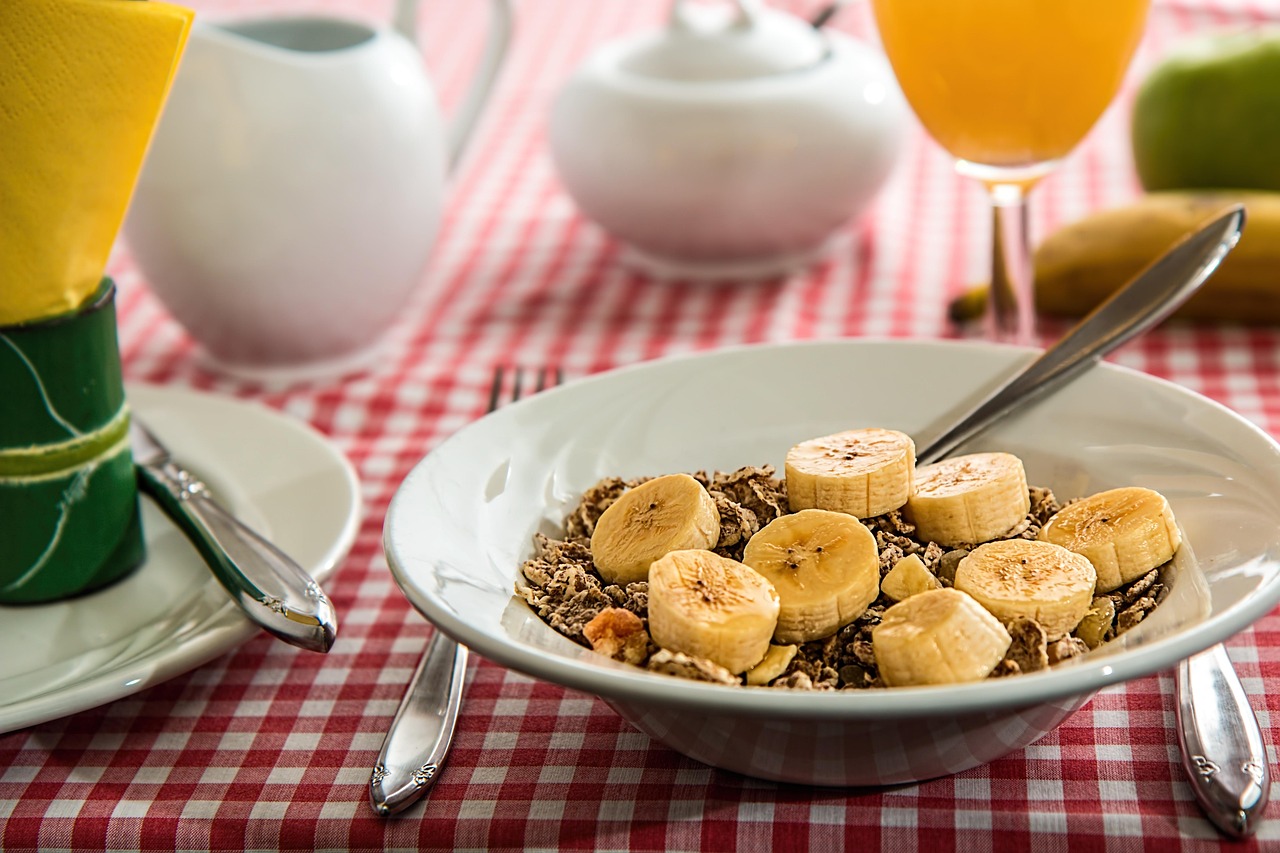
· Embrace: Oatmeal, quinoa, sweet potatoes, whole-grain bread, and all kinds of fruits and vegetables. That banana is nature’s perfect, portable energy gel.
3. Hydration: It’s Not Just About the Coffee We know you live on coffee. We’re not here to take it away. But caffeine is a diuretic, and running around like a superhero leads to dehydration, which masquerades as hunger, headaches, and exhaustion.
· The Goal: Keep a large, reusable water bottle at your station. Aim to refill it 2-3 times during your shift.
· The Hack: For every cup of coffee, drink one cup of water. Your kidneys (and your patient who you haven’t had time to pee for) will thank you.
The “No-Time-To-Eat” Survival Guide
Okay, theory is great. But what about the reality of back-to-back admissions? Plan for the chaos.
· Meal Prep is Non-Negotiable: Spend one hour on your day off. Hard-boil a dozen eggs. Chop vegetables. Portion out nuts and cheese. Cook a large batch of chili or soup. This isn’t for gourmet Instagram posts; it’s for survival. A prepared meal is a battle won before the shift even begins.
· Embrace “Grazing”: A formal 30-minute lunch might be a fantasy. Instead, pack several small, nutrient-dense snacks. Eating something small every 2-3 hours is often more effective and manageable than one big meal.
· The Locker Stash: Always have emergency rations in your locker: a jar of peanut butter, some whole-grain crackers, and a few protein bars for those shifts that go completely off the rails.
Beyond the Physical: Food as Armor
Finally, let’s talk about mental health. Nursing is emotionally draining. We often reach for comfort food to cope with stress and trauma. There’s no shame in that. But building a foundation of good nutrition strengthens your emotional resilience. When your body is properly fueled, you are better equipped to handle the psychological demands of the job. It’s a form of self-care that is as important as any debriefing session.
So, the next time you’re gearing up for a shift, remember: your stethoscope is important, your comfortable shoes are vital, but the food you pack is your secret weapon. It’s the fuel that powers the compassion, the clarity, and the calm that you bring to every patient, every day.
Don’t just be a healthcare hero for others. Be one for yourself, one mindful bite at a time.
Leave a Reply