Let’s be real. The term “nurse’s diet” probably brings to mind a few key food groups: lukewarm coffee, whatever leftover pudding cup is in the patient’s fridge, a granola bar fished from the depths of a locker from the Clinton era, and the profound regret of choosing the cafeteria’s “mystery meat” special.
We’ve all been there. You’re running a code, managing a full patient load, and playing emotional support human all at once. Your own hunger cues are the last priority on the list, right after restocking the blanket warmer. You become a “starving healer,” pouring from an empty cup—or in this case, an empty stomach.
But here’s the hard truth, served with a side of tough love: You cannot care for others on a foundation of caffeine and chaos. Fueling your body isn’t a luxury; it’s a critical piece of safety equipment, just like your stethoscope and comfortable shoes.
Why Your Tank Needs Premium Fuel (Not Just Leftover Jell-O)
Think of your body as the high-performance machine it is. A 12-hour shift is a marathon of physical exertion and mental gymnastics.
· The Brain Drain: Your brain runs exclusively on glucose. When you skip meals or eat sugary junk, your blood sugar does the Macarena. One minute you’re on top of the world, the next you’re trying to remember your own name while looking for the WBC count you wrote down 30 seconds ago. Stable energy from complex carbs, healthy fats, and protein is what keeps you sharp for critical thinking and medication calculations.
· The Emotional Rollercoaster: Hangry is not just a cute word. It’s a real physiological state. Low blood sugar can shorten your fuse, making a difficult family member or a frustrating computer system feel like a declaration of war. Proper nutrition helps regulate your mood, making you more resilient in the face of daily stressors.
· The Physical Grind: Running to a rapid response, turning a 300-pound patient, or just being on your feet for hours on end requires strength and endurance. Without proper fuel, your body starts running on fumes, leading to fatigue, muscle loss, and a higher risk of injury.
Conquering the Nutritional Night Shift (and Day Shift)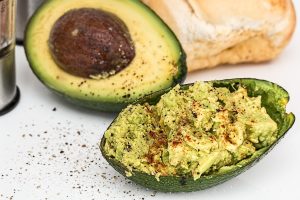
So, how do we escape the cycle of dietary despair? It’s not about a radical, time-consuming overhaul. It’s about strategy.
1. The Meal Prep Miracle (It’s Not Just for Instagram) Yes, we’ve all heard it before. But hear me out. You don’t need to spend your one day off cooking 14 gourmet meals. “Meal prep” can mean:
· Hard-boiling a dozen eggs for a quick protein fix.
· Washing and chopping a bunch of veggies and hummus for snacking.
· Making a giant batch of chili, soup, or stew that you can freeze in individual portions. It’s the gift that keeps on giving.
2. The Art of the “Grab-and-Go” Your lunchbox is your lifeline. Pack it with foods that require zero assembly on the job.
· Protein is Your Pal: Greek yogurt, string cheese, a handful of nuts, pre-cooked chicken strips, edamame, or a single-serving packet of nut butter.
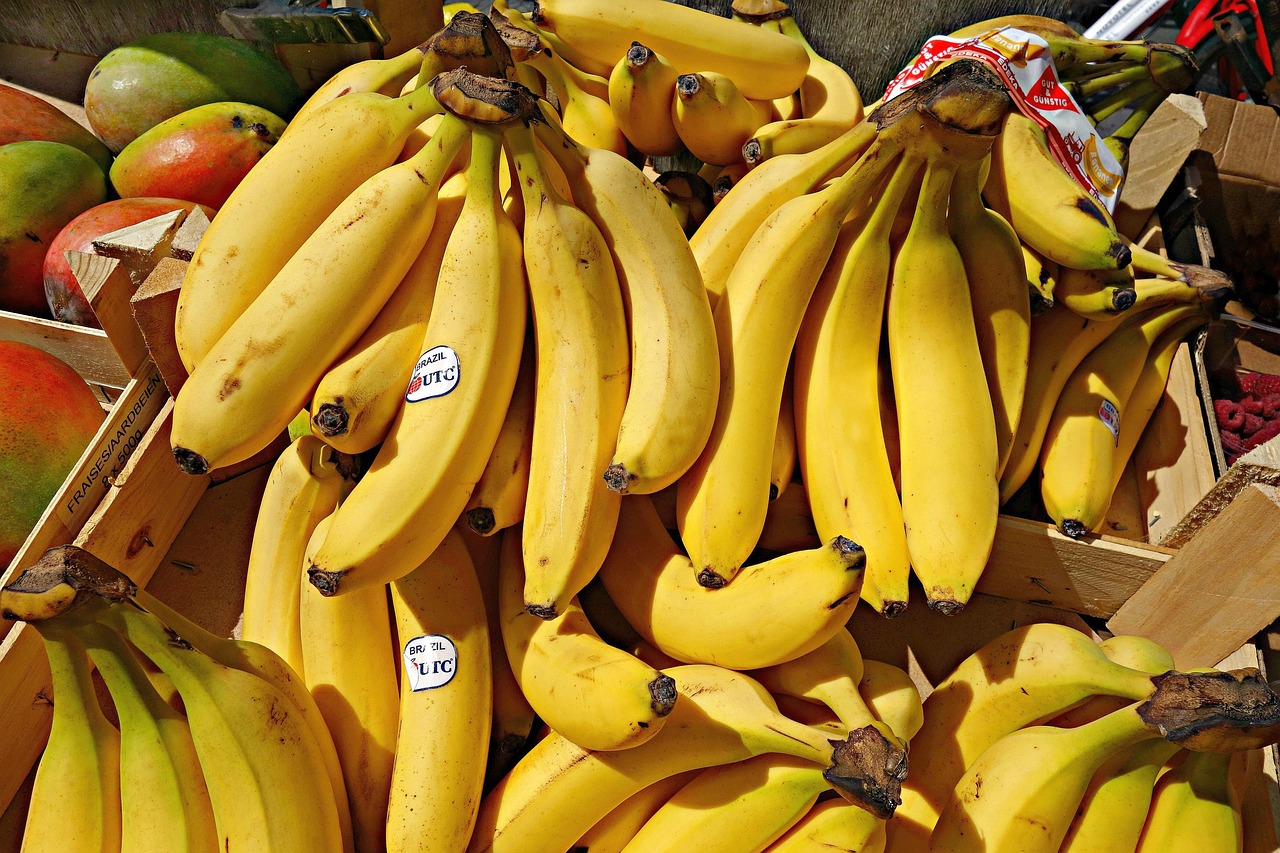
· Complex Carbs for the Long Haul: Whole-grain crackers, an apple, a banana, a small container of quinoa or farro salad, or baby carrots.
· Healthy Fats for Satisfaction: An avocado (just bring a spoon!), a small container of olives, or walnuts.
3. Hydration: Beyond the Coffee IV Drip Coffee is life, but it’s not hydration. In fact, it’s a diuretic. Dehydration masquerades as hunger, fatigue, and a headache. Keep a large water bottle at your station. Mark it with times (e.g., “1000 – Drink up!”) as a visual reminder. Herbal tea or water with a splash of fruit juice or lemon can also be a nice change.
4. The Vending Machine Vanquish We’ve all faced the siren song of the chips and candy bar at 3 a.m. The key is to make your packed food more accessible than the vending machine. If you have a healthy snack in your pocket, you’re less likely to make a beeline for the sugar bomb.
A Sample “Shift-Proof” Eating Plan
· Pre-Shift (at home): A real breakfast. Scrambled eggs with spinach on whole-wheat toast. Or, a smoothie with Greek yogurt, frozen berries, and a scoop of protein powder.
· Mid-Morning “I’m Drowning” Snack: Apple slices with peanut butter. Quick, no mess, and satisfying.
· Lunch (eaten in 7 minutes flat): That pre-made chili or a massive salad with lots of veggies and a can of tuna or chickpeas thrown on top.
· Afternoon “Slump-Buster” Snack: A handful of almonds and a cheese stick.
· Post-Shift (wind-down): Something light and easy. Maybe a small portion of that leftover chili, or some cottage cheese with fruit. Your body needs to recover, not process a giant, heavy meal right before bed.
The Final Chart Note
Fellow nurse, your health is your most valuable asset. Investing in your nutrition isn’t selfish; it’s essential. It’s what allows you to be the brilliant, compassionate, and resilient caregiver you are.
So, the next time you’re tempted to power through on coffee alone, remember: even superheroes need to eat. Now, go drink a glass of water. You’ve earned it.
Leave a Reply