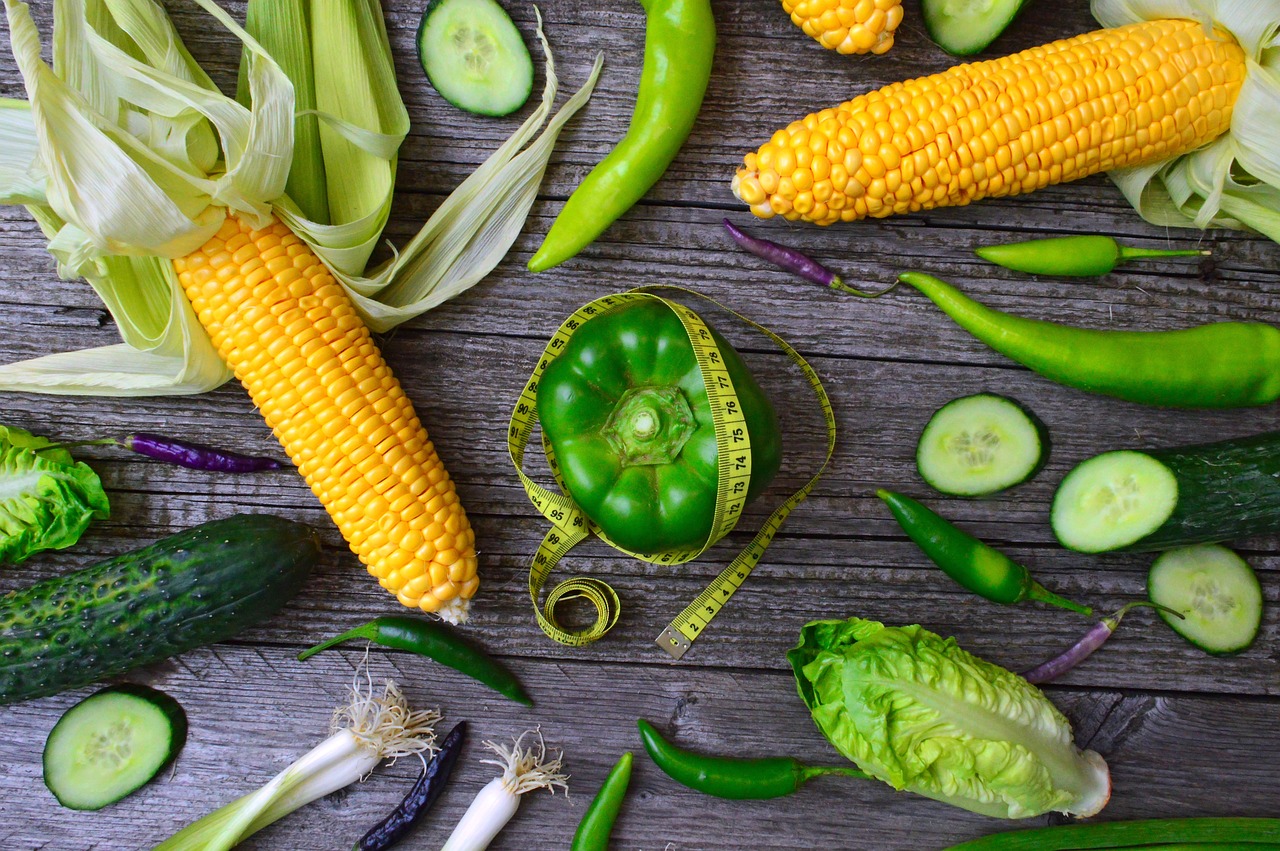
Let’s be real: the “nurse’s diet” is often a fascinating, yet terrifying, concoction of whatever can be inhaled in three minutes flat, lukewarm coffee, and snacks pilfered from the patients’ stash (just kidding… mostly). It’s a culinary landscape dominated by vending machine granola bars and the siren song of the drive-thru after a 12-hour shift that feels like a 24-hour marathon.
But here’s the hard truth, straight from the break room no one has time to sit in: you cannot pour from an empty cup. And if your cup is filled only with caffeine and desperation, you’re running on fumes. Your body is your most critical piece of medical equipment. It’s time we treated it with the same care we give our patients.
Part 1: The “Code Brown” of Bad Eating Habits
We’ve all been there. The clock is your nemesis, and hunger strikes at the most inopportune times. This leads to the classic nursing nutritional pitfalls:
· The Hangry Code Responder: Low blood sugar turns the sweetest nurse into a formidable force. When a patient’s call light becomes the most annoying sound in the universe, it might be time for a snack, not a sedative.
· The Carb-Loaded Coma: A giant plate of pasta or a fluffy bagel for lunch sounds like a great idea until 2 PM hits and you’re fighting to keep your eyes open during charting. Simple carbs give a quick spike, followed by a crash that makes a post-anesthesia wake-up look lively.
· The Hydration Deception: That third cup of coffee is not hydration. It’s a liquid stimulant that, in excess, can actually contribute to dehydration. If your urine could be used as a highlighter, it’s time to visit the water cooler.
These habits aren’t just about feeling sluggish. They impact your mood, your focus, your patience, and ultimately, the quality and safety of the care you provide.
Part 2: The ICU for Your Diet: A Nutritional Intervention
Fear not! Transforming your diet doesn’t require a personal chef or a degree in gourmet meal prep. It’s about strategy, not sophistication.
1. Master the Meal Prep Marathon (It’s Less Scary Than It Sounds) Think of Sunday as your shift prep day. You wouldn’t show up without your stethoscope; don’t show up without your lunch.
· Cook Once, Eat Thrice: Grill a bunch of chicken breasts, roast a tray of colorful veggies (broccoli, bell peppers, sweet potatoes), and cook a big batch of quinoa or brown rice. Mix and match throughout the week.
· The Mason Jar Miracle: Salads in a jar are your best friend. Layer dressing at the bottom, then hardy veggies like chickpeas and cucumbers, then grains, then greens on top. When you’re ready, shake it like you’re mixing medication and enjoy a crisp, non-soggy salad.
· Embrace the Freezer: Soups, stews, and chilis are freezer-friendly heroes. Make a giant pot and portion it out for future-you, who will be eternally grateful.
2. Snack Like a Pro: The Good, The Bad, and The Crunchy Snacking is not the enemy; poorly chosen snacks are.
· The A-Team (Pack These):
· Nuts & Seeds: Almonds, walnuts, pumpkin seeds. A small handful provides protein, healthy fats, and a slow release of energy.
· Greek Yogurt: Packed with protein to keep you full. Add some berries for fiber and a natural sugar kick.
· Hard-Boiled Eggs: Nature’s perfect, pre-packaged protein punch.
· Apple Slices with Peanut Butter: The classic combo of fiber, complex carbs, and protein.
· Hummus and Veggie Sticks: Crunchy, satisfying, and full of nutrients.
· The B-Team (Avoid These):
· Sugar-laden granola bars
· Candy from the gift shop
· Salty chips that make you thirstier
· Anything that comes out of a glistening, fluorescent-lit machine
3. Hydration Station: Beyond the Coffee Pot Water is the WD-40 for your body’s joints. It regulates temperature, keeps your brain sharp, and helps with… well, let’s just say it prevents issues that no nurse wants to deal with, especially in themselves.
· Get a Fun Water Bottle: One with time markers can be a motivating game. “It’s 10 AM, I should be at this line!”
· Infuse It: Toss in some lemon, cucumber, mint, or berries. Fancy water is more enticing water.
· Eat Your Water: Fruits like watermelon, strawberries, and oranges have high water content.
Part 3: The Long-Term Shift: Why This Matters Beyond the Burnout
Eating well isn’t just about surviving your shift. It’s an act of profound self-respect and professional integrity. A well-nourished nurse is:
· Sharper: Better able to make critical decisions and catch subtle changes in a patient’s condition.
· Kinder: More patient and empathetic with patients, families, and—crucially—with colleagues.
· Healthier: Stronger immune system to fight off all those germs you’re exposed to daily.
· More Resilient: Better equipped to handle the physical and emotional toll of the job.
So, the next time you’re racing through your day, remember that taking five minutes to properly fuel up isn’t a luxury—it’s a standard of care. For your patients, and for yourself. You are a healthcare hero. It’s time to eat like one.
Now, go forth and conquer. And maybe hide the donuts in the break room, just for a little while.
Leave a Reply