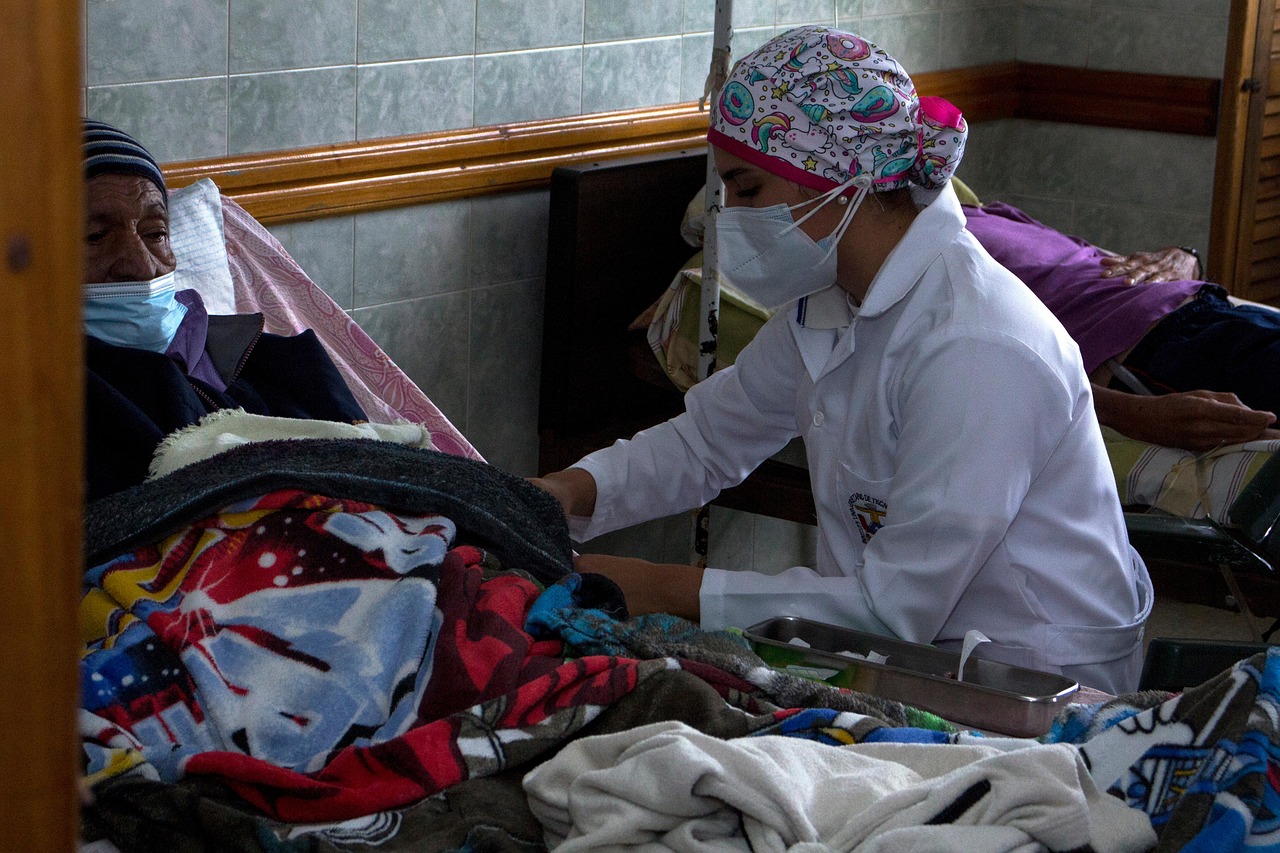
Let’s be honest. The life of a nurse is a masterclass in controlled chaos. You’re a marathon runner, a detective, a therapist, and a human GPS for worried families, all before your first coffee break. In this whirlwind of stat orders and call lights, your own nutrition often becomes an afterthought, something you grab between saving the world one patient at a time.
But here’s the unvarnished truth, straight from the (probably Styrofoam) cup: your diet isn’t just fuel; it’s your most critical, yet wildly underappreciated, piece of medical equipment.
The 12-Hour Shift: A Nutritional Horror Story
Picture this: You start your day with a heroic gulp of coffee. Breakfast? A ghost of a memory. By 10 AM, your stomach is staging a mutiny, so you pacify it with a handful of crackers from the nutrition room. Lunch is a strategic gamble—whatever can be inhaled in under seven minutes while charting. This “meal” is often a fascinating, beige-colored puzzle from the cafeteria or last night’s leftovers, eaten at a temperature best described as “tepid.” The afternoon slump hits, and the siren song of the vending machine, with its shiny promises of sugar and salt, becomes irresistible. You finish your shift feeling like a wrung-out sponge, your brain foggy and your energy reserves deep in the negative.
Sound familiar? This isn’t just a bad day; it’s a blueprint for burnout, compassion fatigue, and a one-way ticket to relying on your own hospital’s cafeteria a little too much.
From Code Brown to Culinary Bliss: A Survival Guide
Fear not, weary healer! Transforming your diet from a disaster zone into a pillar of strength doesn’t require a culinary degree or a time-turner. It’s about strategy, not Michelin stars.
1. The Power of the Prepped Power-Ups. Forget the sad desk salad. Think like a squirrel preparing for winter. Dedicate one hour on your day off to assemble an arsenal of ready-to-go meals.
· The Mighty Mason Jar Salad: Layer dressing at the bottom, then hardy veggies like chickpeas, cucumbers, and cherry tomatoes, with greens on top. Give it a shake at lunchtime, and voilà—crisp, not soggy.
· Batch-and-Grab: Roast a whole tray of chicken breasts, a mountain of quinoa, and a rainbow of vegetables. Mix and match throughout the week for endless, no-thought-required bowls.
· The Smoothie Savior: For those mornings when even chewing feels like a chore, blend spinach, frozen berries, a scoop of protein powder, and almond milk. It’s a nutrient IV drip in a cup.
2. Snack Like You’re on the Code Team. Your snacks should be tactical, not tragic.
· The Dynamic Duo: Always pair a carbohydrate with a protein or fat. An apple with a tablespoon of peanut butter. Greek yogurt with a handful of berries. Carrot sticks with hummus. This combo provides sustained energy, preventing the sugar rollercoaster that ends with you eyeing the patient’s Jell-o.
· Desk Drawer Arsenal: Stock your locker with unsalted nuts, seeds, whole-grain crackers, and low-sugar protein bars. Be the person others come to for a healthy snack, not just the one who has them.
3. Hydrate or Deteriorate. Coffee is a tool, not a hydration strategy. Dehydration masquerades as hunger, fatigue, and a pounding headache. Invest in a large, unspillable water bottle and make it your new sidekick. Set a goal—like finishing it by the end of each round—and watch your energy levels and cognitive function soar. Your kidneys (and your patients) will thank you.
4. Master the Art of the Mindful Minute. You wouldn’t administer medication without checking the label. Don’t eat without acknowledging the food. Even if it’s just 60 seconds, put your phone down, step away from the computer screen, and just eat. Breathe. Chew. This simple act can improve digestion, increase satisfaction, and provide a crucial mental reset in the middle of a hectic day.
Why Bother? The Ripple Effect
When you fuel your body with intention, the benefits cascade through every aspect of your life.
· Sharper Mind: Stable blood sugar means better focus and clearer clinical judgment. No more forgetting where you left the Wound Vac.
· Steadier Energy: You’ll trade the 3 PM crash for sustained vitality, making that double shift feel (slightly) more human.
· Iron-Clad Immunity: A well-nourished body is better equipped to fight off the latest bug doing rounds on the unit.
· Emotional Resilience: Proper nutrition supports neurotransmitter function, helping you maintain that legendary nurse’s compassion even when dealing with a… challenging patient.
You are a healer, a problem-solver, and the backbone of healthcare. It’s time to extend that incredible care and expertise to the most important patient you’ll ever have: yourself. So pack that lunch with the same precision you use to set up a sterile field. Your body—and your patients—are counting on you.
Now, go forth and conquer. And maybe eat a vegetable that isn’t French fry-shaped.
Leave a Reply