Let’s be honest: the term “nurse’s diet” is less about kale smoothies and more about whatever can be inhaled in the three minutes between a code and a charting deadline. It’s a culinary adventure featuring the four major food groups: Caffeine, Caffeine, Things Found in the Vending Machine, and Regret.
We’ve all been there. Your stomach growls so loudly it almost sets off the bed alarm. You eye that lonely, forgotten banana on the break room counter, but then the call light symphony begins, and your dreams of a healthy snack are dashed. You become a creature of pure survival, and the 3 PM sugar crash becomes a predictable, yet unavoidable, occupational hazard.
But what if we could change that? What if we could trade the “crash and burn” cycle for sustained energy? Think of it not as a diet, but as strategic fueling. You wouldn’t put cheap, watered-down gas in a high-performance vehicle, so why do it to your brilliant, life-saving self?
Part 1: The Usual Suspects (And Why They Betray Us)
1. The Liquid Lifeline: Coffee Ah, coffee. The dark, aromatic lifeblood of healthcare. We mainline it like it’s a prescribed IV bolus. The problem isn’t the coffee itself; it’s what we do to it. That “cup of coffee” can morph into a dessert-like concoction of sugary syrups, whipped cream, and enough milk to qualify as a small meal. This sugar-and-caffeine rollercoaster gives you a 20-minute buzz followed by a crushing fatigue that makes even filing paperwork feel herculean.
The Fix: Try being a coffee purist. Or, if that sounds blasphemous, limit the sugary additives. A splash of milk or a sprinkle of cinnamon can work wonders. And for every cup of coffee, chug a cup of water. Dehydration loves to masquerade as exhaustion.
2. The Vending Machine of Despair It’s 2 AM. You’re hungry. The vending machine’s neon glow is both a beacon of hope and a testament to poor life choices. Those chips and candy bars are designed for this exact moment of weakness. They are hyper-palatable, offering a quick hit of salt, sugar, and fat that your stressed brain craves.
The Fix: Outsmart the machine. The best way to avoid a bad decision is to make a good one impossible to avoid. This brings us to…
Part 2: The Master Plan for Strategic Fueling
Meal Prepping: Your Secret Weapon We know, we know. You’re tired of hearing about meal prep. It sounds like something for people with far more time and far fewer bodily fluids to deal with. But hear us out. Meal prep for nurses doesn’t have to be Instagram-worthy. It’s about assembly, not artistry.
· The “Component” Method: Instead of pre-making full meals, prep components. On your day off, cook a big batch of:
· A Protein: Grilled chicken, hard-boiled eggs, chickpeas, or lentils.
· A Complex Carb: Quinoa, brown rice, or roasted sweet potatoes.
· Veggies: Chop bell peppers, cucumbers, and carrots, or buy pre-washed greens. Now, for your shift, you can grab a container and throw in a scoop of each. In 60 seconds, you have a balanced box of real food.
Snack Like a Pro Ditch the concept of three large meals. Your body needs a steady stream of fuel. Pack a “snack arsenal” in your locker or bag.
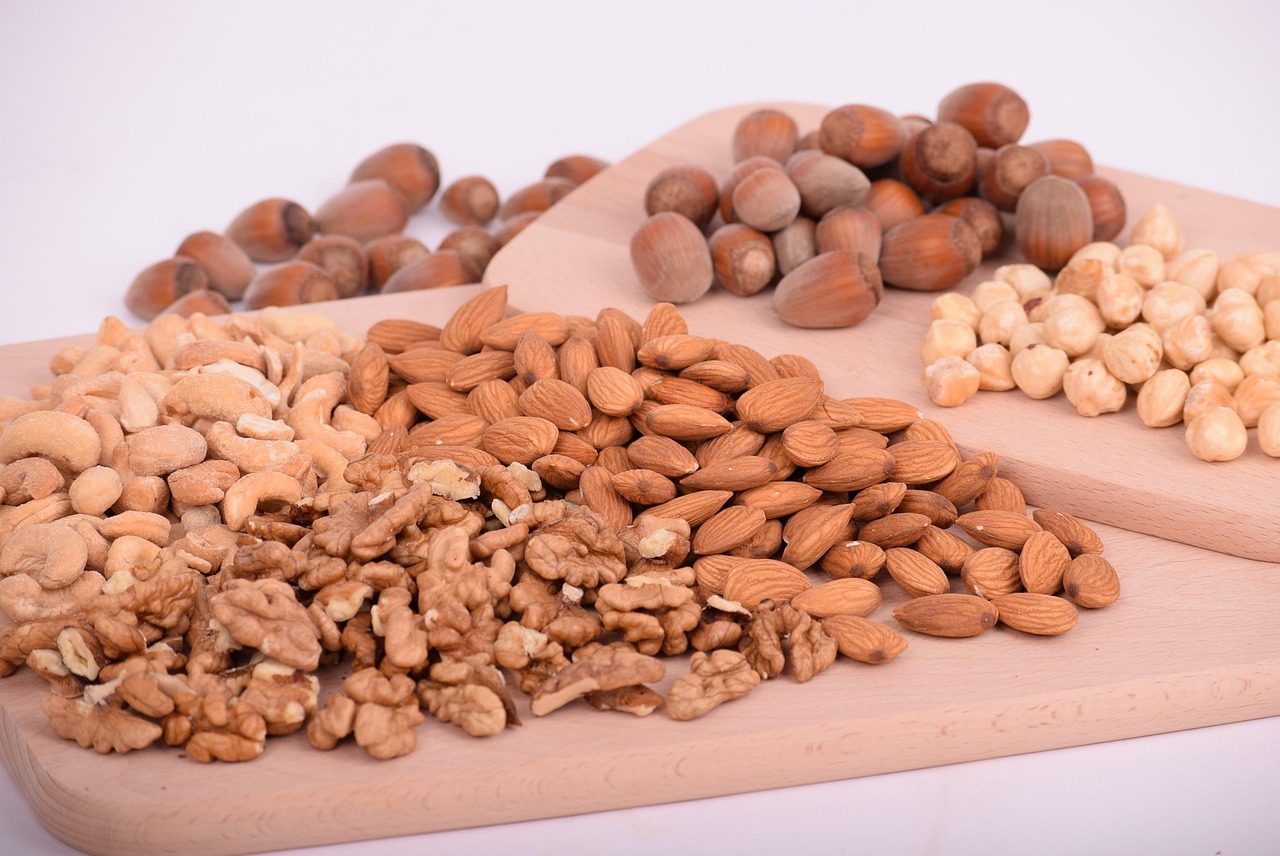
· The Power Players: Greek yogurt, a handful of almonds, an apple with peanut butter, string cheese, or a small tub of hummus with veggie sticks.
· The No-Prep Heroes: Keep these in your locker for emergencies: single-serving packets of nuts, unsweetened applesauce pouches, whole-grain crackers, or a quality protein bar (check the sugar content!).
Part 3: The Mindset Shift: From Guilt to Grace
Some days, despite your best efforts, you will eat a leftover cookie from a grateful patient’s tray while standing over a sink. And that’s okay. The goal is progress, not perfection.
· Hydrate or Diedrate: Water is crucial. It aids cognition, keeps headaches at bay, and helps you differentiate between true hunger and thirst. Get a large, marked water bottle and make it a game to finish it by the end of your shift.
· Listen to Your Gut (Literally): Pay attention to how different foods make you feel. Does that giant burrito make you want to nap at the nurses’ station? Does a protein-rich salad keep you sharper for longer? Your body will give you the data if you listen.
· The 80/20 Rule: Aim to make nourishing choices 80% of the time. The other 20% is for the birthday cake in the break room, the pizza your charge nurse ordered, and the chocolate you deserve after a particularly tough day.
You are on the front lines, making critical decisions, offering comfort, and literally saving lives. You are a healthcare hero. Your body and brain are your most essential tools. By treating them with the same care and intention you show your patients, you’re not just investing in your own health—you’re ensuring you have the energy and clarity to continue being the amazing nurse you are.
Now, go drink some water. You’ve earned it.
Leave a Reply