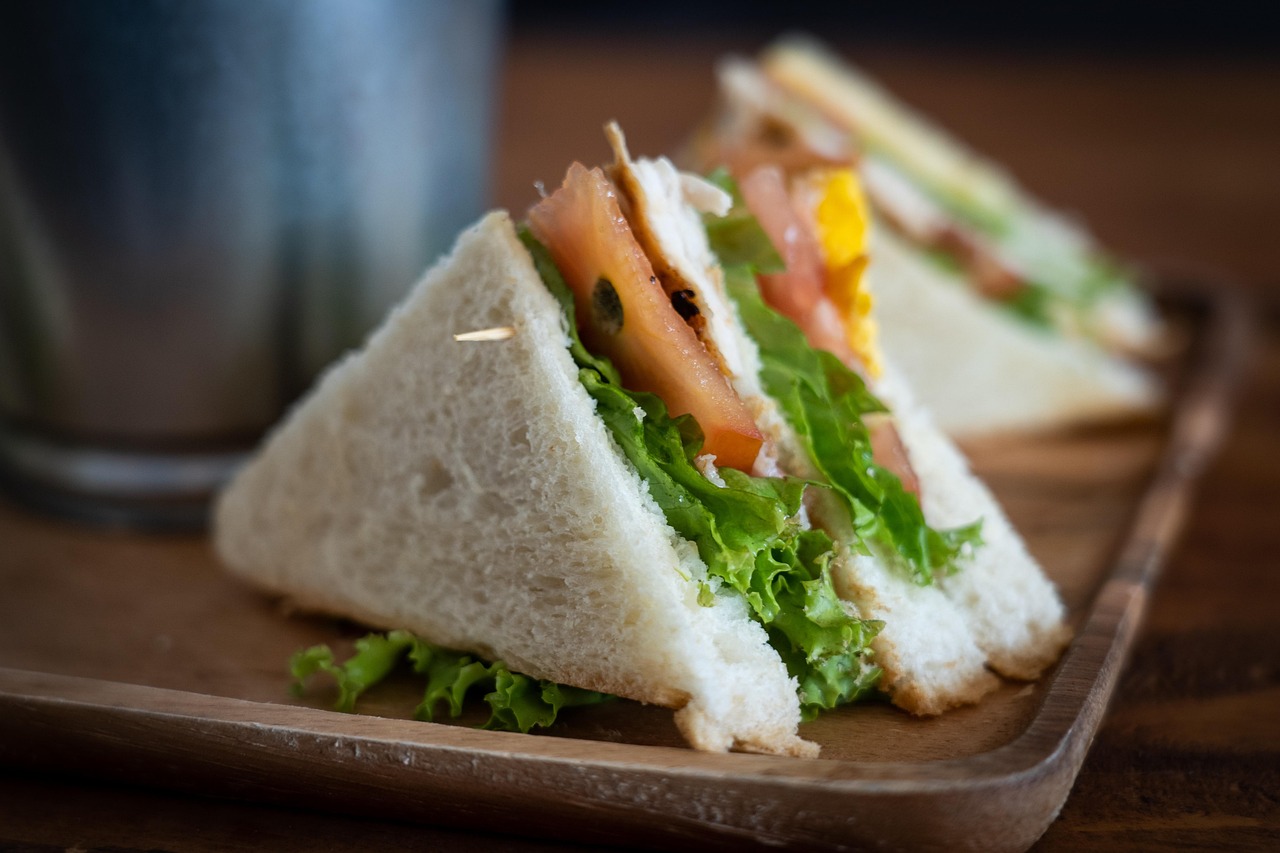
Let’s be real. The term “nurse’s lunch” is less of a meal and more of a cryptic survival ritual. It’s the half a granola bar you inhaled while hiding in the med room, the three sips of lukewarm coffee that now resemble a bizarre science experiment, and the mysterious, crumpled snack from the bottom of your bag that may or may not be older than your youngest patient.
We are healthcare professionals, masters of anatomy, pharmacology, and patient education. We can explain the complexities of a keto diet to a diabetic patient while simultaneously calculating a drip rate. Yet, when it comes to our own nutrition, we often adopt the dietary habits of a frantic squirrel preparing for a nuclear winter.
It’s time for an intervention. For ourselves.
Why Your Body is Not a Battlefield
Think of your shift as a 12-hour marathon interspersed with sprints, heavy lifting, and intense mental chess. Your body is your most critical piece of medical equipment. You wouldn’t run a vital signs monitor on fumes, so why do it to yourself?
The Energy Equation: A body running on caffeine and cortisol is a body in a constant state of panic. This leads to the dreaded 3 PM crash, where the only thing that seems appealing is mainlining sugar from the nearest vending machine. This creates a vicious cycle: sugar spike, energy crash, repeat. You end up feeling like a zombie with stethoscope.
Brain Fog is Real: Your brain runs exclusively on glucose. But not the kind from a candy bar. Complex carbohydrates, healthy fats, and proteins provide a slow, steady release of fuel, keeping your cognitive functions sharp. Need to remember if you gave that 2 PM Lasix? You need a well-fed brain, not one that’s screaming for a donut.
Mood & Patience: Hangry is not a personality trait; it’s a blood sugar level. When you’re running on empty, your patience wears thin. That patient who keeps pressing the call light for the tenth time? A well-nourished you will handle it with grace. A hangry you might just consider hiding the call bell.
The Art of the “Eat-It-Anywhere” Meal
The dream of a peaceful, 30-minute lunch is, for most nurses, a fantasy. Therefore, we must strategize. Your goal is to create meals that are: 1) Portable, 2) Non-perishable (or kept in a reliable fridge), 3) Eaten with minimal utensils (or better yet, none), and 4) Actually satisfying.
Forget the sad, wilted salad. Think like a tactical nutritionist.
· The Power of the Mason Jar: Layer a Greek yogurt parfait with oats, berries, and a drizzle of honey. It’s a spoon-only operation that provides protein, fiber, and carbs.
· The “Adult Lunchable”: Hard-boiled eggs, cheese cubes, whole-wheat crackers, baby carrots, and a handful of nuts. It’s finger food at its finest, offering a perfect balance of macros.
· The Wrap of Champions: A whole-wheat tortilla stuffed with hummus, sliced turkey, spinach, and roasted veggies. It’s a complete meal you can hold in one hand while charting with the other.
· The Stealthy Smoothie: Blend spinach, a banana, protein powder, peanut butter, and milk/overnight. Pour it into a sealed bottle. It’s a meal you can sip during a rare 5-minute breather.
Snack Attack: From Vending Machine Villain to Pantry Hero
Snacking is inevitable. The key is to make it work for you, not against you.
· The Vending Machine of Doom: Resists the siren song of the chips and candy. They are traitors, offering momentary joy followed by certain energy collapse.
· Your Locker of Victory: Stock it with the good stuff.
· Trail Mix: Make your own to avoid the candy-filled versions.
· Protein/Granola Bars: Read the labels! Many are just candy bars in disguise. Aim for high protein (>10g) and low added sugar.
· Fruit with Nut Butter: An apple and a single-serving packet of almond butter is a perfect, satisfying combo.
· Edamame: High in protein and fiber, and fun to eat.
Hydration: It’s Not Just About the Coffee
We get it. Coffee is the lifeblood of the nursing profession. But it’s also a diuretic. Chugging coffee all day without water is like trying to put out a fire with gasoline.
Invest in a large, marked water bottle. Keep it at your station. Your mission: finish it by the end of your shift. Dehydration mimics fatigue and hunger, leading you to eat when you’re actually just thirsty. Your skin, your kidneys, and your energy levels will thank you.
The Final Chart Note
Taking care of yourself is not selfish; it’s a professional necessity. You are the frontline. You are the calm in the storm for your patients. You can’t pour from an empty cup—or in this case, run a code on an empty stomach.
So, the next time you’re packing your bag for a shift, give your lunch the same strategic thought you give to your patient care plan. Your future, well-fueled, non-hangry self will high-five you for it.
Now, go forth and eat like the amazing, life-saving professional you are. Just maybe not over the keyboard.
Leave a Reply