Let’s be real. The term “hospital food” is rarely associated with gourmet dining. But for nurses, the real culinary challenge isn’t the patient’s gelatinous green Jell-O—it’s finding a spare five minutes to eat something that didn’t come from a vending machine.
We are the ultimate caregivers, the masters of multitasking, the holders of hands and the interpreters of beeps. Yet, when it comes to fueling our own bodies, we often operate on a dangerous cocktail of caffeine, sheer willpower, and whatever leftover birthday cake is in the break room. This isn’t just about dodging hanger-induced snapping at a difficult patient; it’s about survival, performance, and avoiding becoming a patient ourselves.
So, let’s scrub in on the topic of nurse nutrition.
Part 1: The “I Survived on Coffee and Adrenaline” Diet (And Why It’s Failing You)
We’ve all been there. The 6 AM alarm screams. You grab a coffee, black as a moonless night, and call it breakfast. By 10 AM, your stomach is staging a mutiny, but Mr. Johnson in Room 204 needs his meds, and a new admission is rolling in. Lunch? A mythical concept, often replaced by a frantic 90-second excavation of your locker for a granola bar from 2019.
This “Feast-or-Famine” cycle is a recipe for disaster. It sends your blood sugar on a rollercoaster ride worthy of an amusement park, leading to:
· The 3 PM Crash: That overwhelming wave of fatigue where you’d gladly trade your stethoscope for a 20-minute nap in a clean linen closet.
· Brain Fog: Suddenly, you can’t remember if you administered the Metoprolol or just thought about administering it. (Spoiler: Always double-check!)
· Irritability: When a family member asks for the tenth time about the discharge papers, your smile becomes a little too tight, your response a little too clipped.
· Weakened Immunity: Working in a petri dish of pathogens requires a top-notch immune system. You can’t fight off the latest unit bug with a diet of stress and saltines.
Part 2: The “Macro-Magic” of Fueling a Superhero
Forget complex diet trends. Think of your body as the most high-tech, life-saving equipment on the unit. You wouldn’t run a ventilator on cheap battery, so don’t run your body on empty calories.
1. Protein: Your BFF (Best Fuel Forever) Protein is the steady hand in a code blue. It provides sustained energy, keeps you full, and helps repair muscle after all those 12-hour shifts of running and lifting.
· Pro-Tip: Don’t just save it for dinner. Incorporate it into every meal and snack.
· Easy Wins: Greek yogurt, hard-boiled eggs (boil a dozen on your day off!), hummus, sliced turkey, cottage cheese, a quality protein shake for true emergencies.
2. Complex Carbs: The Non-Dramatic Energy Source Carbs are not the enemy! The right carbs are the long-lasting log on your energy fire, not the flash-in-the-pan gasoline of a sugary donut.
· Pro-Tip: Choose carbs that come with fiber. Fiber slows digestion, keeping you powered for hours.
· Easy Wins: Oatmeal, whole-grain bread, quinoa, sweet potatoes, beans, and lentils.
3. Healthy Fats: For a Well-Lubricated Brain Your brain is about 60% fat. It needs good fats to process complex orders, manage patient loads, and remember that the doctor’s name you’re blanking on is, in fact, Dr. Featherington.
· Pro-Tip: A little goes a long way in keeping you satiated and sharp.
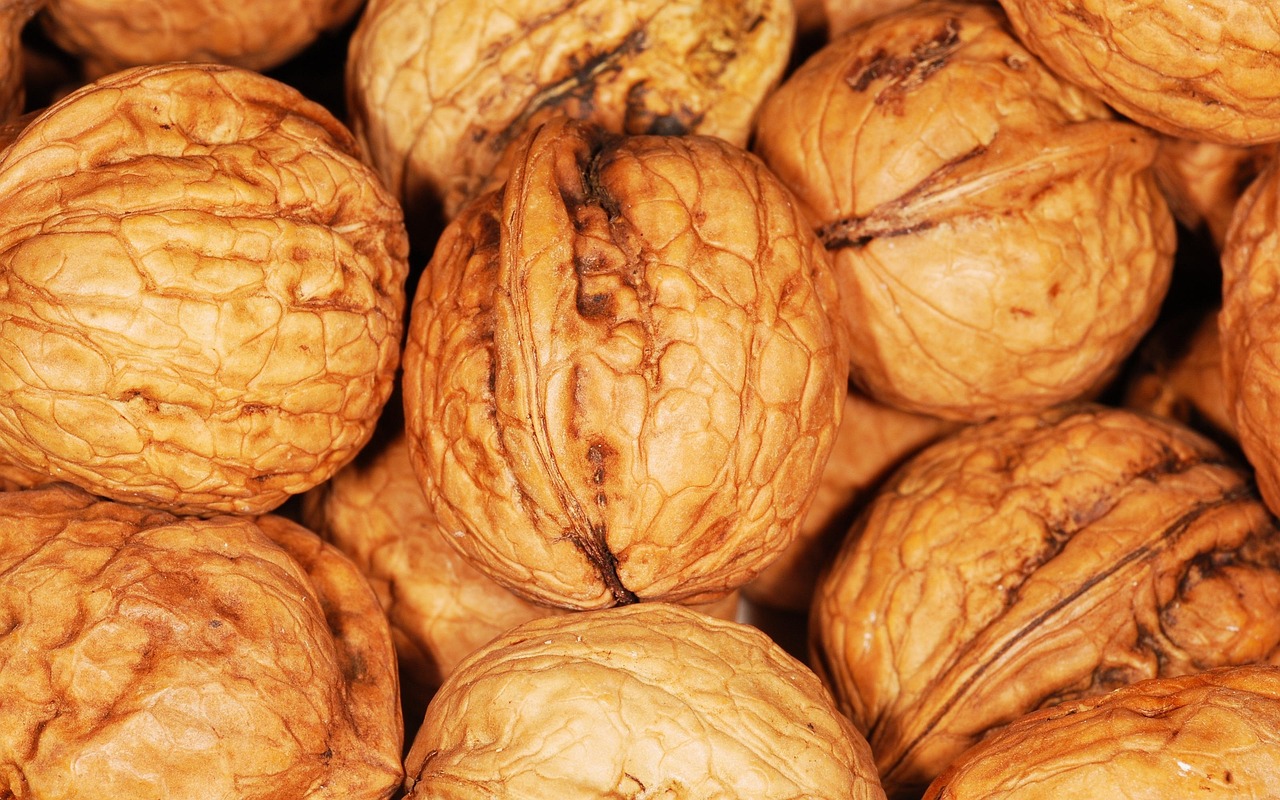
· Easy Wins: Avocado, nuts (almonds, walnuts), seeds (chia, flax), and olive oil.
Part 3: The Tactical Nurse’s Guide to Actually Eating
Knowing what to eat is half the battle. The other half is the logistics of a battlefield, also known as your shift.
Meal Prep is Non-Negotiable (But Keep it Simple) The word “meal prep” can sound daunting, but it doesn’t need to be a Sunday-long event. It’s about intentional leftovers and assembly.
· The “Build-a-Bowl” Method: Cook a big batch of a grain (quinoa, brown rice), a protein (grilled chicken, chickpeas), and chop some veggies. Mix and match throughout the week.
· The “Snack-as-Lunch” Strategy: If sitting down for a full meal feels impossible, pack a bento-box-style lunch full of snacks: cheese cubes, carrot sticks, almonds, an apple, a hard-boiled egg, and a slice of turkey. Graze during your precious minutes of respite.
Hydration: Beyond the Caffeine IV Drip Coffee is a tool, not a hydration strategy. Dehydration mimics fatigue and hunger, making a tough shift feel impossible.
· Pro-Tip: Get a large, marked water bottle. Your goal is to finish it by lunch, and refill it for the afternoon. If you hate plain water, infuse it with lemon, cucumber, or mint.
The “Code Brown” Emergency Snack Always, always have a non-perishable, high-protein snack in your pocket or locker. This is your emergency brake on the hunger rollercoaster. A protein bar, a packet of nuts, or a beef jerky stick can be the difference between a manageable shift and a meltdown.
Conclusion: You Can’t Pour from an Empty Cup
Taking care of yourself isn’t selfish; it’s a core clinical competency. Nourishing your body with real food is the most fundamental form of self-care there is. It’s what allows you to be the sharp, compassionate, and resilient nurse your patients rely on.
So, the next time you’re tempted to skip a meal for the sake of one more task, remember: the most important piece of medical equipment on the floor is you. Fuel it accordingly. Your patients—and your sanity—will thank you.
Now, go eat something that doesn’t beep.
Leave a Reply