Category: Efficient Meal Prep & Recipes

Focus on quick, batch-cooked, and nutritious meals designed for nurses on rotating shifts.

  • The Hangry Nurse: How to Fuel Your Superhero Shift

    The Hangry Nurse: How to Fuel Your Superhero Shift

    Let’s be real. The term “nurse’s diet” shouldn’t be a euphemism for “cold coffee, half a granola bar, and the existential dread of the beeping monitor.” We’ve all been there: that 3 PM slump where your stomach is growling louder than a dissatisfied patient, and your only available food source is the ancient, mystery-filled “community chocolate” bowl at the nurses’ station.

    As the backbone of healthcare, you spend your days ensuring everyone else’s well-being. But when it comes to your own nutrition, it’s often a code blue situation. Fear not! It’s time to crash-cart your eating habits and learn how to fuel the incredible, life-saving machine that is you.

    Why Your Fuel Matters More Than You Think

    Think of your body as a high-performance vehicle. You wouldn’t put cheap, watered-down fuel in a Formula 1 car and expect it to win the race, would you? Your 12-hour shift is your race. It demands:

    · Mental Sharpness: Making critical decisions requires a well-fed brain. Brain fog from poor nutrition is a safety risk—for you and your patients.
    · Sustained Energy: The rollercoaster of sugar highs and caffeine crashes is a one-way ticket to Burnoutville. Stable energy keeps you going from triage to discharge.
    · Emotional Resilience: Let’s face it, “hangry” is not a professional look. Stable blood sugar is your best defense against snapping at that… particularly “inquisitive” family member.
    · Physical Stamina: Running between rooms, lifting patients, and being on your feet all day requires real, lasting power.

    The Usual Suspects: Dietary Villains of the Ward

    We know the obstacles. They are cunning, swift, and often covered in sprinkles.

    1. The Vending Machine of Despair: It beckons with its neon glow, offering a quick hit of salt, sugar, and regret. Its offerings are designed for survival, not thriving.
    2. The Kindness of Cookies: Patients’ families, grateful doctors, and well-meaning colleagues are often the purveyors of baked goods. While the gesture is sweet, a diet consisting solely of gratitude and shortbread is not sustainable.
    3. The Tyranny of Time: “I don’t have time to eat!” is the nurse’s anthem. But scarfing down a bag of chips in 45 seconds between call lights isn’t a meal; it’s a digestive crime.
    4. The Caffeine IV Drip: Coffee is the lifeblood of the hospital, but if your bloodstream is more espresso than erythrocytes, you’re setting yourself up for a major crash.

    Operation: Fuel the Hero – A Practical Guide

    Reclaiming your nutrition doesn’t require a personal chef or a PhD in dietetics. It’s about strategy, a little prep, and a shift in mindset.

    1. The Meal Prep Power Hour:

    Dedicate one or two hours on your day off to become the master of your culinary destiny. This is non-negotiable.

    · Batch & Grab: Cook a large batch of quinoa, brown rice, or roasted sweet potatoes.
    · Protein is Prime: Grill a bunch of chicken breast, hard-boil a dozen eggs, or marinate some tofu or tempeh.
    · Veggie Prep: Wash and chop celery, carrots, bell peppers, and cucumbers. They are your crunchy, hydrating allies.

    2. Build the Ultimate “Shift-Proof” Lunchbox:

    Forget a sad sandwich. Think of your lunchbox as a toolkit.

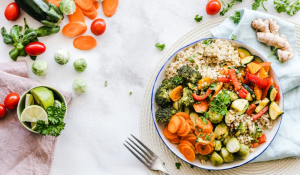
    · The Main Event: A sturdy container with a balanced mix of your prepped protein, complex carbs, and healthy fats. Think a quinoa bowl with chicken, avocado, and a handful of spinach.
    · The Snack Arsenal (The Real MVP): You might not get a full lunch break, but you will get pockets of time. Have a variety of ready-to-eat snacks to graze on.
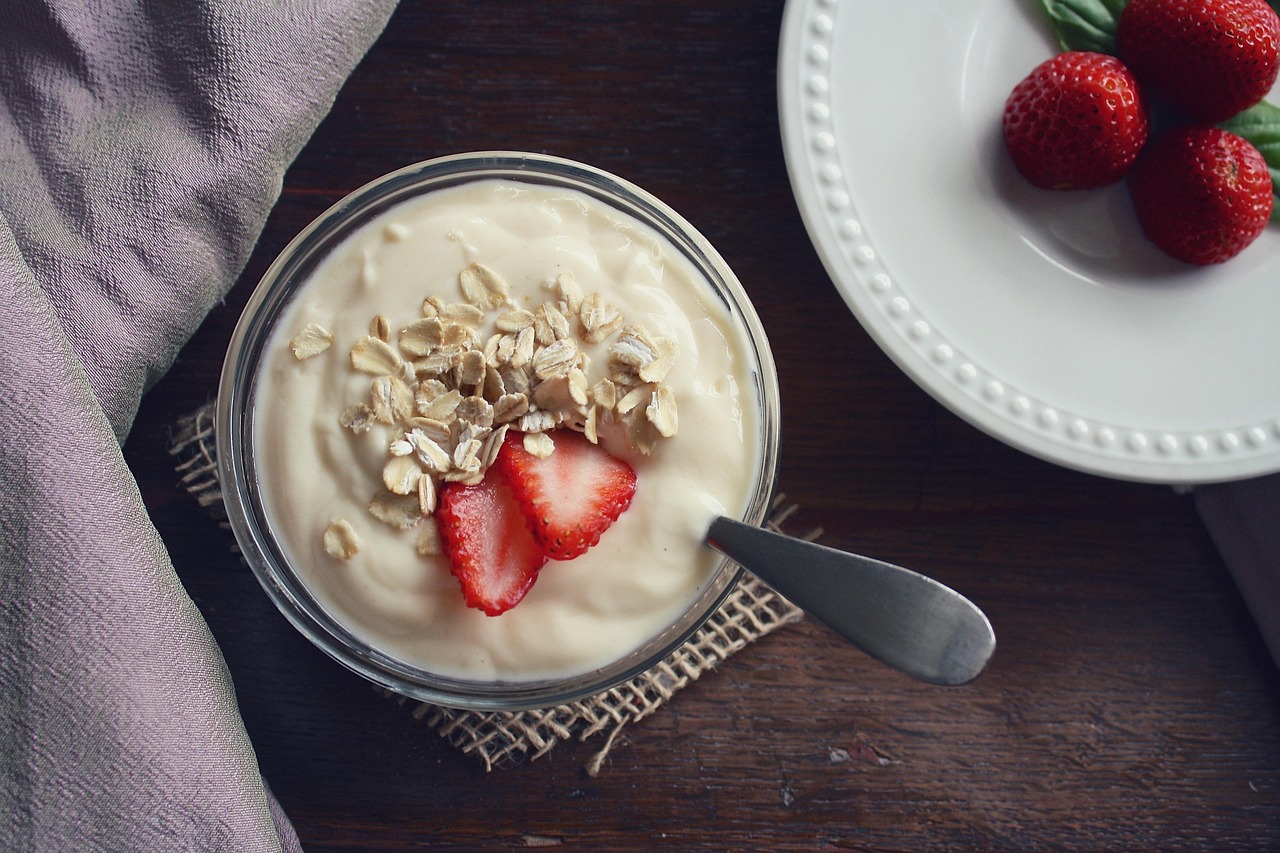
    · The Classic: Greek yogurt and a handful of berries.
    · The Crunch: A small handful of almonds and an apple.
    · The Quick Fix: A quality protein bar (check the sugar content!) or a single-serving packet of nut butter.
    · The Hydration Helper: Veggie sticks with hummus.

    3. Hydrate or Diedrate:

    This is not a drill. Dehydration leads to fatigue, headaches, and poor concentration.

    · Get a 32 oz (1 Liter) water bottle. Mark it with times of the day as a fun challenge to keep up.
    · Infuse it! Add lemon, cucumber, mint, or berries to make it more appealing.
    · Your Pee is a Chart: Aim for light straw color. Dark yellow? Chug a glass, stat!

    4. Redefine “Breakfast”:

    If you’re running out the door at 5 AM, a sit-down meal might be impossible.

    · A Smoothie: Blend spinach, frozen fruit, protein powder, and milk or a milk alternative. Drink it during your commute.
    · Overnight Oats: Prepared the night before—no cooking required.
    · The Two-Bite Rule: If you can’t manage a full meal, have at least two of your high-protein snacks within the first few hours of your shift.

    The Sweet (and Salty) Conclusion: Be Kind to Yourself

    This isn’t about perfection. Some days will be a triumph of Tupperware and willpower. Other days, that donut from the new intern will be the highlight of your soul. And that’s okay!

    The goal is progress, not perfection. By planning just a little, you can transform from a “hangry nurse” running on fumes to a truly “well-fueled” healthcare hero, ready to tackle anything the shift throws at you—with a clear head, steady hands, and a happy stomach.

    Now, go forth and meal prep! Your patients (and your sanity) will thank you.

  • Nurse, Nourish, Repeat: A Survival Guide

    Nurse, Nourish, Repeat: A Survival Guide

    Let’s be real. The term “hospital food” is rarely associated with gourmet dining. But for nurses, the real culinary challenge isn’t the patient’s gelatinous green Jell-O—it’s finding a spare five minutes to eat something that didn’t come from a vending machine.

    We are the ultimate caregivers, the masters of multitasking, the holders of hands and the interpreters of beeps. Yet, when it comes to fueling our own bodies, we often operate on a dangerous cocktail of caffeine, sheer willpower, and whatever leftover birthday cake is in the break room. This isn’t just about dodging hanger-induced snapping at a difficult patient; it’s about survival, performance, and avoiding becoming a patient ourselves.

    So, let’s scrub in on the topic of nurse nutrition.

    Part 1: The “I Survived on Coffee and Adrenaline” Diet (And Why It’s Failing You)

    We’ve all been there. The 6 AM alarm screams. You grab a coffee, black as a moonless night, and call it breakfast. By 10 AM, your stomach is staging a mutiny, but Mr. Johnson in Room 204 needs his meds, and a new admission is rolling in. Lunch? A mythical concept, often replaced by a frantic 90-second excavation of your locker for a granola bar from 2019.

    This “Feast-or-Famine” cycle is a recipe for disaster. It sends your blood sugar on a rollercoaster ride worthy of an amusement park, leading to:

    · The 3 PM Crash: That overwhelming wave of fatigue where you’d gladly trade your stethoscope for a 20-minute nap in a clean linen closet.
    · Brain Fog: Suddenly, you can’t remember if you administered the Metoprolol or just thought about administering it. (Spoiler: Always double-check!)
    · Irritability: When a family member asks for the tenth time about the discharge papers, your smile becomes a little too tight, your response a little too clipped.
    · Weakened Immunity: Working in a petri dish of pathogens requires a top-notch immune system. You can’t fight off the latest unit bug with a diet of stress and saltines.

    Part 2: The “Macro-Magic” of Fueling a Superhero

    Forget complex diet trends. Think of your body as the most high-tech, life-saving equipment on the unit. You wouldn’t run a ventilator on cheap battery, so don’t run your body on empty calories.

    1. Protein: Your BFF (Best Fuel Forever) Protein is the steady hand in a code blue. It provides sustained energy, keeps you full, and helps repair muscle after all those 12-hour shifts of running and lifting.

    · Pro-Tip: Don’t just save it for dinner. Incorporate it into every meal and snack.
    · Easy Wins: Greek yogurt, hard-boiled eggs (boil a dozen on your day off!), hummus, sliced turkey, cottage cheese, a quality protein shake for true emergencies.

    2. Complex Carbs: The Non-Dramatic Energy Source Carbs are not the enemy! The right carbs are the long-lasting log on your energy fire, not the flash-in-the-pan gasoline of a sugary donut.

    · Pro-Tip: Choose carbs that come with fiber. Fiber slows digestion, keeping you powered for hours.
    · Easy Wins: Oatmeal, whole-grain bread, quinoa, sweet potatoes, beans, and lentils.

    3. Healthy Fats: For a Well-Lubricated Brain Your brain is about 60% fat. It needs good fats to process complex orders, manage patient loads, and remember that the doctor’s name you’re blanking on is, in fact, Dr. Featherington.

    · Pro-Tip: A little goes a long way in keeping you satiated and sharp.
    · Easy Wins: Avocado, nuts (almonds, walnuts), seeds (chia, flax), and olive oil.

    Part 3: The Tactical Nurse’s Guide to Actually Eating

    Knowing what to eat is half the battle. The other half is the logistics of a battlefield, also known as your shift.

    Meal Prep is Non-Negotiable (But Keep it Simple) The word “meal prep” can sound daunting, but it doesn’t need to be a Sunday-long event. It’s about intentional leftovers and assembly.

    · The “Build-a-Bowl” Method: Cook a big batch of a grain (quinoa, brown rice), a protein (grilled chicken, chickpeas), and chop some veggies. Mix and match throughout the week.
    · The “Snack-as-Lunch” Strategy: If sitting down for a full meal feels impossible, pack a bento-box-style lunch full of snacks: cheese cubes, carrot sticks, almonds, an apple, a hard-boiled egg, and a slice of turkey. Graze during your precious minutes of respite.

    Hydration: Beyond the Caffeine IV Drip Coffee is a tool, not a hydration strategy. Dehydration mimics fatigue and hunger, making a tough shift feel impossible.

    · Pro-Tip: Get a large, marked water bottle. Your goal is to finish it by lunch, and refill it for the afternoon. If you hate plain water, infuse it with lemon, cucumber, or mint.

    The “Code Brown” Emergency Snack Always, always have a non-perishable, high-protein snack in your pocket or locker. This is your emergency brake on the hunger rollercoaster. A protein bar, a packet of nuts, or a beef jerky stick can be the difference between a manageable shift and a meltdown.

    Conclusion: You Can’t Pour from an Empty Cup

    Taking care of yourself isn’t selfish; it’s a core clinical competency. Nourishing your body with real food is the most fundamental form of self-care there is. It’s what allows you to be the sharp, compassionate, and resilient nurse your patients rely on.

    So, the next time you’re tempted to skip a meal for the sake of one more task, remember: the most important piece of medical equipment on the floor is you. Fuel it accordingly. Your patients—and your sanity—will thank you.

    Now, go eat something that doesn’t beep.

  • Fueling the Front Lines: A Nurse’s Guide to Not Running on Fumes

    Fueling the Front Lines: A Nurse’s Guide to Not Running on Fumes


    Let’s be honest: the term “nurse’s diet” often brings to mind a questionable cocktail of lukewarm coffee, a handful of crackers snatched from the nutrition room, and that half-eaten bag of M&Ms from a grateful patient’s family. We’ve all been there. Your shift is a marathon of physical stamina, mental gymnastics, and emotional labor, all performed while wearing notoriously uncomfortable shoes. Trying to fuel this heroic effort with the nutritional equivalent of sawdust is like trying to win a Formula 1 race with watered-down gas. It’s not going to end well.

    So, let’s ditch the guilt and the gruel and talk about how to eat in a way that actually supports the incredible work you do.

    1. The Energy Equation: Beyond the Sugar Rollercoaster

    When that 2 PM slump hits during a marathon charting session, the siren song of a candy bar or a sugary soda is powerful. It promises a quick fix, a jolt of alertness. But what follows is an all-too-familiar crash—the dreaded sugar coma, leaving you more drained than before.

    The solution? The Power Trio: Protein + Healthy Fat + Complex Carb.

    Think of your body as a high-performance engine. Simple sugars are like throwing a newspaper on a fire: a brilliant, brief flame that dies quickly. The Power Trio is like a seasoned oak log: it burns steadily, providing long-lasting, reliable heat.

    · Real-World Shift Swap: Instead of a plain granola bar (sugar bomb!), try Greek yogurt with berries and a sprinkle of nuts. Instead of a white bread sandwich, go for whole-wheat bread with turkey, avocado, and a side of baby carrots. This combo digests slowly, providing a steady release of glucose to your brain and muscles, keeping you sharper and more energetic through those back-to-back med passes.

    2. Hydration Station: Water is Your Co-pilot

    Coffee is the lifeblood of the nursing profession, and we’re not here to demonize it. But caffeine is a diuretic, and running on coffee alone is a fast track to dehydration, which masquerades as fatigue, headaches, and brain fog.

    Your mission, should you choose to accept it, is to make water your primary beverage. Get a large, marked water bottle (1-liter is a great goal) and keep it with you. Aim to finish one by lunch and another by the end of your shift. Add lemon, cucumber, or mint if plain water feels boring. Your kidneys, your skin, and your cognitive function will thank you.

    3. The Art of the Strategic Snack Attack

    Accept that some days, a “lunch break” is a mythical concept. This is where strategic snacking becomes your superpower. The goal is to have healthy options more accessible than the vending machine.

    Build Your Locker of Champions:

    · The Crunch Pack: Apple slices with peanut butter, bell pepper strips with hummus, a handful of almonds.
    · The Smooth Operator: Pre-made smoothies (can be frozen!) with spinach, banana, protein powder, and almond milk.
    · The No-Prep Hero: Hard-boiled eggs, string cheese, individual packets of olives, or a high-quality protein bar with minimal sugar.

    When the hunger hits, you’ll be prepared with something that fuels you, rather than just filling a hole.

    4. Mindful Eating in a Mind-Full World

    “Mindful eating” can sound like a luxury when you have five minutes to inhale something before a code blue is called. But it’s less about chewing each bite 50 times and more about pausing. Even 60 seconds to sit down (away from the computer screen!), take a few deep breaths, and actually taste your food can make a world of difference. It improves digestion, increases meal satisfaction, and gives your busy brain a tiny but crucial reset.

    5. Give Yourself Grace (and Maybe a Donut)

    Finally, let’s talk about the elephant in the room: the inevitable pizza party, the birthday cake in the break room, the box of donuts from the night shift. Food is not just fuel; it’s community, comfort, and celebration.

    The key is to enjoy it without guilt. Have the slice of cake. Savor it. Connect with your colleagues over it. A healthy diet is not about perfection; it’s about building a foundation of good habits that is resilient enough to handle the occasional, joyful detour.

    The Final Chart Note

    You spend your days caring for others with immense skill and compassion. Extending that same care to yourself is not selfish; it’s essential. By viewing food as the fundamental fuel that powers your ability to heal, comfort, and save lives, every healthy choice becomes an act of professional and personal empowerment.

    Now, go hydrate, and may your snacks be ever in your favor.

  • Nurse, Fuel Thyself!

    Nurse, Fuel Thyself!

    Let’s be honest. The term “nurse’s diet” shouldn’t be a mystery. We all know what it looks like: a lukewarm coffee chugged at 10 AM, three bites of a granola bar between med passes, a “salad” that’s mostly croutons and ranch eaten over the med cart, and the legendary, life-saving chocolate stash hidden in the top drawer. It’s a culinary masterpiece of survival, but it’s also a fast track to burnout.

    Your body is not a dumpster; it’s the most critical piece of equipment on the floor. You wouldn’t run a code with a defibrillator running on half-charged, questionable batteries. So why are you trying to run your 12-hour marathon on fumes and leftover Jell-O from Room 204?

    The Science of Staying Upright

    Think of your metabolism as a high-dependency patient. It needs consistent, quality care. When you skip meals or fuel up on simple carbs and sugar, your blood sugar becomes a rollercoaster. You get a quick spike of energy (the “I can totally handle this admission” high), followed by a catastrophic crash (the “I can’t even find my own stethoscope” low). This cycle wreaks havoc on your concentration, mood, and—let’s be real—your ability to deal politely with that family member who just rang the call bell for the fifth time in two minutes.

    Protein, healthy fats, and complex carbohydrates are the trifecta of nursing superpowers. They provide a slow, steady release of energy. This isn’t just about feeling less “hangry”; it’s about stable hands for that tricky IV start, a sharp mind for catching subtle changes in a patient’s condition, and the emotional resilience not to cry in the supply closet.

    The “Lunch” Heist: A Strategic Approach

    The concept of a peaceful, 30-minute lunch break is a beautiful fairy tale. In the real world, you have approximately 5.2 minutes to shove calories into your face before something beeps. Preparation is your shield, and planning is your sword.

    1. The Weekender Warrior: Spend one hour on your day off being your own dietary charge nurse. Hard-boil a dozen eggs. Chop a mountain of vegetables. Grill a pack of chicken breasts. Cook a big batch of quinoa or brown rice. Portion them into containers. You are now the CEO of your own week. Congratulate yourself with a piece of dark chocolate.
    2. Embrace the Snack Attack: Your scrub pockets are not just for tape and flushes. They are mobile pantries.
    · The Protein Pocket: Mixed nuts, a jerky stick, a single-serve packet of almond butter.
    · The Fiber & Fruit Pocket: An apple, a pear, a baggie of baby carrots.
    · The “Emergency Rescue” Pocket: This is for when everything is going wrong. A high-protein bar, a low-sugar Greek yogurt, or that aforementioned secret chocolate. This is not an everyday snack; this is your nutritional CODE BLUE kit.
    3. Hydration or Hallucination? That pounding headache at 2 PM? It might not be the charting; it’s probably dehydration. Coffee is a diuretic, and running around like a superhero makes you sweat. Invest in a large, obnoxiously bright water bottle that you can’t lose. Aim to refill it at least twice. Your kidneys, your skin, and your brain will thank you. Remember: clear urine is the new black.

    The Cafeteria Conundrum & The Gift Basket of Doom

    The hospital cafeteria is a siren song of greasy pizza and mysterious “stir-fry.” And the break room? A minefield of well-intentioned but deadly gifts from grateful patients: donuts, cookies, and giant boxes of candy.

    Strategy is key. When hitting the cafeteria, head for the salad bar (but go easy on the creamy dressings) or the grill for a simple chicken sandwich. As for the gift baskets, enjoy a small treat! You’ve earned it. But then, practice some professional detachment. Thank the gift-giver, have one cookie, and then walk away. You are a master of emotional boundaries; apply that skill to the box of danishes.

    In Conclusion: You Are What You Eat (Between Catastrophes)

    Fueling your body properly isn’t an act of self-indulgence; it’s a core clinical competency. It’s patient safety. It’s professional sustainability. It’s the difference between dragging yourself through a shift and owning it.

    So, the next you’re tempted to skip your planned lunch for a handful of M&Ms, remember: you are the most important patient on your list. Now go forth, hydrate, and may your snacks be ever in your favor.

  • Code Snack: A Nurse’s Guide to Fueling the Frenzy

    Code Snack: A Nurse’s Guide to Fueling the Frenzy

    Let’s be real. The term “nurse’s diet” doesn’t typically conjure images of kale smoothies and quinoa bowls. It more likely brings to mind a lukewarm coffee chugged behind the nurses’ station, a handful of crackers pilfered from the pantry, and a mysterious muffin that appeared in the breakroom six hours ago. You’re running a marathon at a sprint’s pace, and your fuel is often an afterthought. But what if we treated our bodies with the same care we give our patients? It’s time to stop surviving on fumes and start mastering the art of edible adrenaline.

    The Vending Machine of Doom and Other Dietary Pitfalls

    We’ve all been there. It’s 2 PM, your lunch break was sacrificed to an unexpected admission, and your stomach is growling so loudly it’s almost competing with the call bell. The siren song of the vending machine is irresistible. That neon-orange cheese dust and a sugar-laden soda promise a quick fix. And for about seven minutes, they deliver. But soon, you’re crashing harder than a new grad on their first solo night shift.

    This cycle of sugar and salt is the arch-nemesis of sustained energy. It’s like trying to power a Ferrari with cheap gasoline—it might run, but not well, and it will eventually break down. Your body, that magnificent, patient-carrying, IV-starting, chart-completing machine, deserves premium fuel.

    The Macronutrient Magic Trio: Your New Best Friends

    Think of your body as a high-performance vehicle. It needs the right balance of fuel to keep going.

    1. Protein: The Satiety Superhero. Protein is your best defense against the dreaded 3 PM slump and the siren call of the donut box. It digests slowly, keeping you full and your blood sugar stable.
    · On-the-Go Picks: Greek yogurt, a handful of almonds, hard-boiled eggs, string cheese, or a small container of hummus. A protein shake can be a lifesaver for those days you barely have time to blink.
    · Pro-Tip: Keep a “protein stash” in your locker. A can of tuna or a packet of nut butter can be the difference between a productive afternoon and a carb-coma.
    2. Complex Carbs: The Energy Engine. Carbs are not the enemy! Your brain runs exclusively on glucose. The key is to choose complex carbohydrates that release energy slowly, not the simple ones that cause a spike and crash.
    · On-the-Go Picks: Whole-wheat crackers, an apple, a banana, oatmeal, or a small container of brown rice or quinoa.
    · Pro-Tip: Pair your carbs with a protein or fat. An apple with peanut butter is a far more powerful snack than an apple alone.
    3. Healthy Fats: The Brain Booster. Your brain is about 60% fat, so feeding it healthy fats is crucial for focus, memory, and mood—all things you need when deciphering a doctor’s handwriting or remembering five different med schedules.
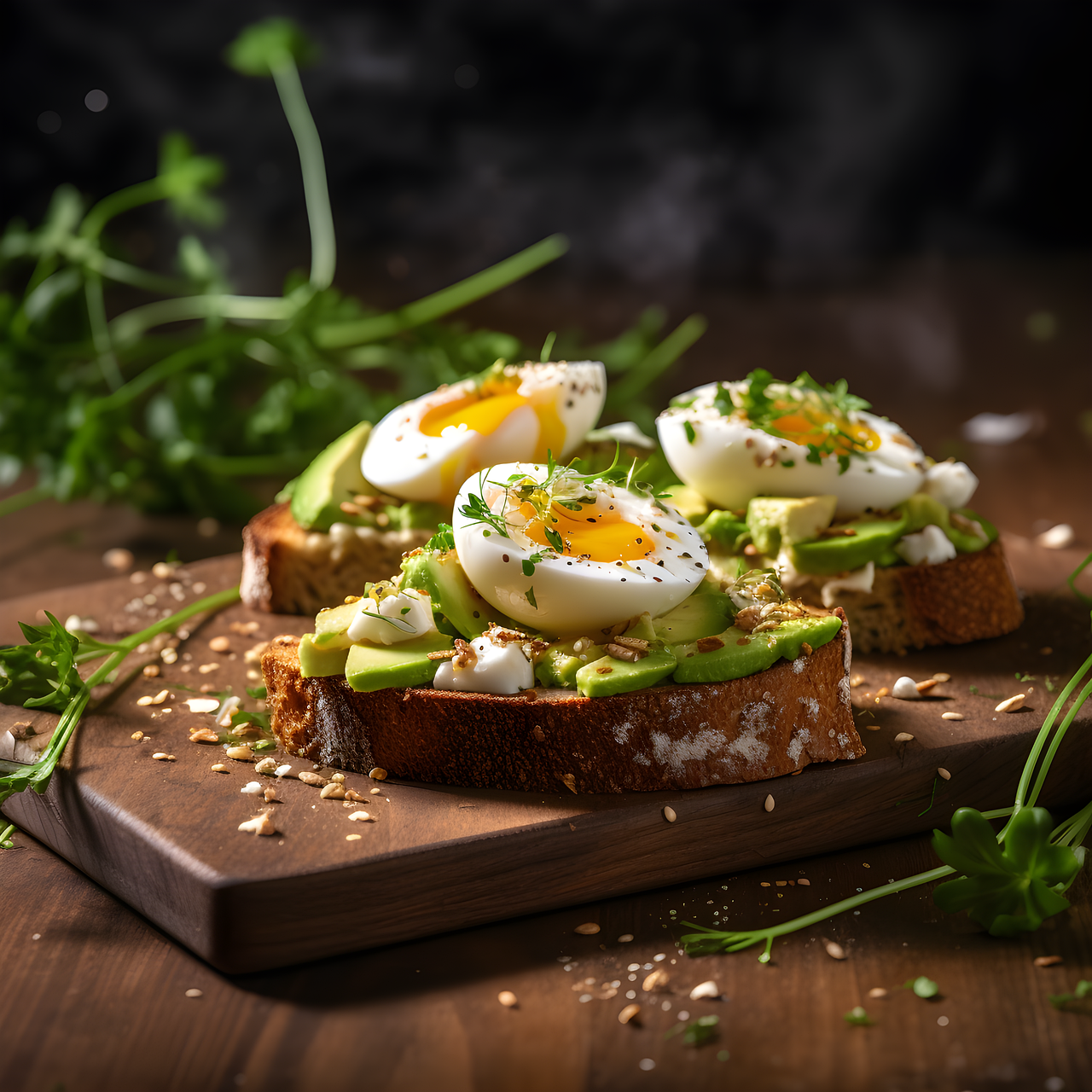
    · On-the-Go Picks: Avocado on whole-grain toast, a small handful of walnuts, olives, or using olive oil in your salads.
    · Pro-Tip: A small, single-serving packet of guacamole with whole-grain chips is a delicious and brain-boosting snack.

    Meal Prep: Your Secret Weapon Against Culinary Chaos

    The word “meal prep” can sound intimidating, evoking images of spending your one day off surrounded by identical Tupperware containers. It doesn’t have to be that military. Think of it as “strategic assembly.”

    · The Sunday Session: Spend one hour washing and chopping veggies, grilling a few chicken breasts, and cooking a big batch of quinoa or lentils. You’ve just created the building blocks for a week’s worth of salads, wraps, and bowls.
    · Embrace the Leftover: Get into the habit of making extra dinner and packing it for lunch before you even sit down to eat. Out of sight, out of mind, and ready for tomorrow’s chaos.
    · The “Assembly-Only” Lunch: Pack separate containers with your prepped ingredients. At work, you can throw together a fresh salad or wrap in minutes. No more soggy, sad desk salads.

    Hydration: It’s Not Just H₂-Oh-So-Important

    Coffee is a tool, not a hydration strategy. In the middle of running your feet off, it’s easy to forget to drink water. Dehydration leads to fatigue, headaches, and poor concentration—a dangerous combo when you’re responsible for people’s lives.

    · The Liter Bottle Method: Get a large, marked water bottle and keep it with you. Set mini-goals: “I’ll finish this by my 10 AM med pass, refill it, and finish it again by 2 PM.”
    · Flavor It Up: If plain water is boring, infuse it with lemon, cucumber, mint, or berries. Herbal tea is another great option, especially for night shift.
    · The Pee Test: Let’s be blunt. Your urine should be a light straw color. If it looks like apple juice, it’s time to chug some H₂O, stat.

    The Night Shift Survival Guide

    Working while the world sleeps is a nutritional nightmare. Your body’s internal clock is screaming for bed, but you’re forcing it to digest a full meal. The key is to trick your system.

    · The “Biggest Meal” Dilemma: Have your largest meal before your shift, not in the middle of the night. A “lunch” at 2 AM should be a light, easily digestible snack, like yogurt or a small sandwich, to avoid feeling sluggish.
    · Beware the Sugar Trap: The midnight sugar craving is a real beast. It’s your tired brain begging for quick energy. Resist! A high-protein snack will keep you alert far longer than a candy bar.
    · The Caffeine Cut-Off: Set a strict deadline for caffeine consumption (e.g., no coffee after 3 AM for a 7 AM finish) to help your body wind down for sleep when you get home.

    Conclusion: You Can’t Pour from an Empty Cup

    Taking care of yourself isn’t selfish; it’s essential. You are the backbone of the healthcare system, a multitasking marvel who deserves to feel energized and clear-headed. By making a few small, strategic changes to how you fuel your body, you’re not just improving your own health and mood—you’re sharpening the very tool you use to care for others.

    So, the next time you’re tempted by that six-hour-old muffin, ask yourself: “Am I a trash can, or am I a highly skilled medical professional?” You know the answer. Now go fuel up like the healthcare hero you are. Your patients (and your pancreas) will thank you for it.

  • Nurses’ Nutrition: The Unwritten Prescription

    Nurses’ Nutrition: The Unwritten Prescription

    Let’s be real: the term “hospital food” rarely conjures images of gourmet, life-giving sustenance. It’s often a beige platter of mystery meat and overcooked vegetables that looks as sad as a deflated balloon. And yet, the very people who are the backbone of our healthcare system—nurses—often find their own diets mimicking this chaotic, rushed, and nutritionally questionable model.

    Why? Because while they are busy saving lives, dispensing wisdom, and deciphering doctor’s handwriting, their own well-being often gets bumped to the bottom of the to-do list, right below “restock the linens.”

    The Vending Machine Vortex and Other Dietary Hazards

    A nurse’s relationship with food is a unique beast. It’s a high-stakes game of chance played in 12-hour increments. The primary enemy? The Vending Machine of Despair. This glowing beacon of false promises offers a quick hit of sugar and salt, perfectly engineered for a 3-minute “lunch” between a code blue and an irate family member. The diet of many a seasoned nurse can be summarized as: coffee for blood, a granola bar for sustenance, and whatever leftover birthday cake is in the breakroom for emotional support.

    This isn’t just about willpower. It’s about physiology. When you’re running on adrenaline and cortisol, your body screams for quick energy. Your prefrontal cortex, the part responsible for wise decisions like “a salad would be nice,” goes offline. The lizard brain takes over, and it wants Cheetos. Now.

    The Domino Effect of a Doughnut Diet

    We all know the script: poor nutrition leads to fatigue, brain fog, irritability, and a compromised immune system. For a nurse, this isn’t just a personal problem; it’s a professional liability.

    · The 3 PM Crash: That sugar-laden muffin at 10 AM guarantees a catastrophic energy crash just as the afternoon meds are due. Suddenly, charting feels like writing a novel in hieroglyphics.
    · The Grumpy Gown: Hunger and low blood sugar are a fast track to becoming “Nurse No-Nonsense,” who has no patience for your questions about the Jell-O. Good patient care requires empathy, a resource in short supply when your stomach is growling like a bear.
    · Walking Petri Dish: Hospitals are germ factories. A diet lacking in essential vitamins, antioxidants, and protein is like sending your immune system into battle armed with a spoon.

    So, how do we break the cycle? It’s not about a radical, Instagram-perfect diet. It’s about strategic, realistic fuel.

    The Shift-Worker’s Survival Guide to Eating

    Think of your body as the most important piece of medical equipment you operate. It’s time for some preventative maintenance.

    1. The Power of the “Fuel Pack”: Forget the concept of three square meals. Embrace the era of grazing. Prepare a small cooler or a large lunch bag with a variety of easy-to-grab, nutrient-dense foods. Your goal is to eat something small every 2-3 hours to keep your blood sugar stable.

    · Protein is Your Co-pilot: Hard-boiled eggs, Greek yogurt, a handful of almonds, sliced turkey or chicken, hummus, and cheese sticks. Protein provides sustained energy and keeps you full.
    · Embrace the Fiber Force: Apples, baby carrots, bell pepper strips, berries. They provide slow-releasing carbs and keep your digestive system—a fellow shift-work victim—happy.
    · Healthy Fats for the Win: Avocado, nuts, and seeds. They are brilliant for brain health, which you need to remember a thousand details.

    2. Master the Art of The Strategic Meal Prep: Yes, it’s the buzzword of the century, but for a nurse, it’s non-negotiable. Spending one or two hours on your day off can save you from a week of dietary despair.

    · Cook Once, Eat Thrice: Roast a giant tray of chicken breasts and vegetables. Portion them into containers. Make a big pot of chili, lentil soup, or stew. These are hearty, easy to reheat, and actually improve in flavor after a day or two.
    · Salad Jars are Your Friend: Layer a jar with dressing at the bottom, then sturdy veggies (like chickpeas, cucumbers, carrots), then protein, then greens on top. At work, shake it up for a instant, fresh meal.

    3. Hydrate or Deteriorate: Coffee is a tool, not a hydration strategy. Dehydration mimics fatigue and hunger, leading to poor decisions. Keep a large, reusable water bottle at your station. Infuse it with lemon, mint, or berries if plain water feels like a chore. Your kidneys and your energy levels will thank you.

    The Final Diagnosis

    Nurses, you are the superheroes of the healthcare world. But even superheroes need to fuel their superpowers. Prioritizing your nutrition isn’t an act of selfishness; it’s an act of professional integrity and personal survival. It’s the unwritten prescription for resilience, patience, and the energy to do your incredible job without burning out.

    So, the next time you feel the siren call of the vending machine, remember: you deserve better than a stale bag of chips. You are what you eat, and the healthcare system needs you to be a vibrant, well-oiled machine, not a tired, sugar-crashed one. Now, go pack that fuel pack

  • The Nurse’s Survival Guide to Food: Beyond the Vending Machine

    The Nurse’s Survival Guide to Food: Beyond the Vending Machine

    Let’s be honest. The term “hospital food” rarely conjures images of gourmet, nutrient-dense feasts. For nurses, this isn’t just an observation; it’s a daily battlefield. Your “lunch break” is a mythical concept that often involves inhaling something—anything—between a code blue and a family meeting. Your diet can sometimes feel like a choose-your-own-adventure book where every choice leads to a sugar crash.

    But what if we could hack the system? This isn’t about achieving a picture-perfect, kale-and-quinoa existence. This is about survival. This is about fueling the incredible machine that is you so you can think clearly, move quickly, and keep your sanity through a 12-hour shift.

    Part 1: The Dietary Danger Zone (AKA The Hospital Floor)

    First, let’s diagnose the problem. We are all familiar with the siren song of the hospital ecosystem.

    · The Vending Machine of Despair: That glowing beacon of hope at 3 AM. It offers a stark choice: the salty, crunchy despair of processed chips or the fleeting, sugary lie of a candy bar. Both promise energy; both deliver a nap.
    · The Gift of Baked Goods: A patient’s family brings in a box of thank-you pastries. It’s a beautiful, delicious, butter-laden trap. That muffin top isn’t just a muffin top; it’s a direct deposit into your energy-savings account with a tragically low interest rate.
    · The “I Forgot to Pack Lunch” Cafeteria Scramble: This leads to the “Mystery Meat Monday” special or a “garden salad” that looks as sad and wilted as you feel.

    The result? A cycle of caffeine highs and sugar lows that would make even the most stable ECG look erratic. You’re running on fumes, and your body—and your patients—can tell.

    Part 2: Macronutrients: Your New Best Friends

    Think of your body as a high-performance vehicle. You wouldn’t put cheap, watered-down fuel in a race car, so why do it to yourself? Let’s break down the fuel you need.

    1. Protein: The Long-Haul Hero Protein is your best friend. It provides sustained energy, keeps you full, and helps repair those muscles you’re using to turn patients and haul equipment.

    · Pro-Tips: Grill a bunch of chicken breasts, hard-boil a dozen eggs, or batch-cook some lentils on your day off. Pre-slice some cheese or grab single-serve Greek yogurts. These are your “grab-and-go” guardians against hunger.
    · Humorous Reality Check: A hard-boiled egg eaten hastily in the breakroom is a more powerful status symbol than the fanciest designer stethoscope. It says, “I have my life together.” Even if you don’t.

    2. Fats: The Brainy Backup Your brain is about 60% fat. After dealing with the tenth “urgent” call for a extra pillow, you need that brain in top shape. Healthy fats support cognitive function and, like protein, keep you satiated.

    · Pro-Tips: A handful of almonds or walnuts, single-serve packets of almond butter, or adding avocado to your salad. These are brain food.
    · Humorous Reality Check: That avocado might turn brown by the time you get to eat it, but its healthy fats will ensure you remember why you brought it in the first place.

    3. Complex Carbs: The Sprinters, Not the Slouches Not all carbs are the enemy! The simple carbs (donuts, white bread) give you a quick spike and a nasty crash. Complex carbs provide a steady release of energy.

    · Pro-Tips: Oatmeal for breakfast, whole-wheat crackers, quinoa in your salad, or sweet potato cubes. They are the reliable, steady heartbeat of your diet.
    · Humorous Reality Check: Choosing complex carbs is like having a reliable charge nurse who has everything under control, while simple carbs are the chaotic new grad who means well but creates more work for everyone.

    Part 3: Hydration Station: It’s Not Just About Coffee

    We know. Coffee isn’t just a drink; it’s an IV drip for your soul. But caffeine is a diuretic, and dehydration masquerades as hunger, fatigue, and a foul mood.

    · The Strategy: For every cup of coffee, chug a cup of water. Get a large, motivational water bottle with time markers. Leave it at the nurses’ station as a reminder.
    · Humorous Reality Check: Your bladder might protest the increased hydration, but view those bathroom breaks as mandated “sprint workouts.” You’re not just peeing; you’re optimizing renal function and getting your steps in.

    Part 4: The “Meal Prep Messiah” Strategy (It’s Easier Than It Sounds)

    The word “meal prep” can sound intimidating, but for a nurse, it’s not about creating Instagram-worthy bento boxes. It’s about strategic assembly.

    The “Component Method”: Don’t make full meals. Make components. On your day off, prepare:

    · A Grain: A big container of quinoa or brown rice.
    · A Protein: A container of grilled chicken, chickpeas, or hard-boiled eggs.
    · Veggies: Chop bell peppers, cucumbers, and carrots. Buy pre-washed salad greens.

    In the morning, throw one of each component into a container. Add a dash of dressing or seasoning. Boom. You have a salad that doesn’t hate you. This takes less than 5 minutes and is your ticket to dietary freedom.

    Conclusion: You Can’t Pour from an Empty Cup

    Nursing is a profession built on compassion for others. But that compassion must extend to yourself. Making small, consistent choices to fuel your body properly isn’t an act of vanity; it’s an act of professional integrity and personal survival.

    You are on the front lines, making critical decisions, offering a calming hand, and being a pillar of strength. You deserve better than the Vending Machine of Despair. So, pack that extra apple. Chug that water. Be the nurse in the breakroom with the suspiciously healthy-looking lunch. Your patients—and your future, less-crash-prone self—will thank you for it.

    Now, go conquer your shift. And maybe hide that last donut. You don’t need it. You’ve got this.

  • Nurse, Nourish, Repeat: A Survival Guide

    Nurse, Nourish, Repeat: A Survival Guide

    Let’s be honest: the term “nurse’s diet” isn’t a reference to some kale-and-quinoa cleanse. It’s the half-eaten bag of chips from the vending machine at 3 AM. It’s the third cup of coffee that’s less a beverage and more a life-support fluid. It’s the mysterious, foil-wrapped baked good a grateful patient’s family left at the station, which may or may not contain actual food.

    We are the champions of healthcare, the masters of multitasking, the calm in everyone else’s storm. Yet, when it comes to feeding ourselves, our strategy often resembles a scavenger hunt conducted during a hurricane. But here’s the hard truth we all know: you cannot pour from an empty cup, especially when that cup is full of lukewarm, regrettable coffee.

    So, let’s talk about how to fuel the heroes. This isn’t about achieving Instagram-perfect wellness; it’s about survival, sanity, and having enough energy to outrun a Code Brown.

    Part 1: The Enemy (A.K.A. Your Current Diet)

    First, let’s diagnose the problem. The typical “nurse nutrition cycle” looks something like this:

    · The Pre-Shift Scramble: You’re too tired to pack a lunch, so you grab a granola bar and tell yourself you’ll “figure it out later.” Spoiler alert: “later” is a vending machine.
    · The Ravenous Rush: You finally get a break. You have 20 minutes. You’re so hungry you could eat the paperwork. This is when rational decision-making goes out the window, and the call of the cafeteria fries becomes irresistible.
    · The Sugar Siren: Mid-shift slump? The quickest fix is a hit of sugar. A soda, a candy bar, a cookie… it provides a fleeting burst of energy, followed by a crash that makes you feel like you’ve been hit by a tranquilizer dart.
    · The Post-Shift “I Deserve This”: You’re drained. Your brain is offline. The path of least resistance is takeout, freezer pizza, or a bowl of cereal that qualifies as dinner.

    The result? You’re running on empty, nutrient-deficient, and caught in a cycle that leaves you more fatigued, irritable, and vulnerable to illness. Not exactly the peak performance we’re known for.

    Part 2: The Game Plan: Fueling for the Front Lines

    Forget complex diets. Think like a nurse: triage your nutrition.

    1. The Almighty Meal Prep (Your Best Defense) Yes, we’ve all heard it before. But hear me out. You don’t need to spend your one day off creating 25 gourmet meals. Start small.

    · The Batch-and-Grab: Cook one big thing. A huge tray of roasted chicken breasts, a massive pot of chili, or a giant quinoa salad. Portion it into containers. Boom. Lunches for 3-4 days.
    · The Snack Attack Kit: Assemble an arsenal of healthy, grab-and-go snacks. Keep a stash in your locker. Think: mixed nuts, apple slices with peanut butter, Greek yogurt, hard-boiled eggs, and baby carrots. This is your first line of defense against the vending machine monster.

    2. The Hydration Station Coffee is a tool, not a hydration strategy. Dehydration mimics fatigue and brain fog. Invest in a large, obnoxiously colorful water bottle that you love. Keep it at your station. Every time you chart, take a sip. Every time you pass the pyxis, take a gulp. Your kidneys (and your skin) will thank you.

    3. The Macro Mix-Up Think of your body like a high-performance vehicle. You wouldn’t put cheap fuel in an ambulance, would you?

    · Protein (The Stabilizer): Keeps you full and provides sustained energy. Chicken, fish, eggs, beans, tofu, Greek yogurt.
    · Complex Carbs (The Engine): Provide steady glucose for your brain and muscles. Oats, sweet potatoes, brown rice, whole-wheat bread.
    · Healthy Fats (The Lubricant): Support hormone function and keep you satiated. Avocado, nuts, seeds, olive oil. A balanced plate with all three is your ticket to sustained energy, avoiding those dramatic sugar spikes and crashes.

    Part 3: Mind Over Platter: The Psychology of Eating

    Your 12-hour shift is a marathon, not a sprint. Eating should be treated the same way.

    · Grazing, Not Gorging: Instead of one massive meal during your break, try to graze throughout the shift. A handful of nuts at 10 AM, your yogurt at 1 PM, your main meal at 4 PM. This keeps your blood sugar stable and prevents that post-meal coma.
    · The 5-Minute Mindful Bite: Even if you’re eating at the computer while documenting, take just five minutes. Put your fork down between bites. Chew. Breathe. It aids digestion and helps your brain register that you’ve actually eaten, reducing the urge to mindlessly snack later.

    Part 4: The Long Game: Why This Matters Beyond Your Shift

    This isn’t just about getting through the shift. This is about your health. Nurses have some of the highest rates of burnout, musculoskeletal injuries, and chronic illness. Proper nutrition is a powerful form of self-preservation. It strengthens your immune system, improves your mood, supports healthy joints, and gives you the resilience to handle the immense physical and emotional demands of the job.

    You are a healthcare professional. You spend your days advising patients on their health. It’s time to take a dose of your own medicine. You are the most important patient on your roster.

    So, the next time you’re tempted to skip a meal or mainline caffeine, remember: taking care of yourself isn’t selfish. It’s strategic. Now, go forth, pack those snacks, hydrate like a champion, and show that 3 AM vending machine who’s really boss.


  • The Hangry Nurse’s Guide to Survival

    The Hangry Nurse’s Guide to Survival

    Let’s be real. The concept of a “lunch break” in nursing is often a mythical creature, right up there with a fully stocked supply room on a Monday morning or a calm and quiet night shift. More often than not, your “meal” is whatever you can scavenge from the vending machine, choke down between call lights, or inhale over the medication cart.

    We’ve all been there: that 2 PM blood sugar crash that turns you from Compassionate Caregiver into a hangry troll who might just snap at the next person who asks for a ginger ale. The truth is, the food you fuel yourself with is as critical to patient care as your stethoscope. You can’t pour from an empty cup, and you certainly can’t make sharp clinical decisions running on stale crackers and lukewarm coffee.

    So, let’s talk about how to eat like a pro, even when your job is doing its best to prevent it.

    Part 1: The Usual Suspects (And Why They Betray Us)

    1. The Sugar Rollercoaster: That chocolate bar or sugar-laden yogurt seems like a great idea for a quick pick-me-up. And it is… for about 20 minutes. Then comes the inevitable crash, leaving you more fatigued and irritable than before. This cycle of spikes and dips is the arch-nemesis of stable energy and a clear mind.
    2. The Salty Saboteur: Chips, pretzels, and other salty snacks are the go-to for a rushed bite. The problem? They dehydrate you and offer minimal nutritional value. In a job where you’re already running around like a superhero (minus the cape, but plus comfy shoes), dehydration leads to headaches, fatigue, and a serious case of brain fog.
    3. Liquid “Meals”: Coffee. The lifeblood of the night shift. While a cup (or three) is a sacred ritual, relying on caffeine alone is a dangerous game. It can increase anxiety, disrupt your already-fragile sleep, and dehydrate you further. It’s a stimulant, not a fuel source.

    Part 2: The Strategic Fuel-Up Plan

    Think of your body as the most important piece of medical equipment on your shift. It requires high-quality fuel. Here’s your battle plan.

    The MVP (Most Valuable Prep): The Sacred Sunday

    You would never show up to a code without knowing where the crash cart is. Similarly, don’t show up to your week without a meal prep strategy.

    · Batch & Conquer: Cook a large portion of a versatile protein like grilled chicken, chickpeas, or hard-boiled eggs.
    · Chop Squad: Wash and chop a rainbow of vegetables—bell peppers, carrots, cucumbers, cherry tomatoes. Store them in containers, ready for action.
    · Grain Gain: Make a big batch of quinoa, brown rice, or farro. These complex carbs provide sustained energy release.

    Building the Indestructible Lunchbox:

    Forget the sad, soggy sandwich. Aim for a combination that will keep you powered for hours.

    · The Power Plate: A container with compartments is your best friend.
    · Protein (The Stabilizer): Chicken, tuna, turkey, tofu, lentils, or those hard-boiled eggs. This keeps you full and focused.
    · Complex Carbs (The Energizer): Quinoa, sweet potato, or whole-wheat pasta. This is your slow-burning log on the energy fire.
    · Healthy Fats & Veggies (The Refreshers): Avocado, nuts, seeds, and all those pre-chopped colorful veggies. They provide essential nutrients and keep things interesting.

    Snack Attacks: Deployed Wisely

    Snacking is inevitable. Make it strategic.

    · The Dynamic Duo: An apple with a tablespoon of peanut butter.
    · The Crunch Pack: A small handful of almonds and a cheese stick.
    · The Quick Fix: Greek yogurt (high in protein, low in sugar) with a sprinkle of berries.
    · The On-the-Go: A low-sugar protein bar (check the label!) can be a lifesaver.

    Part 3: The Hydration Station

    Water. It’s not just for your patients. Dehydration is a stealthy energy thief. Get a large, marked water bottle (1-liter is a great goal) and make a game of it. “I’ll finish this by my 10 AM med pass.” “I’ll refill it after I see my next patient.” If plain water is too boring, infuse it with lemon, cucumber, or mint.

    Part 4: A Dose of Reality and a Pinch of Humor

    Will you always eat perfectly? Of course not. There will be days when the only thing between you and a meltdown is a donut brought in by a grateful family. And that’s okay! The goal is progress, not perfection.

    Remember, the hospital is a vortex of temptation. The gravitational pull of the birthday cake in the break room is a real, scientifically unproven phenomenon. The key is to have your own healthy, satisfying food available so you can enjoy a small slice of cake because you want to, not because it’s your only option.

    So, the next time you feel the hanger creeping in during a long shift, remember: you are a highly skilled, intelligent professional. You manage complex medications, interpret subtle symptoms, and provide comfort in times of crisis. You are more than capable of outsmarting a vending machine.

    Your patients rely on you. Your colleagues rely on you. But first and foremost, you must rely on you. And that starts with what you put on your fork. Now, go forth, prep that chicken, and conquer your shift. Your brain (and your patients) will thank you.

  • The Hangry Nurse: Why Your Diet is a Code Blue

    The Hangry Nurse: Why Your Diet is a Code Blue

    Let’s be real. The hospital floor is a battlefield. The monitors beep like a swarm of angry mechanical crickets, the call lights are a relentless choir of need, and your bladder has officially filed a grievance for neglect. In this high-stakes environment, the most critical patient is often… you. And your primary diagnosis? A severe case of “Hanger” (hunger + anger), exacerbated by a diet consisting of lukewarm coffee, stale crackers, and the existential dread of the 3 a.m. vending machine.

    A well-fed nurse is a sharp, compassionate, and resilient force of nature. A hangry nurse is one dropped pen away from a meltdown. So, let’s scrub in and perform some nutritional intervention on ourselves.

    Part 1: The “What-Not-To-Do” Diet: A Tale of Two Shifts

    The Sugar Rollercoaster Shift: Your shift starts at 7 a.m. You hit snooze three times, so breakfast is a fantasy. By 10 a.m., your stomach is auditioning for a role in The Walking Dead. You grab a donut from the break room. Ah, sweet, sweet salvation! For about 45 minutes, you’re the picture of efficiency—charting like a novelist, med-passing like a blackjack dealer.

    Then, the crash hits. The sugar high abandons you like a faulty IV pump. You’re left foggy, irritable, and craving another hit. Enter the mid-shift soda and a bag of chips. This cycle of peaks and troughs continues, leaving you more drained than a patient’s ascites. You end the shift feeling like you’ve been run over by the very supply cart you’ve been pushing all day.

    The “I Barely Ate” Shift: You’re “too busy to eat.” You survive on caffeine and the sheer power of your will. You feel virtuous, even righteous! But by your 10th hour, your critical thinking has left the building. You stare at the MAR, wondering if “Lisinopril” is a new planet. Simple tasks feel Herculean. You snap at a lovely, well-meaning patient who just asked for an extra blanket. This isn’t dedication; it’s self-sabotage in comfortable clogs.

    Part 2: Macros to the Rescue: Fueling for the Frontlines

    Think of your body as the most high-maintenance patient on your floor. It needs a careful balance of macronutrients to function.

    · Protein: The Steady Drip. Protein is your workhorse. It provides sustained energy, keeps you full, and helps repair muscle tissue after a 12-hour marathon of lifting, turning, and walking. Think of it as a slow-drip IV of satiety.
    · Sources: Greek yogurt, hard-boiled eggs, grilled chicken strips, cottage cheese, nuts, edamame, chickpeas.
    · Complex Carbs: The Steady Rhythm, Not the Code. Carbs are not the enemy! They are your brain’s primary fuel. The key is to choose complex carbs that release energy slowly, like a well-controlled sinus rhythm, not the chaotic fibrillation of simple sugars.
    · Sources: Oatmeal, whole-grain bread, quinoa, sweet potatoes, brown rice, beans, fruits like apples and berries.
    · Healthy Fats: The Brain Lubricant. Your brain is about 60% fat. It needs good fats to fire on all cylinders, helping with memory, focus, and that lightning-fast assessment skill you’re so proud of.
    · Sources: Avocado, nuts (especially walnuts), seeds, olive oil, fatty fish like salmon.
    · Fiber: The Regulator. Let’s talk about the elephant in the room… or rather, the lack of one. Irregularity is a common complaint in a job where bathroom breaks are a luxury. Fiber is your best friend here, keeping everything moving smoothly.
    · Sources: Vegetables (the more, the merrier!), whole grains, fruits with skin, legumes.

    Part 3: The “No Time” Toolkit: Practical, Battle-Ready Nutrition

    You don’t have time to cook a gourmet meal between a code brown and a code blue. Your nutrition needs to be as quick and efficient as your primary IV access.

    The Golden Rule: Pack Your Own Lunch. The hospital cafeteria is a nutritional minefield, and the vending machine is the enemy. Control what you can control.

    Meal Prep Magic (It’s Not as Scary as It Sounds):

    · The Sunday Scramble: Hard-boil a dozen eggs. Roast a massive tray of broccoli, sweet potatoes, and chicken breasts. Portion them into containers. Boom—lunch for three days.
    · The Mason Jar Savior: Layer Greek yogurt, berries, and granola for a parfait. Or create salad jars: dressing at the bottom, then sturdy veggies like chickpeas and cucumbers, topped with greens and protein to keep it from getting soggy.
    · The Freezer is Your Friend: Cook large batches of soups, stews, or chili and freeze them in individual portions. It’s a homemade “TV dinner” for when you’re too exhausted to think.

    Snack Attack Strategies: Have a “go-bag” of healthy snacks in your locker. When hanger strikes, you’ll be prepared.

    · A handful of almonds and an apple.
    · Baby carrots and single-serving hummus cups.
    · A protein bar with recognizable ingredients (not a candy bar in disguise).
    · String cheese and a few whole-grain crackers.

    Hydration Station: Coffee is life, but it’s not hydration. Dehydration mimics fatigue and brain fog. Invest in a large, marked water bottle. Keep it at your nursing station and challenge yourself to finish it by a certain time. Your skin, your kidneys, and your cognitive function will thank you.

    Part 4: The Mindful Munch: Beyond the Food

    Finally, how you eat matters almost as much as what you eat. If you shovel food down in the break room while charting and listening for call lights, your body doesn’t even register that it’s been fed.

    Try, just for five minutes, to step away. Sit down. Breathe. Chew your food slowly. This isn’t woo-woo mindfulness; it’s practical digestion. It allows your brain to receive the “I’m full” signal and dramatically improves your mental reset.

    Conclusion: You Are Your Most Important Patient

    You would never let a patient go 12 hours without nourishment. You’d advocate for them, plan their care, and ensure they had the right fuel to heal. It’s time to extend that same standard of care to yourself.

    So, the next time you’re gearing up for a shift, pack your stethoscope, your shears, and a lunchbox filled with real, sustaining food. Because a nurse who is well-fueled is not just healthier and happier—they are sharper, kinder, and better equipped to be the amazing healthcare hero they are. Now, go forth and eat something that doesn’t come out of a plastic wrapper