Let’s be honest. The term “nurse nutrition” often brings to mind three things: lukewarm coffee, a half-eaten granola bar found at the bottom of a fanny pack, and the mysterious, beige casserole a grateful patient’s family left at the nurses’ station. If your primary food groups are caffeine, sugar, and “whatever can be inhaled in under three minutes,” welcome to the club. You’re in good company, but your body is filing a formal complaint.
We spend our days expertly advising patients on balanced diets, reading complex medical charts, and handling bodily fluids with the grace of a bomb disposal expert. Yet, when it comes to our own sustenance, our planning often has the strategic depth of a squirrel hiding a nut. It’s time for an intervention—on ourselves.
The “Code Brown” of Eating Habits: Common Pitfalls
1. The Caffeine IV Drip: Is your coffee not so much a beverage as a life-support system? You start with one cup to become human, another to survive morning report, and a third to power through the afternoon slump. This isn’t hydration; it’s a legally sanctioned stimulant protocol that often ends in a frantic sprint to the bathroom or a crushing headache at 3 PM.
2. The Vending Machine Vortex: When your blood sugar plummets faster than a patient’s O2 sat, that bag of chips or king-sized chocolate bar isn’t just food; it’s a crisis response. The immediate sugar rush feels like a victory, but the subsequent crash an hour later leaves you more drained than before, creating a vicious cycle worthy of its own medical diagnosis.
3. The “Feast or Famine” Phenomenon: Your eating schedule is dictated by the unit’s chaos, not your stomach’s rumble. You might go six hours without a bite, then consume a meal the size of a small Thanksgiving turkey during your 20-minute break. Your poor metabolism never knows what hit it.
4. The “Nutritional Sacrifice”: You’re so busy caring for everyone else that you treat your own need for fuel as an inconvenience. Sound familiar? You can’t pour from an empty cup, and you can’t provide excellent care from a tank running on fumes and frustration.
The Prescription for Palatable Fuel: A Nurse’s Guide to Eating Well
Fear not! Reforming your diet doesn’t require a personal chef or a PhD in nutrition. It’s about smart, sustainable strategies.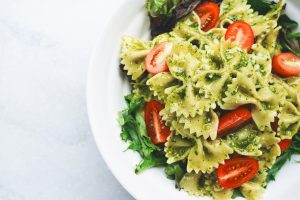
1. The Power of the “Energy Plate”
Think of your lunch not as “food,” but as the fuel that will power your next four hours. Aim for a balanced plate that provides sustained energy:
· Protein (The Stabilizer): Keeps you full and stabilizes blood sugar. Think grilled chicken, hard-boiled eggs, chickpeas, tuna, or tofu.
· Complex Carbs (The Long-Haul Fuel): Provides a slow, steady release of energy. Think quinoa, brown rice, sweet potato, or whole-wheat pasta.
· Healthy Fats & Veggies (The System Regulators): Fights inflammation and provides crucial micronutrients. Think avocado, nuts, seeds, and any color of the rainbow you can pack into a container.
Example: A large salad with spinach, grilled chicken, quinoa, avocado, and a vinaigrette. It’s the anti-crash meal.
2. Snack Smarter, Not Harder
Banish the vending machine from your mind. Prepare “grab-and-go” snacks that combine protein and fiber.
· Greek yogurt with a handful of berries
· An apple with a tablespoon of peanut butter
· A small handful of almonds and a cheese stick
· Pre-made veggie sticks with hummus
Stash these in your locker or break room fridge. They are your tactical equipment for defeating the afternoon slump.
3. Hydrate or Deteriorate
For every cup of coffee, chase it with a cup of water. Invest in a large, marked water bottle and keep it at your station. Seeing it will serve as a visual reminder. Proper hydration improves concentration, combats fatigue, and might even make you feel less like throttling the next person who asks for a warm blanket the minute you sit down. (We’ve all been there.)
4. The “Meal Prep” Miracle
Yes, it’s the buzzword of the decade, but for nurses, it’s a survival tactic. Dedicate one hour on your day off. Roast a tray of chicken and vegetables. Cook a large batch of brown rice or lentils. Hard-boil a dozen eggs. Portion everything into containers. This act of foresight is like giving a gift to your future, exhausted self. It’s the difference between a nutritious meal and a desperate, tearful encounter with a cold pizza slice at 11 PM.
The Bottom Line
Your health is not a sidebar to your nursing career; it is the foundation of it. You are a healthcare superhero, but even superheroes need the right fuel. You counsel patients on the profound impact of lifestyle choices; it’s time to take your own expert advice.
So, the next time you’re tempted to run solely on adrenaline and caffeine, remember: a well-fed nurse is a sharp, compassionate, and resilient nurse. And frankly, the world needs more of those. Now, go eat something that doesn’t come out of a vending machine. Your patients—and your pancreas—will thank you.
—
Leave a Reply