Category: Efficient Meal Prep & Recipes

Focus on quick, batch-cooked, and nutritious meals designed for nurses on rotating shifts.

  • The Nurse’s Diet: From Salad to Shift Snacks

    The Nurse’s Diet: From Salad to Shift Snacks

    Let’s be honest: the term “nurse’s diet” probably conjures up images of lukewarm coffee, a granola bar inhaled in three bites between a code blue and an angry family member, and the mysterious, beige casserole left in the breakroom by a grateful patient’s grandma. It’s a culinary adventure, but not exactly a Michelin-starred one.

    We, the ones who expertly advise patients on low-sodium diets and diabetic meal plans, often become the worst offenders when it comes to our own nutrition. It’s a classic case of the cobbler’s children having no shoes, except the shoes are a balanced meal, and we’re running a marathon in fluffy socks.

    So, why is it so hard for us to eat well? And more importantly, how can we fix it without adding another “to-do” to our already Herculean list?

    The “No Time” Tango and the Vending Machine Villain

    The biggest nemesis of nurse nutrition is Time, or the lack thereof. A 12-hour shift is a masterclass in chaos management. Your stomach rumbles at 11:03 AM, but that’s precisely when Mr. Johnson in Room 204 decides to take an unaccompanied stroll to the bathroom, and you’re the lucky chaperone. By the time things settle, it’s 1:30 PM, your blood sugar has plummeted to subterranean levels, and the siren song of the vending machine—that glorious purveyor of salt, sugar, and immediate gratification—is impossible to ignore.

    This “feast-or-famine” cycle is a metabolic rollercoaster. It leads to energy crashes, irritability (sorry, not sorry, new interns), and poor concentration. When you’re running on empty, that bag of chips isn’t just food; it’s a highly efficient, if not terribly nutritious, fuel pellet.

    The Strategy: Outsmart the Chaos

    The key is to treat your shift like a tactical mission. Spontaneity is the enemy.

    1. The Power of Prep (Without the Pinterest Pressure): You don’t need to spend your one day off creating Instagram-worthy bento boxes. “Meal prep” can simply mean:
    · Hard-boiling a dozen eggs.
    · Chopping a few veggies and putting them in a container.
    · Making a large batch of quinoa or lentils.
    · Buying pre-cooked grilled chicken or canned tuna. Assemble these components the night before or morning of your shift. The goal is “grab-and-go,” not “gourmet.”
    2. Embrace the Snack Attack: Three square meals are a fantasy in a hospital. Plan for 2-3 substantial snacks and one main meal. This keeps your energy stable. Good options include:
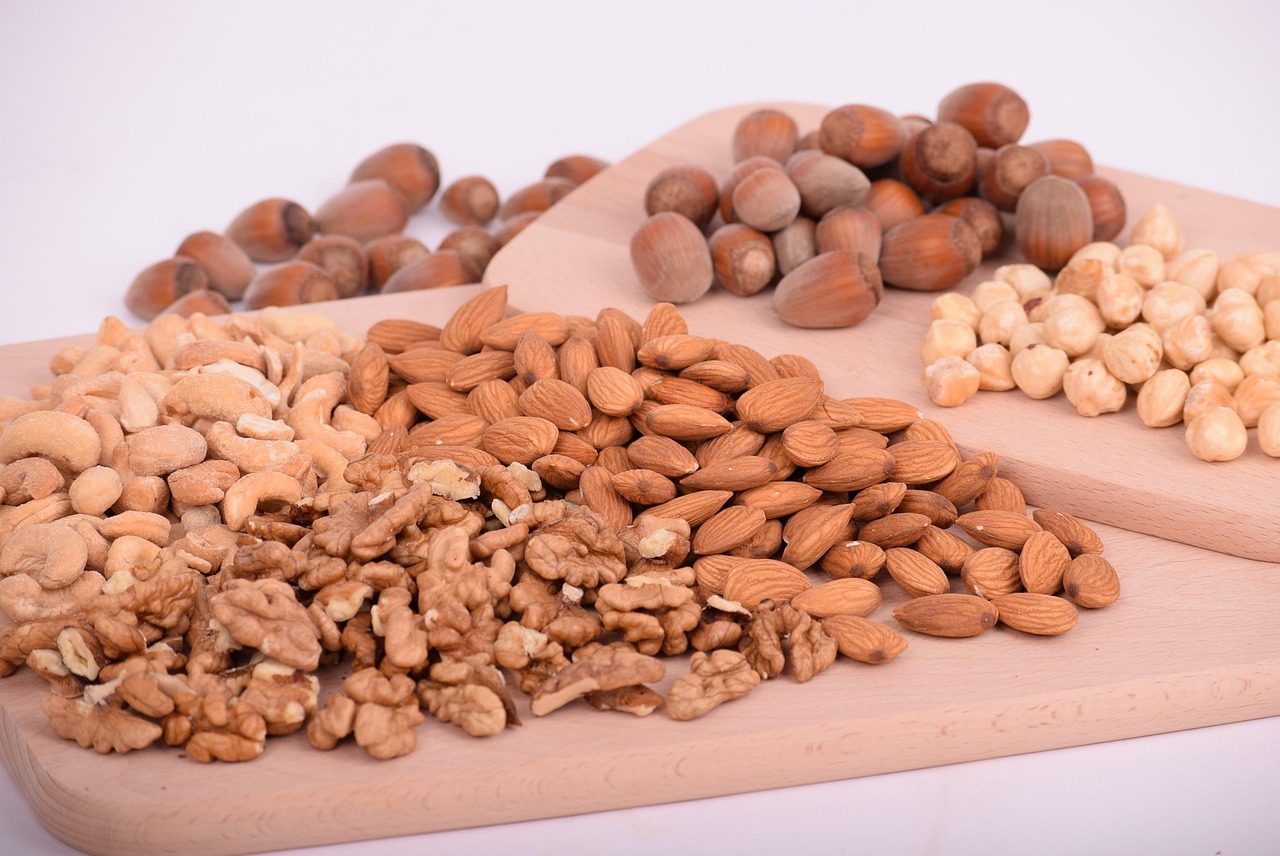
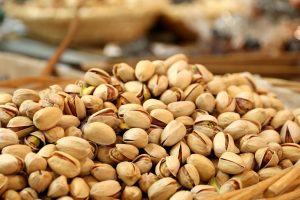
    · The Protein Punch: Greek yogurt, a handful of almonds, a protein shake, or those hard-boiled eggs.
    · The Fiber Friend: An apple with peanut butter, carrot sticks with hummus, or a small container of berries.
    · The Complex Carb: A whole-wheat wrap, a small sweet potato, or whole-grain crackers.
    3. Hydration Station (It’s Not Just Coffee): We know coffee is the lifeblood of the healthcare system. But it’s also a diuretic. Dehydration masquerades as hunger, fatigue, and a headache. Keep a large, colorful water bottle at your station. Set a goal to finish it by a certain time (e.g., “I’ll finish this by my first round of meds”). Herbal tea or water with a splash of fruit juice can be a great alternative.

    The Night Shift Nibbles: A League of Its Own

    Working nights is like being a nutritional vampire. Your body’s internal clock is screaming for sleep, but you’re eating “lunch” at 3 AM. This messes with your circadian rhythm and can lead to weight gain and digestive issues.

    · The “Main Meal” should be before your shift, around 5-6 PM. Think a balanced dinner with protein, veggies, and complex carbs.
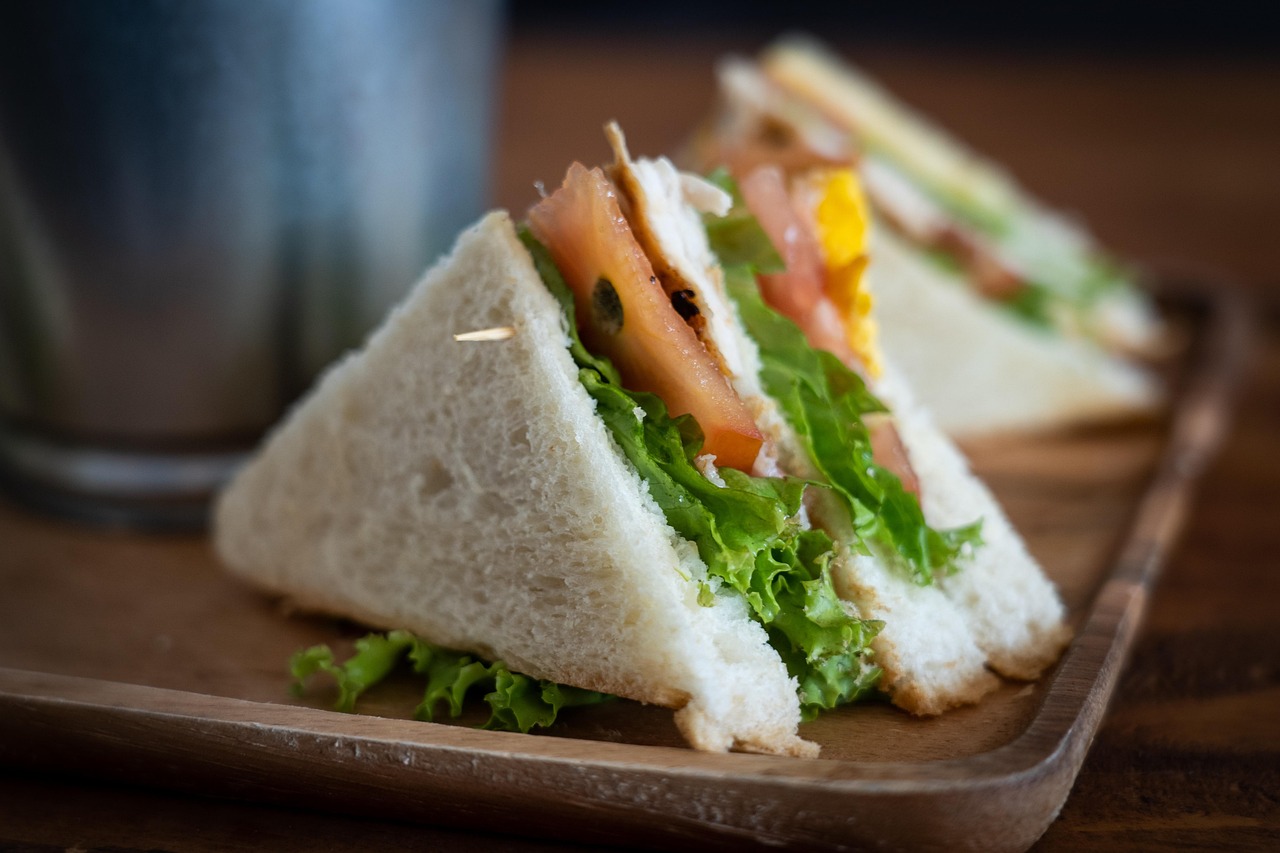
    · During the shift, focus on light, protein-rich snacks that are easy to digest. Avoid heavy, greasy, or super sugary foods that will make you crash. A turkey sandwich on whole wheat is far better than a slice of leftover pizza.
    · “Breakfast” after your shift should be small and sleep-promoting. A small bowl of oatmeal, a banana, or a glass of milk. Don’t go to bed on a full stomach.

    The Secret Ingredient: Self-Compassion

    Some days, the vending machine will win. Some days, you’ll be too exhausted to chew a kale leaf, let alone prepare one. And that’s okay. The goal is progress, not perfection. Forgive yourself for the less-than-ideal choices and get back on track with your next meal.

    Remember, you are a healthcare superhero. You can’t pour from an empty cup—or run a code on an empty stomach. Fueling your body with intention isn’t just an act of self-care; it’s a professional necessity. It’s what gives you the energy to be the brilliant, compassionate, and slightly-caffeinated rockstar your patients rely on. Now, go forth and conquer your shift—and maybe pack an extra granola bar, just in case.

  • The Hungry Healer: A Nurse’s Guide to Not Getting Hangry on the Halls

    The Hungry Healer: A Nurse’s Guide to Not Getting Hangry on the Halls

    Let’s be real. The term “lunch break” often feels like a mythical concept in nursing, right up there with “a quiet shift” or “a fully stocked pyxis.” Your “diet” can sometimes consist of whatever you can scavenge from the vending machine, a handful of crackers from the nutrition room, and the lukewarm coffee you’ve been guarding since 7 AM.

    But here’s the deal: you are a healthcare superhero. You wouldn’t fuel a high-performance sports car with cheap, sugary gas and expect it to win races. So why do we expect our bodies and brains—the very tools we use to make critical decisions, offer compassion, and literally save lives—to run on stress-baked cookies and caffeine?

    It’s time to talk about eating like the clinical rockstar you are.

    Part 1: The Enemy Within (The Break Room Donut Box)

    We’ve all been there. A kind patient’s family brings in a box of glazed, heavenly rings of temptation. It sits in the break room, whispering your name. Before you know it, you’ve inhaled two donuts during a 30-second charting pause. The result? A sugar rush that feels like a mini-vacation, followed by a catastrophic energy crash right as you get a new admission.

    This is the cycle of the “Quick Fix.” Sugary snacks and simple carbs provide a rapid spike in blood sugar, giving you a fleeting sense of energy. But your body responds by releasing insulin, which rapidly lowers your blood sugar, leaving you more tired, irritable, and foggy-brained than before. This is the biological recipe for “hanger” (hunger + anger), a state no nurse or their patients can afford.

    Part 2: Mastering the Art of Shift-Work Fueling

    Your body has a circadian rhythm that is fundamentally confused by your schedule. Eating at 3 AM goes against every natural instinct. The key is to strategize, not just react.

    The Power of the Protein-Packed Punch Protein and healthy fats are your best friends. They digest slowly, providing a steady stream of energy and keeping you full and focused for hours. Think of them as the time-release capsules of nutrition.

    · Smart Snack Attack: Ditch the chips. Instead, pack:
    · A handful of almonds and an apple.
    · Greek yogurt with a sprinkle of nuts.
    · Veggie sticks (carrots, bell peppers) with hummus.
    · A hard-boiled egg (pre-peel it at home to avoid looking like a caveperson at the nurses’ station).

    Hydration: It’s Not Just About the Coffee Caffeine is a tool, not a beverage. It’s a brilliant, alertness-promoting tool, but it’s also a diuretic and can contribute to dehydration and crashes.

    · The Water Bottle Gambit: Get a large, marked water bottle. Your goal is to finish one full bottle by your first break, another by lunch, and so on. Place it in your line of sight. Every time you pass it, take a sip.
    · The Herbal Tea Intermission: Switching to herbal or decaf tea in the latter half of your shift can help you wind down for sleep later, unlike that 3 PM espresso that will have you staring at the ceiling until noon the next day.

    Part 3: The “I Have Five Minutes to Eat” Meal Solution

    Your “lunch” is often a tactical mission. You need something that is fast, requires little to no preparation, and can be eaten with one hand while the other hand charts.

    Enter the mighty Mason Jar Salad. Don’t groan! This isn’t a sad, wilted lettuce situation. By layering it correctly—dressing at the bottom, then hardy veggies like chickpeas and cucumbers, then proteins like grilled chicken or quinoa, with delicate greens on top—you get a crisp, restaurant-quality salad when you shake it. It’s a full meal in a jar.

    The Wrap-tional Alternative: A whole-wheat wrap stuffed with lean turkey, cheese, spinach, and hummus is portable, non-messy, and packed with balanced nutrition.

    Batch Cooking is Your Secret Weapon: Pick one day off to be your kitchen boss day. Grill a batch of chicken, cook a large portion of quinoa or brown rice, and chop a rainbow of vegetables. Store them in containers. For the next three days, you can assemble a healthy plate in under three minutes. This eliminates the “I’m too tired to cook, so I’ll just eat this entire box of crackers” dilemma.

    Part 4: The Mindful Munch (Because Stress Eating is Real)

    Nursing is stressful. Sometimes, the brain confuses “I just coded a patient” with “I must eat this entire bag of chocolate immediately.” This is emotional eating, and it’s a normal response to an abnormal amount of stress.

    Before you reach for the candy, P.A.U.S.E.:

    · P: Physically stop for 10 seconds.
    · A: Ask, “Am I actually hungry, or am I stressed/tired/bored?”
    · U: Understand the craving. If it’s stress, can you take three deep breaths instead?
    · S: Select consciously. If you still want the chocolate, have a small piece and savor it, rather than mindlessly devouring the whole bar.
    · E: End the guilt. You’re human. Acknowledge it and move on.

    Conclusion: You Can’t Pour from an Empty Cup (or Stomach)

    Caring for yourself is not selfish; it’s fundamental. By treating your nutrition with the same importance you give to a medication schedule, you are investing in your own well-being. You’re ensuring you have the energy, clarity, and mood stability to be the incredible nurse you are.

    So, the next time that donut box calls your name, you can smile, pat your lunch bag filled with steady-energy fuel, and say, “Not today, my sugary foe. This healer is already full.” Now, go hydrate

  • Eat Well, Nurse Well: A Survival Guide

    Eat Well, Nurse Well: A Survival Guide

    Let’s be honest: the term “nurse’s diet” usually brings to mind a cold cup of coffee, half a granola bar found at the bottom of a pocket, and a mysterious sandwich that’s been left in the break room since the last shift change. Sustenance, for those of us in the trenches, is often less about nutrition and more about sheer, desperate calorie intake between one alarm bell and the next.

    But what if we reframed the narrative? You are a high-performance athlete, my friend. Your events include: the 12-hour marathon, the heavy-lifting decathlon, the emotional gymnastics floor routine, and the rapid-fire mental triathlon of prioritizing a dozen tasks at once. No athlete thrives on vending machine chips and lukewarm caffeine. It’s time to fuel the machine that does the incredible work.

    The “Why”: Beyond the Grumbling Stomach

    We know we should eat better. But beyond the obvious, proper nutrition is your secret weapon. It’s the difference between crashing at 3 PM and having the steady energy to handle that new admission. It’s what sharpens your focus for that critical medication calculation. It’s what bolsters your immune system against the daily germ-fest. And, perhaps most importantly, it’s what stabilizes your mood, making you less likely to snap at a well-meaning (but clueless) intern.

    Think of your body like an ECG readout. A diet of pure sugar and processed carbs is like ventricular fibrillation – chaotic, spikey, and unsustainable. A balanced diet of protein, complex carbs, and healthy fats is a beautiful sinus rhythm – steady, strong, and ready for anything.

    The Usual Suspects: Dietary Pitfalls & How to Outsmart Them

    1. The Siren Call of the Snack Cart: That cart laden with cookies and donuts, brought in by a grateful patient’s family, is a trap in delicious disguise. It offers a quick sugar high, followed by a crushing crash that leaves you more drained than before.
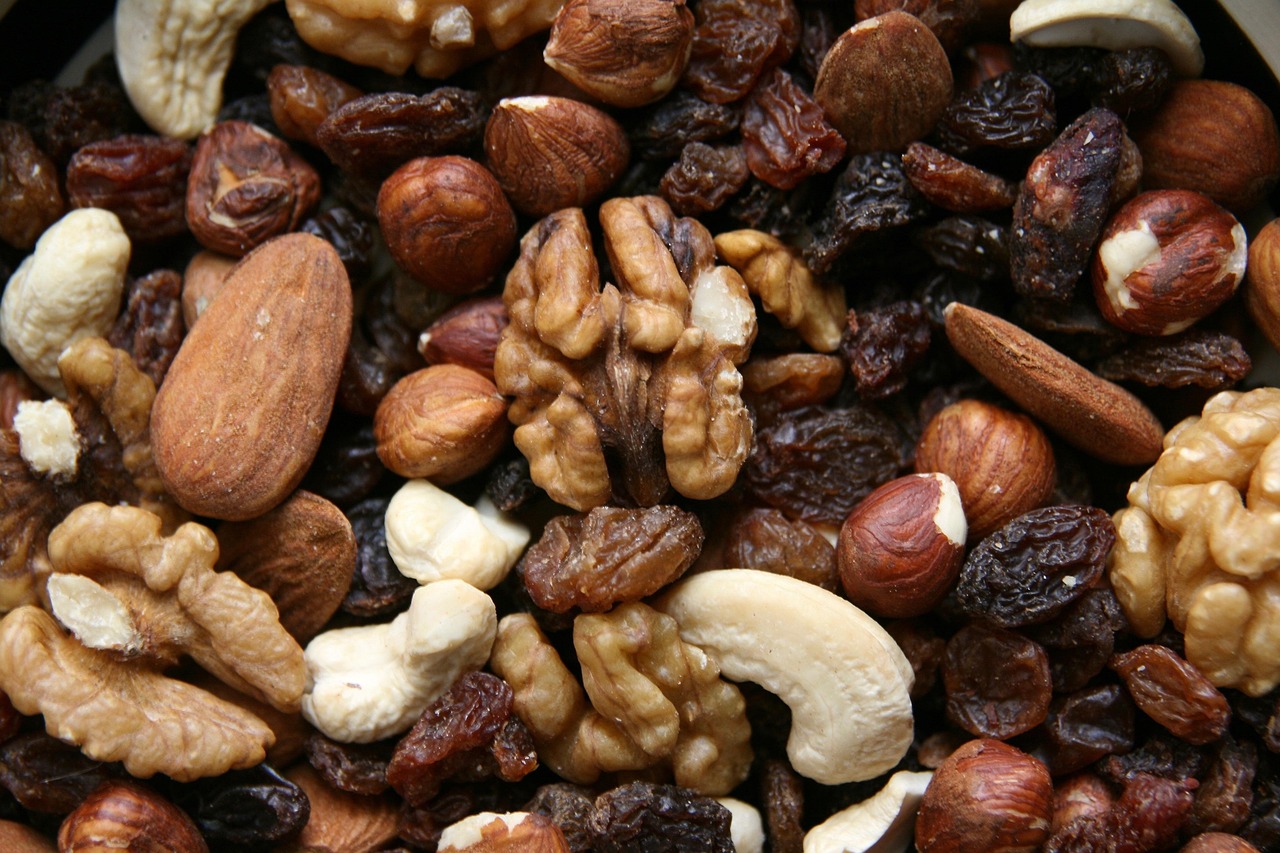
    · The Hack: Be the change you wish to see in the break room. If you can, bring a communal platter of apple slices with peanut butter, or a container of mixed nuts and dried fruit. Peer pressure can be positive!
    2. The “No Time to Chew” Fallacy: We’ve all claimed we’re too busy to eat. This is a fallacy. You are not too busy to fuel your engine; you’re just not prepared.
    · The Hack: This isn’t a leisurely three-course meal. This is strategic refueling. Your lunch should be something you can eat in 5-10 minute increments. Think: a sturdy salad in a jar (dressing at the bottom), a wrap, or a container of quinoa and chicken you can shovel efficiently.
    3. The Hydration Deception: Coffee is not hydration. In fact, it’s a diuretic. If your urine could sing, you’d want it to be a clear, flowing ballad, not a concentrated, dark yellow heavy metal scream.
    · The Hack: Get a large, marked water bottle. Your goal is to finish one by lunch and another by the end of your shift. Place it somewhere you’ll see it frequently. Every time you chart, take a sip.

    The Game Plan: Building a Bomb-Proof Lunchbox

    Forget fad diets. Your body needs reliable, long-burning fuel. Build your meals and snacks around this simple trio:

    1. The Power of Protein: This is your satiety superstar. It keeps you full and provides steady energy.
    · Examples: Grilled chicken strips, hard-boiled eggs, chickpeas, Greek yogurt, cottage cheese, tuna packets, edamame.
    2. The Consistency of Complex Carbs: These are your brain’s best friend, providing a slow release of glucose for sustained mental energy.
    · Examples: Whole-wheat tortillas, quinoa, oatmeal, sweet potato, brown rice, whole-grain crackers.
    3. The Magic of Healthy Fats & Fiber: Fats keep you satisfied, and fiber keeps your digestive system… well, systematic.
    · Examples: Avocado, nuts, seeds, olives, and any colorful vegetable you can get your hands on.

    Sample Day of “Hero Fuel”:

    · Breakfast (eaten before the storm): A smoothie with spinach, banana, protein powder, and almond milk. Chug it on the way out the door if you must.
    · Morning Snack: An apple and a single-serving packet of almond butter.
    · Lunch: A “deconstructed burrito bowl” with chicken, black beans, corn, salsa, and a handful of tortilla chips for crunch.
    · Afternoon Slump Snack (3 PM is coming for you): A small container of Greek yogurt with berries, or a handful of baby carrots and hummus.
    · Post-Shift Recovery: Your body needs to repair. A piece of salmon with roasted broccoli, or a quick stir-fry. This prevents you from raiding the entire pantry when you get home.

    A Final, Unsolicited Prescription

    You spend your days caring for others. View your own nutrition not as a chore, but as a non-negotiable part of your professional – and personal – well-being. You cannot pour from an empty cup. Or, in this case, you cannot start an IV with a hand shaky from hunger and a brain foggy from sugar.

    So, pack that lunch like your sanity depends on it. Because, quite frankly, it does. Now go forth, eat well, and nurse well. You’ve got this.

  • The Hangry Nurse: A Survival Guide

    The Hangry Nurse: A Survival Guide

    Let’s be real. The term “nurse’s diet” doesn’t typically evoke images of kale smoothies and quinoa bowls. It more accurately brings to mind cold coffee, half a muffin salvaged from the break room, and the mysterious “lunch” you finally eat at 4 PM. You are a superhero in scrubs, a master of multitasking, and a relentless advocate for your patients. But when it comes to feeding the machine that is you, things often go spectacularly off the rails.

    This isn’t about achieving a bikini body or subscribing to the latest fad. This is about survival. This is about ensuring that the person holding the sharps container isn’t also seeing stars from low blood sugar. So, let’s talk about how to eat like the champion you are, without adding another item to your already overflowing to-do list.

    Part 1: Know Thy Enemy (Your Workday)

    The hospital floor is a nutritional warzone. Understanding its traps is the first step to victory.

    The Siren Song of the Break Room: This is where well-meaning patients’ families leave boxes of donuts that stare into your soul. It’s where leftover birthday cake from the admin office goes to die, and you are its willing executioner. This is “Grazing Ground Zero.” The sugar rush is immediate, the crash is brutal, and suddenly you’re snappy with a perfectly pleasant patient named Doris.

    The “I Have Five Minutes” Fallacy: You sprint to the cafeteria with a plan. You leave with a greasy slice of pizza and a soda because it was right there. Your brain, starved for calories and time, opts for the fastest, highest-calorie hit it can find. It’s not a lack of willpower; it’s a physiological hijacking.

    The Hydration Hallucination: Is that third cup of coffee a beverage or an emotional support object? Many nurses are in a perpetual state of dehydration, mistaking thirst for hunger, fatigue, or a deep-seated need for another charting session. Coffee is a diuretic, not a hydrator. Your body is not a cactus; it needs actual water.

    Part 2: Building Your Nutritional Crash Cart

    Forget complex diet plans. Think in simple, strategic blocks. Your mission is to create meals and snacks that are a triple threat: Protein, Fiber, and Healthy Fats. This combo is your secret weapon. It digests slowly, providing a steady stream of energy and keeping you full and focused for hours.

    Meal Prep: Your New Best Friend (We Promise) Yes, we said the “P-word.” But before you roll your eyes, hear us out. This doesn’t mean spending your one day off cooking 37 identical chicken breasts.

    · The Sunday Session: Dedicate one peaceful hour (with a good podcast on) to assembly, not cooking.
    · Hard-Boil a dozen eggs. Instant protein.
    · Chop veggies—bell peppers, carrots, cucumbers. Stick them in a container. Done.
    · Cook a big batch of quinoa or brown rice.
    · Portion out nuts and seeds into small containers or bags.
    · The “Grab-and-Go” Pile:
    · Greek yogurt cups
    · String cheese
    · Pre-made hummus cups
    · Whole-grain wraps or crackers
    · Pre-cooked grilled chicken strips
    · Fruit that travels well: apples, bananas, oranges, berries.

    Assembling the 4 PM “Lunch” (That You Eat at 2 PM if You’re Lucky): Now, with your prepped ingredients, you can build a real meal in 60 seconds.

    · The Power Bowl: In a container, throw a handful of greens, a scoop of quinoa, those pre-cooked chicken strips, and a handful of your chopped veggies. Drizzle with a store-bought vinaigrette.
    · The Un-sad Salad: Layer chickpeas, chopped eggs, nuts, and seeds over spinach. It won’t get soggy, and it’s actually satisfying.
    · The Wrap of Champions: A whole-wheat wrap with hummus, turkey slices, and spinach. It’s edible with one hand while you chart with the other. You’re welcome.

    Part 3: Snack Attack Tactics

    Snacking is not the enemy; poorly chosen snacks are. Your goal is to outsmart the break room donuts.

    Your Locker’s Emergency Stash:

    · A jar of almond or peanut butter (for apple slices or celery).
    · Trail mix (heavy on the nuts and seeds, light on the chocolate chips).
    · Beef jerky or turkey jerky (check for low sodium).
    · Protein bars—but be a label detective! Look for low sugar (under 10g) and at least 10g of protein.

    The Caffeine Conundrum: We get it. Coffee is the lifeblood of healthcare. The key is to be its master, not its slave. Try this: for every cup of coffee, drink one cup of water. It mitigates the dehydration and the jitters. And if you’re on a night shift, stop the caffeine intake at least 4-5 hours before you plan to sleep. Yes, even if you “feel fine.” Your adrenal glands will thank you.

    Part 4: Beyond the Food – The Mindful Morsel

    You are in a high-stress, high-stakes profession. Your relationship with food matters.

    · Listen to Your Gut (Literally): Are you eating because you’re stressed, bored, or actually hungry? A five-second pause to check in can save you from mindless munching.
    · Practice Strategic Indulgence: That donut from the nice family? It’s not evil. The key is to enjoy it. Don’t guilt-eat it in the supply closet. Eat it mindfully, with a cup of tea, and savor every single bite. Then, move on. No drama.
    · Hydrate, Hydrate, Hydrate: Get a large, marked water bottle. Your goal is to finish it by lunch and refill it for the afternoon. Proper hydration improves cognition, mood, and even helps your body handle stress better.

    The Final Handoff

    Think of your body as your most important patient. You wouldn’t let your patient run on caffeine, sugar, and fumes. You’d assess, intervene, and provide the best possible care.

    So, do the same for yourself. A well-fueled nurse is a sharper, kinder, more resilient nurse. You’ll have the energy for that difficult family, the focus for that complex medication calculation, and the patience for the new intern. It’s not about perfection; it’s about progress. Start with one prepped meal. Pack one healthy snack. Drink one extra glass of water.

    You keep the rest of the world healthy. It’s high time you included yourself in that mission. Now, go forth and conquer your shift—without the hanger.

  • Nurse Nutrition: How to Fuel a Healthcare Superhero

    Nurse Nutrition: How to Fuel a Healthcare Superhero

    Let’s be honest: the term “nurse’s diet” often brings to mind a grim picture of cold coffee, half-eaten granola bars, and whatever vending machine treasure can be scarfed down in a five-minute window between saving lives and updating charts. It’s a culinary adventure where the main course is stress and the side dish is exhaustion.

    But what if we reframed that? You are a healthcare superhero. You wouldn’t put cheap, watered-down fuel in a high-performance vehicle, so why do it to your own incredible body? Proper nutrition isn’t just a luxury; it’s your essential shift gear.

    The “Why”: More Than Just a Rumbling Tummy

    On a 12-hour shift, your body and brain are running a marathon at a sprint’s pace. The right food is your secret weapon.

    · For the Brain: Forget “hangry,” we’re talking about “h-angry” – a state where low blood sugar turns a normally compassionate caregiver into someone who might just discharge a patient for asking for the fifth cup of Jell-O. Stable blood sugar, achieved through balanced meals, is crucial for sharp decision-making, memory recall (which patient was allergic to what again?), and maintaining that famous nurse’s patience.
    · For the Body: You’re logging thousands of steps, lifting patients, and constantly on your feet. This requires sustained energy, not the fleeting spike-and-crash from a sugar-laden energy drink. Proper nutrition supports muscle repair, boosts your immune system (because you’re exposed to every bug in the building), and helps prevent that 3 PM energy nosedive.
    · For the Soul: Let’s not underestimate the mental and emotional toll. A healthy gut is linked to a healthier mood. Feeding yourself well is a profound act of self-care, a small rebellion against the chaos, reminding you that your own well-being matters too.

    The Snack-tical Approach: Your Guide to Battlefield Nutrition

    Forget the idea of three square meals. In the nursing world, it’s all about strategic, graze-worthy fuel. Think of your lunch bag as your mission kit.

    The Heroes (Pack These):

    1. The Protein Punch: This is your best friend for satiety and steady energy.
    · Hard-boiled eggs: Nature’s perfect protein packet.
    · Greek yogurt: High in protein, mix in some berries and nuts.
    · Turkey or chicken roll-ups: Wrap a slice around a cheese stick or some cucumber.
    · Edamame: Easy to pack and munch on.
    · A handful of almonds or walnuts: A classic for a reason.
    2. The Complex Carb Crew: These provide the slow-burning energy to keep you going.
    · Apple slices with peanut butter: The perfect sweet-and-salty combo.
    · Whole-grain crackers or rice cakes: Great with hummus or avocado.
    · Overnight oats in a jar: Prepare it the night before for a no-fuss meal.
    3. The Hydration Heroes:
    · WATER: Yes, it’s boring, but it’s non-negotiable. Dehydration mimics fatigue and brain fog. Get a large, marked water bottle and make it a game to finish it by a certain time.
    · Herbal tea: A warm, comforting option without the caffeine jitters.
    · Infused water: Throw in some lemon, cucumber, or berries to make it more exciting.

    The Villains (Mostly Avoid These):

    · The Sugar Sirens: Donuts, candy, sugary sodas. They sing a sweet song of immediate gratification but lead to a guaranteed energy crash an hour later, leaving you more drained than before.
    · The Salty Saboteurs: Chips, pretzels, and other highly processed snacks. They cause bloating and can make you even thirstier.
    · The Liquid Liars: Frappuccinos and monster energy drinks. They promise the world but often deliver anxiety, jitters, and a nasty crash.

    A Day in the Life of a Well-Fed Nurse

    Let’s paint a new picture. Imagine your shift:

    · Pre-Shift (6:00 AM): You have a blender smoothie with spinach, banana, protein powder, and almond milk. Or, you grab two hard-boiled eggs and a piece of whole-wheat toast. You’re starting with stable blood sugar, not a caffeine-and-sugar tremor.
    · Mid-Morning (10:00 AM): The hunger pangs start. You reach into your locker for your Greek yogurt and a small handful of trail mix. It takes 90 seconds. You feel victorious.
    · Lunch (The mythical “When I Have Time”): You have a container of quinoa salad with chickpeas, diced chicken, cucumbers, and a lemon vinaigrette. It’s satisfying, delicious, and doesn’t make you feel like you need a nap afterward.
    · Mid-Afternoon Slump (3:00 PM): Instead of the breakroom cookies, you have an apple and a cheese stick. Your energy remains steady. You handle the new admission with grace.
    · Post-Shift (7:00 PM): You’re tired, but not ravenously “eat-the-entire-pantry” tired. You have the mental clarity to throw together a simple stir-fry or a large omelet, nourishing your body for recovery and the next shift.

    The Realistic Bottom Line

    We live in the real world. Some days, the vending machine will win. And that’s okay. This isn’t about perfection; it’s about progress. It’s about swapping one bad habit for a better one, one shift at a time.

    You spend your days advocating for the health of others. You dispense wisdom on diet, medication, and self-care. It’s time to take a dose of your own medicine. Your patients need a sharp, energetic, and healthy you. But more importantly, you deserve to feel like the well-fueled superhero you are.

    So, pack that extra snack. Fill that water bottle. You’ve got this.

  • Coffee is Not a Food Group: A Nurse’s Guide to Not Running on Empty

    Coffee is Not a Food Group: A Nurse’s Guide to Not Running on Empty

    Let’s be real. The term “nurse’s diet” probably brings to mind a few universal images: the lukewarm coffee chugged behind the med cart, the half-eaten granola bar found crumpled in a scrubs pocket, and the mysterious, beige “food” from the hospital cafeteria that defies all identification.

    In the high-stakes, fast-paced world of healthcare, your own nutrition often becomes the last item on a very long to-do list. You’re a superhero in comfy shoes, but even superheroes need the right fuel. So, let’s talk about how to eat in a way that keeps you from morphing into a “hangry” code-blue participant.

    Part 1: The All-Too-Familiar Pitfalls (Or, Why Your Stomach is Growling at 2 PM)

    First, let’s diagnose the problem. The typical nurse’s eating schedule is a masterpiece of improvisation, plagued by:

    · The Breakfast Skip: The alarm screams, you hit snooze twice, and you’re out the door. Breakfast? That’s what the caffeine IV drip (also known as coffee) is for.
    · The Desk Drawer Diet: A fascinating ecosystem of processed carbs, sugar, and salt. Think crackers, candy “for a quick sugar rush,” and ancient packets of instant oatmeal. It’s food that can survive a nuclear fallout, but can it survive your 12-hour shift?
    · The Feast-or-Famine Cycle: You’re either too busy to eat a single bite for six hours, or you’re suddenly so ravenous you could eat the patient’s Jell-O (don’t do it). This leads to the dreaded 3 PM crash, where the only solution seems to be another large coffee and a muffin the size of your head.
    · The Emotional Eat-and-Run: A tough code, a difficult family, mountains of charting. Stress eating is real, and the hospital vending machine, with its glowing, seductive buttons, is your siren song.

    The result? You’re running on fumes, your energy levels are a rollercoaster, and your mood is one inconvenient question away from a spectacular snap.

    Part 2: Fueling for the Front Lines (The “How-To” Without the Hysteria)

    You wouldn’t put watered-down gas in an ambulance, so don’t put junk fuel in your body. The goal isn’t a Michelin-star meal; it’s strategic, sustainable energy. Think of your body as the most important piece of equipment you bring to work.

    1. The “Pre-Game” Power-Up (Breakfast): Skipping breakfast is like starting your car in winter and immediately flooring it onto the highway. Not ideal. Your goal: Protein + Healthy Fat + Complex Carb.

    · The 5-Minute Wonder: A Greek yogurt parfait with berries and a handful of nuts.
    · The Grab-and-Go: Two hard-boiled eggs and an apple. Make them the night before!
    · The Blender Bonanza: A smoothie with spinach, a scoop of protein powder, a banana, and almond milk. Drink it on your commute like the champion you are.

    2. Packing Your Arsenal (Lunch & Snacks): This is your secret weapon against the cafeteria and the vending machine. Invest in a good lunchbox and some reusable containers.

    · The Main Event (Lunch): Leftovers are your best friend. When you make dinner, cook extra.
    · The Bowl is Your Best Friend: A grain (quinoa, brown rice), a lean protein (grilled chicken, chickpeas, tuna), and a mountain of veggies. Add a tasty dressing in a separate container.
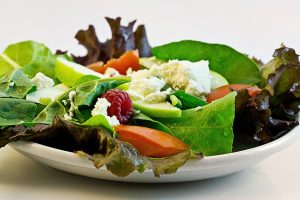
    · The Massive Salad: But not a sad, leafy one. Load it up with chicken, eggs, beans, avocado, and nuts. This is a salad with a purpose.
    · Snack Attack Saviors: These should be easy to eat in 90 seconds flat.
    · The Protein Pair: Apple slices with peanut butter, cheese sticks with whole-wheat crackers, or a handful of almonds and dried cranberries.
    · Veggie Sticks & Hummus: Crunchy, satisfying, and will make you feel virtuous.
    · Protein Bars: Choose wisely! Look for low sugar and at least 10-15 grams of protein.

    3. Hydration: Beyond the Caffeine River Yes, we know. Coffee is the lifeblood of the nursing profession. But it’s also a diuretic and can contribute to the energy crash. Your mission, should you choose to accept it, is to hydrate with water.

    · Get a Giant, Marked Water Bottle: A one-liter bottle with time markers is a great visual reminder. “By 10 AM, I should be to this line.”
    · Infuse It: Toss in some lemon, cucumber, or mint if plain water bores you.
    · The Coffee-Water Tango: For every cup of coffee, drink one cup of water. It’s a tango for your kidneys.

    Part 3: The Mindset Shift: From Chore to Self-Care

    Ultimately, this isn’t just about food. It’s about acknowledging that you cannot pour from an empty cup. Your ability to be empathetic, sharp, and resilient is directly tied to how you fuel yourself.

    Eating well isn’t another task on your list; it’s a fundamental part of your professional toolkit. It’s a act of rebellion against a system that often expects you to run on altruism and caffeine alone.

    So, the next time you’re racing through your day, remember: you are the most important patient you’ll ever have. Nourish yourself accordingly. Your patients, your colleagues, and your grumbling stomach will thank you for it.

    Now, go find something that isn’t coffee to eat. You’ve earned it.

  • The Hangry Nurse: A Survival Guide

    The Hangry Nurse: A Survival Guide

    Let’s be real. The concept of a “lunch break” in nursing is about as mythical as a unicorn that can also do a perfect IV insertion on the first try. Your “diet” often consists of whatever can be inhaled in three minutes flat between a code brown and a family meeting. You’re running on coffee, adrenaline, and the sheer force of your will.

    But here’s the ironic twist: we, the champions of health, the dispensers of dietary advice, are often the worst offenders when it comes to our own nutrition. We wouldn’t dream of letting a patient go 12 hours without sustenance, yet we do it to ourselves daily. So, let’s talk about how to fuel the engine that runs the hospital—you.

    Part 1: The Enemy (A.K.A. Your Current Diet)

    We all know the usual suspects:

    · The Vending Machine Vendetta: That 3 PM slump hits, and suddenly, a bag of chips and a sugary soda seem like a lifeline. This gives you a rocket-like surge of energy, followed by a catastrophic crash just as Mr. Johnson in Room 204 decides it’s the perfect time to practice his yodeling.
    · The Desk Drawer of Despair: A graveyard of half-eaten granola bars, ancient packs of crackers, and that one sad-looking fruit cup from 2019. It’s food, but it’s not fuel.
    · The “I’ll Just Eat My Feelings” Special: A tough shift? Nothing says “comfort” like the greasy pizza in the cafeteria or a giant cookie on the way home. Emotional eating is a real battle when your day is an emotional marathon.

    The result? You’re not just “hangry” (that dangerous combination of hungry and angry); you’re fatigued, foggy-brained, and more susceptible to burnout and illness. You can’t pour from an empty cup, and you certainly can’t titrate a critical drip from a glucose-depleted brain.

    Part 2: The Game Plan – Fueling for the Front Lines

    Think of your body not as a car, but as a high-performance emergency vehicle. You need premium fuel, not the cheap stuff that clogs your engine.

    1. The Pre-Shift Launch Sequence (Breakfast is Non-Negotiable) Skipping breakfast is like sending a fire truck to a five-alarm fire with an empty water tank. You need a blend of protein, complex carbs, and healthy fats to create a slow, steady energy release.

    · The Quick Win: A smoothie with Greek yogurt, spinach, a banana, and a scoop of nut butter. Chug it in the car if you must.
    · The Make-Ahead: Overnight oats with chia seeds and berries. Prep a few jars and grab one on your way out.
    · The Savory Savior: Two hard-boiled eggs and a piece of whole-wheat toast. It takes five minutes.

    2. The Tactical Lunchbox – Your Secret Weapon Forget relying on the cafeteria. Packing your own food is an act of self-preservation. Your mission: create meals that are fast, filling, and fork-resistant (meaning you can eat them with one hand while charting with the other).

    · The Mighty Mason Jar Salad: Layer dressing at the bottom, then hardy veggies like chickpeas, cucumbers, and cherry tomatoes, with greens on top. Shake it up at lunchtime. No soggy lettuce!
    · The Wrap That Won’t Fail You: A whole-wheat wrap stuffed with hummus, sliced turkey or chicken, and every vegetable you can cram in there. It’s a complete meal you can eat in stages.
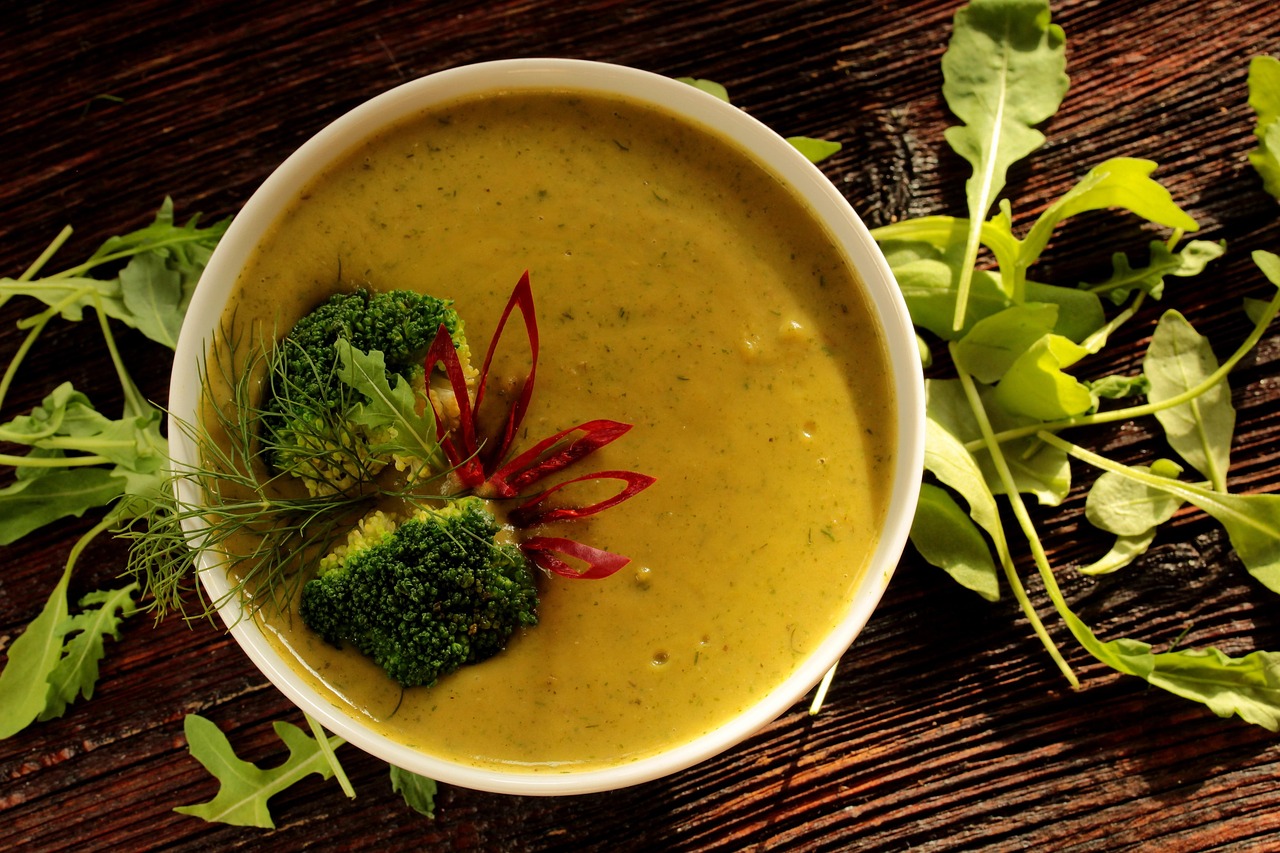
    · The Leftover Lifesaver: Last night’s dinner is today’s best friend. Cook extra portions of quinoa, roasted chicken, and veggies. A container of chili or soup is also a fantastic, warming option.

    3. Snack Attack – Outsmarting the 3 PM Monster Plan your snacks like you plan your med passes. Have them strategically stashed.

    · The Protein Punch: A small handful of almonds and an apple. The fiber and fat keep you full.
    · The Yogurt Savior: A single-serving tub of Greek yogurt. High in protein, low in fuss.
    · The Veggie Victory: Pre-cut bell peppers, baby carrots, and sugar snap peas with a small container of guacamole. Crunchy, satisfying, and full of nutrients.

    Part 3: The Hydration Station

    Coffee is life, but it’s not hydration. In fact, it can be dehydrating. Dehydration masquerades as hunger, fatigue, and headaches.

    · Invest in a Good Water Bottle: Get one with time markers. Your goal is to finish it by the end of your shift. Keep it at your station and take strategic hydration “sips” between tasks.
    · Infuse It: If plain water is boring, add lemon, cucumber, mint, or frozen berries.
    · Herbal Tea Rescue: A warm cup of herbal tea (peppermint, chamomile) during a break can be incredibly soothing for both mind and body.

    The Final, Unspoken Rule: Forgive Yourself

    Some days, the vending machine will win. Some days, a kind family will bring in donuts, and you will eat one (or two) with zero regrets. That’s okay. This isn’t about perfection; it’s about progress. It’s about making the better choice 80% of the time.

    When you fuel your body with respect, you’re not just avoiding hanger. You’re sharpening your mind for critical decisions, fortifying your immune system for the daily germ warfare, and sustaining the compassion that makes you an amazing nurse. You are the most important patient on your floor. Start treating yourself like it.

    Now, go drink a glass of water. You’ve earned it.

  • Code Spoon: A Nurse’s Guide to Not Eating Like a Garbage Disposal

    Code Spoon: A Nurse’s Guide to Not Eating Like a Garbage Disposal

    Let’s be real. The term “nurse’s diet” often brings to mind a sad, lukewarm coffee, half a granola bar from 1994 found in a scrubs pocket, and the existential question of whether the vending machine’s “cheese” and crackers constitute a full dairy serving.

    We trust you with lives, with complex medical equipment, and with calming frantic families. Yet, when it comes to feeding yourselves, the strategy often resembles that of a raccoon on a midnight snack run. It’s time for an intervention.

    The Culprits: Why Your Diet is a Hot Mess

    Before we prescribe the solution, let’s diagnose the problem. The typical nursing shift is a perfect storm of nutritional sabotage.

    1. The Time Vortex: You chart, you medicate, you assess, you comfort. But the moment you even think about your turkey sandwich, Room 3’s call light blinks on with the ominous persistence of a heartbeat on a flatline. Your lunch break isn’t a break; it’s a race against a clock that’s actively mocking you.
    2. The Stress-Snack Shuffle: When cortisol is your primary IV drip, your body craves quick energy. Enter: the siren song of the donuts a grateful family brought, the leftover birthday cake in the breakroom, and the magical, stress-eating black hole that is a bag of chips. This isn’t a lack of willpower; it’s a physiological hijacking.
    3. The Night Shift Conundrum: Your body is screaming for melatonin and a pillow, but your stomach is demanding a full meat-and-potatoes dinner at 3 AM. The result? A bizarre, sleep-deprived fusion cuisine of leftover pizza, Red Bull, and a profound sense of cosmic disorientation.

    The Prescription: Fueling for the Front Lines

    Think of your body not as a trash can, but as the high-performance medical instrument it is. You wouldn’t run a ventilator on fumes, so don’t run your brilliant, life-saving self on them either.

    Meal Prep: Your New Best Friend (Sorry, Steve from Cardiology)

    Yes, we said it. The “M” word. But forget the Instagram-perfect, 20-container Tupperware towers. Nurse-level meal prep is about strategic assembly.

    · The “Adult Lunchable”: Don’t overcomplicate it. Grab a container and throw in: baby carrots, cherry tomatoes, a handful of nuts, a cheese stick, some whole-wheat crackers, and a hard-boiled egg. No cooking required. Just grab and go.
    · The Freezer is Your Code Blue for Hunger: On your day off, make a giant batch of something—soup, chili, stew. Portion it out and freeze it. It’s a ready-made, healthy meal for when you come home feeling more zombie than human.
    · Smoothie Saviors: Sixty seconds is all it takes to blend spinach, frozen fruit, Greek yogurt, and a scoop of protein powder. It’s a meal you can literally drink between signing off on orders and getting that new admission.

    The Snack Attack Tactic Plan

    Banish the vending machine from your mind. Your locker (or cargo-pant pockets, we don’t judge) should be a strategic snack reserve.

    · The Protein Patrol: Greek yogurt, a small handful of almonds, beef jerky, edamame. Protein keeps you full and stabilizes blood sugar, preventing the 2 PM crash-and-bake-sale-cookie cycle.
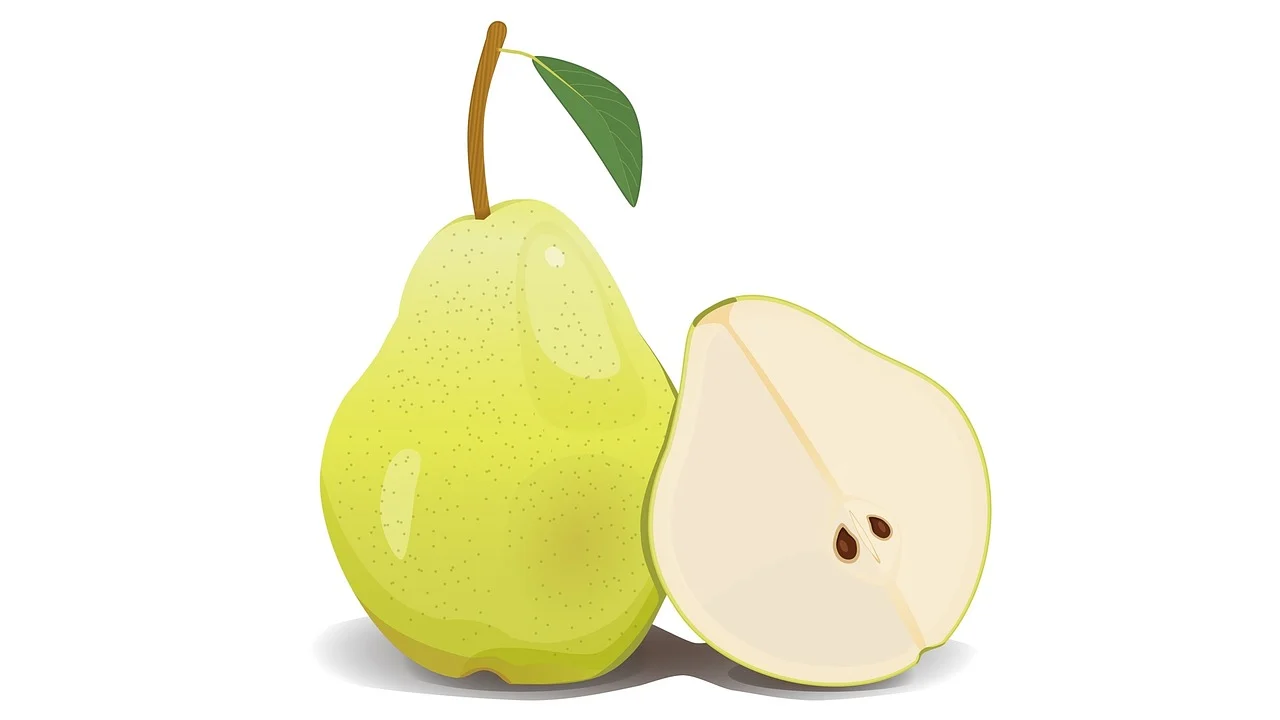
    · The Fiber Force: An apple, a pear, single-serving packs of olives, or whole-grain crackers. Fiber is the slow-burning log on your metabolic fire.
    · Hydration Hacks: Sometimes, your brain misinterprets thirst for hunger or exhaustion. Keep a large water bottle at your station. Add lemon, cucumber, or mint if you find plain water boring. Your skin, your kidneys, and your energy levels will thank you.

    The Mindful Pause: More Than Just Chewing

    Even if you only have five minutes, sit down. Step away from the charting computer. Don’t eat while standing over the med cart. This isn’t just about digestion; it’s a mental reset. Take three deep breaths before your first bite. This tiny moment of mindfulness can lower your stress levels and help you feel more satisfied with your meal, even a small one.

    A Note on Caffeine: Our Beloved, Treacherous Friend

    We are not here to take away your coffee. That would be un-American, un-British, and frankly, a declaration of war. Coffee is the liquid hand that holds us through the night. But be strategic. Try to avoid caffeine in the latter half of a night shift so you can actually sleep when you get home. And for every cup of coffee, have a cup of water. It’s the yin and yang of survival.

    The Bottom Line

    You are a healthcare hero. Your work is physically demanding, mentally exhausting, and emotionally draining. The food you choose is the fuel that powers this incredible service. It’s what gives you the strength to hold a hand, to think critically, and to run a code.

    So, the next time you’re tempted to skip a meal or survive on “see-food” diet (you see food, you eat it), remember: taking care of yourself isn’t selfish. It’s the most fundamental part of the job. Now, go forth, hydrate, and may your snacks be ever in your favor.


  • The Nurse’s Guide to Eating: Because Your Lunch Break is a Suggestion, Not a Promise

    The Nurse’s Guide to Eating: Because Your Lunch Break is a Suggestion, Not a Promise

    Let’s be real. The term “nurse’s diet” is less likely to involve kale smoothies and more likely to involve whatever can be inhaled in three minutes flat between a code brown and a family meeting. It’s a culinary landscape dominated by the vending machine’s siren song, the leftover birthday cake from the unit clerk, and that mysterious casserole a grateful patient’s family insisted you take.

    But here’s the hard truth, straight from the (probably stained) scrub pocket: you cannot pour from an empty cup. And that cup isn’t just filled with coffee. Fueling your body with the right nutrients isn’t a luxury; it’s a non-negotiable piece of medical equipment, as essential as your stethoscope.

    So, let’s talk about how to eat like the superhero you are, without adding “personal chef” to your already exhaustive job description.

    Part 1: The Enemy (A.K.A. The Typical Shift)

    First, we must diagnose the problem. Why is eating well so darn hard?

    1. Time is a Myth: Your “lunch break” is a theoretical concept, like a unicorn or a quiet night shift. When you’re racing against the clock, the path of least resistance is a bag of chips or a sugary granola bar. These provide a rapid, but tragically short-lived, energy spike, followed by a crash that makes 3 a.m. charting feel like an impossible task.
    2. The Stress-Eat Express: High-stress situations trigger the release of cortisol, a hormone that screams, “I NEED COMFORT CARBS, STAT!” This is why the donuts in the break room vanish by 9 a.m. Emotional eating is a real and powerful force in a job where you regularly hold people’s lives—and emotions—in your hands.
    3. The Caffeine IV Drip: Let’s not kid ourselves. Coffee isn’t a beverage; it’s a life-support system. But relying on it to the exclusion of actual food is like trying to run a car on starter fluid instead of gasoline. It might sputter along for a bit, but it’s not going anywhere good.
    4. Erratic Schedules: Your body’s internal clock, the circadian rhythm, is already in a state of constant jet lag. Swinging between day and night shifts confuses your metabolism, often leading to poorer food choices and digestion issues at odd hours.

    Part 2: The Prescription for Power-Eating

    Fear not! With a little strategy, you can outsmart the system. Think of it as a nursing care plan for your own body.

    The “Pocket Fuel” Philosophy: Always Be Prepared.

    The single most powerful tool in your nutritional arsenal is preparation. You wouldn’t go into a shift without your shears; don’t go in without real food.

    · The Magic of Batch Cooking: Pick one day (your “Sunday,” whenever that falls) and cook in bulk. Grill a pack of chicken breasts, roast a tray of mixed vegetables (broccoli, bell peppers, sweet potatoes), and cook a big pot of quinoa or brown rice. Assemble these into grab-and-go containers. Boring? Maybe. Effective? Absolutely.
    · Snack-attack Arsenal: Stock your locker and bag with healthy, non-perishable or long-lasting options. Think:
    · Protein: Mixed nuts, individual peanut butter packets, beef jerky, Greek yogurt (if you have fridge access), hard-boiled eggs.
    · Fiber & Carbs: Apples, bananas, baby carrots, whole-grain crackers, oatmeal packets.
    · Healthy Fats: A small avocado, a handful of olives.

    Macros for the Micro-break: What Your Body Actually Craves.

    · Protein is Your Pacer: Think of protein as a slow-burning log on the fire of your energy. It provides sustained fuel and keeps you full longer. Include it in every meal and snack. That Greek yogurt will keep you going far longer than a cinnamon roll.
    · Complex Carbs are Your Code Cart: They are the primary source of glucose, your brain’s fuel. But choose wisely! Oatmeal, whole-wheat bread, and fruit release energy slowly, preventing those dramatic sugar crashes. Your brain, which is making life-or-death decisions, will thank you.
    · Fats are Your Friendly Co-worker: Healthy fats from avocados, nuts, and olive oil are crucial for hormone production and brain health. They also aid in the absorption of fat-soluble vitamins. Don’t fear them!

    Hydration: Beyond the Coffee Pot.

    Yes, you need coffee. But you also need water. Dehydration masquerades as hunger, fatigue, and headaches. Invest in a large, marked water bottle and keep it at your station. Aim to finish it by the middle of your shift and refill it. Herbal teas can be a great, calming alternative for those night shifts when more coffee seems like a bad idea.

    Part 3: Advanced Tactics for the Wily Nurse

    · The 5-Minute Meal: No time? Grab a whole-grain tortilla, smear it with hummus or avocado, throw in a handful of spinach and some sliced turkey or pre-cooked chicken, roll it up, and go. You can eat it with one hand while charting with the other. You’re welcome.
    · Mindful Eating, Even for a Minute: Even if you only have 90 seconds, don’t just shovel food. Take three deep breaths before you start. Try to taste the first few bites. This tiny act can switch your nervous system from “fight-or-flight” to “rest-and-digest,” improving your metabolism and satisfaction.
    · The 80/20 Rule: You are human, not a robot. If 80% of your choices are wholesome, nutrient-dense foods, the other 20% can be the break-room cookies or the drive-thru fries on a truly brutal day. Guilt is not on the menu.

    Conclusion: Your Health is a Vitals Sign Too.

    At the end of the day (or night), caring for yourself isn’t selfish; it’s foundational. Eating well is a profound act of self-respect. It’s how you ensure you have the energy, clarity, and resilience to be the incredible nurse you are. You are the most important patient on your floor. So, stock that locker, pack that lunch, and take back control, one well-fueled shift at a time.

    Now, go enjoy that coffee. You’ve earned it. Just maybe with a hard-boiled egg on the side.

  • Fueling the Front Lines: A Nurse’s Guide to Not Running on Fumes

    Fueling the Front Lines: A Nurse’s Guide to Not Running on Fumes

    Let’s be honest. The term “nurse’s diet” shouldn’t be synonymous with “whatever fits in the pocket of my scrubs,” “the vending machine’s mystery sandwich,” or “a lukewarm coffee IV drip.” We’ve all been there. Your stomach growls like a disgruntled troll, but the symphony of call lights and monitor alarms is your reality. The idea of a peaceful, mindful lunch feels as mythical as a fully stocked supply closet at 3 a.m.

    But here’s the hard truth: you can’t pour from an empty cup. And that cup isn’t just filled with caffeine. Fueling your body isn’t a luxury; it’s a critical piece of medical equipment, as essential as a stethoscope. So, let’s talk about how to eat like the superhero you are, without adding another complicated task to your already Herculean day.

    The “Hangry” Code Blue: Why It Matters

    When you’re running on fumes (and by fumes, we mean your third cup of jet-fuel coffee), your body goes into survival mode. Your blood sugar plummets, cortisol (the stress hormone) skyrockets, and your cognitive function starts to resemble a dial-up internet connection. This is not the ideal state for calculating complex medication dosages or offering compassionate care to a anxious patient.

    Proper nutrition is your secret weapon. It:

    · Boosts Resilience: A well-fueled body better handles stress, fights off those pesky hospital germs, and maintains energy levels that don’t crash and burn by mid-shift.
    · Sharpens Your Mind: Need to recall a dozen patient details and drug interactions? Your brain needs high-quality fuel, not just sugar.
    · Stabilizes Mood: Avoiding the dreaded “hanger” (hunger + anger) makes you a better colleague and a more empathetic caregiver. Your patients—and your coworkers—will thank you.

    The Strategic Shift: Your Game Plan for 12 Hours of Mayhem

    Forget three square meals. In the nursing world, we think in terms of strategic fueling. The goal is to maintain steady energy, avoiding the dramatic peaks and troughs that come with sugar and caffeine binges.

    1. The Pre-Shift Power-Up (a.k.a. The Most Important Meal You Don’t Have Time For)

    Skipping breakfast is like showing up to a code without knowing where the crash cart is. You need a mix of complex carbs, protein, and healthy fats.

    · The Champion: Overnight oats. Prepare it in a jar the night before. Throw in some Greek yogurt, chia seeds, and berries. It’s grab-and-go perfection.
    · The Speedy Savior: A smoothie. Blend spinach, a banana, a scoop of protein powder, and almond milk. You can literally drink it during your commute.
    · The Classic: Two hard-boiled eggs and a whole-wheat toast. Simple, packed with protein, and will keep you full for hours.

    2. The Pocket Arsenal: Snack-tical Operations

    Your scrub pockets are prime real estate. Use them wisely. Ditch the candy and chips for these life-savers:

    · The No-Drama Llama: A handful of almonds and walnuts. They provide slow-burning energy and healthy fats.
    · The Protein Punch: Beef jerky, a single-serve packet of almond butter, or a cheese stick.
    · The Fiber Friend: An apple or a pear. Nature’s perfect portable snack.
    · The Secret Weapon: A DIY trail mix with nuts, seeds, and a few dark chocolate chips for a morale boost.

    3. The “I Have 10 Minutes to Inhale Lunch” Masterpiece

    This is where planning is your best friend. The cafeteria’s greasy pizza is a trap—it will lead to the dreaded 2 p.m. food coma.

    · Embrace the Container: Invest in good containers and meal prep. It’s a Sunday ritual that will save your sanity all week.
    · Build a Better Box: Think in components.
    · Protein: Leftover grilled chicken, chickpeas, tuna, or hard-boiled eggs.
    · Complex Carbs: Quinoa, brown rice, or sweet potato.
    · Veggies: As many colors as you can fit. They add crunch, fiber, and vital nutrients.
    · The Ultimate Leftover: Last night’s dinner is today’s best lunch. Cook extra intentionally.

    4. Hydration: Beyond the Caffeine Crutch

    We get it. Coffee is the nectar of the gods and the glue that holds the night shift together. But it’s also a diuretic. For every cup of coffee, chase it with a cup of water.

    · Get a Good Water Bottle: One with time markers can be a fun, motivating way to ensure you’re drinking enough. Dehydration leads to fatigue, headaches, and poor concentration—the unholy trinity of a tough shift.
    · Infuse It: If plain water is boring, add cucumber, lemon, mint, or berries.
    · Herbal Tea: A warm, caffeine-free herbal tea in the afternoon can be a soothing ritual without the sleep-disrupting effects of more coffee.

    The Final, Unsolicited Advice (From One Who Knows)

    You spend your days caring for others. This is your permission slip to care for yourself with the same diligence. You are a clinical wonder, a logistics expert, and an emotional rock. Don’t let your fuel be an afterthought.

    Pack your snacks. Prep your lunch. Drink your water. You are on the front lines, and you deserve to be powered by something more substantial than fumes and hope. Now, go conquer your shift. You’ve got this.