Category: Efficient Meal Prep & Recipes

Focus on quick, batch-cooked, and nutritious meals designed for nurses on rotating shifts.

  • The Nurse’s Diet: More Than Just Coffee and Leftover Jell-O

    The Nurse’s Diet: More Than Just Coffee and Leftover Jell-O

    Let’s be honest. The term “nurse’s lunch break” is often one of the great oxymorons of the modern world, right up there with “jumbo shrimp” and “government organization.” For many of us, sustenance during a 12-hour shift is less about fine dining and more about strategic refueling. It’s a delicate dance of grabbing whatever is fastest, caffeinating enough to see the monitor screens clearly, and hoping you don’t get interrupted by a bed alarm mid-bite.

    But here’s the hard truth we all know from our own patient education spiels: you cannot pour from an empty cup. Or in this case, you cannot start a new IV, comfort a grieving family, or accurately chart a million data points on a stomach powered exclusively by stress and stale vending machine cookies.

    So, let’s talk about how we, the frontline warriors of healthcare, can actually practice what we preach when it comes to nutrition.

    Part 1: The Usual Suspects (And Why They Betray Us)

    We’ve all been there. The shift from hell descends, and our well-intentioned meal plan goes out the window. What do we reach for?

    1. The Liquid Lifeline: Coffee. So much coffee. It’s not a beverage; it’s a vital sign. The problem? That 3 PM cup can lead to a desperate, shaky search for sugar to counteract the impending crash, resulting in the consumption of anything frosted, glazed, or wrapped in plastic.
    2. The Emotional Contraband: A family brings a giant box of donuts to the nurses’ station as a thank you. It’s a kind gesture that’s also a nutritional Trojan Horse. That single chocolate-glazed ring stares at you, whispering sweet nothings until you surrender.
    3. The “I Have No Time to Chew” Meal: This is where you survive on yogurt swallows, protein bar bites between med passes, and, yes, the occasional abandoned and ethically-questionable patient Jell-O cup. It’s not a meal; it’s a series of opportunistic snacks.

    These choices aren’t a moral failing; they’re a physiological response to a high-stress, high-demand environment. But they leave us feeling like zombies—sluggish, irritable, and running on fumes.

    Part 2: The “Fuel for the Fight” Strategy

    Think of your body as the most important piece of equipment on the unit. You wouldn’t let a pump battery die, so why let your own energy crash? Here’s how to upgrade your fuel.

    The Macronutrient Magic Trio:

    · Protein: Your Satiety Superhero. Protein is what keeps you full and steady. It prevents those dramatic blood sugar swings that have you eyeing the candy stash. Think: Greek yogurt, hard-boiled eggs, grilled chicken strips, hummus, or a quality protein shake. A protein-rich start to your shift is like priming a pump—it ensures a smooth, consistent flow.
    · Fiber: The Slow-and-Steady Champion. Fiber is the unsung hero of stable energy. It slows down the absorption of sugar, preventing those spikes and crashes. Vegetables, fruits, nuts, and whole grains are your best friends. An apple with peanut butter is a far more powerful (and less messy) energy source than a sugar-laden energy bar.
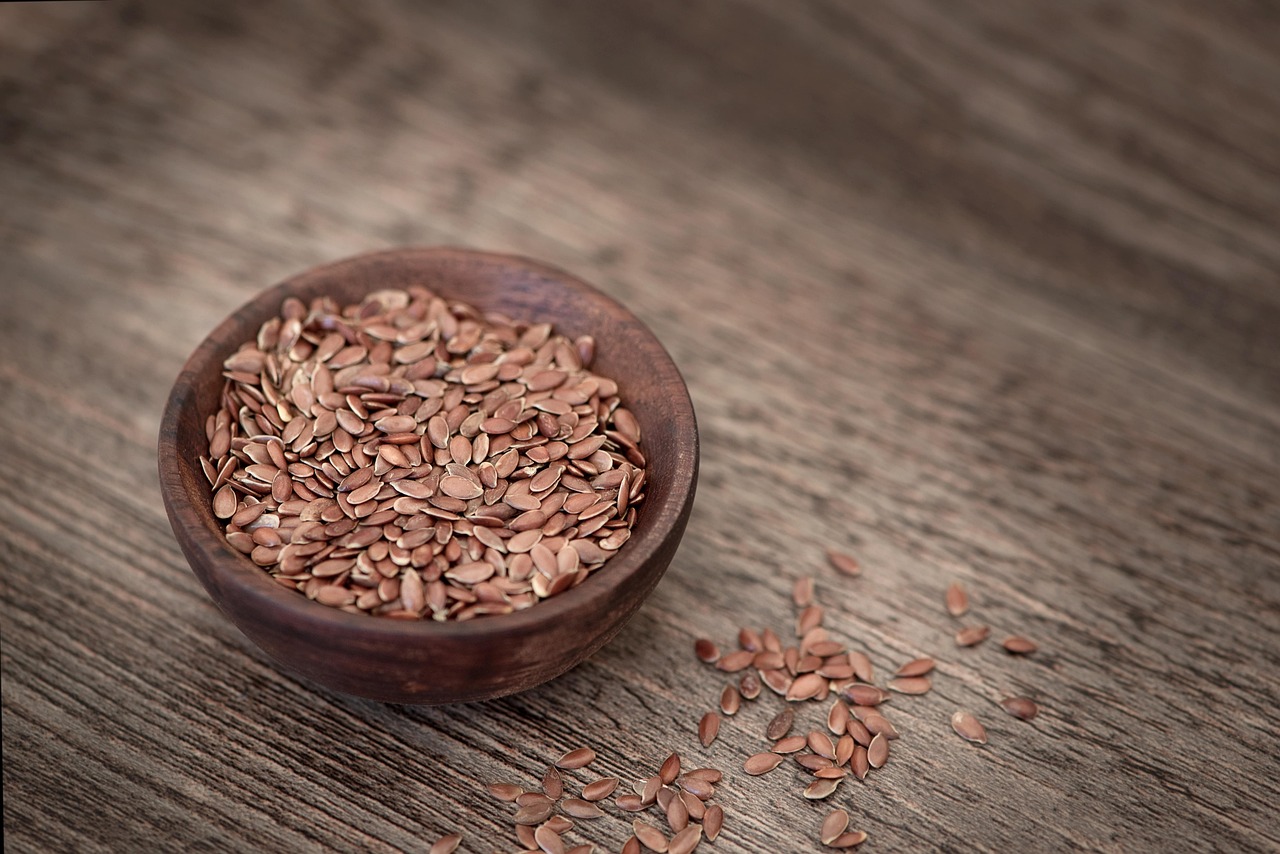
    · Healthy Fats: The Brain Booster. Your brain is about 60% fat, and it needs good fuel to make critical decisions. Avocado, nuts, seeds, and olive oil provide long-lasting energy and keep your cognitive functions sharp. Because remembering five different patients’ allergy histories requires a well-lubricated brain.

    Hydration: It’s Not Just About the Coffee

    We monitor our patients’ I&Os meticulously but often forget our own. Dehydration leads to fatigue, headaches, and poor concentration. Keep a large water bottle at your station as a visual reminder. Aim to refill it 2-3 times during your shift. And no, coffee doesn’t count. It’s a diuretic, which means it’s the charming friend who offers you a drink while quietly stealing your car keys.

    Part 3: Practical, No-Nonsense Tips for the Real World

    Forget complicated recipes that require a personal chef. This is about working smarter, not harder.

    1. Embrace the Power of the Tupperware Army: Dedicate one hour on your day off to meal prep. Chop veggies, cook a batch of quinoa or chicken, and hard-boil a dozen eggs. Assembly-line your lunches into containers. It removes the “what do I eat?” dilemma when you’re already running late.
    2. The “Snack Pack” Savior: Create a “go-bag” of healthy snacks that lives in your locker or bag. Stock it with unsalted almonds, individual packets of nut butter, whole-grain crackers, and low-sugar beef jerky. This is your emergency defense system against the donut box.
    3. Leftovers are Love: When you cook dinner, intentionally make extra. Last night’s roasted salmon and broccoli makes a far superior lunch than a mystery meat sandwich from the cafeteria.
    4. The 5-Minute Rule: If you can’t get a full 30 minutes, fight for two 5-minute breaks. Use one to mindfully eat your protein and fiber, and another to drink a full bottle of water away from the chaos. It’s more effective than scarfing a meal while simultaneously answering call lights.

    Conclusion: From Surviving to Thriving

    Taking care of your own nutrition isn’t an act of selfishness; it’s a professional responsibility. When we are well-fueled, hydrated, and energized, we are safer, more compassionate, and more focused clinicians. We make fewer errors, we communicate better, and we have the resilience to handle the emotional toll of the job.

    So, the next time you feel that 2 PM slump coming on, reach for the almonds instead of the candy. Chug that water before that third cup of coffee. Your patients—and your future, less-caffeinated self—will thank you for it.
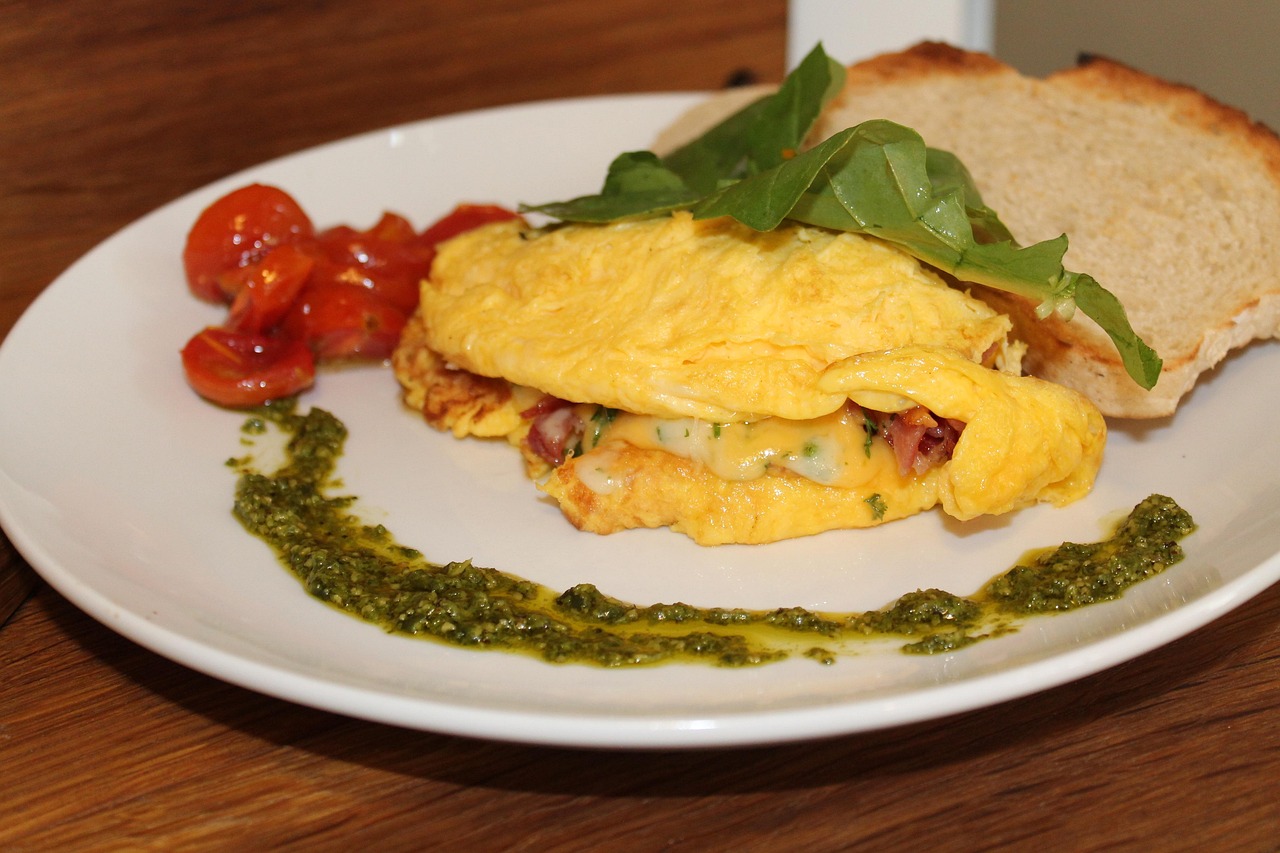
    Now, if you’ll excuse me, I have a date with my meal-prepped chicken and a very full water bottle. The Jell-O can fend for itself.

  • Fueling the Front Lines: A Nurse’s Guide to Not Eating Like a Gremlin

    Fueling the Front Lines: A Nurse’s Guide to Not Eating Like a Gremlin

    Let’s be real. The concept of a “lunch break” in nursing is often a mythical creature, right up there with a fully stocked Pyxis and a quiet night shift. Your “diet” can sometimes consist of whatever can be swallowed in three bites between a code brown and a family meeting, often procured from the vending machine’s shrine of processed carbohydrates and sugar.

    We’ve all been there. That 3 a.m. moment where a stale muffin and a cold coffee feel like a five-star meal. But here’s the hard truth: you can’t pour from an empty cup. And if your cup is filled with caffeine and cortisol, you’re running on fumes. It’s time to talk about fueling the most critical piece of medical equipment in the hospital: You.

    Part 1: The Dietary Danger Zone (A.K.A. The Hospital)

    The hospital environment is a nutritional minefield. Understanding your enemy is the first step to victory.

    · The Siren Song of the Break Room: That box of donuts, the plate of cookies brought by a grateful family… they call to you. They are delicious, quick, and offer a immediate hit of comfort. This is the “sugar spike and crash” cycle, leaving you more drained than before.
    · The Vending Machine of Despair: When you’re hangry and your blood sugar is plummeting, the neon glow of the vending machine is a false prophet. It promises energy but delivers a concoction of salt, sugar, and regret.
    · The “I Have No Time” Paradox: You’re too busy to eat, so you grab something quick. That quick thing lacks substance, so you’re hungry again in an hour, feeling even more time-poor. It’s a vicious, hunger-fueled cycle.

    Part 2: Macronutrients: Your New Best Friends

    Forget fad diets. Think in terms of sustainable fuel. Your body is a high-performance vehicle; you wouldn’t put watered-down gas in an ambulance, so don’t do it to yourself.

    · Protein: The Satiety Superhero: Protein is your anchor. It keeps you full, stabilizes your blood sugar, and helps repair muscle after all those turns and lifts. Think of it as the steady, reliable coworker who always has your back.
    · Examples: Greek yogurt, hard-boiled eggs, turkey slices, chickpeas, edamame, a quality protein shake.
    · Fiber & Complex Carbs: The Marathon Runners: Unlike their simple cousins (looking at you, donut), complex carbs release energy slowly. They are the long-distance runners, providing sustained fuel for your 12-hour marathon.
    · Examples: Oatmeal, whole-grain bread, quinoa, sweet potatoes, berries, apples.
    · Healthy Fats: The Brain Booster: Your brain is about 60% fat. It needs good fats to function, especially for the critical thinking and quick decisions your job demands.
    · Examples: Avocado, nuts (almonds, walnuts), seeds (chia, flax), olive oil.

    Part 3: Strategy Over Willpower: The “Nurse-Proof” Plan

    Willpower evaporates at 2 a.m. Strategy does not.

    1. Meal Prep Like Your Patients’ Lives Depend On It (Because Yours Kinda Does): Dedicate one to two hours on your day off. Chop veggies, cook a batch of quinoa, grill chicken, and hard-boil a dozen eggs. Portion them into containers. This isn’t just cooking; it’s a clinical intervention for your future self.
    2. The “Go Bag” of Glory: Your lunch bag should be a portable pantry of wins.
    · The Main Event: A sturdy salad in a jar (dressing at the bottom), a whole-wrap, or leftovers from a healthy dinner.
    · The Snack Arsenal (Crucial!): This is your secret weapon. Pack at least 2-3 snacks.
    · The Crunch: Baby carrots with single-serving hummus.
    · The Creamy: A single-serving Greek yogurt.
    · The Salty/Savory: A handful of almonds and a cheese stick.
    · The Sweet: An apple or a pear.
    3. Hydration or Hallucination?: Dehydration masquerades as hunger, fatigue, and a headache. Keep a large water bottle at your station. Set a goal—like finishing it by the end of your round—and refill it. If you need caffeine, opt for green tea or a black coffee instead of a sugary energy drink that will leave you crashing.

    Part 4: A Day on a Plate (The Realistic Version)

    · Pre-Shift (0600): Don’t skip this! A smoothie (spinach, banana, protein powder, almond milk) or a bowl of oatmeal with berries and a spoonful of peanut butter.
    · Mid-Morning Snack (1000): Greek yogurt or a handful of nuts. This prevents the pre-lunch hanger.
    · Lunch (Whenever you get 10 minutes, 1300): That prepped salad with grilled chicken and avocado, or a quinoa bowl with roasted veggies and a tahini dressing.
    · Afternoon Slump Snack (1600): An apple with a cheese stick or a hard-boiled egg. This provides the final push of energy.
    · Post-Shift (1900): A balanced dinner like salmon, roasted sweet potatoes, and broccoli. This helps with recovery and sleep.

    The Bottom Line:

    Your health is not a separate project from your job; it is the foundation that allows you to do your job with compassion, clarity, and energy. You spend your days advocating for the health of others. It’s time to turn that expertise and compassion inward.

    So, the next time the vending machine winks at you, give it a knowing smile and reach into your own bag of tricks. Your patients—and your waistline—will thank you for it. Now, go fuel up, superhero.
  • Fueling the Front Lines: A Nurse’s Guide to Not Eating Like a Gremlin

    Fueling the Front Lines: A Nurse’s Guide to Not Eating Like a Gremlin

    Let’s be real. The concept of a “lunch break” in nursing is often a mythical creature, right up there with a fully stocked supply closet or a calm, quiet night shift. For many nurses, sustenance is less about fine dining and more about whatever can be scavenged from the vending machine, inhaled in three minutes flat, or eaten with one hand while charting with the other.

    We’ve all been there. That 3 a.m. moment where a stale muffin and a double-shot of bitter coffee feels like a five-star meal. But here’s the hard truth: You cannot pour from an empty cup. And if your cup is filled with sugar, caffeine, and existential dread, you’re going to crash, burn, and possibly mistake a doctor’s scribble for a lunch order.

    So, let’s talk about how to fuel your body so it can do the superhuman work it was built for, without resorting to a diet that would make a raccoon skeptical.

    Part 1: Know Your Enemy (The Usual Suspects)

    First, let’s diagnose the common nutritional pitfalls of the profession.

    1. The Sugar Siren’s Call: When you’re exhausted, your brain screams for quick energy. Enter: donuts, candy, soda. This is a trap. That sugar high is followed by a catastrophic crash, leaving you more fatigued and irritable than before—a state we professionally refer to as “hangry at the HUC.”

    2. The Salty Saboteur: Chips, pretzels, fast-food fries. They’re convenient, cheap, and satisfyingly crunchy. But that sodium avalanche leads to bloating, dehydration, and a blood pressure reading that might make you think the monitor is broken (on yourself).

    3. The Caffeine Crutch: We get it. Coffee isn’t just a drink; it’s a lifeline. But using it as a substitute for sleep and real food is like trying to put out a fire with gasoline. You’ll get a big flare-up, but the underlying problem remains, now with added jitters and an impressive eye twitch.

    Part 2: Building Your Nutritional First-Aid Kit

    Think of your body as your most important piece of medical equipment. You wouldn’t run a vital signs monitor on dying batteries. Don’t do it to yourself.

    The Trinity of Sustained Energy:

    · Protein: The Stabilizer. Protein is your best friend. It digests slowly, providing a steady stream of energy and keeping you full. Think: Greek yogurt, hard-boiled eggs, a handful of almonds, turkey slices, or hummus.
    · Fiber: The Regulator. Found in fruits, vegetables, and whole grains, fiber prevents those energy spikes and crashes. It’s the calm, collected colleague who never panics, even during a code brown.
    · Healthy Fats: The Endurance Athlete. Avocados, nuts, seeds, and olive oil provide long-lasting fuel. They keep your brain sharp for making critical decisions and your mood stable for dealing with… well, everything.

    Part 3: Strategy Over Willpower: A Game Plan for the Shift

    You’re busy saving lives; you don’t have time to ponder the meaning of quinoa. The key is preparation.

    1. The Meal Prep Miracle: Yes, it’s a cliché for a reason. Dedicate one hour on your day off. * Chop it up: Pre-cut carrots, bell peppers, and cucumbers. * Cook once, eat thrice: Grill a pack of chicken breasts, hard-boil a dozen eggs, or cook a large batch of quinoa or brown rice. * Portion it out: Use containers to create grab-and-go meals. A handful of greens, some pre-cooked protein, and a scoop of your pre-chopped veggies is a salad in seconds.

    2. The “Eat With One Hand” Doctrine: Your lunch must be functional. * Wrap-tors: A whole-wheat wrap with turkey, spinach, and hummus is compact, clean, and efficient. * Smoothie Operators: Blend spinach, frozen fruit, protein powder, and almond milk. Pour into a sealed container and sip throughout the morning. * Trail Mix Tactics: Create your own mix with nuts, seeds, and a few dark chocolate chips for a treat.

    3. Hydration Station: Dehydration masquerades as hunger and fatigue. Keep a large, reusable water bottle at your station. Add lemon, cucumber, or mint if plain water feels boring. Your kidneys and your skin will thank you.

    4. The Strategic Snack Stash: Arm your locker like a survivalist. * An apple and a single-serving packet of almond butter. * A low-sugar protein bar (check the label!). * A small tub of cottage cheese or yogurt.

    The Final, Unapologetic Pep Talk

    You are a problem-solver, a critical thinker, and a compassionate caregiver. You manage complex medications, interpret subtle symptoms, and hold hands in moments of fear. You are more than capable of outsmarting a vending machine.

    When you choose the salad over the slice of pizza, or the nuts over the candy bar, you’re not just “eating healthy.” You are performing a critical act of self-care and professional readiness. You are ensuring that your mind is sharp, your energy is steady, and your mood is resilient. You are, quite literally, stocking your own crash cart.

    So the next time you’re tempted by the siren song of the breakroom donut box, remember: you’re a healthcare hero. And heroes deserve better fuel. Now go forth, hydrate, and may your avocados always be perfectly ripe.

  • Eat Well, Nurse Well: A Survival Guide

    Eat Well, Nurse Well: A Survival Guide

    Let’s be real. The term “nurse’s diet” probably conjures up images of lukewarm coffee, a granola bar from 2006 found in the depths of your locker, or that mysterious leftover casserole a grateful patient’s family insisted you take. Your eating schedule isn’t just irregular; it’s a high-stakes game of nutritional roulette played against the clock, your bladder, and the relentless call of the monitor alarm.

    You are a healthcare superhero, a master of IVs, a soother of fears, and a wizard of wound care. But when it comes to fueling your own body, let’s just say the protocol often goes out the window. It’s time for an intervention. For your patients, you preach prevention. For yourself? It’s time to practice it.

    Part 1: The Gauntlet of Gluttony (and Other Unit Perils)

    First, let’s diagnose the problem. Why is eating like a normal human so darn hard?

    · The “Swing Shift” Slump: Your body’s internal clock, the circadian rhythm, is less of a rhythm and more of a chaotic drum solo. Eating at 3 AM one day and noon the next confuses your metabolism more than a Rubik’s cube confuses a golden retriever. This can lead to cravings for quick, high-sugar, high-fat foods because your body is desperately seeking a rapid energy fix.
    · The Vending Machine Siren’s Song: After four hours on your feet, that bag of chips isn’t just a bag of chips. It’s a crispy, salty, emotionally available companion that promises a 3-minute vacation. The problem? This “vacation” is followed by a energy crash that makes a system-wide computer shutdown look graceful.
    · The Emotional Eating Escapade: You just dealt with a difficult family, coded a patient, and documented for an hour. A piece of fruit? Please. Your brain is screaming for the dopamine hit of a chocolate bar or a bag of gummy bears. This isn’t a lack of willpower; it’s a biological response to stress. Your body is trying to self-soothe with sugar.
    · The Hydration Hoax: Coffee is not water. Let’s repeat that. Coffee is not water. It’s a delicious, life-giving liquid that makes the 7 AM handover possible, but it’s also a diuretic. If the color of your urine could be used as a highlighter, you, my friend, are in a state of drought.

    Part 2: The “Meal Prep” Miracle (And It’s Not What You Think)

    The phrase “meal prep” can sound as appealing as a root canal. It evokes images of spending your one day off weighing chicken breast and dividing it into 27 identical Tupperware containers. Forget that. Think of it as “Strategic Fuel Assembly.”

    · The “Build-Your-Own” Battle Kit: Don’t make full meals. Make components. On your day off, spend one hour (the length of one movie, or two episodes of your favorite show) doing this:
    · Hard-boil a dozen eggs.
    · Cook a big batch of quinoa or brown rice.
    · Chop a bunch of veggies (bell peppers, cucumbers, baby carrots).
    · Grill a few chicken breasts or bake a block of tofu.
    · Portion out nuts, seeds, and dried fruit into small bags.

    Now, you’re not staring into the fridge at 5 AM trying to assemble a gourmet lunch. You’re grabbing and going: a container of quinoa, a handful of veggies, and a chopped chicken breast. It’s a deconstructed salad bowl that took 30 seconds to assemble.

    · Embrace the Mighty Thermos: A good thermos is a nurse’s Excalibur. Soups, stews, chili, and even oatmeal can be kept hot for hours, ready for that elusive 10-minute break. It’s comforting, nutritious, and immune to the stale sandwich curse.

    Part 3: Macro-Management for the Micro-Break

    You don’t need a nutrition degree. You just need to understand the basic triad: Protein, Fiber, and Healthy Fats. This trio is the holy trinity of sustained energy.

    · Protein: Your Satiety Superhero. It keeps you full and stabilizes blood sugar.
    · Easy Grabs: Greek yogurt, cottage cheese, hard-boiled eggs, turkey slices, edamame, canned tuna or salmon, hummus.
    · Fiber: The Slow-Release Energy Guru. Found in fruits, vegetables, and whole grains, it prevents those sugar spikes and crashes.
    · Easy Grabs: Apples, pears, berries, baby carrots, celery with peanut butter, whole-grain crackers, popcorn (hold the butter).
    · Healthy Fats: The Brain-Boosting Champion. Your brain is mostly fat, and it needs the good stuff to function at its sharpest.
    · Easy Grabs: Avocado, nuts (almonds, walnuts), seeds (chia, flax, pumpkin), olive oil.

    The “Perfect Shift” Snack Attack:

    · 0700: Greek yogurt with a handful of berries and a sprinkle of walnuts.
    · 1100: An apple with a tablespoon of peanut butter.
    · 1500: A hard-boiled egg and a few whole-grain crackers.
    · 1900: Veggie sticks with hummus.

    See? No vending machines required. Just steady, reliable energy to keep you from morphing into “Hangry Nurse” by 4 PM.

    Part 4: Hydration Station – Beyond the Coffee Pot

    We’ve established coffee’s role. Now, let’s talk about its partner: Water.

    · Get a Marked Water Bottle: This is a psychological game. Get a 32-oz (1-liter) bottle and put timed markers on it. “Drink to this line by 10 AM,” “Finish me by 2 PM.” It turns hydration into a mini-mission, and you love missions.
    · Infuse It: If water is boring, make a spa day in your bottle. Throw in some cucumber slices, lemon, mint, or frozen berries. It’s fancy, it’s refreshing, and it’s not your eighth cup of jet-fuel coffee.

    The Final Chart Note

    You are the most critical piece of medical equipment on your unit. You wouldn’t let a vital signs monitor run on a dying battery or a pump malfunction. You’d fix it immediately.

    Your body is no different. Feeding yourself properly isn’t an act of vanity; it’s an act of clinical readiness. It’s what allows you to think clearly during a crisis, to have the physical stamina for a long shift, and to have the emotional resilience to be the amazing nurse you are.

    So, start small. Next shift, pack one good snack. Drink one extra bottle of water. Your patients rely on you, but first, you must rely on the fuel you provide yourself. Now, go conquer that shift. And maybe hide a dark chocolate square in your pocket for emergencies. We won’t tell.

  • The Hangry Nurse’s Guide to Not Losing Your Lunch (or Your Mind)

    The Hangry Nurse’s Guide to Not Losing Your Lunch (or Your Mind)

    Let’s be real. The concept of a “lunch break” in nursing is often a mythical creature, right up there with a fully stocked supply closet on a Monday morning or a patient who actually read the pre-op instructions. Your “lunch” might be a handful of crackers inhaled at the nurses’ station, a cold cup of coffee from three hours ago, or a secret chocolate bar stash you defend like a dragon guards its gold.

    The struggle is universal. But here’s the hard truth: you can’t pour from an empty cup. And if your cup is filled only with caffeine and desperation, you’re doing a disservice to your patients and yourself. So, let’s talk about fuel—not the boring, kale-and-quinoa kind (unless that’s your thing), but the strategic, sanity-saving kind that keeps you going through a 12-hour shift.

    Part 1: The Anatomy of a Hangry Nurse

    We’ve all been there. It’s hour 8 of a hectic shift. Your stomach growls so loudly a patient asks if the IV pump is malfunctioning. Your patience is thinner than a single-ply tissue, and the sound of a call light feels like a personal attack. Congratulations, you’ve entered the Hangry Zone.

    This isn’t just a mood. It’s a physiological state of emergency. Your blood sugar has plummeted. Your brain, which runs exclusively on glucose, is basically running on fumes. Your cognitive function—the very thing you need to calculate dosages and make critical decisions—is impaired. You’re more prone to mistakes, irritability, and that deep, existential fatigue that a fourth cup of coffee can’t touch.

    Part 2: Macronutrients are Your Co-Pilots

    Forget fad diets. Think of your body as the most high-tech, life-saving equipment on the unit. It needs the right input.

    · Protein: The Sustained-Release Hero. Protein is your best friend. It digests slowly, providing a steady stream of energy and keeping you full for hours. Think grilled chicken on your salad, a hard-boiled egg, Greek yogurt, or a handful of almonds. A protein-heavy start to your day can be the difference between a steady climb and an energy rollercoaster.
    · Complex Carbs: The Brain Fuel. No, not the sugary donuts in the breakroom (we’ll get to those). We’re talking about whole grains, oats, sweet potatoes, and beans. These carbs break down slowly, preventing those dramatic sugar spikes and crashes. They feed your brain and muscles consistently, so you can keep up with the physical and mental marathon.
    · Healthy Fats: The Unsung Hero. Avocado, nuts, seeds, and olive oil aren’t just for influencers. Fats are crucial for hormone regulation, vitamin absorption, and, you guessed it, sustained energy. They add satiety and flavor, making your meal actually satisfying.

    Part 3: Strategy Over Willpower: The Tactical Approach to Nurse Nutrition

    You wouldn’t go into a code without a plan. Don’t go into your shift without one either.

    1. Meal Prep Like a Pro (Even a Lazy Pro). This is non-negotiable. “Winging it” means ending up with vending machine chips. Spend one hour on your day off:
    · Chop veggies and store them in water-filled containers (they stay crisp!).
    · Cook a big batch of quinoa or brown rice.
    · Grill a pack of chicken breasts or season a block of tofu.
    · Hard-boil a dozen eggs. Now, you can throw together a nourishing bowl in 5 minutes. No excuses!
    2. Embrace the “Grab-and-Go” Arsenal. For those days when even meal prep feels like too much, have a backup plan.
    · RxBars or similar: Read the labels, but many are just fruit and nuts—a perfect emergency snack.
    · Individual packets of nut butter to eat with an apple or celery sticks.
    · Single-serve Greek yogurts.
    · Trail mix (make your own to avoid the candy-filled ones).
    3. Hydrate or Deteriorate. Coffee is a beverage, not a hydration strategy. Dehydration mimics fatigue, causes headaches, and kills your concentration. Get a large, obnoxiously colorful water bottle that you love. Aim to refill it 2-3 times during your shift. If you hate plain water, add cucumber, lemon, mint, or a sugar-free flavor drop.
    4. The Strategic Sugar Hit. Let’s not demonize the occasional treat. Sometimes, you need a quick glucose hit. The key is to pair it with protein or fat. Eat that cookie? Have it with a handful of almonds. This combo slows the sugar absorption, preventing the subsequent crash. It’s damage control, nursing-style.

    Conclusion: You Are the Most Important Patient

    Nursing is a profession built on compassion for others. It’s time to extend a little of that compassion to yourself. Viewing food as fuel isn’t about restriction or being perfect; it’s about empowerment. It’s about having the energy to be the brilliant, badass clinician you are, without being held hostage by your hunger.

    So, pack that lunch. Fill that water bottle. And the next time a difficult family member tests your will, you can face them with the unshakable calm of a nurse who is fully, gloriously, and powerfully fed.

    Now, go conquer your shift. And for heaven’s sake, try to actually sit down for ten minutes while you eat.

  • Eat Like a Hero: The Nurse’s Guide to Fueling for the Frontlines

    Eat Like a Hero: The Nurse’s Guide to Fueling for the Frontlines

    Let’s be real: the term “nurse’s diet” often brings to mind a sad, cold cup of coffee, a granola bar crushed at the bottom of a pocket, and a handful of crackers snatched from the patient pantry. It’s a culinary adventure where “lunch” is whatever you can inhale in three minutes while standing over a sink.

    But here’s the hard truth, straight from the (probably under-stocked) break room: You cannot pour from an empty cup. And if your cup is filled only with caffeine and desperation, you’re running on fumes. Fueling your body isn’t an act of self-indulgence; it’s a critical piece of medical equipment, right up there with your stethoscope.

    So, let’s reboot your approach to food. Think of it not as “eating,” but as “strategic fueling.”

    Part 1: The Dietary Rollercoaster (And Why We Need to Get Off)

    A typical shift is a nutritional nightmare:

    · The Caffeine IV Drip: Your coffee mug isn’t just a mug; it’s a lifeline. But by 2 PM, that third cup has you buzzing like a faulty monitor alarm, leading to the inevitable crash.
    · The Vending Machine Vortex: When the hanger hits, that bag of chips or candy bar winks at you seductively. It promises a quick fix, but delivers a sugar crash that leaves you more drained than before.
    · The “See-Food” Diet: You see food, you eat it. Birthday cake from a patient’s family, donuts from the day shift, pizza ordered during a rare quiet moment. It’s communal and kind, but it’s also a recipe for feeling like a bloated version of yourself.

    This cycle turns you into a reactive eater, a slave to your blood sugar. The goal is to become a proactive eater.

    Part 2: Macronutrients: Your New Best Friends

    Forget complicated diets. Think in simple terms: Protein, Fat, and Carbs are your pit crew. They each have a job to do.

    · Protein: The Sustained Energy Champion. Protein is the steady, reliable coworker who never panics. It digests slowly, keeping you full and your blood sugar stable. This means no more frantic, hanger-induced decisions when a doctor asks a complicated question.
    · Your Mission: Greek yogurt, hard-boiled eggs, a handful of almonds, turkey slices, or a scoop of nut butter. Incorporate protein into every meal and snack.
    · Healthy Fats: The Brain Booster. Your brain is about 60% fat. After a 12-hour shift of critical thinking, you need to feed it! Healthy fats support cognitive function and mood stability—because you need all the help you can get to remember where you left that pen.
    · Your Mission: Avocado, olives, nuts, seeds, and olive oil. Yes, that means avocado on your toast is a professional development tool.
    · Complex Carbs: The Quick-Release Energy. Not all carbs are the enemy! Complex carbs are the slow-burning logs on your energy fire, unlike the sugary kind that are just newspaper—a quick flash and then nothing.
    · Your Mission: Oatmeal, whole-grain bread, quinoa, sweet potatoes, and beans. They provide steady energy and fiber, which is crucial for, ahem, regularity when your schedule is anything but.

    Part 3: The “No-Time” Meal Prep Survival Guide

    We know you’re busy. “Meal prep” sounds like a weekend-long project you don’t have time for. So let’s reframe it as “Strategic Assembly.”

    1. The Power of the “Snackle Box”: Get a bento-style box. On your day off, fill the compartments with a variety of no-prep foods: baby carrots, cherry tomatoes, cheese cubes, hummus, olives, nuts, and those hard-boiled eggs. It’s adult Lunchables, and it’s brilliant.
    2. Batch and Conquer: Cook one big thing. A huge tray of roasted chicken thighs and vegetables, a massive pot of chili, or a giant quinoa salad. Portion it out. Congratulations, you’ve just created 4-5 ready-to-go meals.
    3. The Freezer is Your Code Cart: For emergencies! Frozen burritos (the healthy kind you make yourself), single-serving soups, and frozen veggie burgers can be lifesavers when there’s literally nothing else.
    4. Hydration Hacks: Dehydration masquerades as hunger and fatigue. Get a large, marked water bottle. Your goal is to finish one by lunch and another by the end of your shift. If you hate plain water, infuse it with lemon, cucumber, or berries.

    Part 4: Conquering the Night Shift Metabolism

    Working nights is a dietary paradox. Your body is screaming for sleep, but you’re forcing it to process a meal. The key is to trick your circadian rhythm, gently.

    · “Lunch” at Midnight: Have your largest meal before your shift starts or during your first break. Your body is better equipped to handle it then.
    · The 3 AM “Snack”: Keep it light, protein-rich, and easy to digest. A small smoothie, yogurt, or a turkey wrap is perfect. Avoid heavy, greasy foods that will make you feel like you’re running in quicksand.
    · The Wind-Down Meal: After your shift, don’t eat a huge breakfast and go straight to bed. Have a small, carb-centric snack like a piece of toast or a small bowl of cereal. It helps signal to your body that it’s time to sleep without overloading your system.

    The Final Chart Note

    Nursing is a marathon of sprints. You wouldn’t expect a high-performance car to run on cheap fuel. You are that high-performance vehicle. Every smart snack, every hydrated cell, every balanced meal is an act of resilience. It’s what gives you the clarity to catch that subtle change in a patient’s condition, the patience to explain something for the tenth time, and the energy to be the incredible hero you are.

    So, pack that snackle box. Be the envy of the break room. And remember: taking care of yourself isn’t just good for you—it’s the best possible care you can give your patients.

    Now, go eat something that doesn’t come out of a vending machine. You’ve got this.

  • The Hungry Nurse: Why Your Health Depends on Ours

    The Hungry Nurse: Why Your Health Depends on Ours

    Let’s be honest. The image of a nurse is often someone tirelessly caring for others, a superhero in scrubs. But what nobody sees is that same superhero, at 3 PM, hunched over the nurses’ station, mainlining lukewarm coffee and devouring a mystery muffin that’s been sitting in the breakroom since the last shift. We’ve all been there. The irony is so thick you could spread it on toast: we are healthcare professionals, dispensing wisdom about diet and wellness, while our own eating habits sometimes resemble a culinary car crash.

    The truth is, a nurse’s relationship with food is… complicated. It’s a high-stakes drama played out in 12-hour acts, punctuated by beeping monitors and call lights. So, for the sake of our patients and our own sanity, it’s time to talk about how we fuel the very engines that keep the hospital running: ourselves.

    Act I: The Dietary Dilemmas of the Front Line

    First, let’s diagnose the problem. Why do we, of all people, struggle so much?

    1. The “There’s No Time” Tango: A nurse’s schedule is a masterclass in chaos. You plan to sit down for a peaceful lunch. Then, Mr. Smith in Room 204 decides it’s the perfect moment to try and redecorate his room without his walker. Your beautiful salad wilts in the fridge as you orchestrate a delicate transfer from floor to bed. Lunch becomes a concept, not an event.
    2. The Vending Machine of Despair: When you’re running on empty and have precisely 87 seconds to spare, that bag of chips or chocolate bar isn’t just food; it’s a quick-hit emotional support system. It’s packed with energy, sure, but the kind that leads to a spectacular crash an hour later, right when you need to be at your sharpest.
    3. The “But It’s Free!” Carb Carnival: Kind-hearted patients bring donuts. Doctors celebrating a birthday bring cake. The unit secretary’s cousin’s friend’s dog had puppies, so here are some cookies! The breakroom becomes a minefield of well-intentioned, sugar-laden landmines. Saying “no” feels ungracious, and after your fifth code brown of the day, you feel you’ve earned it.
    4. The Caffeine IV Drip (Disguised as Coffee): Is it even a shift if you don’t have a cup of vaguely brown, suspiciously warm liquid in your hand at all times? We don’t drink coffee for the taste; we drink it for the superpowers. But this can wreck our hydration, sleep cycles, and adrenal glands.

    Act II: The Strategic Snack Attack – A Survival Guide

    Fear not! We don’t need a gourmet chef or a personal dietitian. We just need a battle plan.

    · The Power of Preparation (Meal Prep, Not Sermon Prep): Yes, it’s the advice everyone gives, but that’s because it works. Dedicate one hour on your day off. Chop veggies, grill chicken, hard-boil a dozen eggs, and portion out nuts and yogurt. Create your own “Grab-and-Go” kits. It’s not about being fancy; it’s about having a better, faster option than the breakroom muffin.
    · Embrace the Mighty Snack: Ditch the idea of three big meals. Your body needs steady fuel. Pack a “Snackle Box” (a lunchbox with multiple compartments) filled with:
    · Protein: Greek yogurt, a small can of tuna, cheese sticks, hummus.
    · Healthy Fats: A handful of almonds, avocado slices, pumpkin seeds.
    · Complex Carbs: An apple, carrot sticks, whole-grain crackers. Grazing on these throughout the shift keeps your blood sugar stable and your brain functioning at a level that can actually remember what the doctor just said in rounds.
    · Hydrate or Diedrate: This is not a drill. Dehydration leads to fatigue, headaches, and poor concentration. Keep a large water bottle at your station. Mark it with times or fun goals (“Drink to here before the next med pass!”). If you hate plain water, infuse it with lemon, cucumber, or berries. Your kidneys (and your skin) will thank you.
    · Outsmart the Breakroom: Enjoy the social aspect of the breakroom treats, but practice the “Three-Bite Rule.” Have three deliberate, enjoyable bites of that birthday cake, then walk away. You’ve participated in the celebration without derailing your entire nutritional plan.

    Act III: The Ripple Effect: From Our Wellbeing to Theirs

    This isn’t just about fitting into our scrubs. This is about patient safety and the quality of care.

    A hungry, hangry, or sugar-crashing nurse is not her best self. Our critical thinking slows down. Our patience wears thin. Our ability to empathize diminishes. When we are properly nourished, we have the cognitive clarity to catch a subtle change in a patient’s condition, the emotional resilience to handle a difficult family, and the physical energy to power through a long and demanding shift.

    We are the most crucial piece of medical equipment in the building. And even the most advanced scanner needs the right kind of power to function. We are no different.

    So, the next time you’re tempted to skip a meal or survive on coffee and hope, remember: taking care of yourself isn’t selfish. It’s standard protocol. It’s the first step in providing the exceptional care our patients deserve. Now, please pass the hummus.

  • Fueling the Front Lines: A Nurse’s Guide to Not Running on Fumes

    Fueling the Front Lines: A Nurse’s Guide to Not Running on Fumes

    Let’s be honest: the term “nurse’s diet” shouldn’t be synonymous with “cold coffee,” “half a granola bar from 1998 found in a pocket,” and “whatever the kind patient’s family brought in.” We’ve all been there. Your stomach growls like a disgruntled troll, but the monitor beeps, a call light flashes, and your lunch break becomes a distant, mythical concept.

    You are a healthcare superhero, a master of multitasking, and a hospital ninja. But even superheroes need the right fuel. You wouldn’t put cheap, watered-down gas in a Formula 1 car and expect it to win the race, so why do it to your incredible, hard-working body? This isn’t about achieving a bikini-body; it’s about achieving a 12-hour-shift-without-murdering-anyone body.

    Part 1: The Anatomy of a “Shift-Mare” Diet

    First, let’s diagnose the problem. The typical nursing diet is a fascinating study in human survival, characterized by:

    · The Caffeine IV Drip: Coffee isn’t a beverage; it’s a life-support system. But by cup number four, you’re not energized—you’re just vibrating at a frequency that annoys the cardiac monitor.
    · The Vending Machine Valkyrie: That 3 PM crash hits hard. You valiantly charge towards the siren song of the vending machine, emerging with a bag of chips and a candy bar. The sugar high is glorious but brief, followed by a crash that makes you want to nap in an empty bed pan.
    · The “I’ll Eat When I’m Dead” Philosophy: Skipping meals becomes a badge of honor. But your body, clever thing that it is, interprets this as a state of emergency. It slows your metabolism, clouds your thinking, and turns your mood sourer than old milk.

    The result? Burnout, brain fog, irritability, and a compromised immune system that leaves you vulnerable to every bug doing rounds on your unit.

    Part 2: Macronutrients: Your New Best Friends

    Forget complicated diets. Think in threes: Protein, Fat, and Fiber. This holy trinity is the key to sustained energy.

    · Protein: The Stabilizer. Protein is your shift BFF. It digests slowly, keeping you full and your blood sugar stable. This means no more dramatic energy spikes and plummets.
    · Pro-Tip: Grill a bunch of chicken breasts, hard-boil a dozen eggs, or batch-cook some lentils on your day off. They become your “grab-and-go” salvation.
    · Healthy Fats: The Brain Booster. Your brain is about 60% fat. It needs good stuff to function! Fats keep you satiated and support cognitive function—you know, like remembering your patient’s latest lab values.
    · Pro-Tip: Avocado on whole-wheat toast, a handful of nuts (almonds, walnuts), or a tablespoon of peanut butter with an apple are perfect, no-fuss options.
    · Fiber: The Slow Burner. Found in fruits, vegetables, and whole grains, fiber is the coal in your energy furnace, providing a slow, steady release of fuel.
    · Pro-Tip: Keep baby carrots, sugar snap peas, or an apple in your locker. They have a surprisingly long shelf life and a satisfying crunch.

    Part 3: The “No Time” Meal Prep Strategy

    We hear you: “Meal prep? With my schedule? Hilarious.” This isn’t about spending your one day off creating Instagram-worthy bento boxes. It’s about strategic assembly.

    1. The Burrito Brigade: On your day off, make a huge batch of burrito fillings—scrambled eggs with veggies for breakfast, or black beans and chicken for lunch. Wrap them in foil and freeze them. They are shift-proof.
    2. The Mason Jar Miracle: Layer yogurt, berries, and granola in a mason jar for a no-mess breakfast. Salads in a jar (dressing at the bottom, greens at the top) stay crisp and are ready to shake and eat.
    3. The “Snackle” Box: Get a small, partitioned container (like a tackle box, hence “snackle box”). Fill it with cheese cubes, turkey slices, nuts, cherry tomatoes, and crackers. It’s a full meal you can graze on throughout the shift.

    Part 4: Hydration: It’s Not Just About the Coffee

    Coffee is a delicious, necessary part of the job, but it’s also a diuretic. For every cup of coffee, try to drink a cup of water.

    · The Evidence: Dehydration leads to fatigue, headaches, and poor concentration. In a job where a decimal point in a lab result matters, this is a big deal.
    · The Hack: Get a large, marked water bottle (e.g., 32 oz or 1 Liter). Set a goal to finish one by lunch and another by the end of your shift. It’s a visual, manageable target.

    Part 5: A Little Grace Goes a Long Way

    Some days, the best-laid plans go out the window. A code blue, a difficult admission, a sheer tidal wave of charting—it happens. On those days, if the only thing you can manage is a pizza slice with the team, that’s okay.

    Nourishing yourself is an act of self-care and professional responsibility. You are the backbone of healthcare. By feeding your body with the same compassion and expertise you show your patients, you’re not just surviving your shift—you’re thriving through it. Now, go forth and conquer. And maybe eat a vegetable.

  • Fueling the Front Lines: A Nurse’s Guide to Not Running on Empty (Coffee)

    Fueling the Front Lines: A Nurse’s Guide to Not Running on Empty (Coffee)

    Let’s be real. The term “nurse’s diet” is less of a wellness plan and more of a survival horror story. It’s a bizarre culinary landscape featuring the three major food groups: Caffeine, Caffeine, and “Whatever I Can Shovel Into My Face in Three Minutes Before Call Light Bingo Starts.”

    We’ve all been there. Your stomach growls like an angry badger at 10 AM, but the universe has other plans—namely, a sudden symphony of beeping pumps and a patient who needs you now. Lunch becomes a distant dream, replaced by a hastily grabbed granola bar from the vending machine that tastes vaguely of despair and 2017. Dinner? That’s whatever is still open on your drive home, when you’re so tired you’re using the force to steer.

    But here’s the hard truth, straight from one tired soul to another: You cannot pour from an empty cup. And if your cup is only filled with lukewarm coffee, you’re running on fumes. Fueling your body isn’t a luxury; it’s a non-negotiable part of your job description. Think of it as preventative medicine for the caregiver.

    The Physiology of a 12-Hour Shift: Why Your Body is Begging for a Real Meal

    When you’re on your feet for hours, making critical decisions, and dealing with emotional extremes, your body is essentially running a marathon. A slow, unpredictable, often messy marathon, but a marathon nonetheless.

    · The Blood Sugar Rollercoaster: That chocolate bar or sugary muffin for a “quick energy boost”? It’s a trap. It causes a rapid spike in blood sugar, followed by an even more dramatic crash. This leaves you feeling sluggish, irritable, and foggy-brained—exactly what you don’t need when calculating a drip rate or explaining a procedure for the third time.
    · The Hydration Deception: Coffee is a diuretic. While it might wake up your brain, it’s also quietly dehydrating you. Dehydration leads to fatigue, headaches, and poor concentration. Your body might be screaming for water, but you’re answering with more coffee. It’s a vicious, jittery cycle.
    · The Stress & Cortisol Connection: Nursing is stressful. Stress triggers the release of cortisol, a hormone that can increase cravings for salty, sugary, and fatty foods. It’s not a lack of willpower; it’s a biological response. Giving in to these cravings only perpetuates the cycle of poor energy.

    The “No-Time” Nutrition Strategy: Your Game Plan for the Gauntlet

    Forget about elaborate, Instagram-worthy meals. We need tactical, practical, and resilient food. Here’s how to win the nutritional battle on the front lines.

    1. The Pre-Shift Power-Up (Breakfast is NOT Optional) Skipping breakfast is like trying to start a car with no gas. You won’t get far. Aim for a balance of protein, healthy fats, and complex carbs.

    · The Quick Win: A smoothie with Greek yogurt, spinach, frozen berries, and a scoop of protein powder. Chug it on your way out the door.
    · The Make-Ahead: Overnight oats. Prepare a few jars at once. Add chia seeds for fiber, nuts for crunch, and fruit for natural sweetness.
    · The Grab-and-Go: Two hard-boiled eggs and an apple. Simple, portable, and powerful.

    2. The Battle-Ready Lunchbox: Pack Like a Pro This is your secret weapon. Packing your lunch is the single best way to take control of your nutrition.

    · The MVP: The Mason Jar Salad. Layer it smartly: dressing at the bottom, then sturdy veggies (like chickpeas, cucumbers, carrots), then proteins (grilled chicken, tuna, tofu, or a hard-boiled egg), then greens on top. Shake it up at lunchtime for a crisp, satisfying meal.
    · The Comfort Food: Leftovers! Last night’s roasted chicken and vegetables or chili taste even better when they save you from the hospital cafeteria.
    · The Snack Attack Arsenal: Your lunch bag should have emergency rations. Think:
    · Protein: Greek yogurt, cheese sticks, a small handful of almonds, individual packets of nut butter.
    · Carbs: Whole-grain crackers, a piece of fruit, a homemade muffin.
    · Veggies: Baby carrots, sugar snap peas, cherry tomatoes with a tiny container of hummus.

    3. Hydration Hacks: Beyond the Coffee Pot Your goal is clear (or slightly pale yellow) pee. It’s the universal sign of a well-hydrated nurse.

    · Invest in a Great Water Bottle: Get a big one with time markers. It’s a visual reminder to keep sipping.
    · Infuse It: If water is boring, add flavor! Cucumber and mint, lemon and ginger, or frozen berries make it a treat.
    · The One-for-One Rule: For every cup of coffee, drink one cup of water. It’s a simple system that works.

    A Dose of Reality and a Pinch of Humor

    Will there be days when the vending machine wins? Absolutely. Will there be shifts where your only “break” is eating a cheese stick while documenting? You bet. The goal is not perfection; it’s progress.

    Stop thinking of healthy eating as just another chore on your endless to-do list. Reframe it. This is your armor. It’s the strategic fuel that keeps your mind sharp for those critical moments, your energy steady through the long haul, and your patience from wearing thinner than a patient’s gown.

    So, the next time you’re gearing up for your shift, remember: you’re a healthcare superhero. And even superheroes need to refuel. Your patients, your colleagues, and your tired, wonderful self will thank you for it. Now, go conquer your day. Just maybe put down that fourth cup of coffee first.

  • Fueling the Front Lines: A Nurse’s Guide to Not Running on Fumes

    Fueling the Front Lines: A Nurse’s Guide to Not Running on Fumes

    Let’s be real. The term “nurse’s diet” often brings to mind a sad desk salad that turns to mush by the time you get a break, a granola bar fished from the depths of a scrubs pocket (lint is a fiber, right?), or the fourth cup of coffee that’s less a beverage and more a form of liquid courage. We’ve all been there. The hospital floor is a battlefield, and your body is the trusty steed carrying you through the chaos. You wouldn’t put cheap, watered-down fuel in an ambulance, so why do it to yourself?

    This isn’t about achieving a picture-perfect, kale-smoothie kind of life. This is about strategic sustenance. This is about outsmarting the 12-hour shift and winning the war against the dreaded 3 PM crash.

    Part 1: The Enemy Lines – Common Nutritional Pitfalls

    First, let’s identify the opposition.

    1. The “No Time to Chew” Marathon: Back-to-back admissions, a code, a family with questions—your lunch break is the first casualty. This leads to ravenous hunger later, causing you to inhale anything in sight, usually the donuts a grateful family left at the nurses’ station.
    2. The Caffeine IV Drip: Coffee is the lifeblood of healthcare, we get it. But when your caffeine intake could power a small European nation, it can lead to jitters, crashes, and dehydration—which, ironically, feels a lot like fatigue. It’s a vicious cycle.
    3. The Vending Machine of Despair: When you’re running on empty, that bag of chips or candy bar is a siren’s call. It offers a quick, sugary high, followed by a soul-crushing low, leaving you more tired and hungry than before.
    4. The “I’m Too Tired to Cook” Syndrome: After a long day on your feet, the last thing you want to do is stand in a kitchen. The temptation of takeout is strong, but it often leaves you feeling sluggish and undermines your health goals.

    Part 2: Arm Yourself for Battle – The Strategic Meal Plan

    Forget rigid, complicated diets. Think in terms of macros and momentum.

    The Pre-Shift Launchpad (Breakfast): Skipping breakfast is like showing up to a code without checking your supplies. You need a launchpad, not a cannonball.

    · The Sustainer: Overnight oats made with Greek yogurt, chia seeds, and berries. It’s slow-releasing carbs, protein, and fiber that will keep you going for hours.
    · The Speedy Savior: A protein shake with a banana and a spoonful of peanut butter. Drink it during your commute. It’s fast, filling, and requires zero chewing—a win for those early mornings.
    · The Classic, Upgraded: Two scrambled eggs with spinach and a slice of whole-wheat toast. Protein and healthy fats to keep you satiated.

    The Mid-Shift Mission Control (Lunch & Snacks): This is where the magic happens. Packing your own food is an act of self-preservation.

    · The Main Event – The Power Bowl: Think of your lunch container as a mission-control center. Fill it with:
    · A Complex Carb Base: Quinoa, brown rice, or sweet potato. This is your long-lasting energy source.
    · A Lean Protein: Grilled chicken, chickpeas, black beans, or tuna. This is for muscle repair and to keep you full.
    · Colorful Veggies: The more colors, the better. They’re packed with vitamins, minerals, and antioxidants to boost your immune system (because you’re exposed to everything).
    · A Healthy Fat: Avocado, a drizzle of olive oil, or a handful of nuts. This adds flavor and helps absorb fat-soluble vitamins.
    · Strategic Snack Attacks: Have these stocked in your locker or bag to prevent vending machine raids.
    · The Dynamic Duo: An apple with a single-serving packet of almond butter.
    · The Crunch Patrol: A small handful of almonds and walnuts.
    · The Quick Fix: Greek yogurt or a cheese stick.
    · The Veggie Stick: Pre-cut carrots, bell peppers, and cucumbers with a small tub of hummus.

    The Post-Shift Recovery Protocol (Dinner): Your body has been through a workout. Now it’s time to repair and recharge.

    · Focus on Protein and Veggies: A piece of salmon or tofu with a large side of roasted broccoli and a quinoa salad. This combination helps with muscle recovery and replenishes nutrients.
    · Embrace the “One-Pot Wonder”: Soups, stews, or sheet-pan meals are your best friends. You can make a huge batch on your day off, ensuring you have healthy, no-fuss meals ready when you get home exhausted.

    Part 3: The Unsung Hero – Hydration, Hydration, Hydration!

    Water is not a suggestion; it’s a critical medication for well-being. Dehydration causes fatigue, headaches, and poor concentration.

    · Get a Big, Marked Water Bottle: A 1-liter bottle with time markers is a great visual reminder. Your goal: finish one by lunch, and another by the end of your shift.
    · Infuse It: If plain water is boring, add cucumber, mint, lemon, or berries.
    · The Coffee Caveat: For every cup of coffee, drink an equal amount of water. It’s a simple rule that makes a world of difference.

    The Bottom Line:

    Nursing is a profession built on caring for others. But you can’t pour from an empty cup—or in this case, an empty stomach. Viewing your food as fuel isn’t about restriction; it’s about empowerment. It’s about having the energy to nail that IV on the first try, the mental clarity to catch a subtle change in a patient’s condition, and the resilience to still have a smile for your last patient of the day.

    So, pack that power bowl. Chug that H2O. Swap the third coffee for a green tea. Your patients—and your future, well-fueled self—will thank you for it. Now, go conquer that shift