Category: Efficient Meal Prep & Recipes

Focus on quick, batch-cooked, and nutritious meals designed for nurses on rotating shifts.

  • Code Spoon: A Nurse’s Guide to Not Eating Like a Gremlin

    Code Spoon: A Nurse’s Guide to Not Eating Like a Gremlin

    Let’s be real. The concept of a “lunch break” in nursing is often a mythical creature, right up there with a fully stocked linen closet on a full moon or a patient who actually read their pre-op instructions. Your “diet” can quickly devolve into a chaotic scavenger hunt consisting of vending machine granola bars (the ones that taste like sweetened sawdust), the third cup of lukewarm coffee that day, and whatever leftover birthday cake is festering in the break room.

    You are a healthcare superhero, a master of multitasking, and a holder of bladders. But when it comes to fueling your own body, it’s easy to fall into the trap of eating like a gremlin after midnight. Fear not! It’s time to swap the nutritional chaos for a strategy that will keep you energized, sharp, and maybe even a little less hangry during that 3 a.m. code brown.

    The “Hangry” Nurse is a Safety Issue

    We’ve all been there. That moment when your stomach growls so loudly it almost masks the sound of the call bell, and your patience wears thinner than a single-ply tissue. This isn’t just a mood issue; it’s a performance one. Your brain runs exclusively on glucose. When you’re running on empty, your cognitive function—your ability to make quick decisions, recall drug dosages, and maintain empathy—takes a nosedive.

    The Vicious Cycle: Skip breakfast → Blood sugar plummets → Grab a sugary “fix” from the snack cart → Sugar high → Insulin spike → Energy crash → Repeat. This rollercoaster is a fast track to burnout, irritability, and reaching for yet another caffeine IV drip.

    The Nurse’s Food Pyramid: A More Realistic Approach

    Forget the traditional food pyramid. Ours is built on the pillars of speed, durability, and one-handed operability.

    1. The Protein Power-Up (The Stabilizer) Protein is your best friend. It provides sustained energy, keeps you full for hours, and prevents those dramatic blood sugar swings.

    · Pro-Tip Prep: Don’t cook chicken breasts at 6 a.m. Be smarter. Hard-boiled eggs (peel them beforehand, for the love of sanity!), Greek yogurt, pre-sliced turkey or chicken, cottage cheese, hummus, and edamame are your go-tos.
    · The Magic of Nuts & Seeds: A handful of almonds or walnuts is a powerhouse of protein and healthy fats. Keep a jar in your locker.

    2. Complex Carbs (The Long-Haul Fuel) Carbs are not the enemy! The right kind is essential. You need slow-burning fuel for a 12-hour shift, not the rocket fuel of a donut.

    · Think Fibrous: Oatmeal (make overnight oats!), whole-grain bread, quinoa, sweet potatoes (cook a batch on your day off), and beans.
    · Embrace the Mighty Legume: Lentils and chickpeas are cheap, easy to add to salads, and brilliant for steady energy.

    3. The Hydration Station (Beyond the Caffeine IV) Coffee is a tool, not a food group. Dehydration masquerades as hunger and fatigue, making you crave junk and feel sluggish.

    · The Water Bottle Rule: Get a giant, obnoxiously bright water bottle you can’t ignore. Aim to refill it at least twice during your shift. Add lemon, cucumber, or mint if you find plain water boring.
    · Herbal Tea Interlude: A warm cup of herbal tea (peppermint, chamomile) can be a calming ritual and a way to hydrate without more caffeine.

    The Art of the “Nurse Meal Prep” (Without Losing Your Mind)

    The very phrase “meal prep” can induce eye-rolls. Who has time? But this is about working smarter, not harder. It’s not about spending your one day off cooking 21 gourmet meals.

    · The “Component” Method: Instead of pre-making full meals, prep components.
    · Sunday Funday (1 Hour Max): Cook a grain (quinoa, brown rice), roast a tray of mixed veggies (broccoli, bell peppers, carrots), and hard-boil half a dozen eggs. Grill a few chicken breasts or bake some tofu. Store it all in separate containers.
    · Assembly Required: Each morning, grab a container and throw in a scoop of grain, a handful of veggies, and your protein. Drizzle with dressing. Boom. A balanced meal in 60 seconds.
    · The Freezer is Your Friend: Frozen vegetables and pre-cooked frozen grilled chicken are not a sign of failure; they are a sign of intelligence. Use them.

    Snack Attack: Taming the Break Room Beast

    The break room snack table is a siren’s call of processed carbs and regret. Be the master of your own snack destiny.

    Pack a “Snack Emergency Kit”:

    · An apple and a single-serving packet of almond butter.
    · Baby carrots and single-serving hummus cups.
    · A low-sugar protein bar (read the labels!).
    · A small tub of Greek yogurt.
    · A handful of olives and a cheese stick.

    When you have your own delicious, satisfying snacks, the stale muffins lose their power over you.

    A Note on Self-Care and Guilt

    Listen closely. Some days, the best you can do is a slice of pizza from the cafeteria with your teammates because you finally all have ten minutes to sit down. That is okay. Nutrition is about what you do 80% of the time. The other 20% is for survival, community, and sanity. Don’t let perfection be the enemy of good.

    You spend your days caring for others with incredible skill and compassion. You deserve to extend that same care to yourself. It starts with what you put in your body. So, pack that protein, chug that water, and conquer your shift. You’ve got this. Now, go forth and eat like the brilliant, capable, and non-gremlin-like professional you are

  • Fueling the Front Lines: A Nurse’s Guide to Not Eating Like a Gremlin

    Fueling the Front Lines: A Nurse’s Guide to Not Eating Like a Gremlin

    Let’s be real. The concept of a “lunch break” in nursing is often a mythical creature, right up there with a fully stocked supply closet on a Monday morning. Your “diet” can quickly devolve into a desperate scavenger hunt: vending machine chips at 3 AM, cold pizza from the break room, or that mysterious “thing” a grateful patient’s family left at the station six hours ago.

    We’ve all been there. You’re running on adrenaline and caffeine, and your stomach’s growl is competing with the call light chorus. But here’s the hard truth: you can’t pour from an empty cup. And you certainly can’t code a patient on a fuel tank running solely on sugar and regret.

    So, let’s talk about how to eat like the superhero you are, without needing a personal chef or a magic wand.

    The “Hangry” Code Blue: Why It Matters

    When your blood sugar does the Macarena, your mood, focus, and energy follow suit. That 2 PM crash isn’t just a feeling; it’s a physiological event. For a nurse, brain fog isn’t just an inconvenience—it’s a medication error waiting to happen. Irritability isn’t just a bad day; it’s a barrier to providing compassionate care.

    Proper nutrition is your secret weapon. It’s the steady energy to power through a double shift, the mental clarity to spot a subtle change in a patient’s condition, and the emotional resilience to handle a difficult family member without imagining them as a giant doughnut.

    The Three Dietary Sins of Nursing (And How to Repent)

    1. The Caffeine IV Drip: We’re not here to demonize coffee. It’s a tool, a beautiful, life-giving tool. But when your primary food groups are Dark Roast and Diet Coke, you’re setting yourself up for a vicious cycle of jitters and crashes. The Fix: Hydrate like it’s your job (because it kind of is). Keep a large water bottle at your station and sip between tasks. For every cup of coffee, chug a cup of water.
    2. The Desk Dash Dine: Eating over a keyboard or while charting is a recipe for mindless overeating. Your brain doesn’t register the food, leaving you unsatisfied and reaching for more five minutes later. The Fix: If you can, step away for even five minutes. Breathe. Look at something that isn’t a monitor. Chew your food. Your stress levels and your digestion will thank you.
    3. The Sugar Salvage Mission: When you’re drained, your body screams for quick energy. Enter: the donuts, the candy, the sweetened yogurt. This gives you a rapid spike, followed by an even more rapid crash, leaving you more tired than before. The Fix: Outsmart the craving. Pair a simple carb with a protein or fat. Apple slices with peanut butter. A handful of nuts with a piece of fruit. This combo provides sustained release energy.

    The “No-Time” Nutrition Strategy: Your Battle Plan

    Forget elaborate meal prep that requires a degree in culinary arts. Think in terms of Macros and Mobility.

    · Protein is Your Pacer: Protein keeps you full and provides steady energy. Think hard-boiled eggs, Greek yogurt, cottage cheese, turkey roll-ups, edamame, or a quality protein shake you can glug in 30 seconds.
    · Fiber is Your Friend: Fiber from veggies, fruits, and whole grains slows digestion, stabilizing blood sugar. Baby carrots, cherry tomatoes, pre-cut bell peppers, an apple, or a small container of oatmeal are all champions.
    · Healthy Fats are Fuel: Fats are dense, long-lasting energy. Avocado, nuts, seeds, and olives are perfect. Sprinkle sunflower seeds on a salad or grab a handful of almonds.

    The “Super-Snack” Pack: Assemble Your Arsenal

    Ditch the vending machine. Your lunch bag is your mission control. Pack it the night before with these ready-to-go options:

    · The DIY Lunchable: Whole-grain crackers, cheese cubes, and turkey slices.
    · The Mix-Master: A large container of your own trail mix—nuts, seeds, a few dark chocolate chips, and some dried fruit (no sugar added!).
    · The Smoothie Savior: Pre-portion smoothie ingredients in a bag and freeze. In the morning, dump it in a blender bottle with liquid (water, milk, milk-alternative) and shake (or blend if you have 60 seconds).
    · The Leftover Lifesaver: Cook once, eat twice. Last night’s grilled chicken and roasted veggies become today’s glorious salad.

    The Final Push: You’ve Got This

    Nursing is a marathon, not a sprint. You wouldn’t expect your car to run on mud, so don’t expect your body and mind to run on junk. Every healthy choice is an act of self-care that ripples out to your patients. It’s you saying, “My well-being matters too.”

    So, the next time you’re tempted by the siren song of the breakroom pastries, remember: you’re a highly skilled professional who manages complex medical situations. You are more than capable of outsmarting a danish.

    Now go fuel up, superhero. Your patients (and your sanity) are counting on you.

  • Title: The Snack Cart Survival Guide: A Nurse’s Guide to Not Eating Like a Garbage Disposal

    Title: The Snack Cart Survival Guide: A Nurse’s Guide to Not Eating Like a Garbage Disposal

    Let’s be real. The term “nurse’s diet” doesn’t conjure up images of quinoa salads and kale smoothies. It’s more likely to evoke the scent of stale coffee, the crinkle of a vending machine granola bar, and the mysterious, beige contents of a “thank you” pizza left at the nurses’ station.

    We become experts in human physiology, but when it comes to our own fuel, we often operate like we’re trying to win a gold medal in Chaotic Eating. You can’t pour from an empty cup, and you definitely can’t start another IV line on a stomach powered by three gummy bears and desperation.

    So, let’s navigate the nutritional minefield of healthcare together, with a healthy dose of realism and a side of humor.

    Part 1: The “Code Brown” of Our Eating Habits

    First, a moment of honesty. Why do we eat so poorly?

    · The Tyranny of Time: Your lunch “hour” is a mythical creature, like a unicorn or a fully stocked blanket warmer. You have 7.3 minutes to eat. This eliminates any meal that requires chewing for more than 10 seconds. Hence, the gravitational pull towards yogurt tubes and mushy bananas.
    · The Emotional Support Snack: After calming a frantic family, dealing with a difficult patient, or just surviving a marathon charting session, that bag of chips isn’t just a bag of chips. It’s a crunchy, salty, therapist. Emotional eating is our silent, crumb-covered partner.
    · The Vending Machine Siren’s Song: At 3 AM, that glowing machine hums a sweet, irresistible lullaby. “Psst… I have a chocolate bar with your name on it. Who’s going to know?” Everyone, Brenda. Everyone will know from the chocolate smudge on your scrubs and your sudden, sugar-fueled burst of manic energy.
    · The Generous (But Nutritionally Questionable) Gift: Patients and families are wonderful, and their gratitude is sincere. Unfortunately, it often arrives in the form of donuts, cookies, and boxes of candy. Saying no feels ungrateful, so we collectively descend upon it like a well-organized swarm of locusts in comfortable shoes.

    Part 2: Operation: Fuel the Front Lines – A Practical Plan

    Enough diagnosis. Let’s talk treatment. This isn’t about becoming a gourmet chef; it’s about strategic fueling.

    1. The Meal Prep Heist: You don’t need to spend your one day off cooking for 12 hours. Think of it as a “nutritional heist”—quick, efficient, and high-reward.

    · The “Build-a-Bowl” Boss: Cook a giant batch of one grain (quinoa, brown rice), one protein (grilled chicken, chickpeas, hard-boiled eggs), and chop a few veggies. Each morning, throw them in a container. Add a splash of dressing or sauce. Boom. A real meal.
    · Smoothie Sabotage: The ultimate grab-and-go. The night before, throw spinach, frozen fruit, a scoop of protein powder, and some oats into a blender cup. Store it in the fridge. In the morning, just blend and run. It’s like a nutrient-packed milkshake that gives you superpowers instead of a sugar crash.

    2. The Strategic Snack Stash: Banish the vending machine by having a better, more tempting option on hand.

    · The Gold Standard: Nuts, seeds, an apple with peanut butter, Greek yogurt, cheese sticks, edamame, or beef jerky. These combos of protein, fat, and fiber keep your blood sugar from looking like a patient’s erratic EKG reading.
    · The “Better Than Nothing” Tier: Keep a “disaster drawer” at your station. Think single-serve nut butter packets, whole-grain crackers, or low-sugar protein bars. For when the proverbial fan is hit and you need something.

    3. Hydration: It’s Not Just for Your Patients Coffee is life. We get it. But it’s also a diuretic. If your urine is the color of apple juice, we have a problem.

    · The Giant, Indestructible Water Bottle: Get one with time markers. It’s a passive-aggressive way to bully yourself into drinking water. “It’s 2 PM and you’re only at the 10 AM line? Get it together, Karen.”
    · Flavor Infiltration: If water is boring, infuse it! Cucumber, lemon, mint, berries—it’s like a spa day for your water bottle and makes hydration less of a chore.

    Part 3: The Mindful Shift: Beyond the Bite

    Finally, let’s change our mindset.

    · Food is Fuel, Not Just a Reward: That chocolate bar after a tough code? You earned it. But also remember that a properly fueled body is more resilient, has better focus, and is less likely to catch every bug going around the unit. Think of food as the preventative medicine you administer to yourself.
    · Practice “Pit Stop” Eating: Even if you can’t sit down, don’t “inhale.” Take three deep breaths before you eat. Look at your food. Take five conscious chews. This tiny pause can improve digestion and help your brain register that you’ve actually eaten.
    · Give Yourself Grace: Some days will be a vegetable-less wasteland of carbs and caffeine. And that’s okay. The goal isn’t perfection; it’s a better batting average. You wouldn’t judge a patient for one bad day—don’t judge yourself.

    You are a healthcare superhero, navigating chaos with compassion and skill. You deserve to be fueled like one. So, put down the crusty, three-day-old muffin, champion the prepared snack, and take a triumphant sip from your giant, time-marked water bottle. Your patients—and your energy levels—will thank you for it.

  • Fueling the Front Lines: A Nurse’s Guide to Not Eating Like a Gremlin

    Fueling the Front Lines: A Nurse’s Guide to Not Eating Like a Gremlin

    Let’s be real. The term “nurse’s diet” often brings to mind a tragic trilogy: cold coffee, a granola bar from 1994 found in the depths of your scrubs, and whatever vending machine offering hasn’t yet achieved sentience. Your lunch “hour” is a myth, a beautiful, fleeting fairy tale that usually lasts about 4.7 minutes between a code brown and a call light symphony.

    You are a superhero in comfortable shoes, but even superheroes run on something better than stress and caffeine. Fueling your body properly isn’t just about health; it’s a tactical strategy for survival. Think of it as your personal mission: Operation Don’t Get Hangry at the Family of Patient in Room 204.

    Chapter 1: The Dietary Pitfalls of the Unit (And How to Avoid Them)

    1. The Siren Song of the Break Room Donut: A box of donuts in the break room is less of a treat and more of a cry for help. It’s a sugar-coated landmine offering a quick spike of energy, followed by a catastrophic crash right when you need to chart. The Hack: Be the hero who brings a platter of fruit, nuts, or cheese alongside the donuts. You’ll be everyone’s favorite, and you can grab the healthy stuff before succumbing to the pink frosting.
    2. The “I Have No Time to Chew” Fallacy: We’ve all seen (or been) the nurse inhaling a “meal” while standing over a computer. Your digestive system treats this as an act of war. Eating this fast leads to bloating, indigestion, and your body not recognizing the fuel you just shoved into it. The Hack: Sit down. Even for five minutes. Your charting can wait 300 seconds. Your gut will thank you.
    3. Hydration Station Confusion: Coffee is not water. Let me repeat that. COFFEE IS NOT WATER. It’s a delicious, life-giving liquid, but it’s also a diuretic. If your urine could sing, it should be aiming for a clear, high C, not the dark, ominous ballad of concentrated doom. The Hack: Get a large, obnoxiously bright water bottle. Keep it with you. Every time you leave a patient’s room, take a sip. Make it a game.

    Chapter 2: Building Your Mighty Meal Kit

    Forget a purse; your real lifeline is your lunch bag. Pack it like you’re preparing for a miniature apocalypse.

    · The Protein Power-Up: Protein is your best friend. It provides sustained energy, keeps you full, and helps rebuild muscle after all those bed-boosting sessions. Think: grilled chicken strips, hard-boiled eggs, chickpeas, Greek yogurt, or a scoop of nut butter.
    · The Complex Carb Co-Pilot: You need energy that lasts, not a sugar rocket. Complex carbs are your steady, reliable co-pilot. Think: quinoa, whole-wheat pasta, sweet potatoes, or oats.
    · The Fabulous Fat Sidekick: Healthy fats are crucial for brain function (you know, that thing you use for critical thinking?). They also keep you satiated. Think: avocado, olives, nuts, and seeds.
    · The Fiber-Filled Posse: Fruits and vegetables are the colorful posse that keeps your digestive system from going on strike. They’re packed with vitamins and antioxidants to fight off the germs you’re constantly exposed to. Baby carrots, cherry tomatoes, apple slices, and berries are all easy, grab-and-go options.

    Putting It All Together: The No-Brainer Lunch

    Instead of a sad, soggy sandwich, try a “Bento Box of Triumph.”

    · Compartment 1: A handful of baby carrots and sugar snap peas.
    · Compartment 2: A hard-boiled egg and a few slices of cheese.
    · Compartment 3: A cup of Greek yogurt.
    · Compartment 4: A small handful of almonds and dried cranberries.

    No cooking required, totally customizable, and you can eat it with one hand while updating a care plan with the other. You’re welcome.

    Chapter 3: Snack Attacks: Choose Your Weapon Wisely

    When the 3 PM slump hits and the call of the candy bar is strong, have a better arsenal ready.

    · The Quick & Savory: A handful of roasted chickpeas, a small bag of popcorn, or a cheese stick.
    · The Sweet & Speedy: An apple with a tablespoon of peanut butter, a few dark chocolate-covered almonds, or a banana.
    · The Liquid Lifesaver: A pre-made protein shake or a smoothie can be a meal-replacement if you’re truly in the trenches.

    The Final, Unsolicited Advice

    You spend your days caring for others with incredible compassion and skill. That level of giving is not sustainable on an empty tank. Taking ten minutes to pack a decent lunch and some healthy snacks isn’t selfish; it’s essential. It’s what allows you to be the sharp, compassionate, and downright amazing nurse that you are.

    So, the next time you’re tempted to run on coffee and chaos, remember: even superheroes need to refuel. Your patients (and your sanity) will thank you for it.

    Now, go drink some water. You know you need to.

  • Fueling the Front Lines: A Nurse’s Guide to Not Eating Like a Garbage Disposal

    Fueling the Front Lines: A Nurse’s Guide to Not Eating Like a Garbage Disposal

    Let’s be honest. The term “nurse’s diet” probably conjures up images of lukewarm coffee, a half-eaten granola bar from 4 hours ago, and a mysterious leftover muffin from the break room that you’re 80% sure was meant for a patient. It’s a culinary adventure of desperation, eaten over a sink in the two minutes between a code and charting.

    We are walking paradoxes. We expertly educate patients on the importance of a balanced diet, all while our own lunch is “balanced” precariously on a stack of patient files. But here’s the hard truth: you cannot pour from an empty cup, and you certainly cannot run a code on an empty stomach fueled solely by caffeine and goodwill.

    So, let’s reboot. Think of your body not as a trash can, but as the high-performance machine it is. This is your guide to eating like the superhero you are.

    Part 1: The “Enemy” – Recognizing the Dietary Pitfalls

    First, understand what you’re up against. The hospital environment is a nutritional warzone.

    · The Time Heist: A solid 30-minute lunch break? A myth, like a unicorn or a quiet night shift. Your eating windows are short, unpredictable, and often interrupted.
    · The Stress Saboteur: When cortisol is sky-high, your body screams for quick energy: sugar, salt, and simple carbs. That’s why the vending machine’s siren song is so powerful during a stressful shift.
    · The Vending Machine of Despair: It sits there, glowing, offering a quick hit of salty or sugary relief. It’s convenient, but it’s a trap that leads to the dreaded 3 PM energy crash.
    · The Graveyard Shift Gauntlet: Working nights throws your entire circadian rhythm—and hunger cues—into a blender. Your body has no idea if it’s time for steak or cereal.

    Part 2: The Arsenal – Building Your Nutritional Toolkit

    Victory lies in preparation. The word “meal prep” might make you groan, but it’s your greatest weapon. You don’t need to be a gourmet chef; you just need to be smarter than the break-room donuts.

    1. The “No-Cook” Lunch Hero: Forget reheating mystery meat. Assemble lunches that are fresh, fast, and require zero microwave drama.

    · The Mighty Mason Jar Salad: Layer dressing at the bottom, then hardy veggies (cherry tomatoes, cucumbers, chickpeas), then protein (grilled chicken, tuna, hard-boiled eggs), and finally, greens on top. At mealtime, shake it like you’re mad at it and enjoy a crisp, perfect salad.
    · Adult Lunchables: This isn’t just for kids. Pack a container with: cheese cubes, whole-wheat crackers, turkey slices, carrot sticks, hummus, and a handful of nuts. It’s finger food perfection for eating on the go.
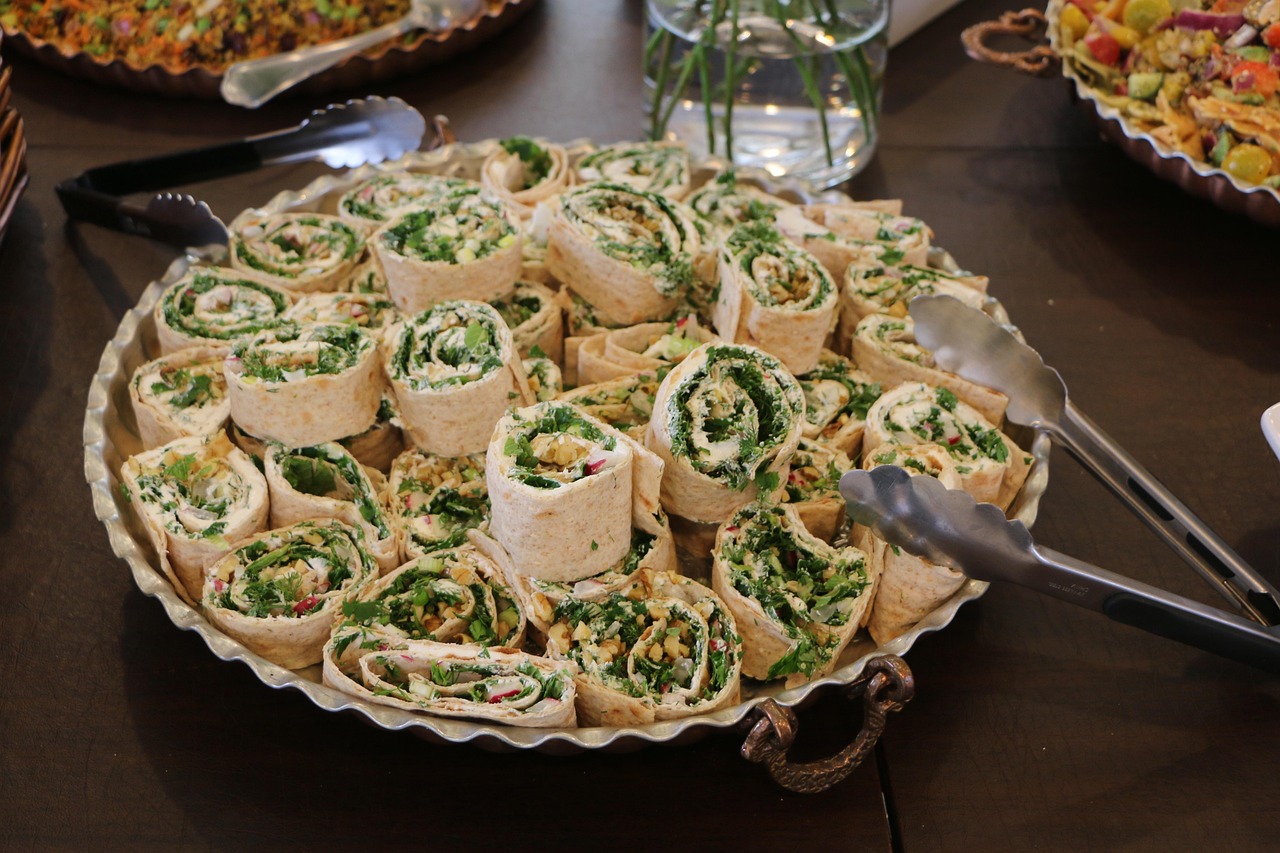
    · The Wrap-and-Roll: A whole-wheat tortilla filled with chicken salad, turkey and avocado, or even a black bean and corn mix. Wrap it in foil, and it’s a handheld feast.

    2. Snack Attack – The Smart Way: Snacking is inevitable. Make it strategic.

    · The Protein Punch: Greek yogurt, a handful of almonds, a hard-boiled egg, or a tablespoon of peanut butter with an apple. Protein provides sustained energy, unlike the sugar rollercoaster.
    · The Fiber Fix: An apple, a pear, or baby carrots with hummus. Fiber keeps you full and your digestive system… well, let’s just say it keeps things moving, which is a win for any nurse.
    · Hydration Hacks: Often, we mistake thirst for hunger. Keep a large water bottle at your station. Infuse it with lemon, cucumber, or mint to make it more appealing. And yes, coffee is life, but try to pair it with water. Your kidneys will thank you.

    3. Conquering the Night Shift: Trick your body into thinking it’s a new day.

    · The “Main Meal” Before Work: Have your largest meal before your shift, around 4 or 5 PM. This is your fuel tank.
    · Pack a “Breakfast-Lunch”: Your midnight meal should be light, protein-rich, and easy to digest. Think: a small chicken salad, a yogurt parfait, or scrambled eggs in a thermos. Avoid heavy, greasy foods that will make you sluggish.
    · The Pre-Bed Snack: After your shift, have a small, carb-centric snack like a banana or a piece of toast to help you wind down and sleep better.

    Part 3: The Mindset – Beyond the Bite

    Finally, give yourself grace. You won’t be perfect. Some days, that pizza in the break room will win. And that’s okay. The goal is progress, not perfection.

    Eating well isn’t just about weight; it’s about resilience. It’s about having the mental clarity to catch that subtle change in a patient’s condition. It’s about having the physical stamina to handle a 12-hour shift on your feet. It’s about having the emotional fortitude to be the calm in someone else’s storm.

    You are on the front lines of healthcare. It’s time to fuel yourself with the same care and intention you provide to your patients. Now, go forth and conquer your shift. And maybe hide that last donut for yourself. You’ve earned it.

  • The Hangry Nurse: A Survival Guide

    The Hangry Nurse: A Survival Guide


    Let’s be real: the hospital floor is a battlefield. The alarms are the enemy’s war cries, the paperwork is the never-ending siege, and your stomach? That’s the traitorous informant that could betray you at any moment. We’ve all been there—that 3 PM slump when your blood sugar plummets, and the only thing standing between you and a full-blown “hanger” meltdown is a sad-looking, decade-old granola bar from the depths of your locker.

    For nurses, food isn’t just fuel; it’s a strategic resource. Planning your nutrition is as critical as knowing your dopamine drip calculations. So, let’s dive into the delicious, chaotic world of keeping a nurse fed, happy, and (relatively) sane.

    Part 1: The Dietary Traps of the Trenches

    First, let’s identify the enemy. What does the typical “nurse diet” look like?

    1. The Vending Machine Gambit: A thrilling game of chance! Will you get the stale pretzels (Starch Stick of Despair) or the candy bar that promises joy but delivers a sugar crash of existential dread 20 minutes later?
    2. The “Grazing on Patient Crackers” Gambit: This seems harmless. A saltine here, a graham cracker there. But before you know it, you’ve consumed the caloric equivalent of a small loaf of bread, entirely composed of refined carbohydrates. It’s a sneaky, salty sabotage.
    3. The Coffee-Is-A-Food-Group Fallacy: Ah, coffee. The lifeblood of healthcare. But sipping on a milky, sugary latte all morning does not constitute a meal. It’s a dessert beverage masquerading as sustenance. And no, the fifth cup of black coffee at 2 PM does not count as hydration.
    4. The “I Have 4.5 Minutes to Eat” Scramble: This is where you become a competitive eater. You inhale your lunch so fast your brain doesn’t have time to register that you’ve eaten. This often leads to feeling unsatisfied and, you guessed it, reaching for those patient crackers an hour later.

    Part 2: The Master Plan: Fueling for the Shift

    Conquering the shift requires a strategy. Think of it as your “Nutritional Code Blue.”

    The MVP (Most Valuable Prep): The key to victory lies in one thing: preparation. The “Sunday Scramble” isn’t just for new grad anxiety; it’s for chopping veggies and grilling chicken. Invest in good containers—they are the body armor for your food.

    Building the Perfect “Shift Box”:

    · The Protein Powerhouse: This is your anchor. It keeps you full and provides steady energy. Think grilled chicken strips, hard-boiled eggs, chickpeas, a can of tuna, or Greek yogurt. Protein is the calm, reliable colleague in a code.
    · The Complex Carb Co-pilot: This provides the slow-burning energy you need. Quinoa, brown rice, sweet potato, or whole-wheat pasta are your friends. They are the steady, dependable IV drip of the food world.
    · The Veggie Victory Lap: Color is key! Carrot sticks, bell peppers, cucumbers, and cherry tomatoes add crunch, vitamins, and fiber. They’re the cheerful, uplifting volunteers who brighten your day.
    · The Healthy Fat Financier: Don’t fear fat! It’s essential for brain function (you know, that thing you use to remember med schedules). Avocado, a handful of nuts, or a sprinkle of seeds are perfect. They’re the wise, seasoned charge nurse who keeps everything running smoothly.

    Snack Attack – The Smart Way:

    Forget the vending machine. Your locker should be a mini-pantry of salvation.

    · Almonds and an apple
    · Hummus and baby carrots
    · A protein bar with low sugar
    · A single-serving packet of nut butter

    Part 3: Special Ops: Conquering the Night Shift

    The night shift is a nutritional Twilight Zone. Your body is screaming for bed, but your stomach is demanding a feast at 3 AM. The worst thing you can do is eat a heavy, traditional “dinner” like pizza or pasta. Your digestive system will go into overdrive, making you sluggish.

    Instead, “reverse” your meals. Have your largest meal before your shift. During the night, eat light, protein-rich mini-meals that are easy to digest. A smoothie, a small salad with chicken, or some soup are excellent choices. You’re tricking your body into staying alert, not sending it into a food coma.

    Part 4: Hydration Station

    Water. It’s not just for spilling on the Pyxis. Dehydration masquerades as hunger, fatigue, and a headache. It’s a master of disguise. Get a large, motivational water bottle (one that tells you you’re “awesome” or “a badass”) and keep it with you. Aim to refill it multiple times. Herbal tea is also a great option, especially for the night shift. Your kidneys (and your patients) will thank you.

    The Final Chart Note:

    Fellow warrior of the wards, your health is not a secondary priority. You can’t pour from an empty cup, and you can’t run a successful code on a diet of caffeine and despair. A little planning transforms you from a “hangry” liability into a well-fueled, clear-headed, and infinitely more compassionate caregiver.

    Now, go forth, meal prep like the superhero you are, and may your snacks be ever in your favor.

  • The Hangry Nurse: Why Your Diet is a STAT Order

    The Hangry Nurse: Why Your Diet is a STAT Order

    Let’s be real. The life of a nurse is a bizarre marathon of sprinting, standing, charting, and emotional heavy-lifting. Your body isn’t just a vessel for your brilliant brain and compassionate heart; it’s a high-performance machine that, if fueled with the culinary equivalent of sawdust, will eventually stage a mutiny. And a mutiny in a nurse’s body usually involves becoming what we lovingly call “Hangry.”

    Hangry (adj.): A portmanteau of “hungry” and “angry,” characterized by a sudden drop in patience, a sharp tongue, and the overwhelming desire to either cry or steal a patient’s Jell-O cup. We’ve all been there. It’s 2 PM, you’ve run on coffee and adrenaline since 5 AM, and the mere sight of a chirpy patient asking for the fifth warm blanket could summon a side of you that would make a dragon seem cuddly.

    The truth is, your nutrition isn’t a luxury or a New Year’s resolution. It’s a non-negotiable, code-blue-level priority. Here’s how to stop fighting your own body and start making it your most reliable ally.

    1. The Breakfast Battle: Don’t Let the Doughnut Win

    The siren song of the breakroom is powerful. A box of pastries, a plate of cookies left by a grateful family—it’s a carb-loaded trap. Skipping breakfast or choosing a sugar bomb sets you up for a catastrophic energy crash right around your first med pass.

    The Pro-Move: Think of your breakfast as prepping for a 12-hour shift, not just a meal. You need a combination of protein, complex carbs, and healthy fats.

    · The Overnight Oats MVP: Prepare it in a jar the night before. Oats, Greek yogurt, chia seeds, and some berries. It’s cool, filling, and you can shovel it down in five minutes flat.
    · The Egg-cellent Option: Hard-boiled eggs are a nurse’s best friend. Make a batch on your day off. Pair two with a whole-wheat toast and an avocado for a power-packed start.
    · Smoothie Escape: Blitz some spinach, a banana, protein powder, and almond milk. It’s a meal you can drink on the run.

    2. The “I Have Five Minutes to Eat” Lunch Strategy

    The “lunch break” is often a mythical concept, a fleeting moment snatched between a code brown and a call light. This is where planning is your superpower. The vending machine is not your friend. The cafeteria’s greasy pizza is a frenemy.

    The Pro-Move: Embrace the art of the Tupperware.

    · The Grain Bowl Glory: A base of quinoa or brown rice, topped with a lean protein (grilled chicken, chickpeas, tuna), and a rainbow of chopped veggies. Drizzle with a simple vinaigrette. It’s hearty, healthy, and satisfying.
    · Leftovers are Love: When you cook dinner, intentionally make extra. That stir-fry or roasted chicken and veggies tastes even better the next day when it saves you from a hangry meltdown.
    · The Snack Plate: Who says lunch has to be a formal affair? A “adult lunchable” with cheese cubes, whole-grain crackers, hummus, baby carrots, and a handful of nuts is diverse, delicious, and easy to pick at.

    3. Snack Attack: Taming the Beast

    The 3 PM slump is a universal nursing experience. Your brain gets foggy, your feet ache more, and your willpower evaporates. This is the critical moment. Do you reach for the candy or for something that will actually sustain you?

    The Pro-Move: Arm yourself with a “desk” (or pocket) arsenal of smart snacks.

    · The Dynamic Duo: Apple slices with peanut butter. It’s sweet, salty, crunchy, and provides a perfect mix of fiber, carbs, and protein.
    · Trail Mix, Hold the Chocolate: Create your own mix with almonds, walnuts, pumpkin seeds, and a few dried cranberries. Avoid the store-bought kinds that are basically candy in disguise.
    · Greek Yogurt Power: A single-serving tub of plain Greek yogurt is a protein powerhouse that will keep you full for hours.

    4. Hydration Station: Water > Coffee

    We get it. Coffee is the lifeblood of the healthcare system. But chugging caffeine on an empty stomach and a dehydrated body is like trying to put out a fire with gasoline. Dehydration leads to fatigue, headaches, and poor concentration—things you literally cannot afford on the job.

    The Pro-Move: Make water your primary beverage. Get a large, marked water bottle (32 oz or 1 Liter) and set a goal to finish it by lunch, and another by the end of your shift. If plain water is boring, infuse it with lemon, cucumber, or mint. Herbal tea is also a great, calming alternative.

    5. The Mental Game: Give Yourself Grace

    Some days, the best-laid plans go out the window. Some days, you will survive on granola bars and prayer. And that’s okay. The goal is progress, not perfection. Beating yourself up over one bad food day is a waste of precious energy.

    Your ability to care for others is directly linked to how well you care for yourself. By fueling your body with intention, you’re not just avoiding hanger; you’re sharpening your mind, boosting your resilience, and ensuring you have the energy to be the amazing, badass nurse your patients need you to be.

    So, the next time you feel a hanger wave coming on, remember: your diet is a STAT order. Your patient is you. And you deserve the very best care.

  • The Nurse’s Plate: Fuel Your Shift, Nourish Your Life

    The Nurse’s Plate: Fuel Your Shift, Nourish Your Life

    Short on time, but not on nutritional goals? Discover quick, healthy eating solutions designed for the demanding life of a healthcare professional.

    You spend your shift caring for others, but who’s caring for you? Between long hours, high stress, and unpredictable breaks, your own well-being often takes a back seat. Grabbing whatever’s quick can leave you feeling drained, both mentally and physically.

    The Nurse’s Plate is here to change that. We are your dedicated resource for simple, nutrient-dense eating that fits your hectic schedule. We provide the tools and strategies to help you fuel your body right, so you can feel as strong and energized at the end of your shift as you did at the start.

    What You’ll Find Here:

    • Simple, Nutrient-Dense Recipes: No complicated steps or hard-to-find ingredients. Our recipes are packed with energy-sustaining nutrients and can be prepared quickly, giving you the fuel you need to power through your most demanding days.

    • Efficient 30-Minute Meal Prep Strategies: Maximize your limited time off. We provide practical, step-by-step meal prep guides designed to ensure you have healthy, grab-and-go options ready for your entire week, eliminating the daily “what to eat” stress.

    • Smart Strategies to Combat Stress Eating: Learn how to navigate fatigue and high-pressure environments without turning to unhealthy snacks. We offer practical tips for mindful eating and making choices that support your energy levels and long-term health.

    Stop sacrificing your health for your hectic schedule. It’s time to fill your plate with food that works as hard as you do.

    Visit The Nurse’s Plate today and transform how you eat, one shift at a time.